
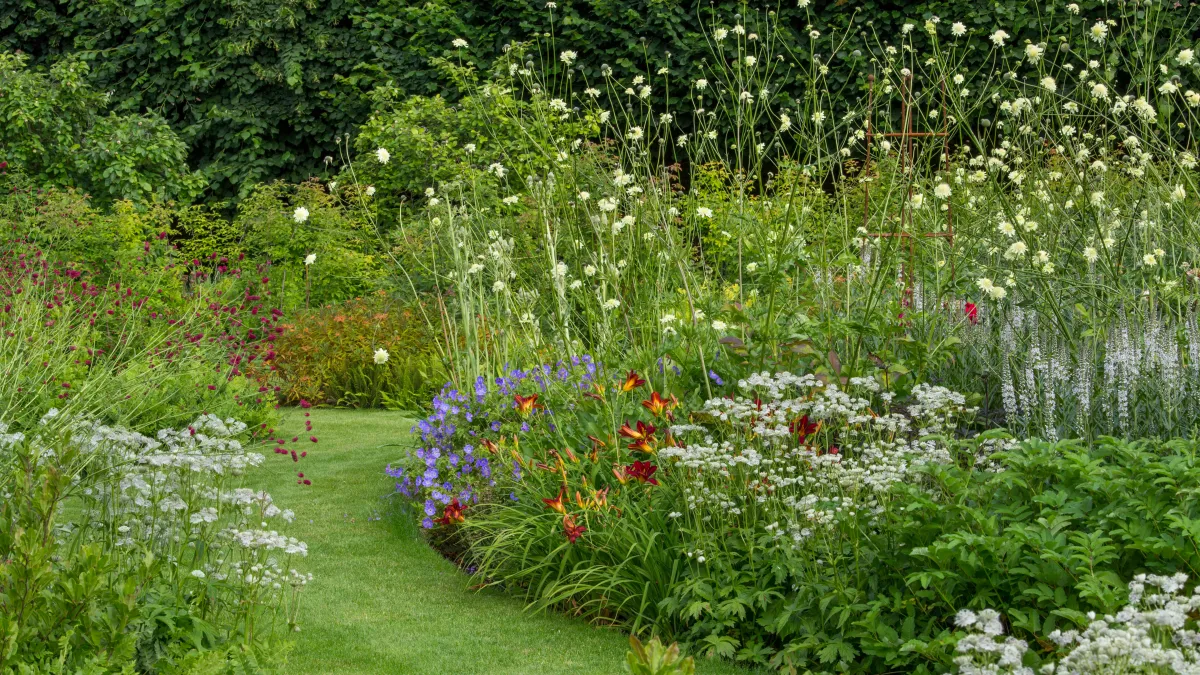
The extremely dry spring and summer of last year were followed by an exceptionally wet winter. My garden, like many, stayed wet the entire season, with puddles of surface water often lasting days. Although the land drainage I put in the previous year certainly helped, at times the ground got ridiculously muddy.
Climate change means these extremes seem to be the way we’re heading so what can a gardener do to combat it? What should we plant?
Well, the first thing I’d say is don’t panic. Many hardy perennials and grasses are surprisingly resilient. They can withstand and bounce back after very wet periods, although it’s important that the soil does eventually drain, avoiding a stagnant situation where it becomes anaerobic and smelly, with plants’ roots rotting away.
I’m amazed at how the hundreds of plants I put in last autumn have pushed through in the past few weeks. Was I anxious? Oh yes, and I’ve been gardening my entire working life. I was concerned that having the amsonias, agastaches, nepetas and euphorbias sitting in the cold wet soil all winter wasn’t a good move. I’ve been checking them almost daily like a concerned father, looking at their bases for signs of life. All is well — they’re coming up nicely. Phew.
Planting at the right time of year is key to establishment. Last year I put some perennials in around mid-May — not usually a problem — but with the heat and the dry weather from late spring through summer they became stressed and struggled to get going. Now they have had a rest period, they will have got their roots down properly and will finally catch up with the others planted just a few weeks earlier. My advice is that if you’re planting shrubs, grasses or perennials you should procrastinate not and simply get on with it, because who knows what this summer holds weather-wise?
I’m also planting up a rain garden this week as part of a project. A rain garden is where water has been diverted (usually from a house or shed roof through a downpipe) into a shallow dip or sunken area in the garden to help attenuate it so it can dissipate back into the water table. It’s not a proper pond and doesn’t have a liner, which means it is very wet in winter, often holding water, but dries out in summer. As well as many of the perennials on my list I’ll be introducing some shrubs that can cope with wet weather, like Viburnum opulus (guelder rose), Hydrangea arborescens, Cornus alba and Buddleja davidii varieties, as well as some ornamental grasses, especially tall Miscanthus sinensis varieties and the fabulously feathery Calamagrostis brachytricha.
Combined, these should not only look great but turn what could be a problem into a key garden feature. As a solution, it’s superior to collecting all that rain in a drain and pushing the problem down the line. It’s also good for the environment (reducing flash flooding, for example) and a magnet for wildlife. I guess it’s a way of seeing the challenges posed by the surroundings in a different way, turning them into positives and, as always with successful gardening, working with what you’ve got rather than fighting it.
Nine perennials that cope well with dry summers and wet winters
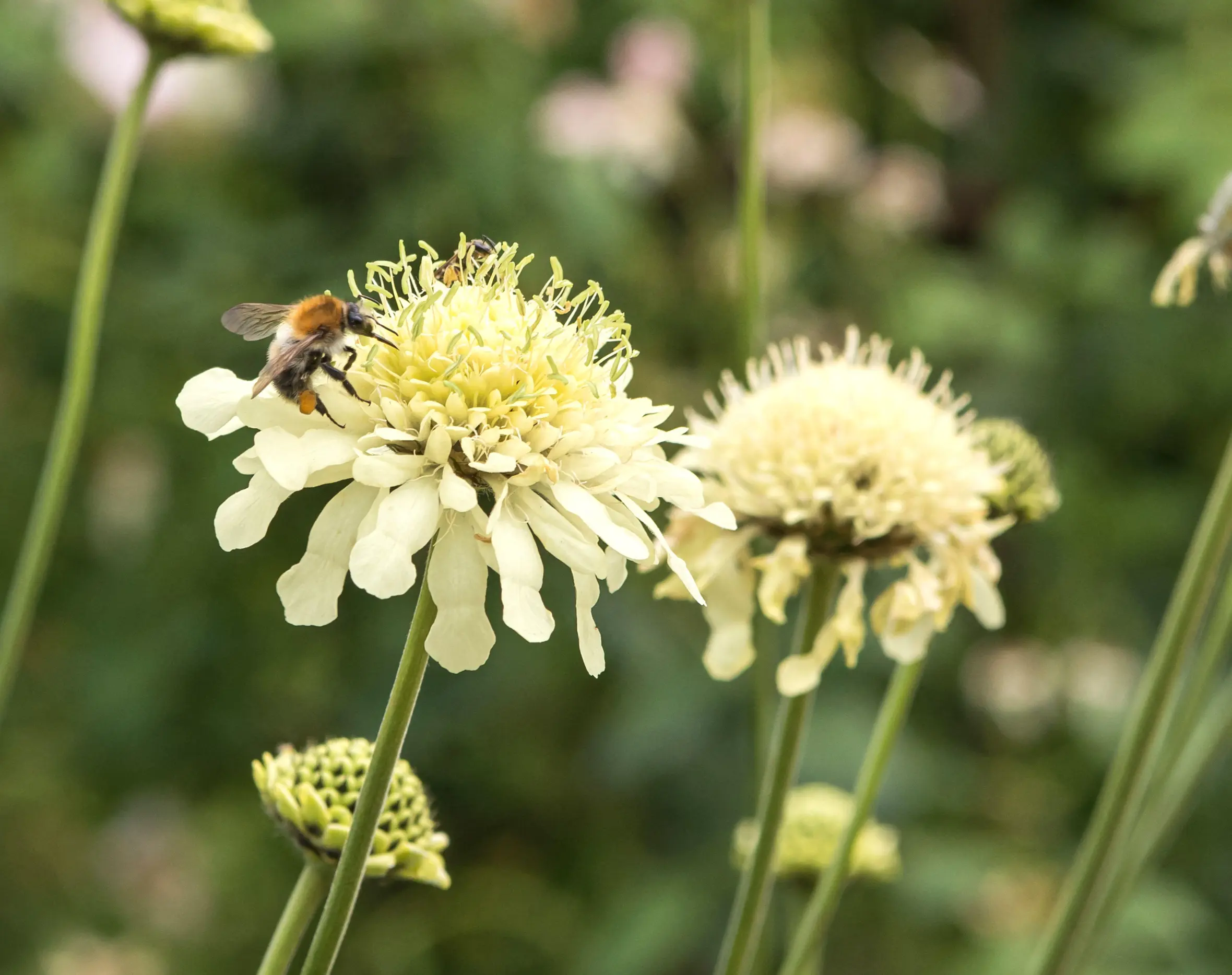
Cephalaria gigantea (giant scabious)
 Alamy
Alamy
Fabulous height from a perennial in a season. Soft yellow flowers held high on stems. Brilliant for pollinators. Likes sun. I like to plant it in the middle of borders that can be walked around as a kind of summer pivot point. Height 1.8m x spread 1m.
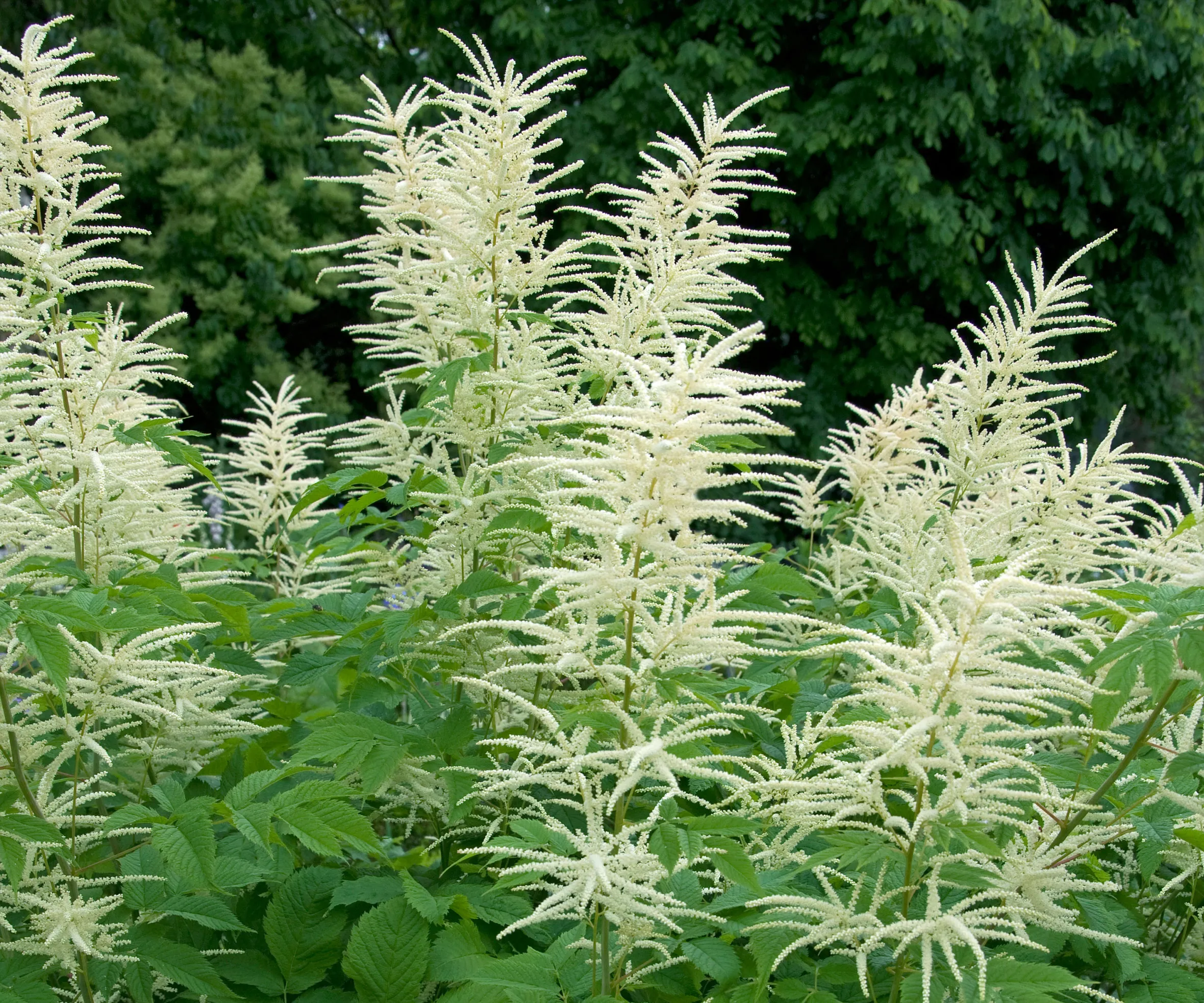
Aruncus dioicus (goat’s beard)
 Alamy
Alamy
Again, plenty of height with finely cut foliage and feathery plumes in early summer. Good yellow and orange autumn colour too. Garden cultivars like A. ‘Horatio’ and ‘Kneiffii’ are fabulous plants too and smaller at about 1.2m.
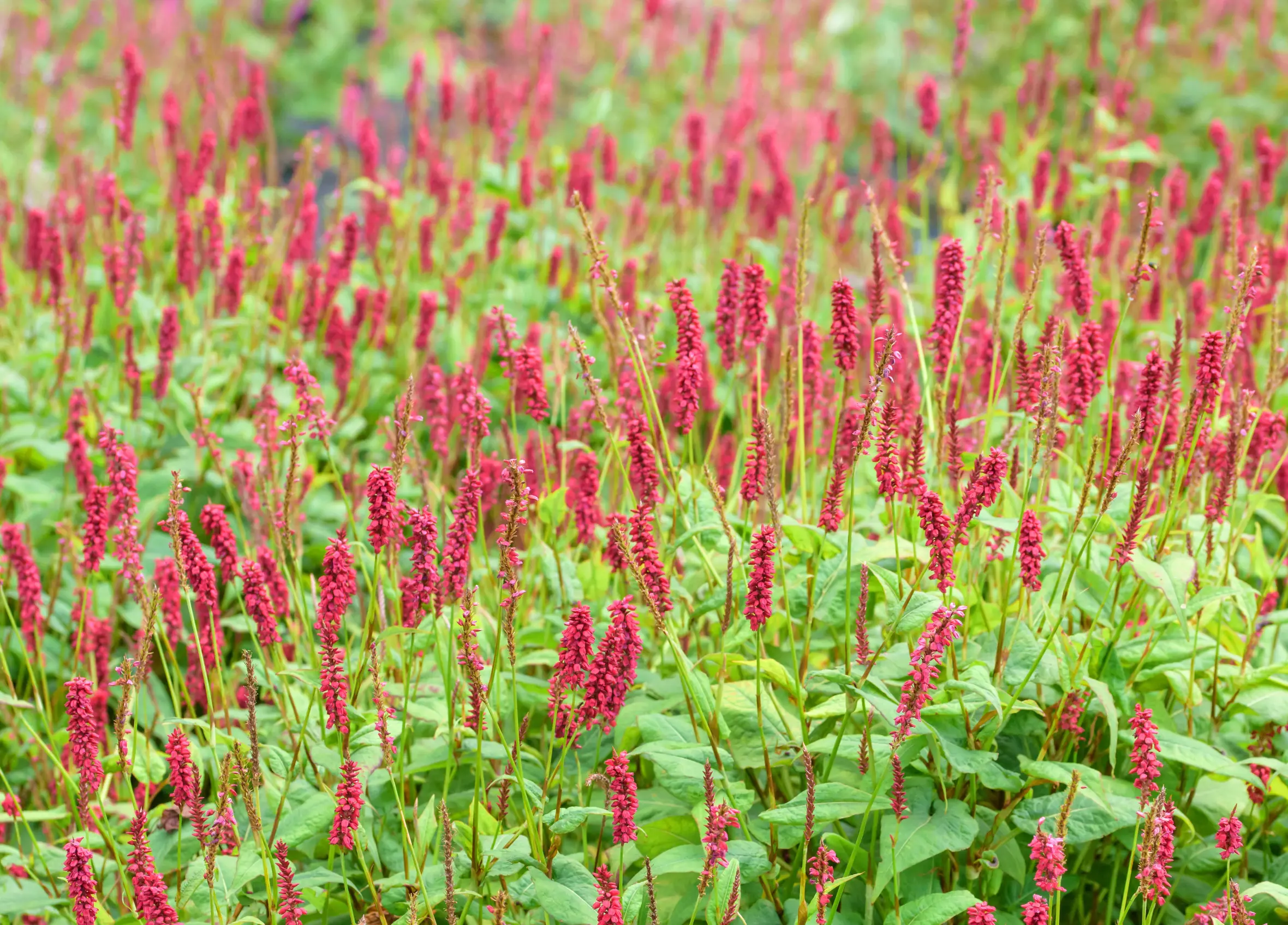
Bistorta amplexicaulis ‘JS Caliente’
 Alamy
Alamy
Persicarias/bistortas are robust plants that can cope with just about anything. This one forms a mound of long pointed leaves, with bright red flowers in erect spikes in late summer. Foliage turns red and purple in autumn. Pollinators love it. Height 75cm.
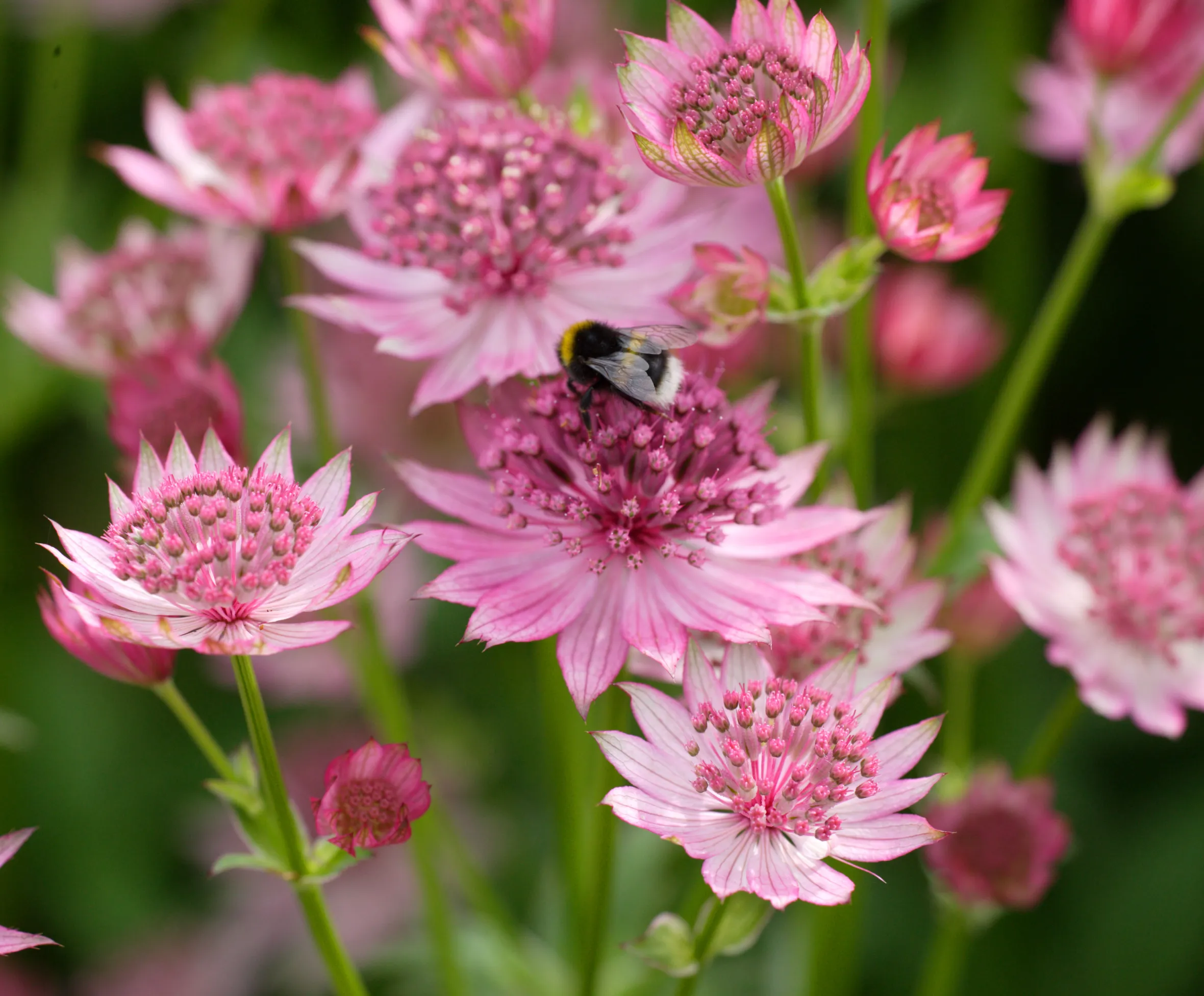
Astrantia ‘Roma’ (masterwort)
 Alamy
Alamy
Doing very well in my garden. Flowers for ages (a combination of pincushion flowers and showy papery bracts), from about June to September. Flowers held above a tidy clump of cut foliage. Deadhead to keep them coming but leave some seedheads on into autumn. Height 60cm.
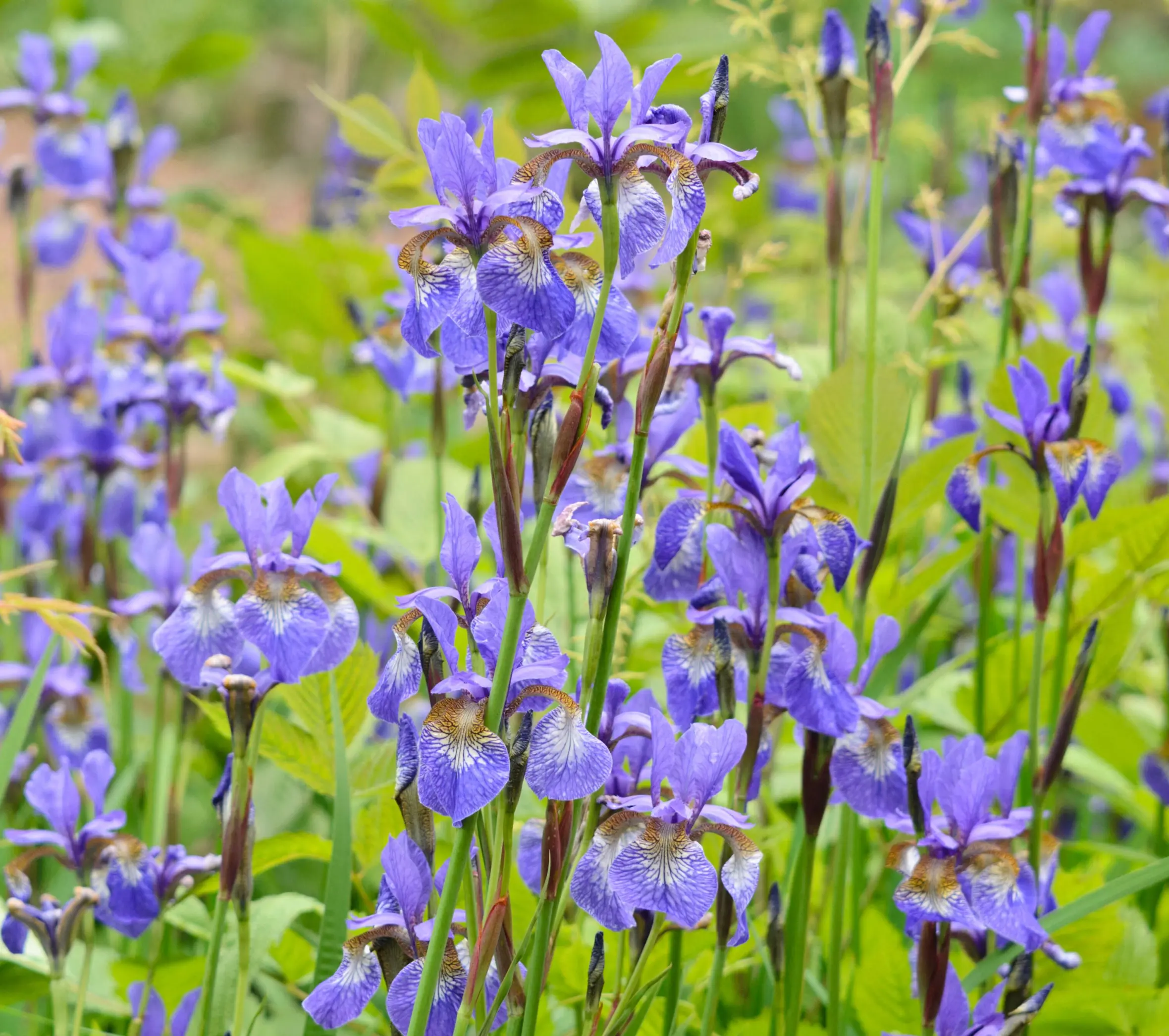
Iris sibirica (Siberian iris)
 Alamy
Alamy
Dark-veined blue flowers with white bases and upright brushstrokes of tidy foliage. Does well on all garden soils, especially clay-based, and when planted on the edges of ponds too. Many garden varieties available but this species is the toughest. Height 1.2m.
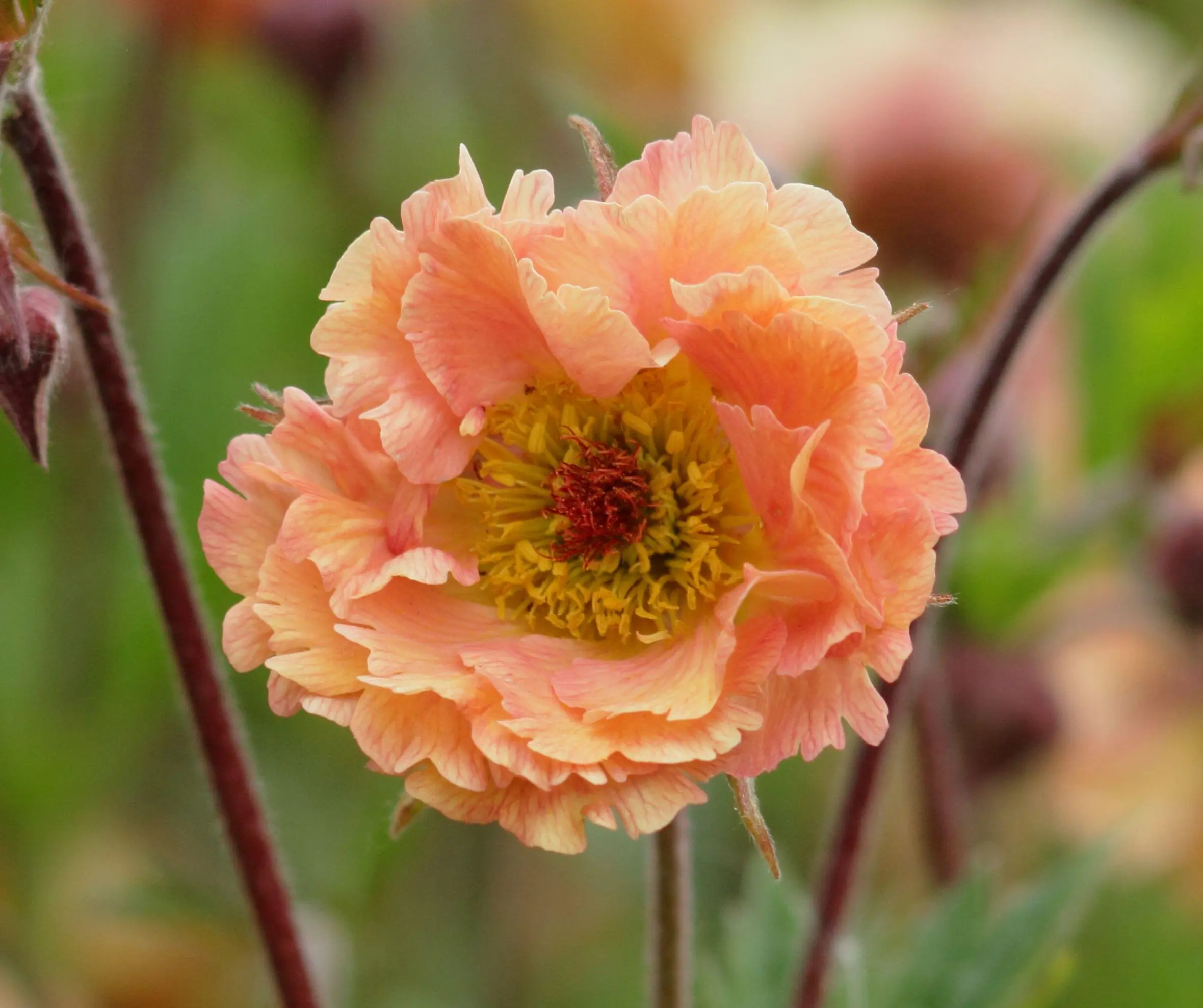
Geum ‘Mai Tai’ (avens)
 Alamy
Alamy
Geums are resilient perennials flowering from late spring to midsummer (so often seen at the Chelsea Flower Show for an injection of red or orange). This one is a little more subtle. The flowers are apricot-coloured with a pink flush that is perhaps a little less in-your-face than some. Lovely, lush green foliage too. Height 45cm.
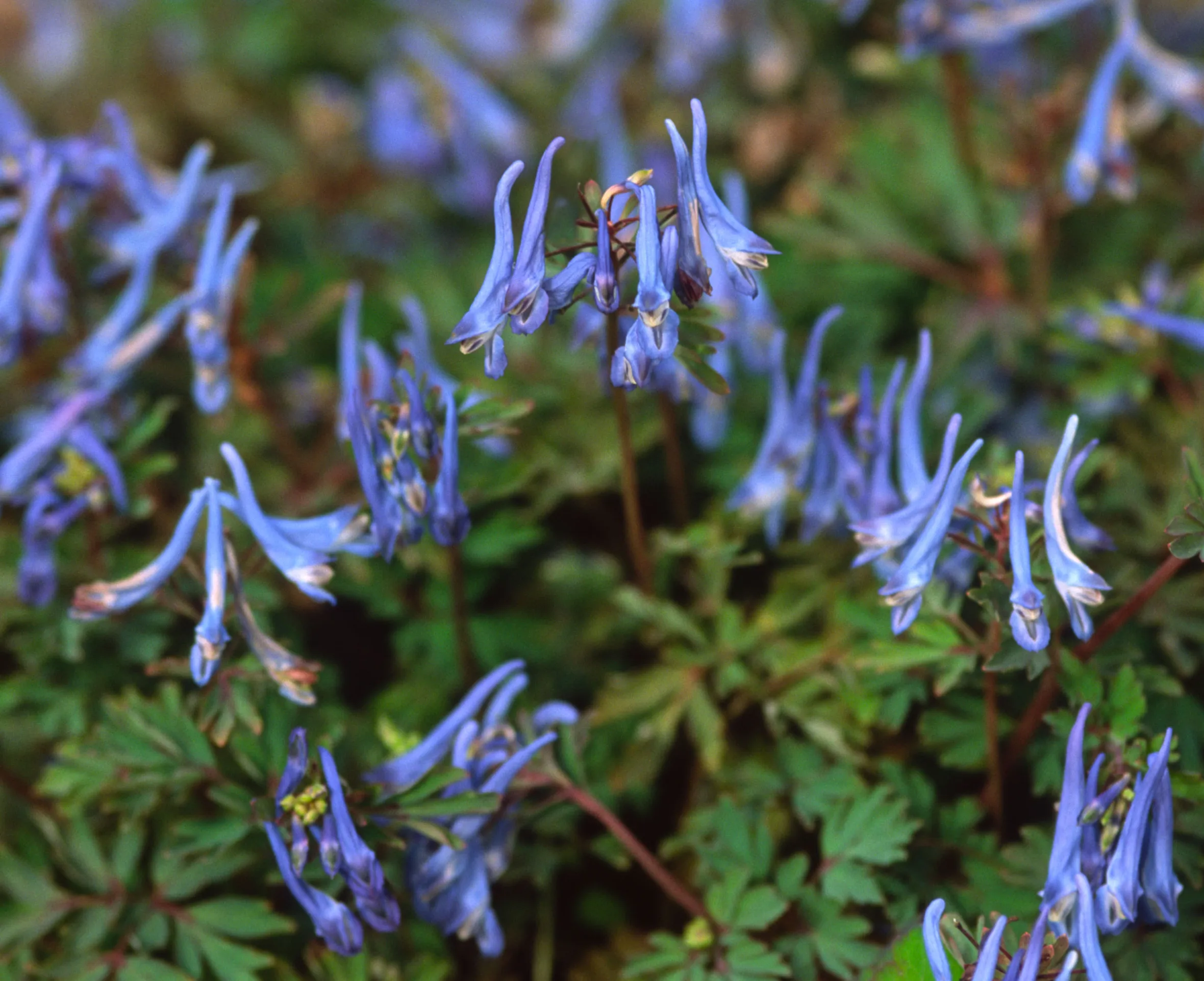
Corydalis flexuosa ‘China blue’ (corydalis)
 Alamy
Alamy
A gorgeous carpeting plant that will freely seed around. Flowers from April onwards with masses of pale blue spurred flowers floating above a sea of grey green feathery foliage. I’ve grown it in both shade and sunny areas, so makes a good linking plant. Height 30cm x spread 20cm.
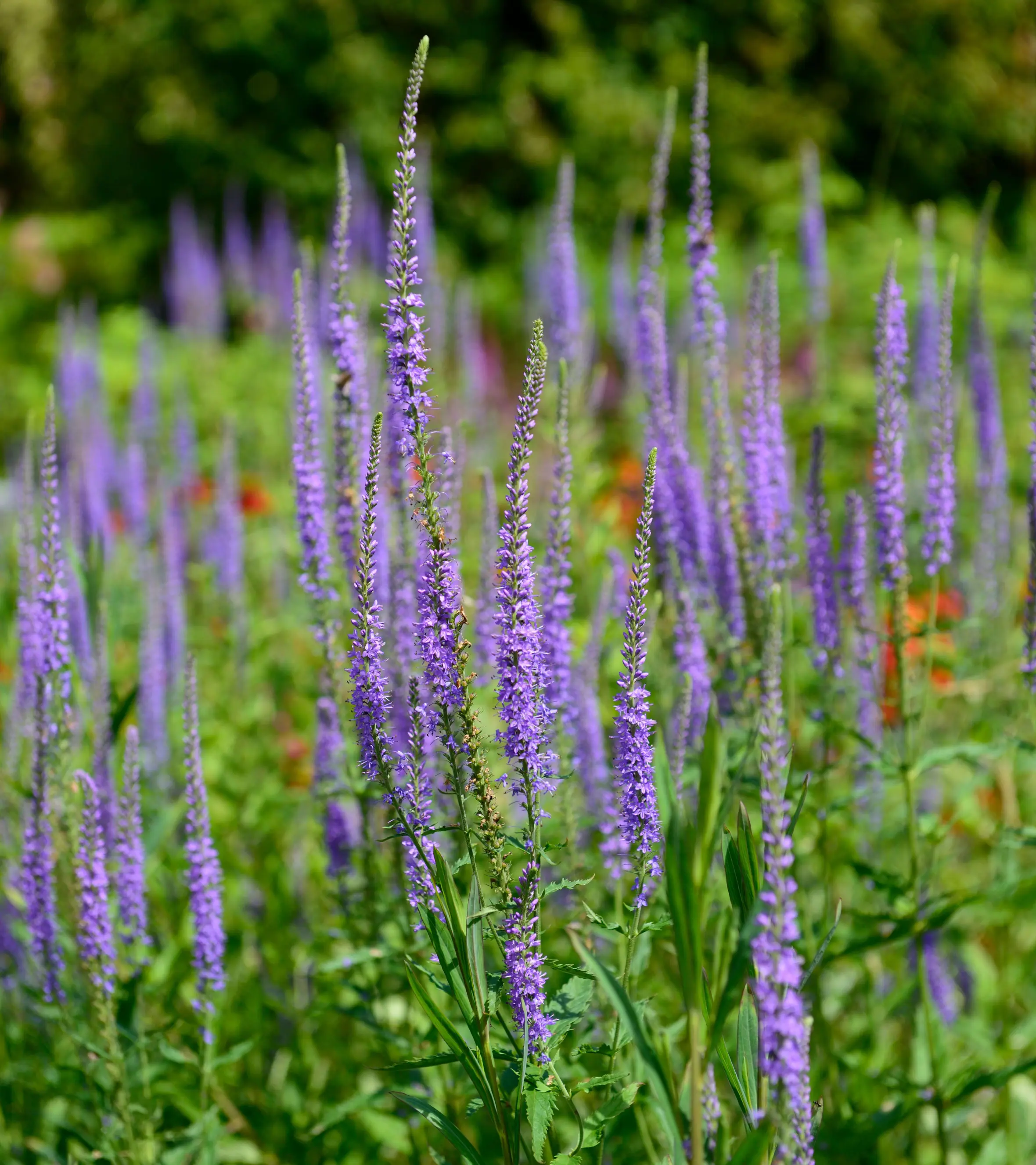
Veronicastrum virginicum ‘Fascination’ (culver’s root)
 Alamy
Alamy
Perfect for those slender brushstrokes ending in a pointed tip and structure that stays well into winter. Clumps up nicely and looks best in a large clump or drift, especially when backlit. Don’t overfeed or they’ll get floppy. Height 1.8m.
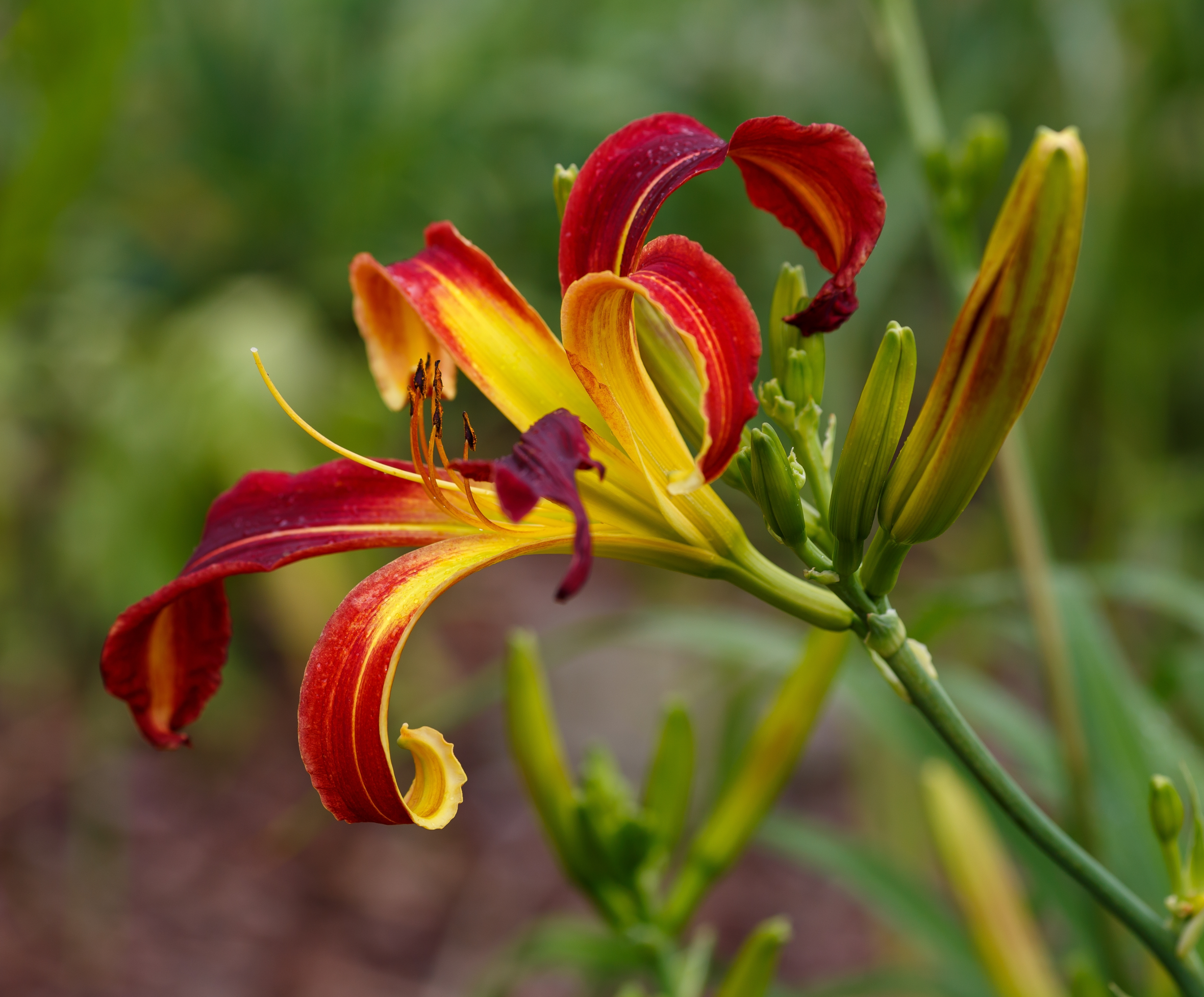
Hemerocallis ‘Autumn red’ (day lily)
 Shutterstock
Easy to grow in standard borders, permanently wet soils and even into wetter pond margins. Once established, can cope with dry summers. The flowers only last a day but if you keep deadheading, they will keep producing. Huge range of colours with day lilies, this one is burgundy red with a golden centre. Height 1m x spread 50cm.
Comments are closed.