
Spring has officially sprung; dandelions, primroses, and crocuses have all shot up from the once frosty soil! And you’ll be pleased to hear that April marks the start of the sowing season – this is where the fun begins!!
Here are some top tips on how to bring more wildlife (and a splash of colour while you’re at it) into your garden, community green space, or any outdoor patch you can get your hands on – big and small, there’s always a job to be done!
1. Plant for pollinators
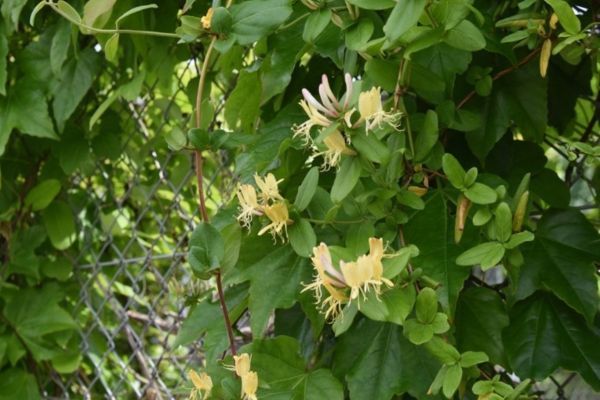
Now is your time to start planting native plants, flowers, and more. Planting nectar-rich flowers attracts these winged beauties, such as butterflies and bees, and provides a vital food source later in the year. Try plants such as Snake’s Head Fritillary, Forget-Me-Not, or a climber like Honeysuckle, which will also attract moths and bats in the summer.
2. Provide water sources
Don’t just feed the birds, give them something to drink! Water features are a must-have for any wildlife-friendly space. From birdbaths to ponds, water sources provide essential habitats, hydration or even a bath for your feathery (and not so feathery) guests.
3. Sow what? Sow everything.
There is an abundance of fruit and vegetables that can start to be sown in April, from salads leaves to potatoes. Help nature out and give yourself a tasty snack whilst doing so.
4. Add a compost pile
Composting really is a benefit to all- turning kitchen scraps and garden waste into nutrient-rich soil, you’re feeding your plants and reducing waste!
· Pick a level, well‑drained, easy spot to access to use as your compost heap — you can also purchase ready‑made compost bins.
· Build an airy base using twigs, straw, and small branches.
· Layer browns and greens: 2:1 browns‑to‑greens (by volume).
· Add moisture: damp, not soggy.
· Turn regularly every 1–2 weeks.
You can then start adding your waste, such as vegetable peels and fruit cores, fresh grass clippings, coffee grounds, tea bags (plastic-free), weeds (but only if they haven’t gone to seed), and crushed eggshells.
Wildlife Oxfordshire

Comments are closed.