
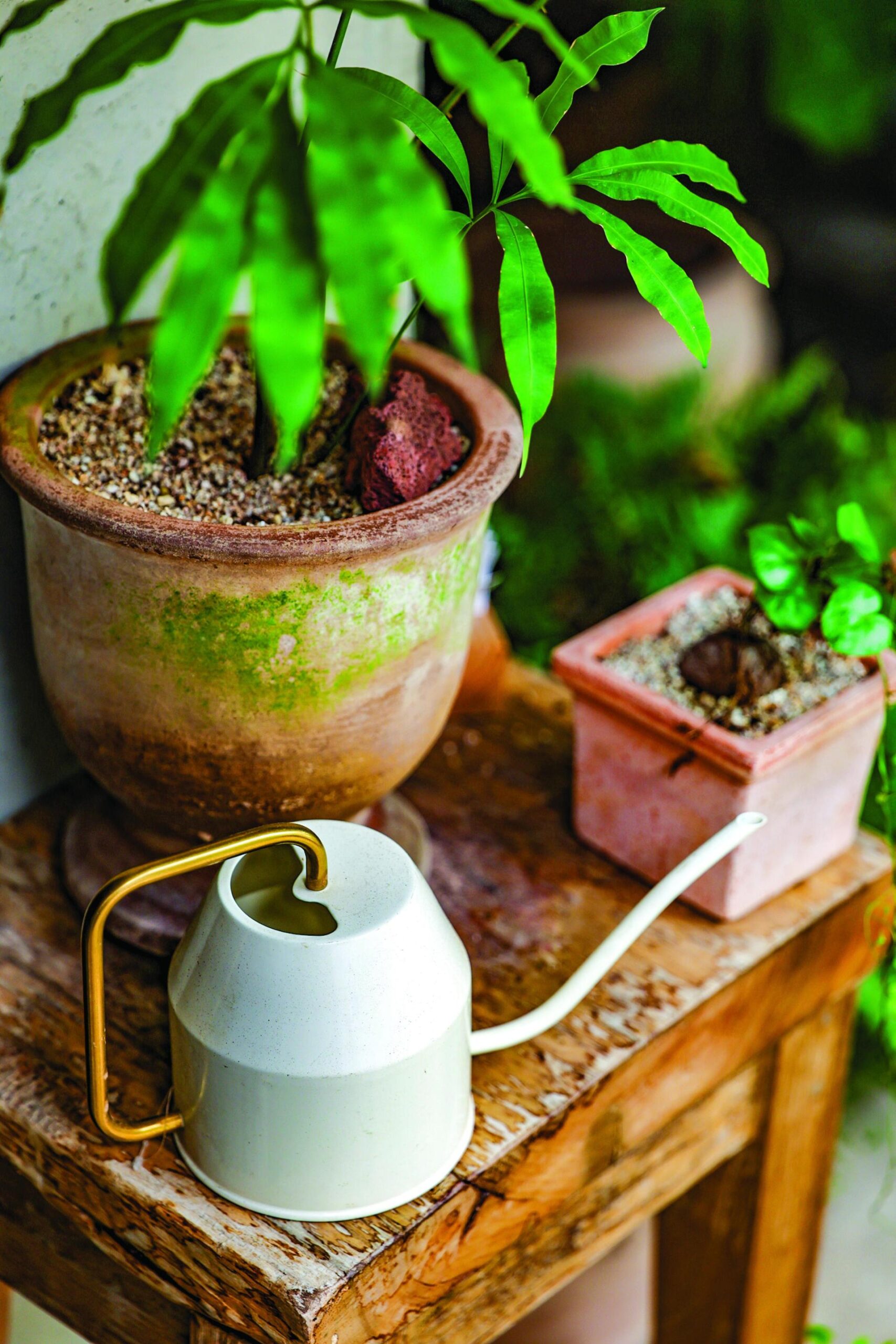
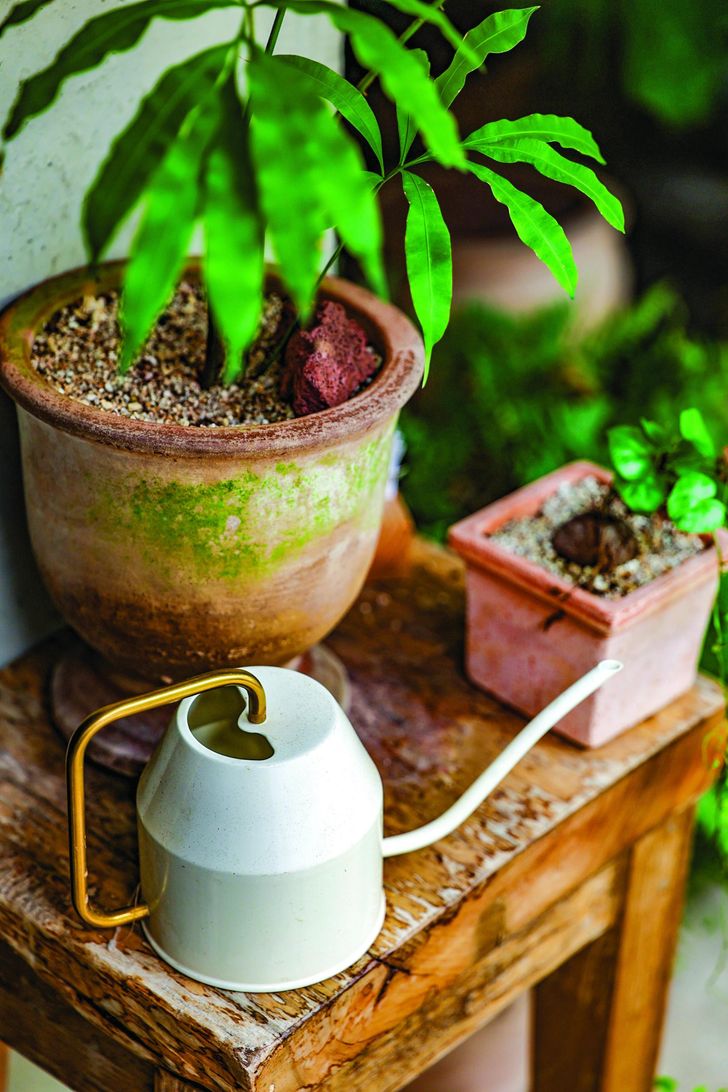
A photo from home gardening book “My Little Forest” by Shin Joong-sun / Courtesy of National Institute of Ecology
As spring returns, more Koreans are bringing life back into their homes — literally. Indoor plants are not just decor; they’ve become sources of emotional comfort and an integral part of daily routines.
The home gardening trend sprouted during the pandemic, when stay‑at‑home life and the desire for soothing indoor spaces pushed people toward greenery. What began as a few potted plants on a windowsill has expanded into full‑scale home gardening, spreading across living rooms, balconies and terraces.
For many, plant care now marks the start of the day. Checking on leaves, tracking watering schedules and watching new buds grow has turned into a calming ritual.
Korea’s home gardening market is now valued at about 2 trillion won ($1.3 trillion), with roughly one in three people caring for at least one houseplant, according to the Rural Development Administration.
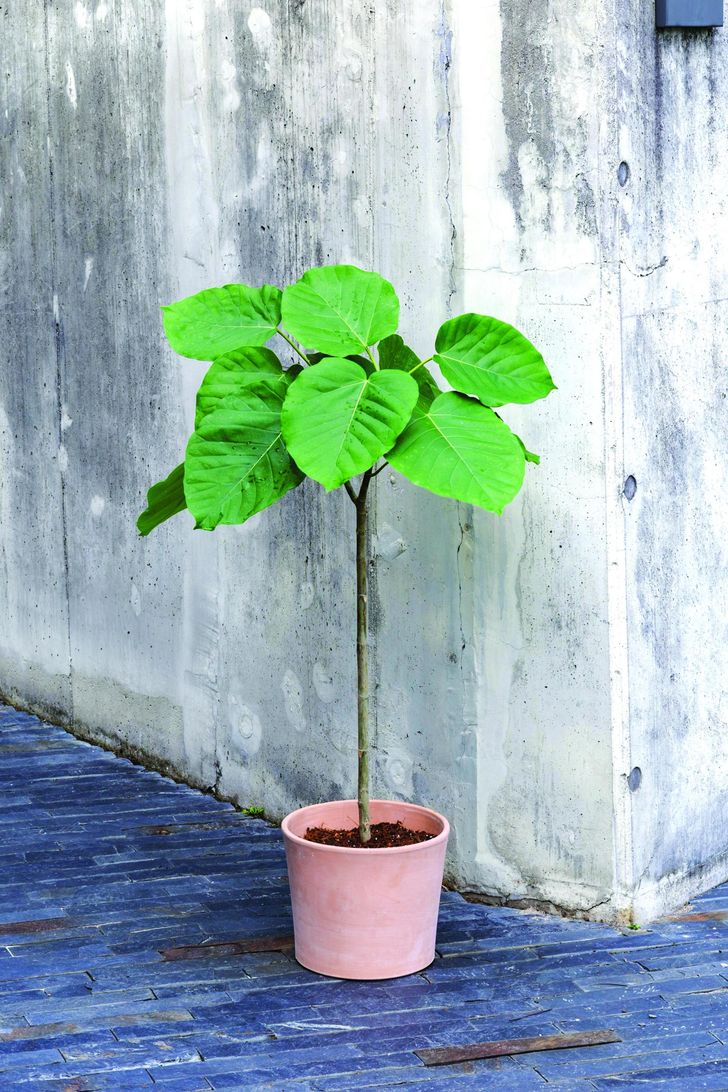
Ficus umbellata / Courtesy of National Institute of Ecology
2 trendy words: simplicity, healing
This season, the buzz is all about simplicity and healing. “Low‑maintenance” and “hard‑to‑kill” plants such as snake plants, ZZ plants and monsteras are topping shopping lists, especially those known for cleaning the air. Even self‑proclaimed “lazy gardeners” are chasing greenery that thrives with minimal effort.
At the same time, new catchphrases are taking root — “plant zoning,” “planterior” (plant‑interior styling) and “plant‑teck,” a term for plant‑themed side hustles. Beyond simple decoration, houseplants have evolved into a medium for self‑expression, relaxation and lifestyle identity, offering people a serene way to reconnect with nature at home.
Novelist Shin Joong‑sun, who recently published “My Little Forest,” a beginner’s guide to home gardening, describes the experience as “a journey of finding inner peace through patient connection with plants.”
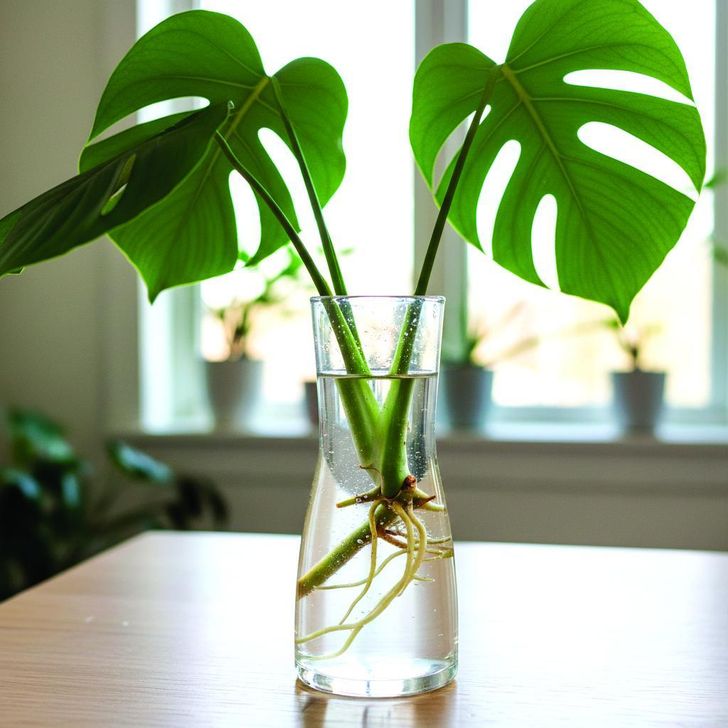
Monstera / Courtesy of National Institute of Ecology
“When I step into the living room and see all my plants, that green freshness gives me peace,” Shin said. “Wiping their leaves helps them breathe and grow strong. As I do that, my mind becomes calm — it’s healing. For busy modern people, this kind of greenery can be especially soothing.”
Touch the soil
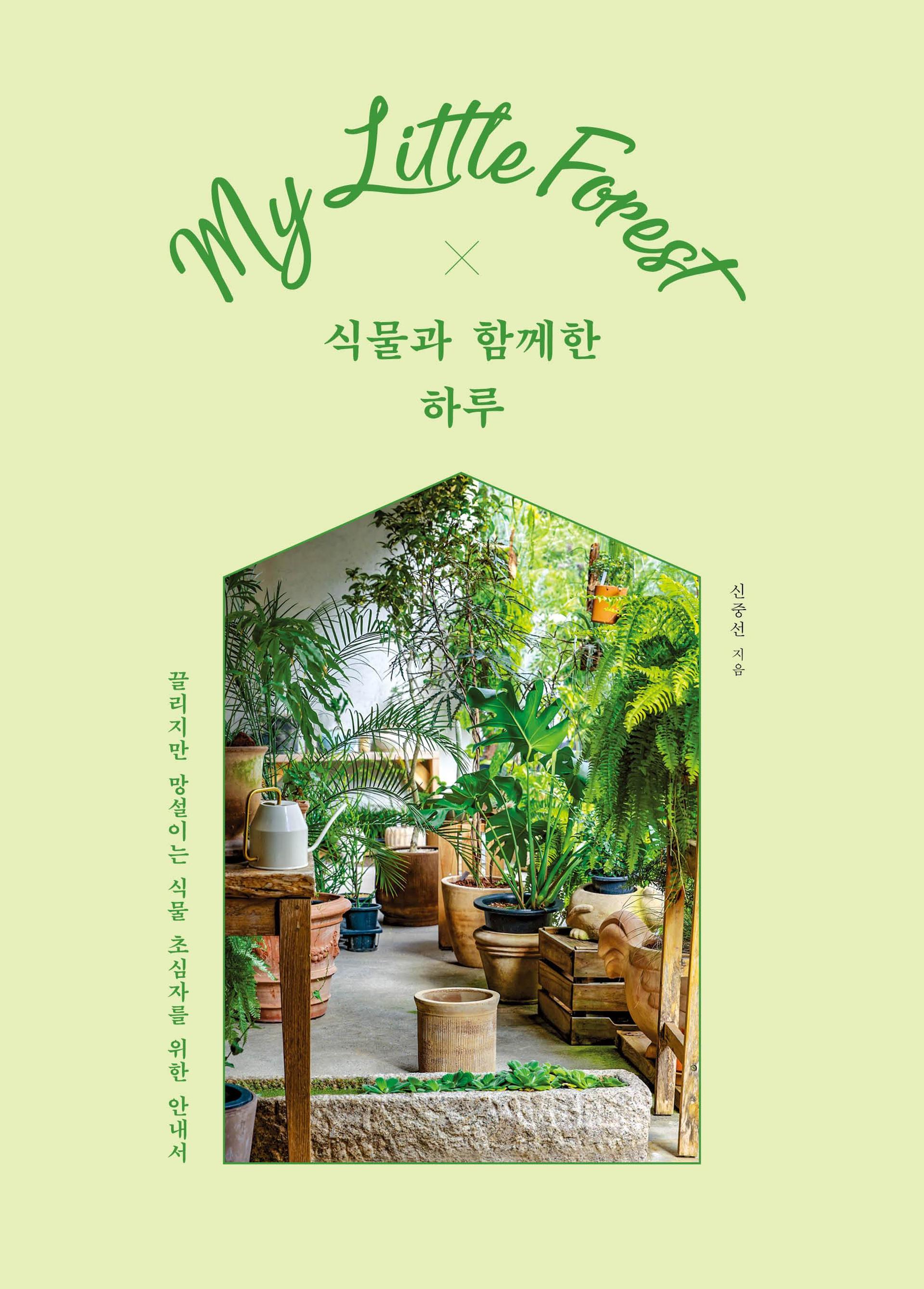
“My Little Forest” by Shin Joong-sun / Courtesy of National Institute of Ecology
Caring for more than 80 species of plants, Shin says one of the biggest struggles for beginners is simply keeping plants alive. “People often stick to a strict schedule, like watering once a week,” she said. “But that’s one of the main reasons plants die. You have to touch the soil — if it’s still moist, don’t water it. When it feels dry and crumbly and a bit rubs off on your fingers, that’s the right time.”
What to buy
When it comes to plant selection, there’s one question you need to ask yourself, according to Shin.
For those who are busy and don’t spend much time at home, spathiphyllum, divy and pothos would be an easy choice, said Shin.
If you have children or pets at home, nontoxic varieties such as peperomias or areca palms are safer options. And for anyone looking to use plants as a design accent, visually striking species like dracaenas, marantas and Dendropanax morbiferus (also known as Korean dendropanax) bring both texture and vibrant energy to a room.
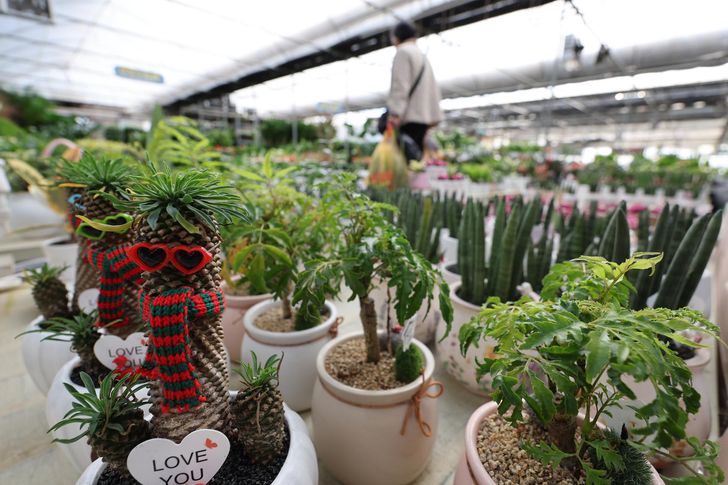
Yangju Flower Complex in Gyeonggi Province / Yonhap
Where to buy
While online plant shopping offers convenience, a trip to a nearby wholesale flower market lets shoppers see and select from a wide variety of greenery at bargain prices. For those near Gangnam in Seoul, Korea’s largest flower complex — Yangjae Flower Market — beckons, while northern Gyeonggi Province residents can head to Yangju Flower Complex.
If that’s too much hassle, neighborhood plant shops provide a simpler alternative. Today’s plant stores go far beyond traditional florists. Many now double as educational hubs offering hands-on classes on keeping greenery alive, choosing the right species and even running a plant business. These spots blend commerce with community, turning casual browsers into confident cultivators.
Comments are closed.