
Photo by Jonathan Kemper
For years, many home gardeners have planted whatever they enjoyed eating or what felt satisfying to grow. A few rows of potatoes, some carrots, maybe onions, and a couple tomato plants for good measure. But with grocery prices staying high, more people are starting to ask a different question this season: what should I actually plant if I want to save money?
That shift in thinking is changing how people approach their gardens. Instead of growing for fun alone, gardeners are beginning to think more strategically about space, yield, and real grocery store value.
The Real Question Isn’t What You Like, It’s What’s Worth It
One gardener summed up the dilemma clearly when planning for the season, questioning whether it made sense to keep dedicating space to root vegetables like potatoes and carrots when they are still relatively cheap to buy in bulk.
That thought is resonating with a lot of people right now.
There is a big difference between growing something because you enjoy it and growing something because it actually reduces your grocery bill. Potatoes, onions, and carrots are staples, but they are also some of the most affordable items in the store. When space is limited, many gardeners are starting to realize those crops may not give the best return.
Instead, the focus is shifting toward crops that are expensive to buy fresh, spoil quickly, or offer higher yields over time.
Herbs and Greens Are Quietly the Biggest Money Savers
If there is one category that keeps coming up again and again, it is herbs and leafy greens.
As one commenter put it, “Herbs and greens are like the only cost effective thing we grow. Everything else is for fun or because I can’t buy certain varieties in store.”
That insight reflects something many gardeners learn over time. Fresh herbs at the grocery store are expensive for what you get, and they often go bad quickly. In contrast, a small patch of herbs at home can produce continuously for weeks or even months.
Another person shared just how much value herbs can bring, saying they once realized they had harvested what would have cost hundreds of dollars at store prices.
Leafy greens follow a similar pattern. Lettuce, spinach, arugula, and microgreens can be harvested repeatedly, and they are often priced higher per pound at the store than most vegetables.
High Yield Crops That Keep Producing
Beyond herbs and greens, gardeners are also focusing on crops that produce heavily over time.
Tomatoes are one of the most commonly mentioned examples. Not only are they more expensive at the store, but many people feel the quality is significantly better when grown at home. Cherry tomatoes in particular tend to produce consistently and require relatively little space if grown vertically or in containers.
Beans and peas are another strong option. With the right setup, especially using trellises, these plants can produce a steady supply throughout the season.
Some gardeners also point to asparagus as a long term investment. One person noted that crowns planted years ago have paid for themselves many times over. While it takes patience, perennial crops like this can eventually become some of the most cost effective plants in the garden.
Berries and Fruits That Add Up Over Time
Fruit is another area where home gardening can make a noticeable difference.
Store bought berries are often expensive and don’t last long. That is why many gardeners recommend strawberries, raspberries, and similar plants. Once established, they can produce for years with relatively little effort.
As one gardener explained, these types of plants are not just about immediate savings, but long term value. With proper care and propagation, a single investment can continue producing season after season.
For families with kids, these plants also serve a second purpose. They become easy, accessible snacks right in the yard, reducing the need to buy packaged alternatives.
Not Everything Is Worth the Space
One of the biggest mindset shifts happening right now is the willingness to admit that some crops simply are not worth growing if the goal is saving money.
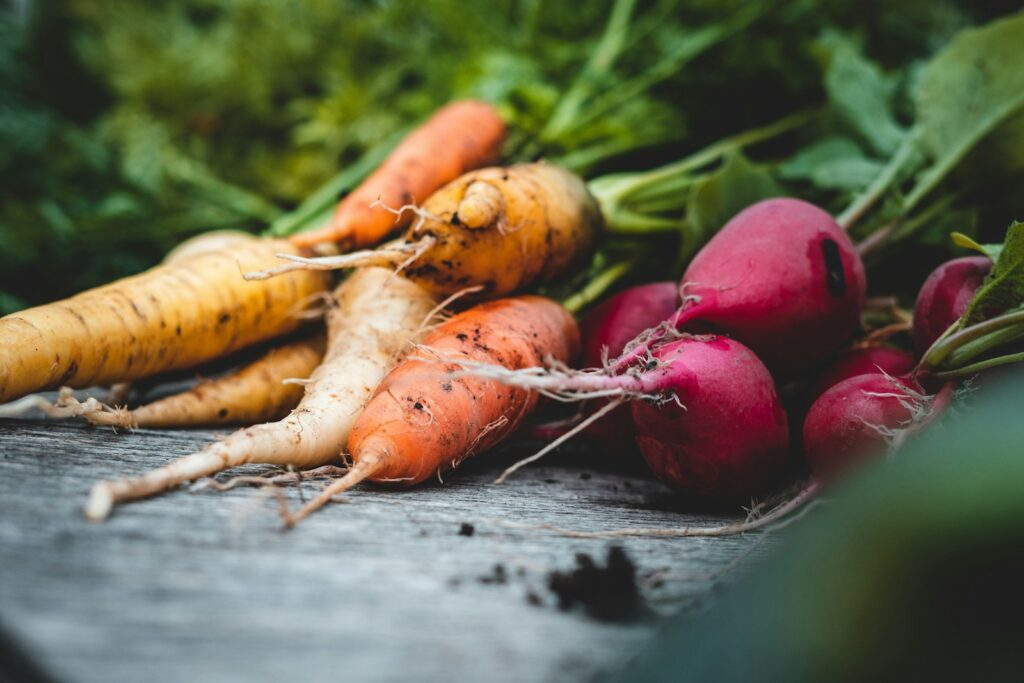
Root vegetables often fall into this category, especially in smaller gardens. While they are easy to grow, they take up valuable space and are relatively inexpensive to purchase.
Melons and larger plants can also be questionable depending on space. They can produce well, but they require room to spread unless trained carefully.
This is where planning becomes important. Many gardeners are starting to think in terms of vertical space, companion planting, and maximizing every square foot.
One commenter highlighted how layering plants by height can dramatically increase output, allowing greens to grow beneath taller crops like tomatoes or beans.
It Still Comes Back to What You’ll Actually Use
Even with all the strategy, one piece of advice continues to stand out: grow what you will actually eat.
There is no real savings if food goes to waste, even if it was grown at home. The most successful gardens tend to balance both priorities, focusing on high value crops while still growing foods the household genuinely enjoys.
That might mean prioritizing tomatoes for sauces, herbs for everyday cooking, or berries for snacks. It might also mean skipping certain crops entirely, even if they are easy to grow.
A More Intentional Way to Garden
This year, more gardeners are treating their space like something valuable to optimize rather than just fill.
The goal is not just a productive garden, but a practical one. One that reduces grocery trips, stretches food budgets, and provides fresh options that are otherwise expensive or hard to find.
And while there is still plenty of room for fun and experimentation, the shift toward intentional planting is clear.
Comments are closed.