
 4 min read
Hydrangeas are some of the most popular flowering shrubs in home gardens, and for good reason. They offer gorgeous blooms through most of spring and summer, along with spectacular fall color. However, despite their popularity, they are also among the most misunderstood plants.
The biggest mistake new gardeners make is treating all hydrangeas the same. In reality, bloom success depends on choosing the right type and matching your care to its needs. The problem is, the hydrangeas we see at garden centers include scores of cultivars from five completely different species, each with its own growing and pruning needs. The good news is once you know the type you have or which one to choose, setting them up for success is not difficult.
Choosing the Right Hydrangea
Before you grab your gardening gloves, it helps to think less about the plant and more about your conditions. Climate, light, and space all matter, and hydrangeas vary widely in how they respond to each.
Start with the basics: your USDA zone, how much sun the site receives, and when you want to see them bloom. Then consider size and habit, whether you need a compact shrub, a large focal point, or even a climbing vine. From there, the decision becomes clearer. Gardeners looking for reliability often gravitate toward panicle or smooth hydrangeas. Those drawn to bold color tend to choose bigleaf types. And for a more natural, native look, oakleaf hydrangeas are hard to beat.
The key distinction, however, lies in care. Pruning at the wrong time or placing a plant in improper light is where most problems begin. Understanding the type you’re growing is what prevents those mistakes.
Iryna Melnyk//Getty Images
The Main Types of HydrangeasBigleaf Hydrangea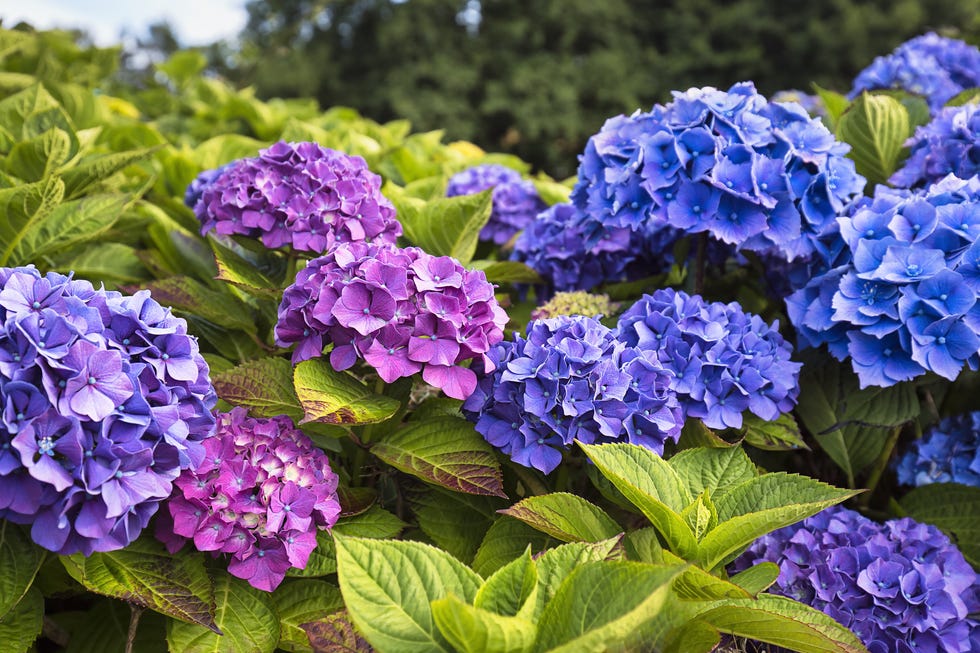
imageBROKER/Angela to Roxel//Getty Images
Bigleaf hydrangea (Hydrangea macrophylla) is the most recognizable hydrangea type. It’s known for large, colorful blooms that can shift between blue and pink depending on soil pH. Most bloom in early summer, though some reblooming varieties bloom repeatedly until fall.
There are three subcategories of macrophylla:
Mophead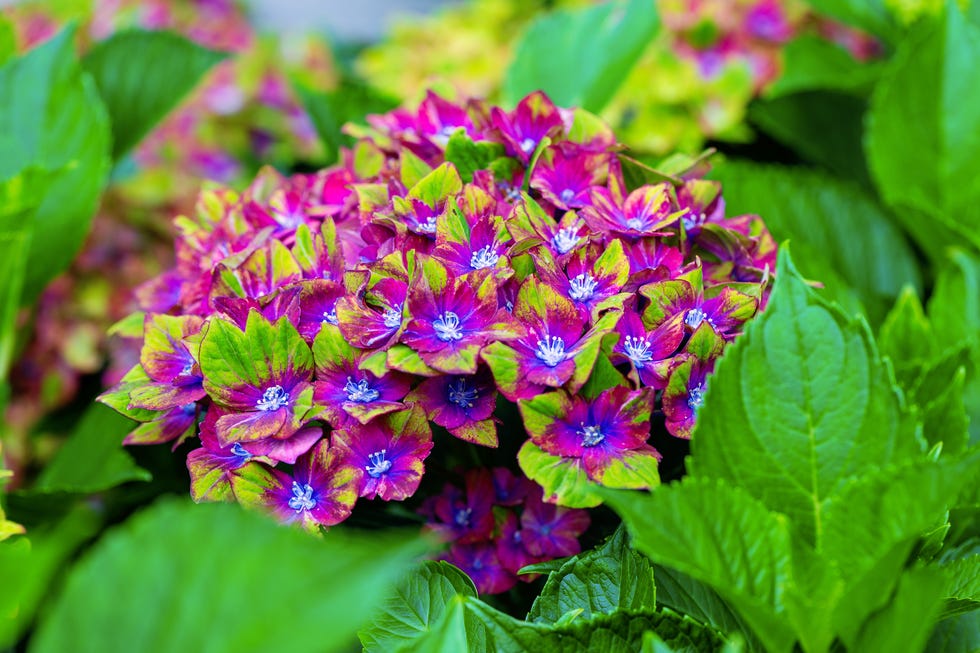
Courtesy of Debbie Wolfe
The familiar, rounded blooms that define the traditional hydrangea look. Dense, fully sterile flowers create bold, showy clusters, though they offer little value to pollinators
● Botanical Name: Hydrangea macrophylla
● Mature Size: 3–6 feet tall and wide
● Zones: 5–11
● Sun: Part shade to full shade
● Best Uses: Group or mass in borders, specimen or accent, hedges and containers
● Pests/Diseases: Bud blight, bacterial wilt, leaf spot, and mildew
● Special Notes: Showy blooms
Lacecap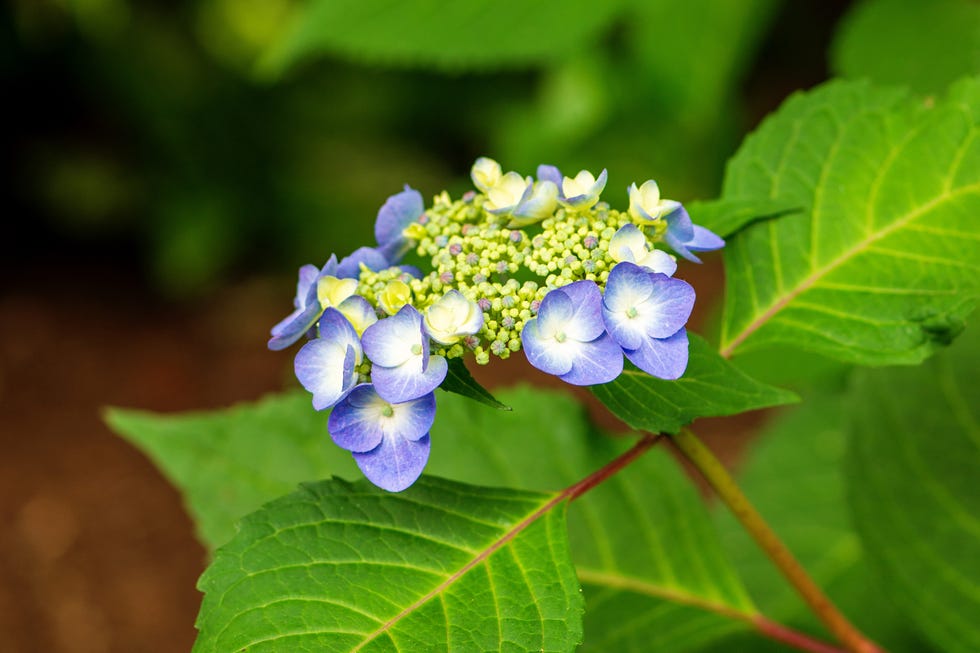
Courtesy of Debbie Wolfe
More understated in form, with flat blooms that feature fertile center flowers surrounded by a ring of showy sterile ones
● Botanical Name: Hydrangea macrophylla var. normalis
● Mature Size: 3–6 ft. tall and wide
● Zones: 5–9
● Sun: Morning sun, afternoon shade
● Best Uses: Borders, woodland gardens, containers
● Pests/Diseases: Aphids, spider mites, mildew, leaf spot
● Special Notes: Attracts pollinators
Mountain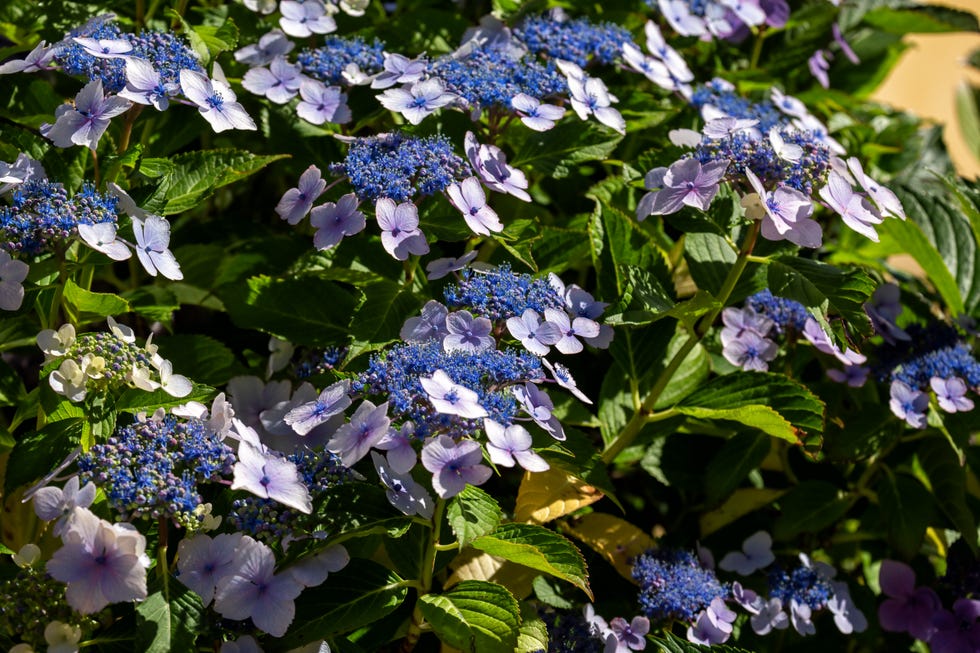
NataliaNaberezhnaia//Getty Images
A refined, more cold-tolerant relative of the lacecap, well suited to smaller gardens and cooler regions
● Botanical Name: Hydrangea macrophylla var. serrata
● Mature Size: 2–4 ft. tall and wide
● Zones: 6–9
● Sun: Part shade
● Best Uses: Sheltered borders, mass plantings
● Pests/Diseases: Bud blight, bacterial wilt, leaf spot, mildew
● Special Notes: Leaves can be brewed into a naturally sweet tea
Panicle Hydrangea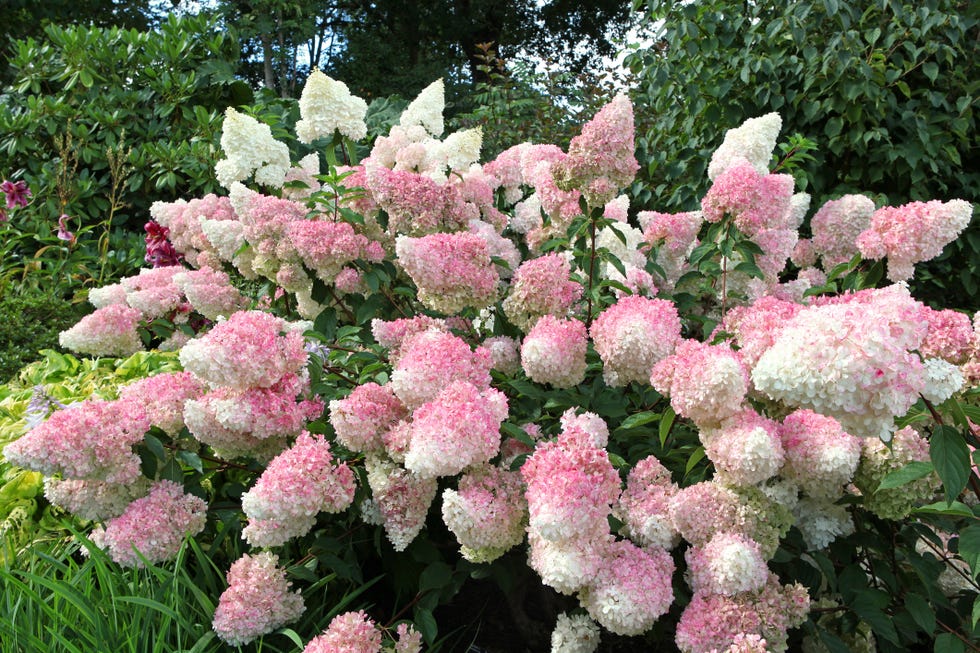
Alex Manders//Getty Images
Among the most dependable hydrangeas, with cone-shaped blooms that emerge white and often age to pink. It flowers mid-summer and blooms last until fall.
● Botanical Name: Hydrangea paniculata
● Mature Size: 8–15 ft. tall and 6–12 ft. wide
● Zones: 3–8
● Sun: Full sun to part shade
● Best Uses: Specimens, hedges, mixed borders
● Pests/Diseases: Few issues; occasional aphids or mildew
● Special Notes: Extremely cold-hardy
Oakleaf Hydrangea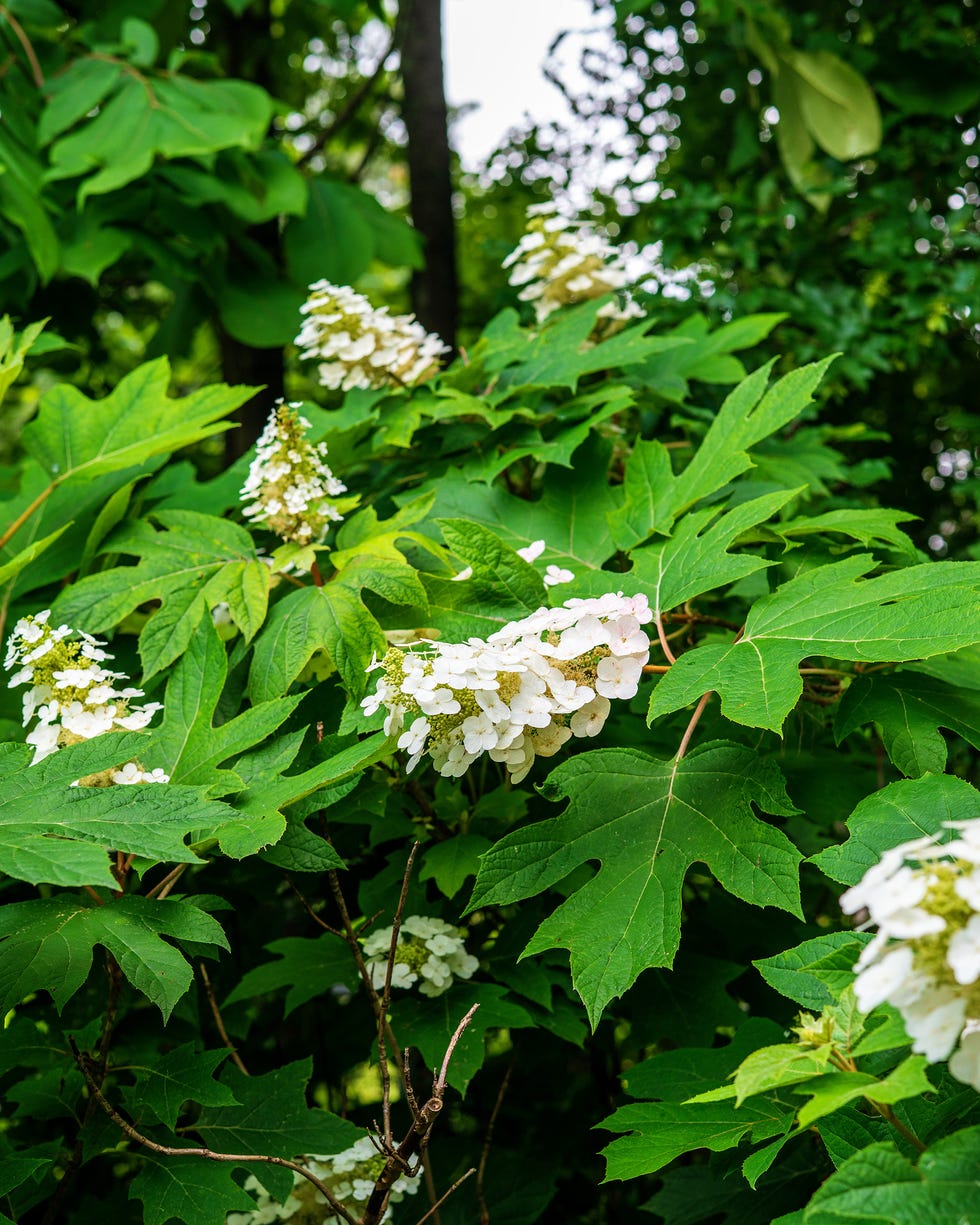
Courtesy of Debbie Wolfe
A native species valued as much for its foliage as its flowers. Oak-shaped leaves, cone-shaped blooms, and rich fall color give it a lasting presence. They bloom midsummer with long-lasting blooms that stick around until autumn.
● Botanical Name: Hydrangea quercifolia
● Mature Size: 6–8 ft. tall and wide
● Zones: 5–9
● Sun: Part shade to full sun (afternoon shade in hot climates)
● Best Uses: Woodland gardens, naturalized areas
● Pests/Diseases: Occasional leaf spot or mildew
● Special Notes: Exfoliating bark and standout fall foliage
Smooth Hydrangea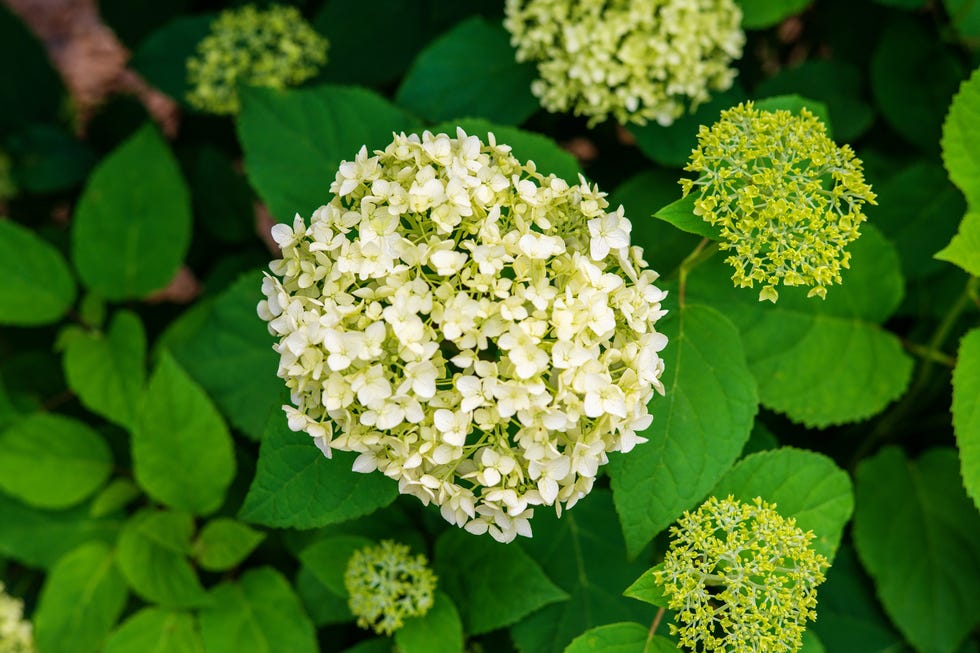
Courtesy of Debbie Wolfe
A North American native prized for its ease and consistency. Large white blooms appear on new growth, making it one of the most forgiving types to grow. These beauties bloom midsummer and offer showy blooms for weeks.
● Botanical Name: Hydrangea arborescens
● Mature Size: 3–5 ft. tall and wide
● Zones: 3–9
● Sun: Part shade to full sun (with adequate moisture)
● Best Uses: Borders, woodland gardens, mass plantings
● Pests/Diseases: Aphids, leaf spot, mildew
● Special Notes: Cold-hardy and dependable
Climbing Hydrangea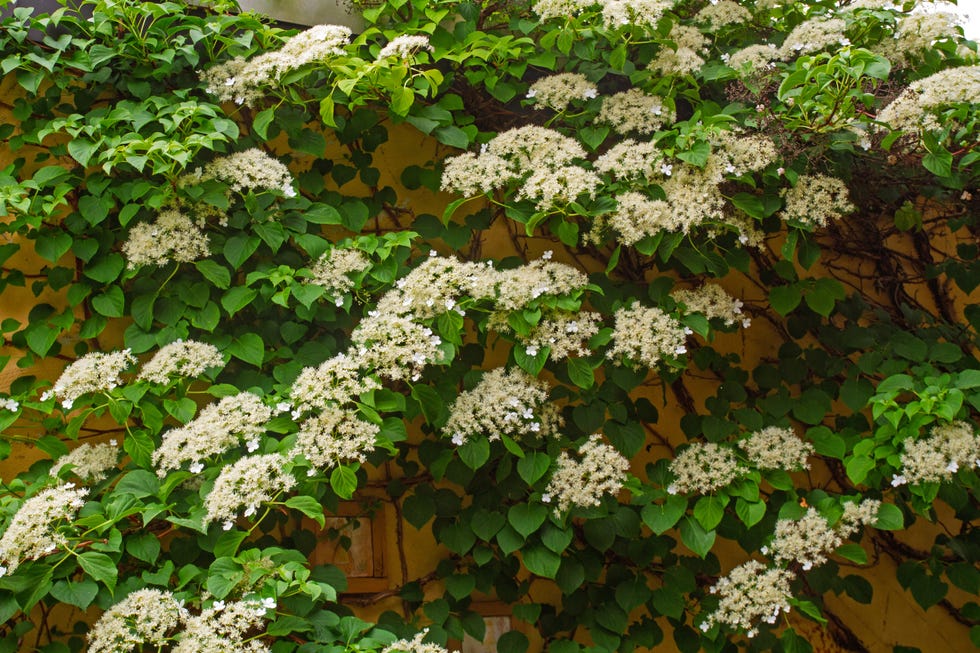
Elisabeth Schittenhelm//Getty Images
A patient but rewarding vine that clings to surfaces and produces delicate, lacecap-style blooms in shade and blooms midsummer.
● Botanical Name: Hydrangea anomala subsp. petiolaris
● Mature Size: 30–50 ft. long
● Zones: 4–8
● Sun: Part shade to full shade
● Best Uses: Walls, fences, arbors, tree trunks
● Pests/Diseases: Minimal; occasional aphids or leaf spot
● Special Notes: Clings without support
Liudmila Chernetska//Getty Images
Planting and Care
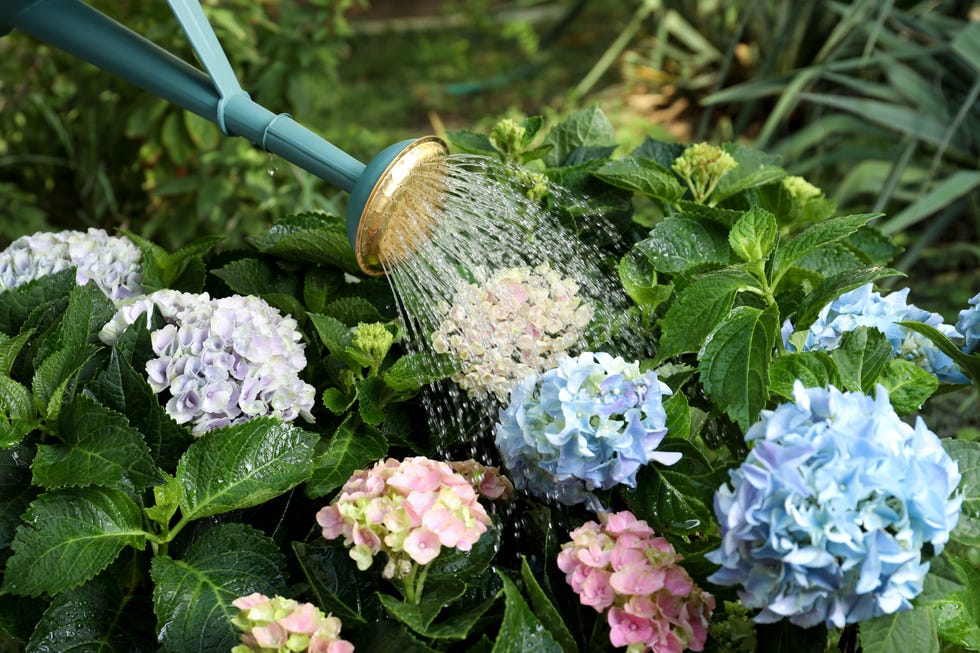
Hydrangeas are best planted in spring or fall, when temperatures are moderate. Always choose a site that matches the plant’s light needs first. Most hydrangeas benefit from morning sun with protection from harsh afternoon heat.
Then, prepare the soil by amending the planting site with organic matter to create a rich, well-draining environment. A good rule of thumb is to plant at the same depth as the root ball. Remember to allow enough space for mature growth; most varieties get as wide as they get tall!
Across all types, care is relatively straightforward. Consistent moisture is essential, particularly during the first year. Mulch helps retain that moisture while moderating soil temperature. A balanced fertilizer in spring supports healthy growth.
The Bottom Line
Hydrangeas are not difficult plants, but they have specific needs. The difference between frustration and success often comes down to choosing the right type. Match the plant to your conditions, and everything else becomes easier.

Debbie Wolfe is a writer, photographer, and author. She has contributed hundreds of home and garden articles and DIY tutorials to leading media outlets and retailers. Debbie covers all home and gardening topics and has published hundreds of DIY tutorials with step-by-step photography for leading home and garden media outlets.
Comments are closed.