
Recently, I was reading about how complex Viola (violets) can be —
especially how difficult it is to distinguish species based on morphology alone.
That made me rethink something in my own observations.
—
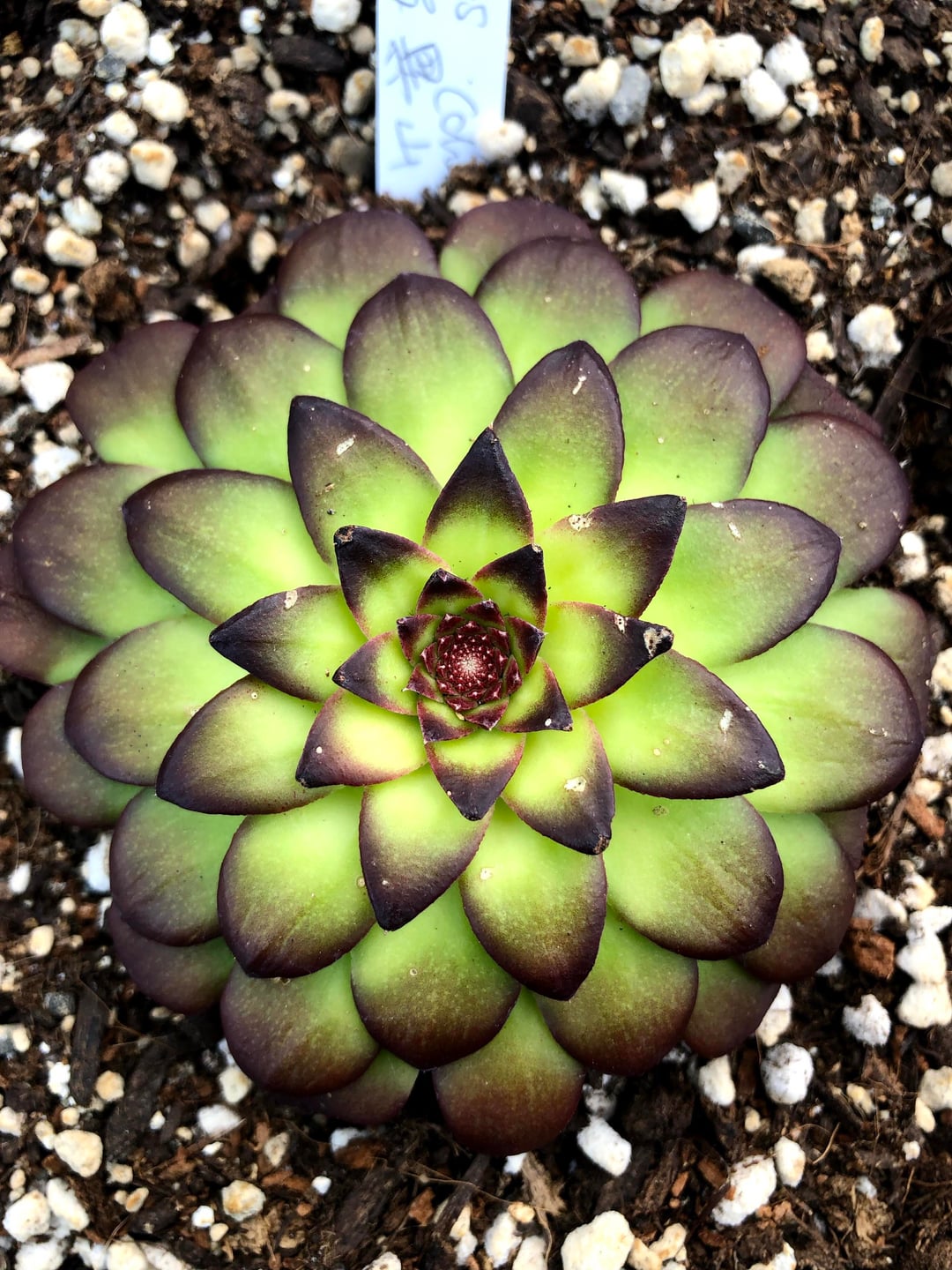
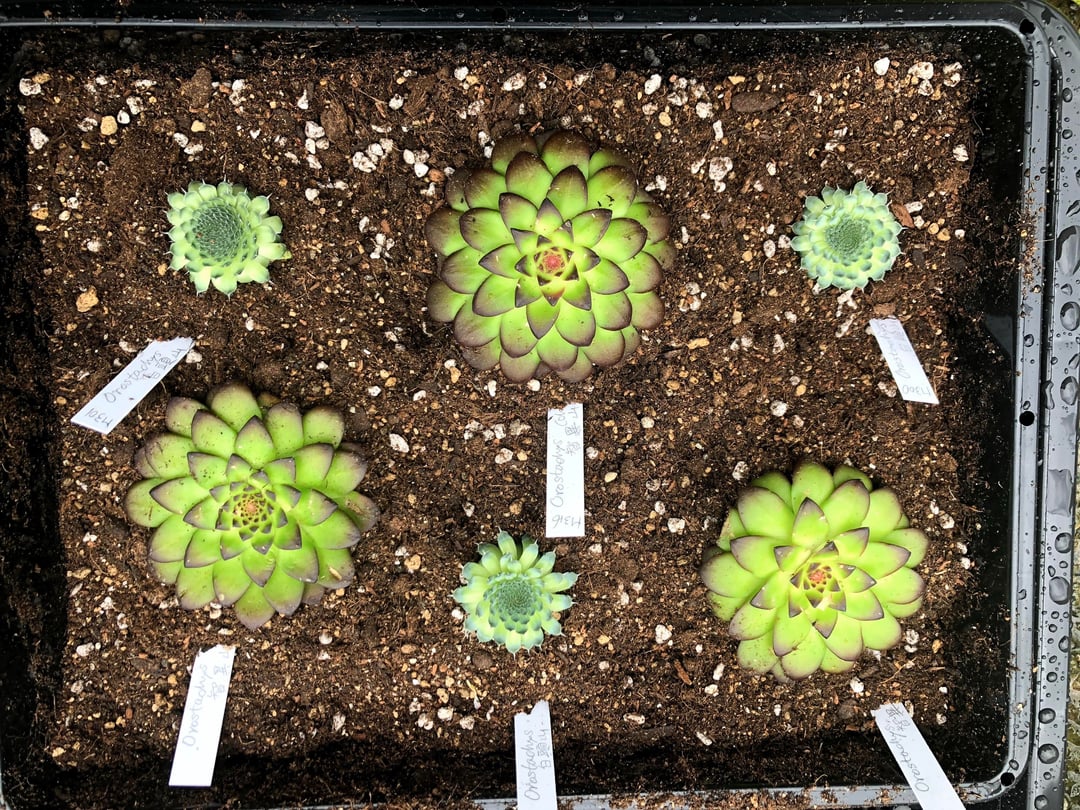
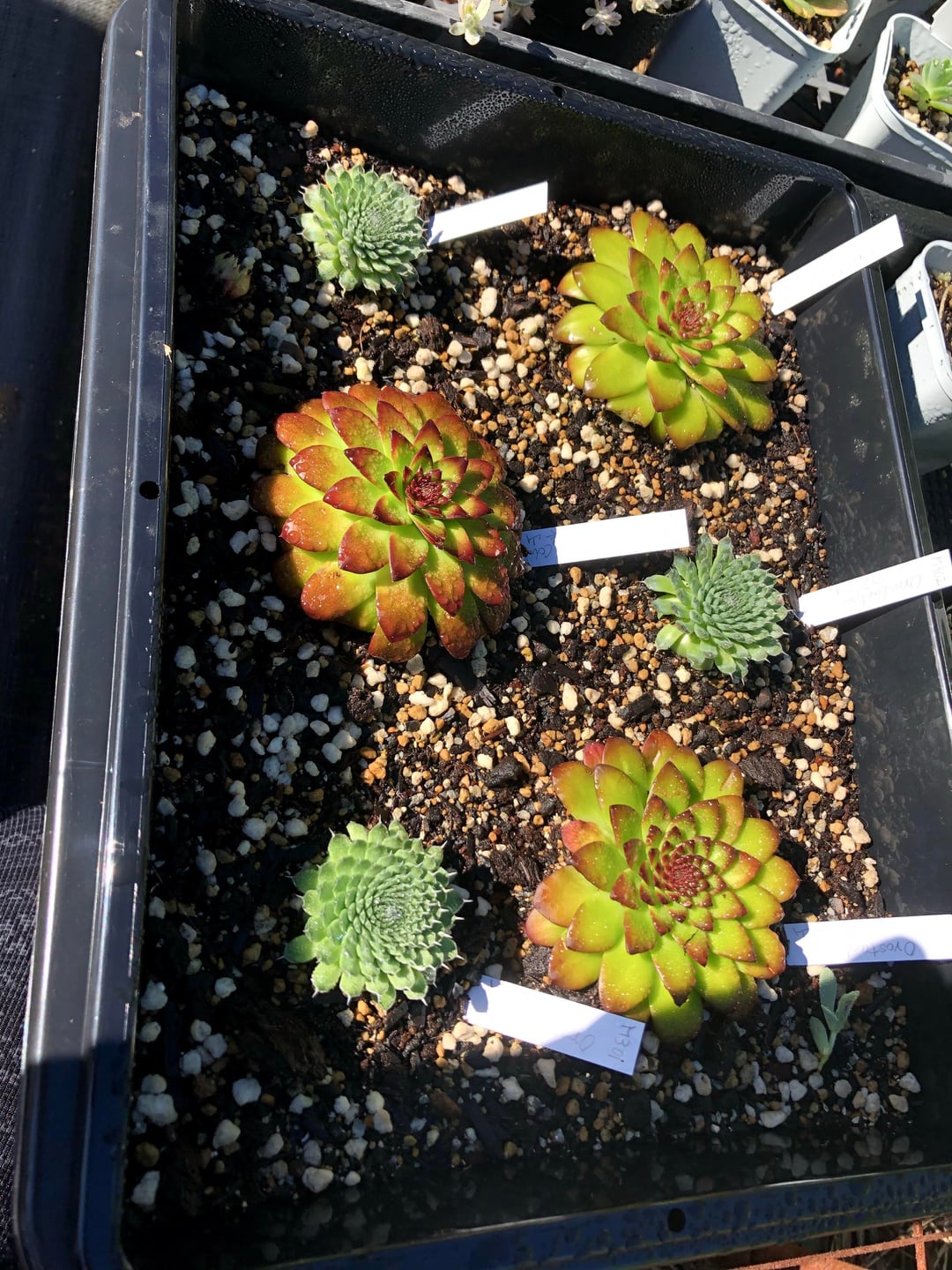
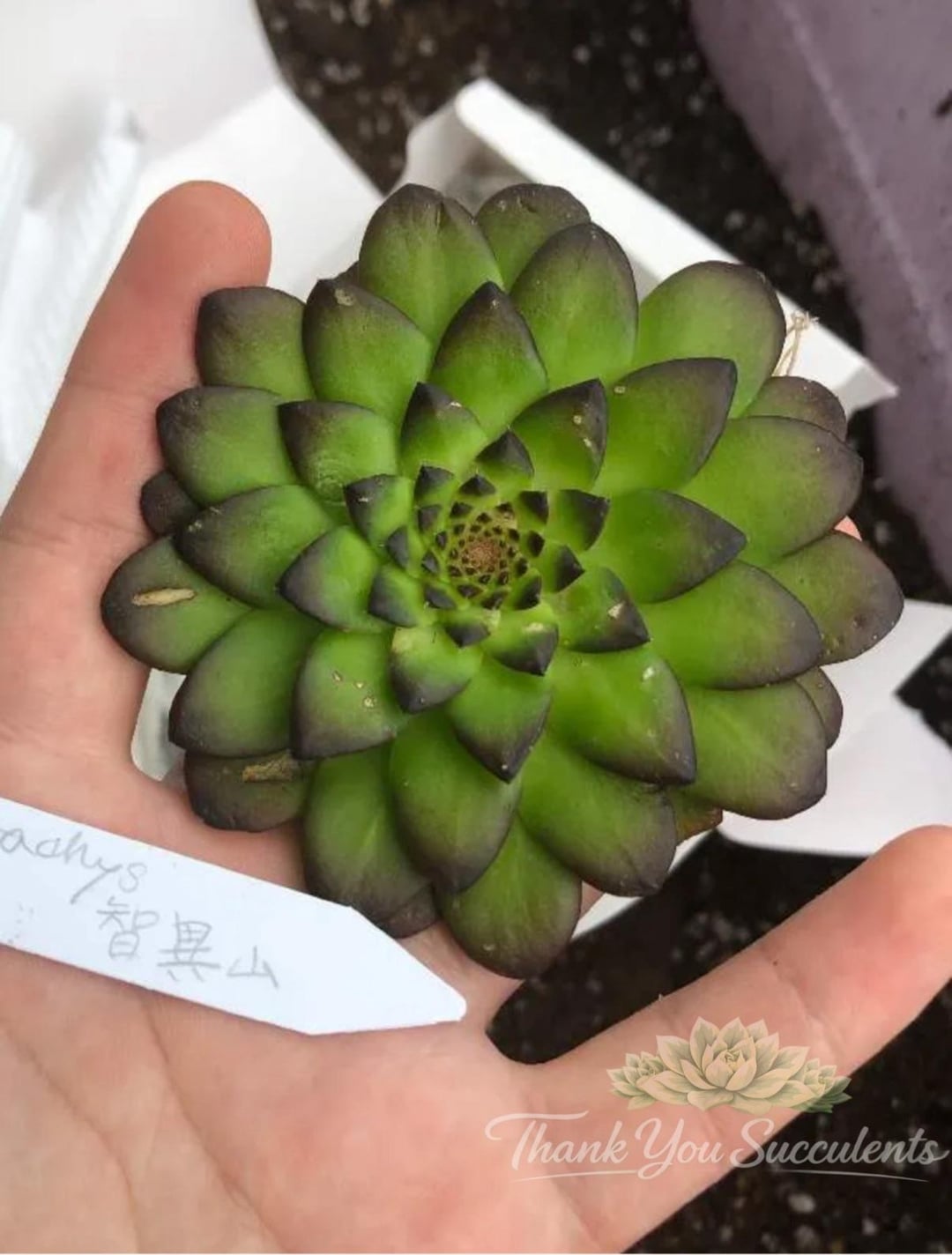
I’ve been growing an Orostachys from a cultivated line
attributed to Mt. Jirisan (Korea, ~1925 m).
At first glance, it resembles what is often identified as Orostachys margaritifolia.
But after observing it under cultivation, I started to question that.
—
• The morphology changes significantly depending on environment
• Growth form becomes more stable in lowland conditions
• Some traits overlap with multiple species concepts
—
So now I’m not sure:
Is this really a distinct species?
Or just an environmental form of a broader complex?
—
In Viola, I learned that relying only on appearance can be misleading.
I’m starting to feel the same might apply here.
—
How reliable do you think morphology is
when identifying plants from cultivated material?
Would love to hear your thoughts.
by thxtaniku
2 Comments
There’s a reason plant taxonomy was historically based off flower morphology rather than vegetative morphology.
And that wasn’t enough so now DNA is often called upon.
And even that isn’t perfect.
Morphology tends to be hard… you have them in the same conditions but the same species could just be bereft of pigments and react differently to uv/ sunlight. Or even circulate hormones differently etc… stress can throw things all out the window for general morphology! I think ultimately, for botanists there’s a huge need for a genetic renaissance and restructuring of systematics accurately through real genetic code data. My 2cents