
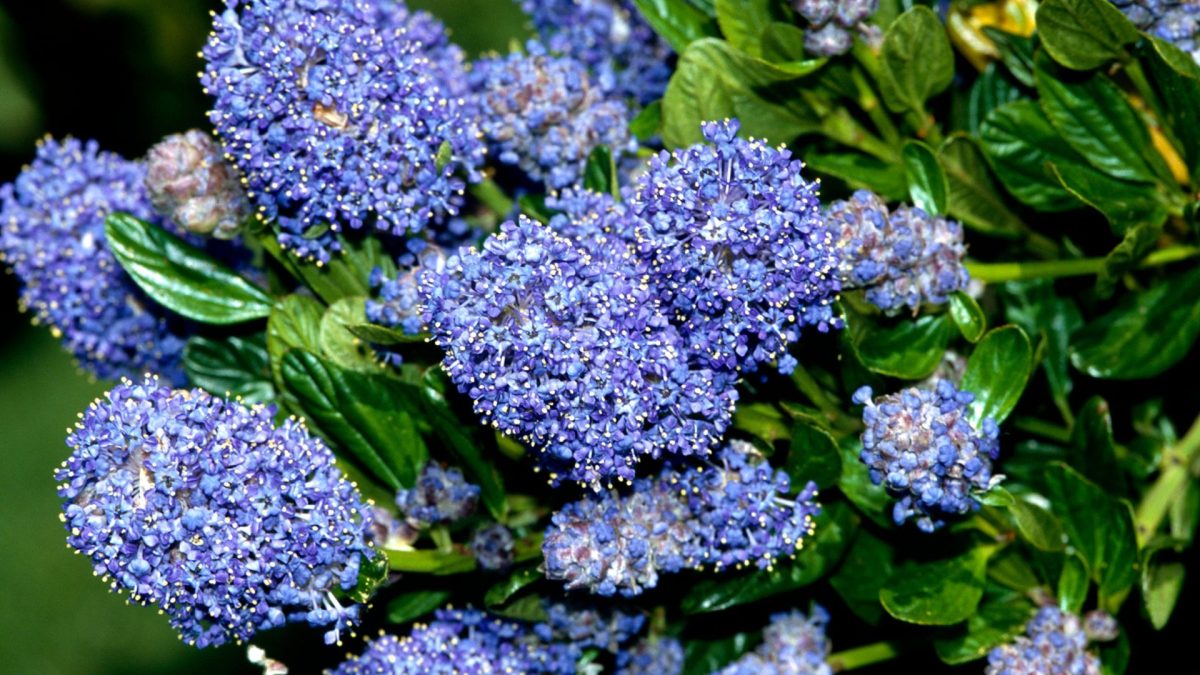
With the changeable weather common when the blackthorn flowers in the hedgerows, gardeners can pause before the main spring sowing and planting begins and tend those evergreen shrubs that have been the backbone of the garden all winter. Typically, arranging for a third of your shrubs to be evergreens means the garden should not be too stark in winter; twice as many will give you a notably low-maintenance garden.
Cool weather, damp soil and rising light levels mean that new evergreens planted now will get rooted in time for the summer. Autumn planting is also good, but plants have to endure cold wet winter soils.
Where more evergreen shrubs are needed, Osmanthus burkwoodii – bearing fragrant white spring flowers and dignified foliage – is an easy one to find space for. It is a good substitute for box that cannot be grown in many regions thanks to the box tree caterpillar. Sarcococca, with its deep green arching stems and scented winter flowers, is another plant that is hard to have too much of, growing well even in shady areas. Choisya × dewitteana ‘Aztec Pearl’ is exceptionally useful, providing mounds of bright green and spring flowers.
New FeatureIn ShortQuick Stories. Same trusted journalism.
Shrubs in the wrong place can be dug up and moved now as well, especially if planted for less than five years. As with new shrubs, they will need careful summer watering until they can grow new roots. Shrubs have more compact root systems than trees and need less staking after moving. If necessary, prune off a third of the shoots to reduce the water loss – more than a third risks insufficient leaves to sustain the roots and allow the shrub to grow.
Now is a good time to prune evergreen shrubs. Lavenders, rosemary, santolina and similar shrubs get woody if not regularly pruned. Trimming just before growth begins promotes new shoots that will flower in summer.
Some gardeners favour late summer pruning after flowering, but spring pruning seems to work best.
Where overlarge evergreen shrubs need to be reduced in size – Mahonia is a typical example – shorten all shoots by up to a third to maintain a pleasing shape. Public garden shrubs tend to be trimmed to a rounded blob, which won’t harm them and makes for neatness, but a more sympathetic gardener will aim to retain their form. Spring-flowering shrubs such as Camellia and Choisya are pruned immediately after flowering.
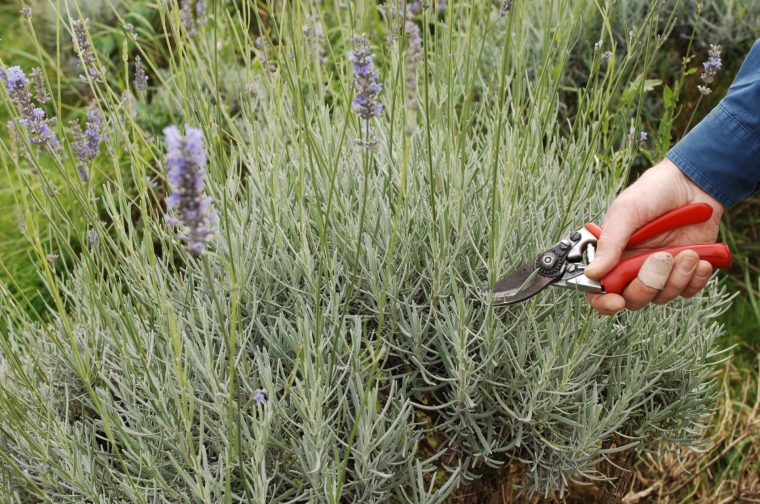 Now is the time to prune lavender (Photo: John Trenholm)
Sometimes shrubs get overlarge, typically because they provide privacy which the gardener is unwilling to lose, but eventually renovation becomes unavoidable. In almost all cases, evergreen shrubs, rhododendrons included, recover even if cut back to mere stumps. Doing this now, when there will be all summer to recover, is the best time for renovation. Be wary, however, with slow-growing shrubs such as hollies, as you can be left with a gap for some years. Trimming, as with a hedge, might be a better solution in such cases.
Variegated shrubs, in moderation, provide brightness and interest, particularly in winter. However, over time, the variegated shoots “revert” to all green. These, having more chlorophyll, outgrow the variegated ones, taking over surprisingly quickly unless snipped out.
Fertilising evergreen shrubs in spring might help following heavy pruning. In most cases, however, mulching with organic matter such as bark chips is sufficient. Fertiliser leads to growth and more pruning, which most gardeners will seek to avoid. Yellow spring foliage, often seen in laurels and ceanothus, usually resolves itself without fertiliser as the soil warms and their roots can seek out more nutrients.
The RHS is a charity inspiring everyone to grow via its research, advisory, outreach, shows and gardens. For more information, visit: rhs.org.uk
Comments are closed.