
Image Credit: Shutterstock.
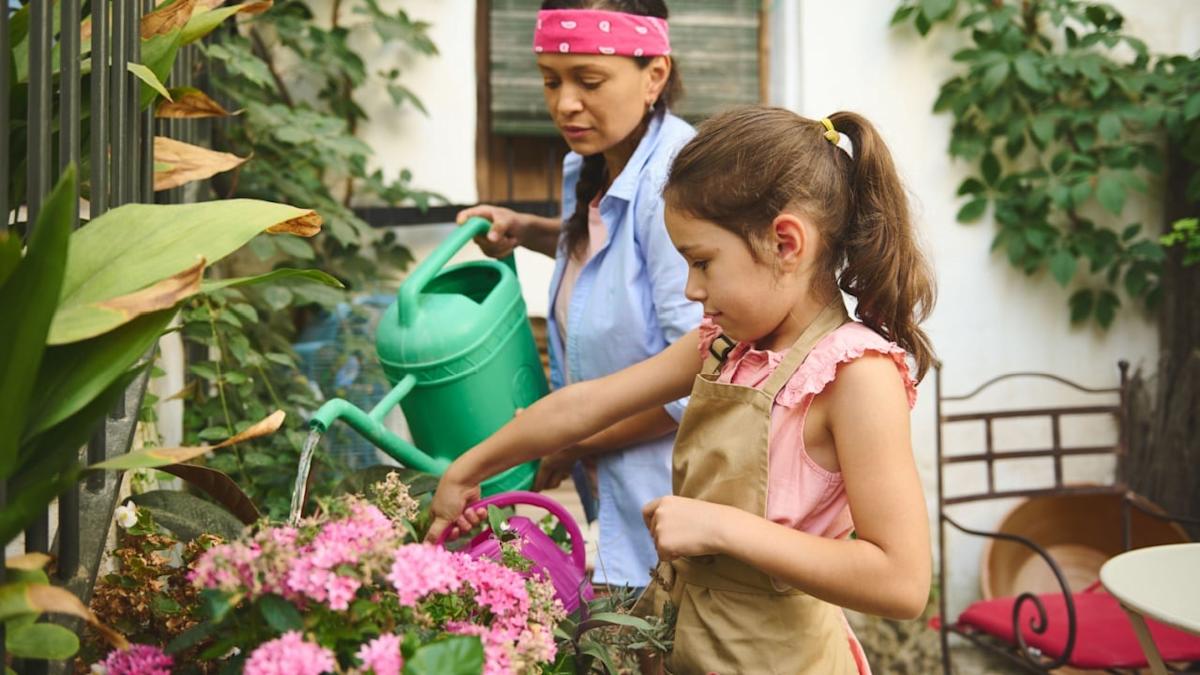
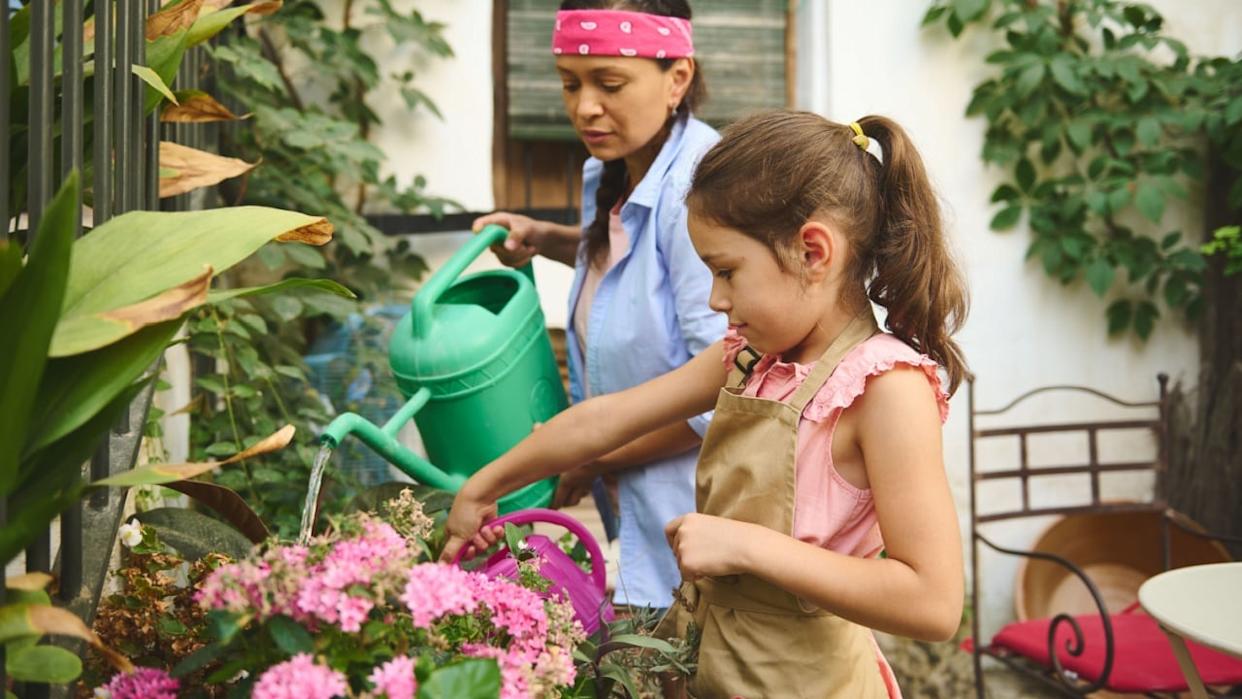
Your garden is probably not failing because of your technique. It’s failing because of something you never thought to check – your soil.
That’s the insight buried in almost every expert guide to beginner gardening: an estimated 75 percent of first-year gardening failures trace directly to soil condition, according to Mother Earth News. It’s not your watering habits, not the seeds you chose, and not your commitment level. The problems begin underground, and most beginners never look there.
Beginners tend to focus on the visible stuff: which tomatoes to buy, how often to water, and whether to use a raised bed or plant in the ground. All of that matters, eventually. But experienced gardeners know that what’s happening in your soil — its structure, drainage, pH, and biological activity — determines whether any of it will work.
If you’re planning your first garden this spring, or trying to rescue a disappointing one from last year, these 13 mistakes are worth addressing before you plant a single thing.
1. Skipping the Soil Test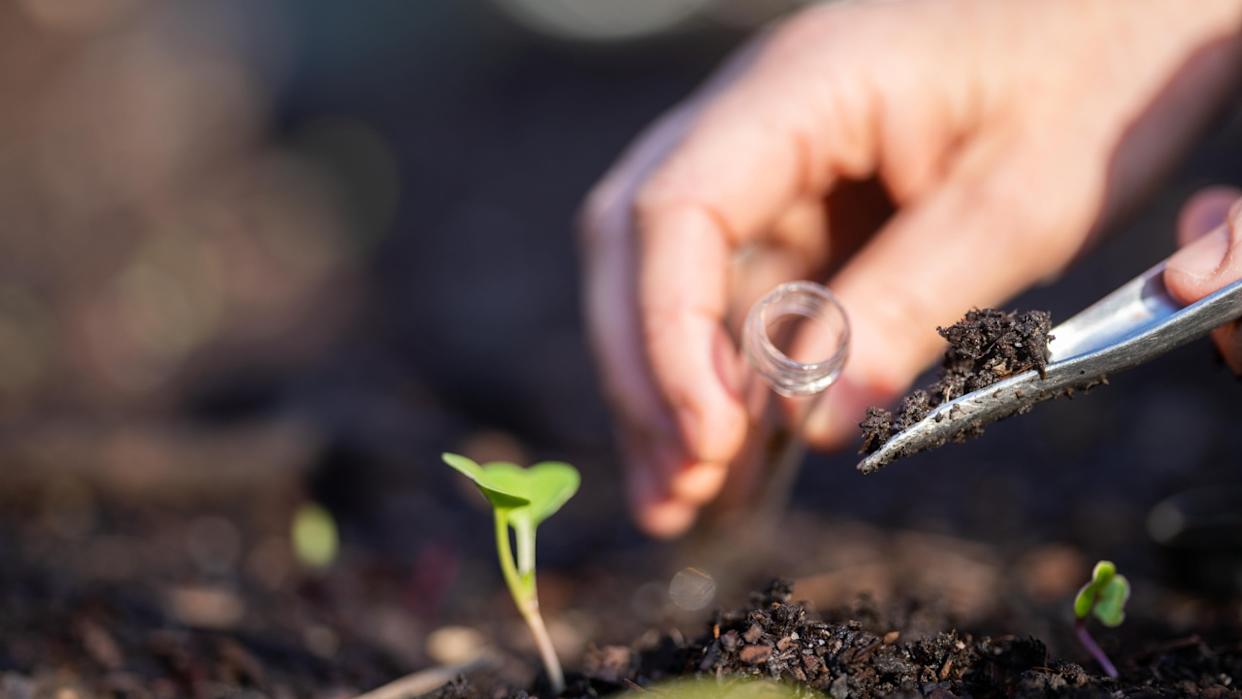
Image Credit: Shutterstock.
This is the most consequential mistake on the list. A soil test reveals pH levels, key nutrient deficiencies, and whether your soil contains lead or other contaminants — a genuine issue in many suburban and urban yards. The U.S. Department of Agriculture recommends testing soil before growing food, and most university Cooperative Extension offices offer testing at low or no cost.
Soil pH directly controls whether plants can absorb the nutrients already present. You can add all the compost in the world to soil with a severely off-balance pH and see very little improvement. According to UGA Cooperative Extension agent Laura Ney, the soil test should be the very first step in starting any garden.
2. Treating Sunlight as Optional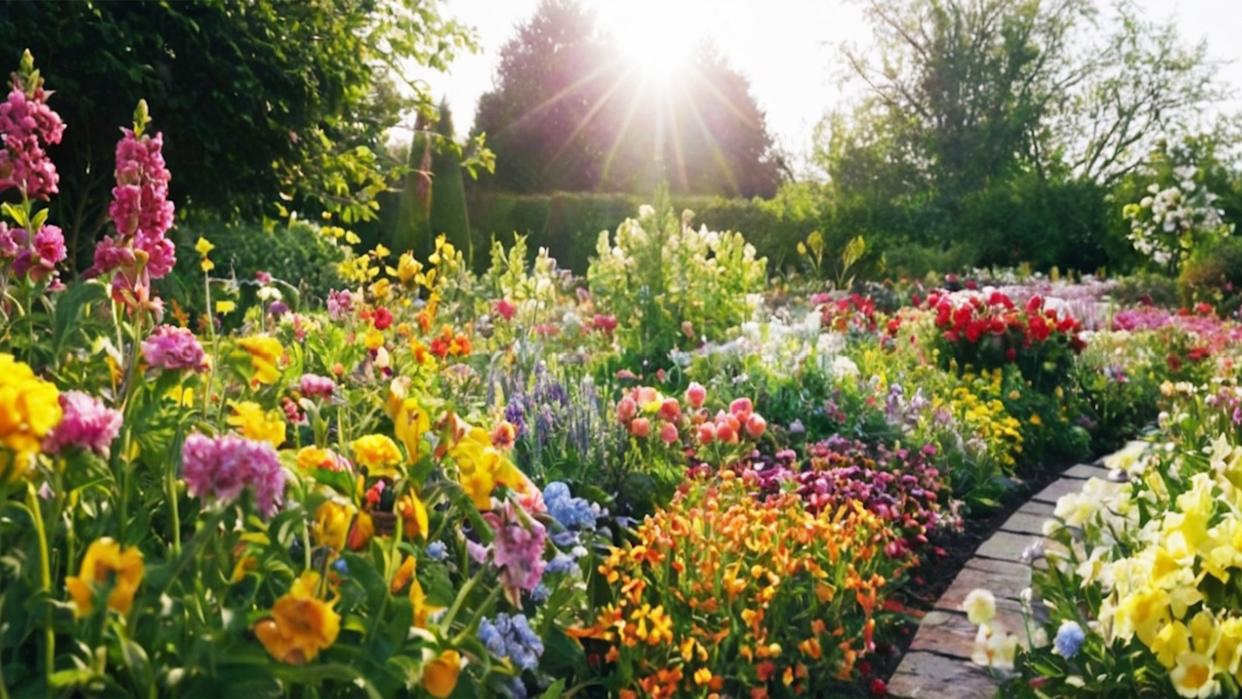
Image Credit: Shutterstock.
Most vegetables need a minimum of 6 to 8 hours of direct sun per day, and for fruiting crops like tomatoes and peppers, that minimum is non-negotiable, according to horticulturist Bret Douglas of Ironclad Landscape Management. Insufficient sun doesn’t just slow growth; it makes plants more susceptible to disease and produces disappointing yields, no matter how well everything else is managed.
The good news: leafy greens, many herbs, and some berries tolerate partial shade. Map how sunlight moves through your yard across the day before choosing your planting location.
3. Planting Where You Can’t See It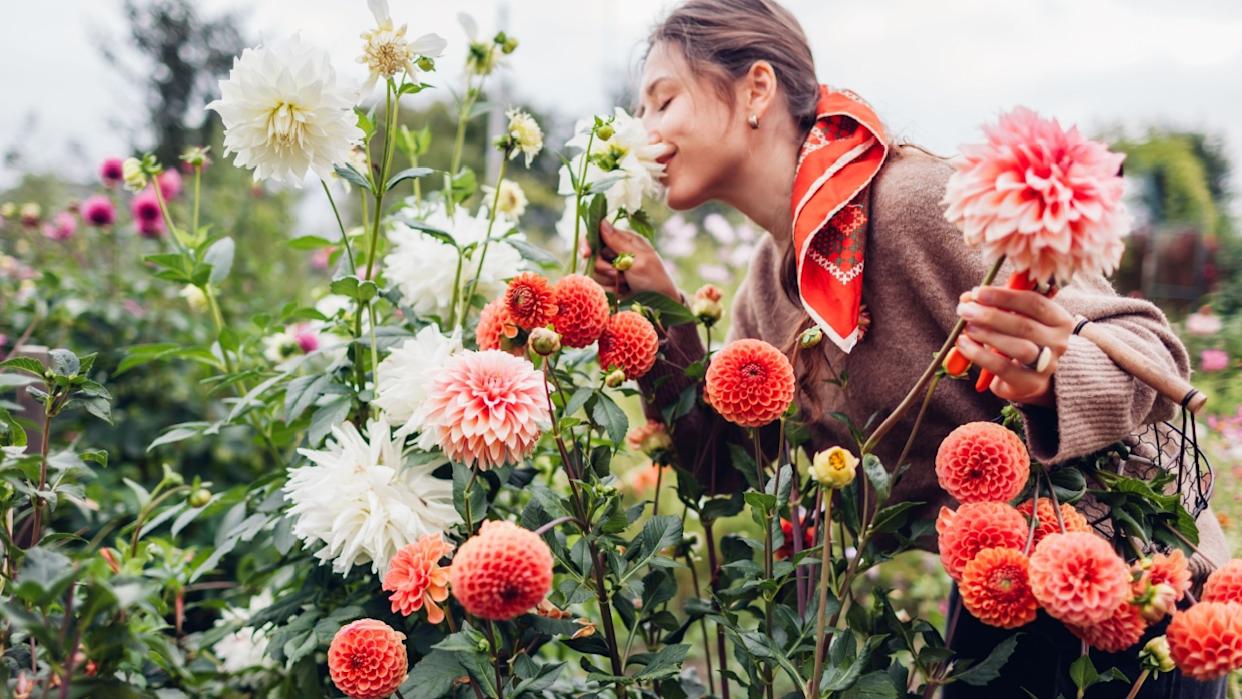
Image Credit: Shutterstock.
The old saying “out of sight, out of mind” is one of the most practically important truths in gardening. Gardens tucked in a back corner tend to get neglected. Farmer Bryn Bird of Bird’s Haven Farms in Granville, Ohio, notes in Architectural Digest: “Your garden is a part of your life, not something that you just put in the corner and are not engaging with every day.” Choose a spot you already walk past regularly.
4. Starting Too Big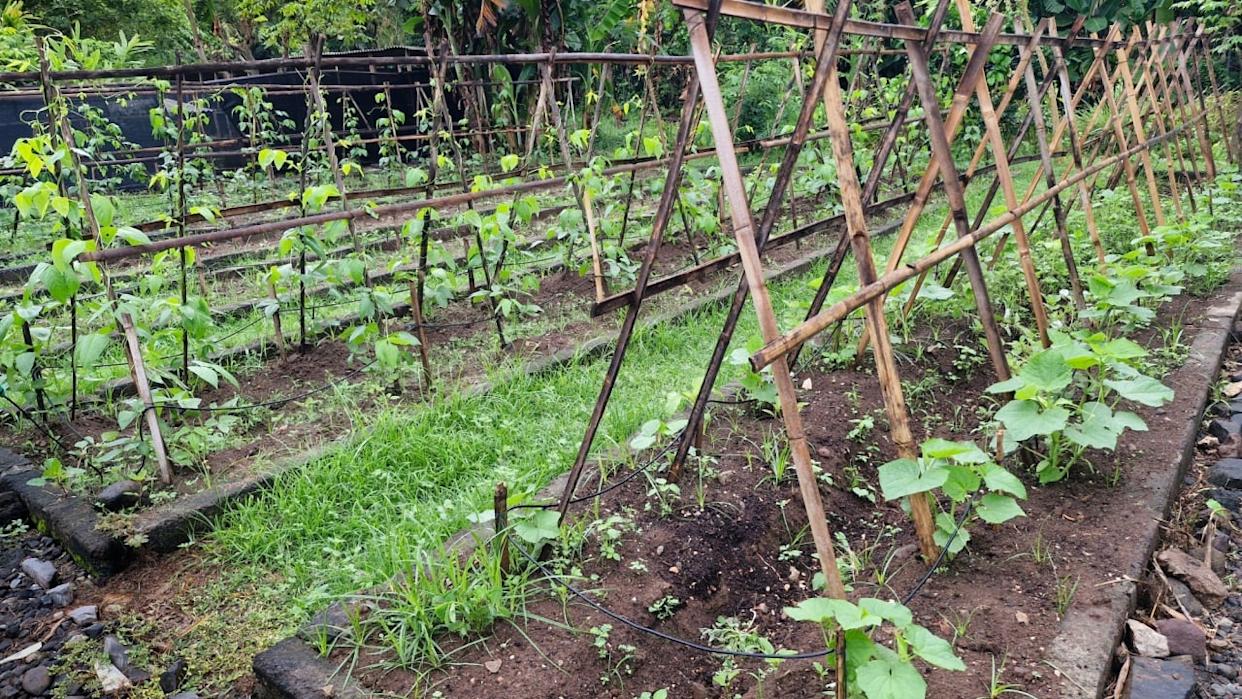
Image Credit: Shutterstock.
Bigger is not better in a first garden. A 4-by-4 raised bed or a 10-by-10 in-ground plot is the ideal beginner footprint, according to the Old Farmer’s Almanac. A small, well-tended patch will consistently out-produce a large, neglected one. The Almanac’s time-tested rule applies: it is better to be proud of a small garden than frustrated by a big one.
5. Planting What Looks Good, Not What You Eat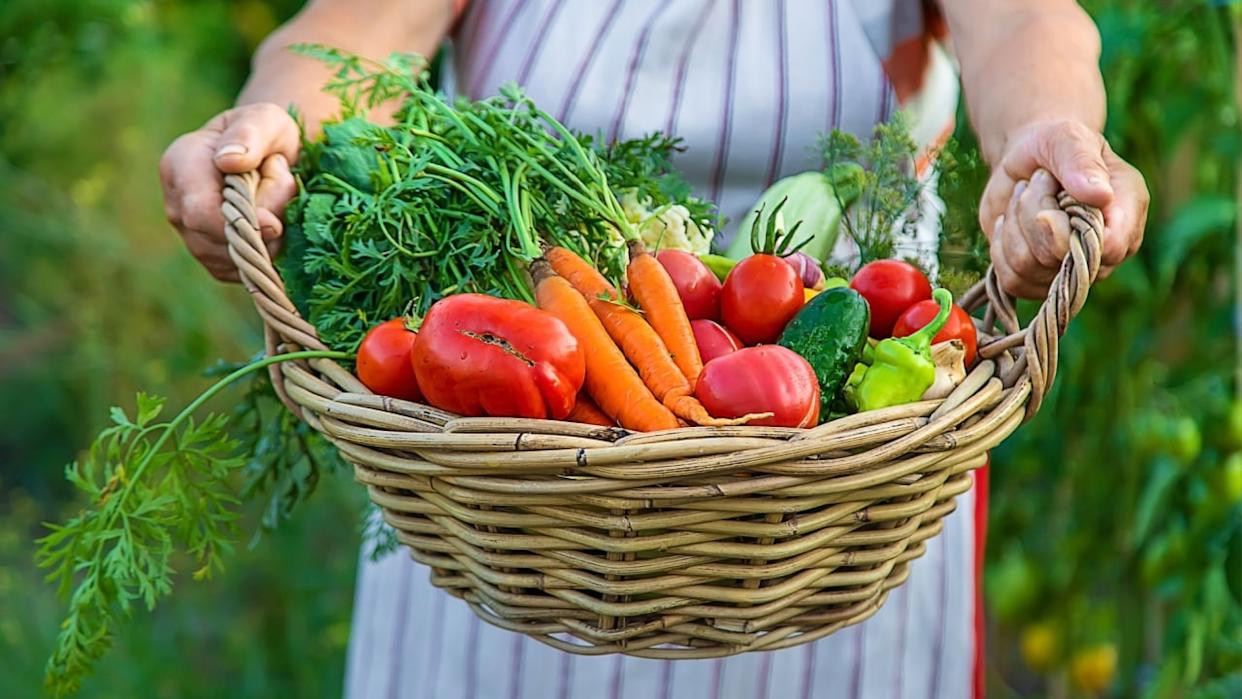
Image Credit: Shutterstock.
Horticulturist Brie Arthur, cited in Architectural Digest, recommends tracking what you cook and eat for a week or two before choosing crops, then growing those staples. The motivation to tend a garden is directly tied to whether you actually want what it produces. Trendy or visually appealing plants you never cook with become obligations, not rewards.
6. Overwatering With Good Intentions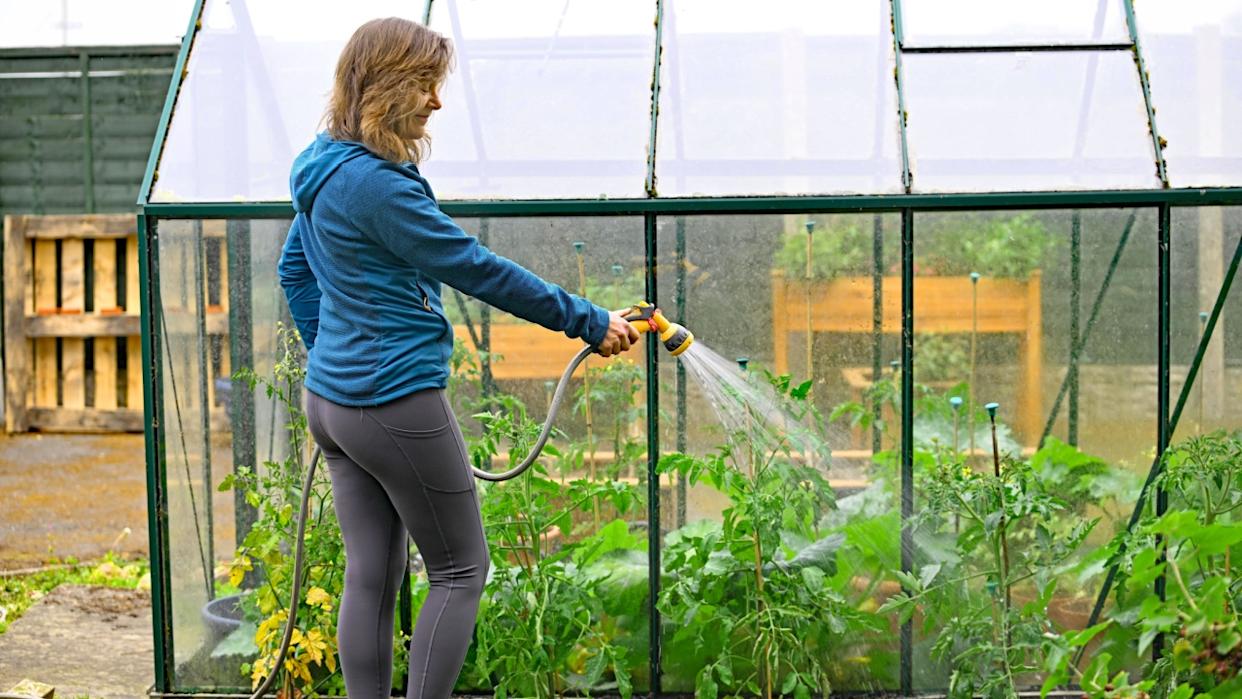
Image Credit: Shutterstock.
More water is not more care. Overwatering weakens roots, encourages rot, and starves plants of the oxygen they need in the soil. Gardener Anthony Urso, speaking with USA Today’s 10 Best, recommends checking moisture an inch below the soil surface: if the lower layers are still damp, the plant doesn’t need water yet. Water at the base of plants, not overhead, and water in the morning so foliage dries before nightfall.
7. Ignoring Spacing Requirements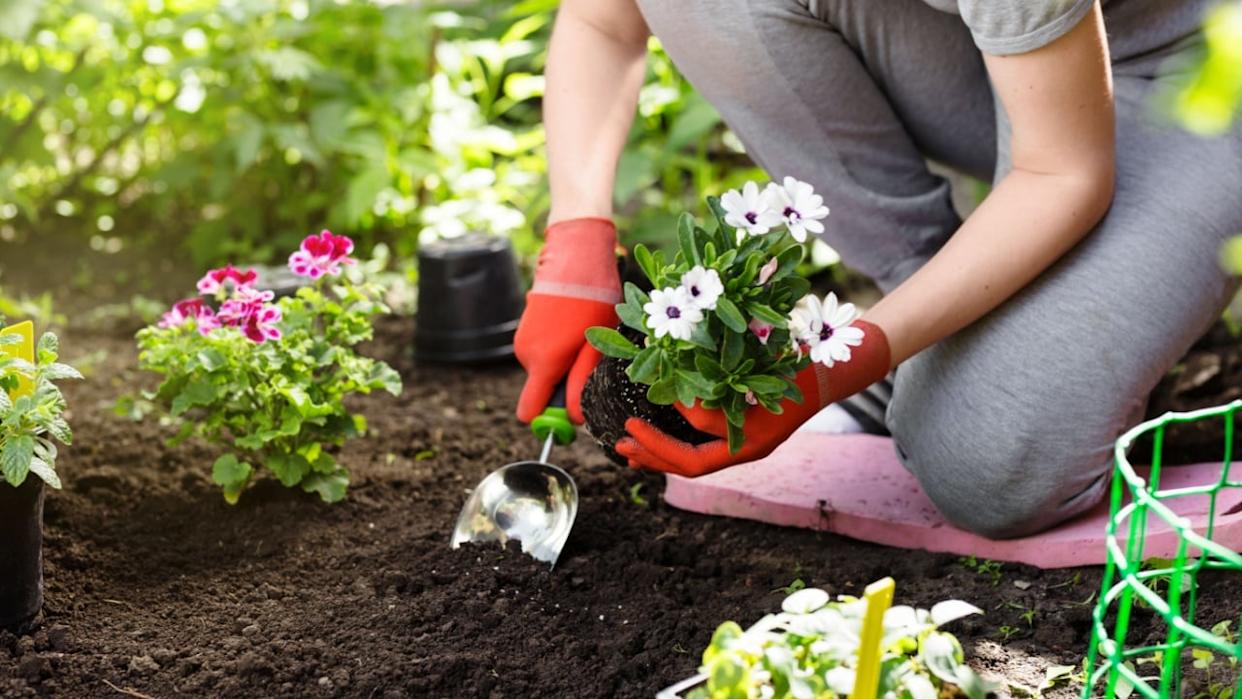
Image Credit: Shutterstock.
Those numbers on the seed packet exist for a reason. When plants are placed too close together, they compete for water, nutrients, and light, and the poor air circulation between them invites disease. Juliet Howe, a horticulturalist and founder of Twigs Designs, puts it memorably in USA Today: don’t plant so much that you’re leaving zucchini in your neighbor’s mailboxes before sunrise. Respect the spacing.
8. Adding Sand to Clay Soil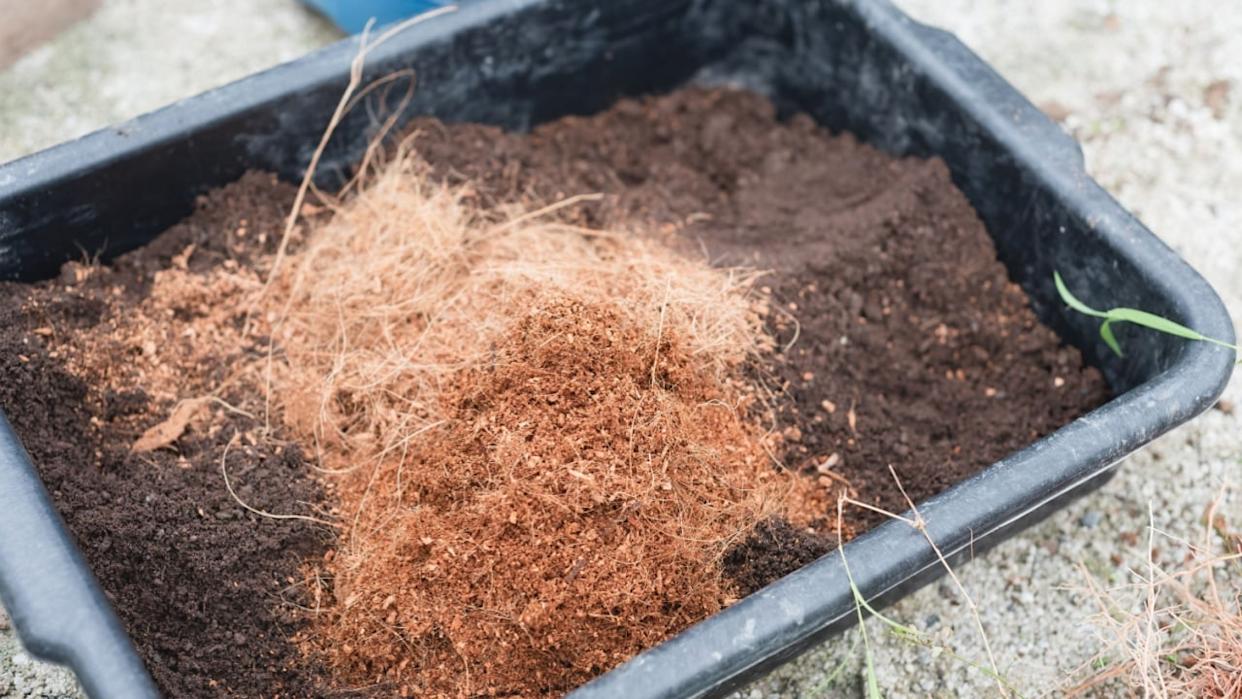
Image Credit: Shutterstock.
This one circulates so persistently online that it deserves special mention. Adding sand to clay soil does not improve drainage. It creates a near-concrete hardness that is worse than the original problem. If you have heavy clay soil, the correct amendment is compost, worked in generously and repeatedly over multiple seasons. Penn State Extension confirms this before you haul anything home from the hardware store.
9. Going to the Store Before Making a Plan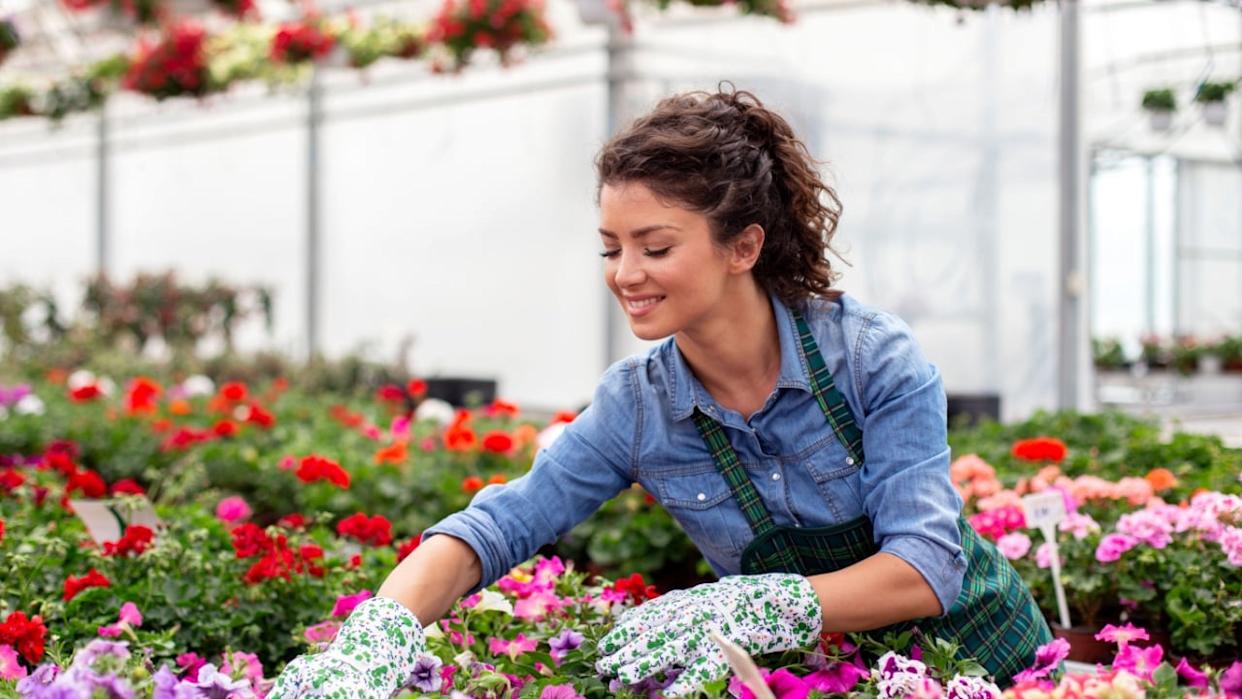
Image Credit: Shutterstock.com.
Garden centers are designed to sell you things you weren’t planning to buy. Nicole Burke of Gardenary describes walking into a garden store without a plan as one of the fastest ways to overspend and end up with plants that don’t fit your space, sun, or climate. Walk your yard first. Know your square footage. Decide what you want to grow. Then shop with a list.
10. Using Fresh Wood Chips in Garden Beds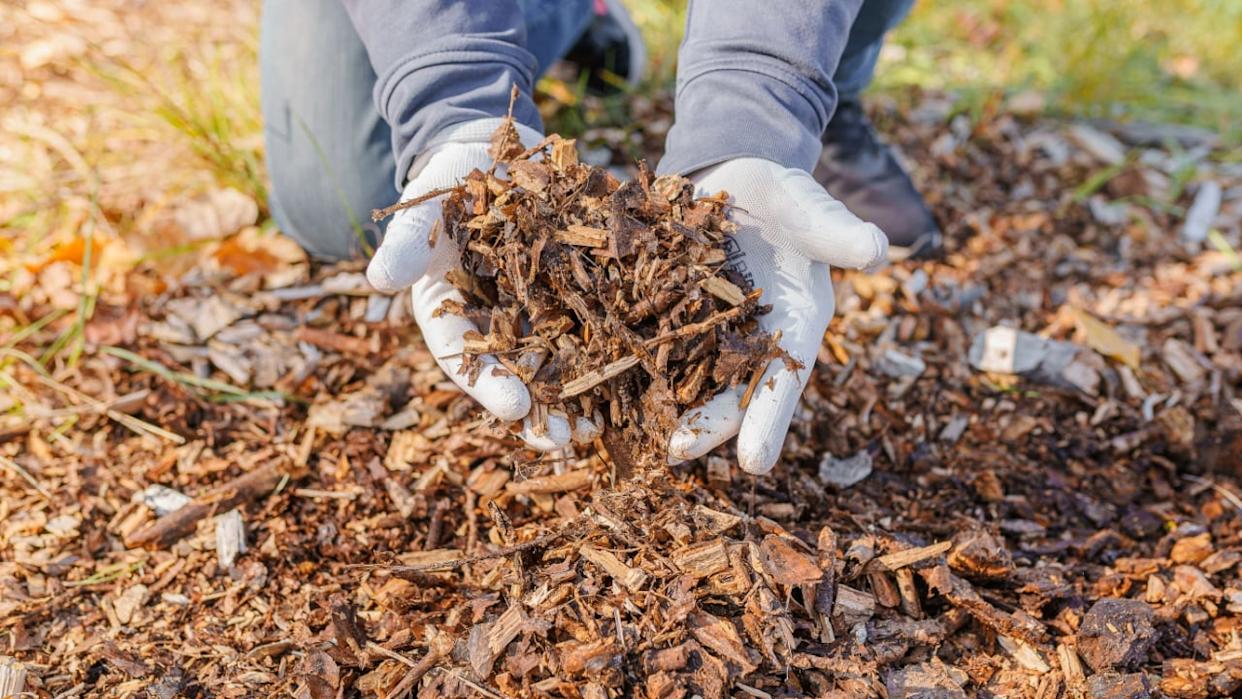
Image Credit: Shutterstock.
If you recently had a tree removed and have chips on hand, don’t add them directly to your planting beds. Freshly chipped wood pulls nitrogen away from plants as it decomposes and generates significant heat that can damage roots. UGA Cooperative Extension’s Laura Ney recommends allowing wood chips to age and decompose for six months to a year before incorporating them into garden soil.
11. Choosing the Wrong Crops for Your Zone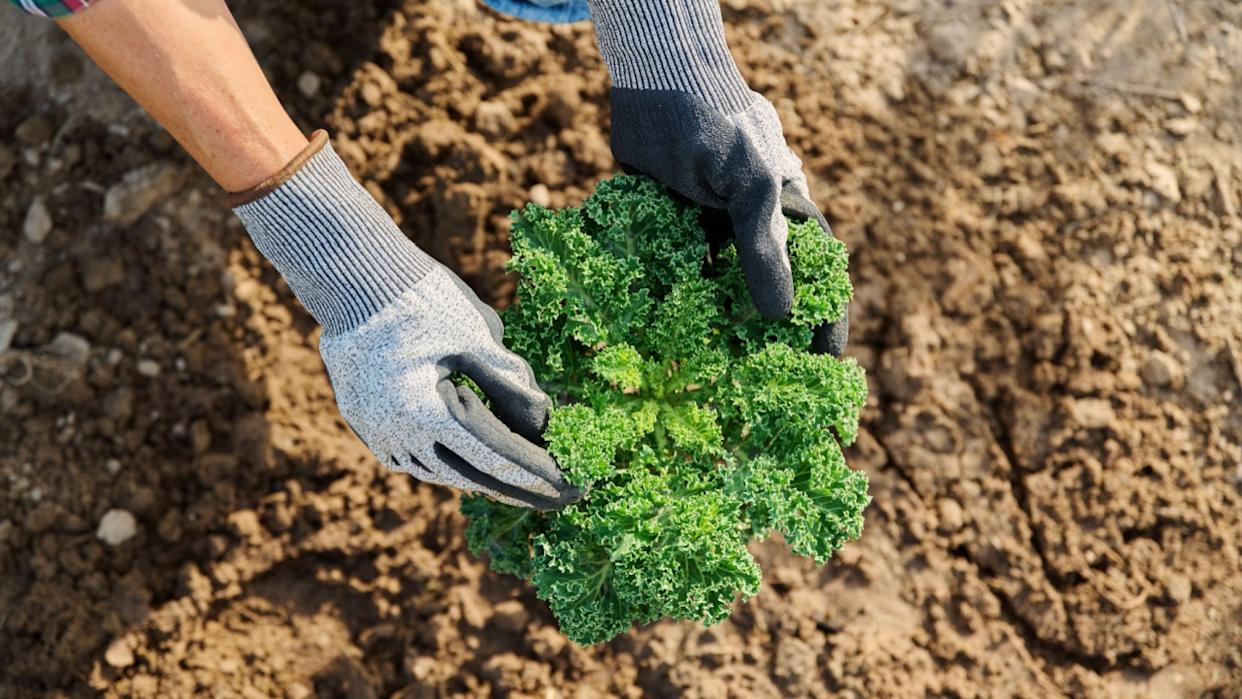
Image Credit: Shutterstock.
Plants are not regionally interchangeable. As gardener Ashley Nussman-Berry notes in Architectural Digest, planting crops that won’t survive in your climate zone is “setting up your garden for failure,” regardless of how well you care for them. Look up your USDA Plant Hardiness Zone by ZIP code before buying a single seed or transplant. Zone information is printed on most seed packets and plant tags.
12. Buying the Cheapest Materials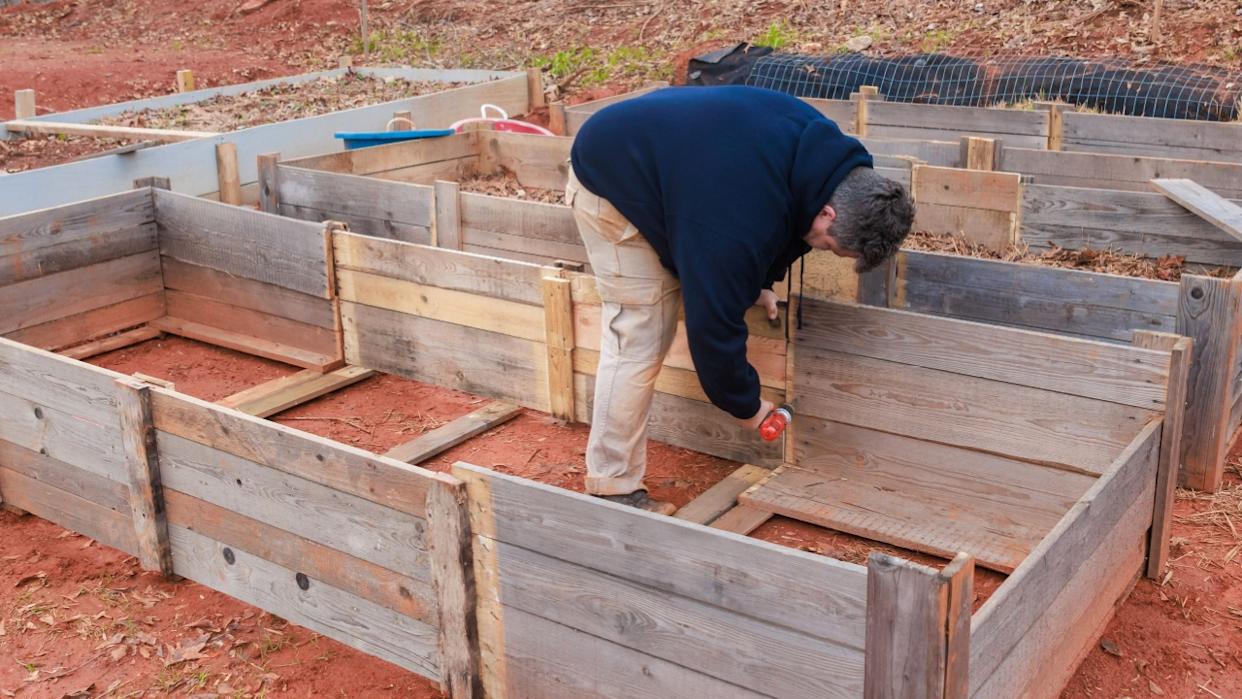
Image Credit: Shutterstock.
Starting a raised bed? Invest in durable wood — cedar is the standard recommendation. Thin pine boards can rot within a single season, requiring replacement before year two, according to Nicole Burke of Gardenary. The same principle applies to soil: cheap potting soil or straight native garden soil in a raised bed lacks the drainage, nutrients, and water-holding capacity your plants need. A well-built bed with quality soil is a multi-year investment.
13. Skipping the Planting Journal
Image Credit: Shutterstock.
Writing down what you planted, where you planted it, and how it performed is one of those practices that feels unnecessary until you desperately wish you’d started it. The David Suzuki Foundation recommends keeping a planting journal or, at a minimum, a photo map of your beds. Patterns in sun movement, pest pressure, and yield that are invisible in the moment become obvious across seasons.
One More Thing No One Tells You
Image Credit: Shutterstock.
The real surprise of gardening isn’t in the harvest. It’s in what happens to you while you’re out there.
The soil bacteria Mycobacterium vaccae, common in garden dirt and absorbed through inhalation, has been shown to increase serotonin levels and reduce anxiety, according to UNC Health. Gardening also reduces cortisol measurably more than reading indoors, according to a Dutch study cited by Eartheasy. And a large Stockholm study found regular gardening cuts stroke and heart attack risk by up to 30% for adults over 60.
There is no such thing as a black thumb. There are only plants that died for specific, diagnosable reasons — and gardeners who stopped before they figured it out.
Where to Start This Weekend
Image Credit: Shutterstock.
Before you buy a single plant this March, do three things: order or pick up a soil test through your local Cooperative Extension office, spend one day mapping how many hours of direct sun your chosen garden spot actually receives, and make a short list of vegetables and herbs your household eats every week. Those three actions will make every other decision easier and more likely to succeed.
Your first garden doesn’t need to be beautiful or ambitious. It needs to be manageable enough that you want to go back to it. Start small, tend it well, and expand when the results — not the optimism — earn it.
Read More
Do these 12 raised garden bed tasks before March ends, or lose your head start
12 vegetables to direct sow in the garden right now in March
Comments are closed.