
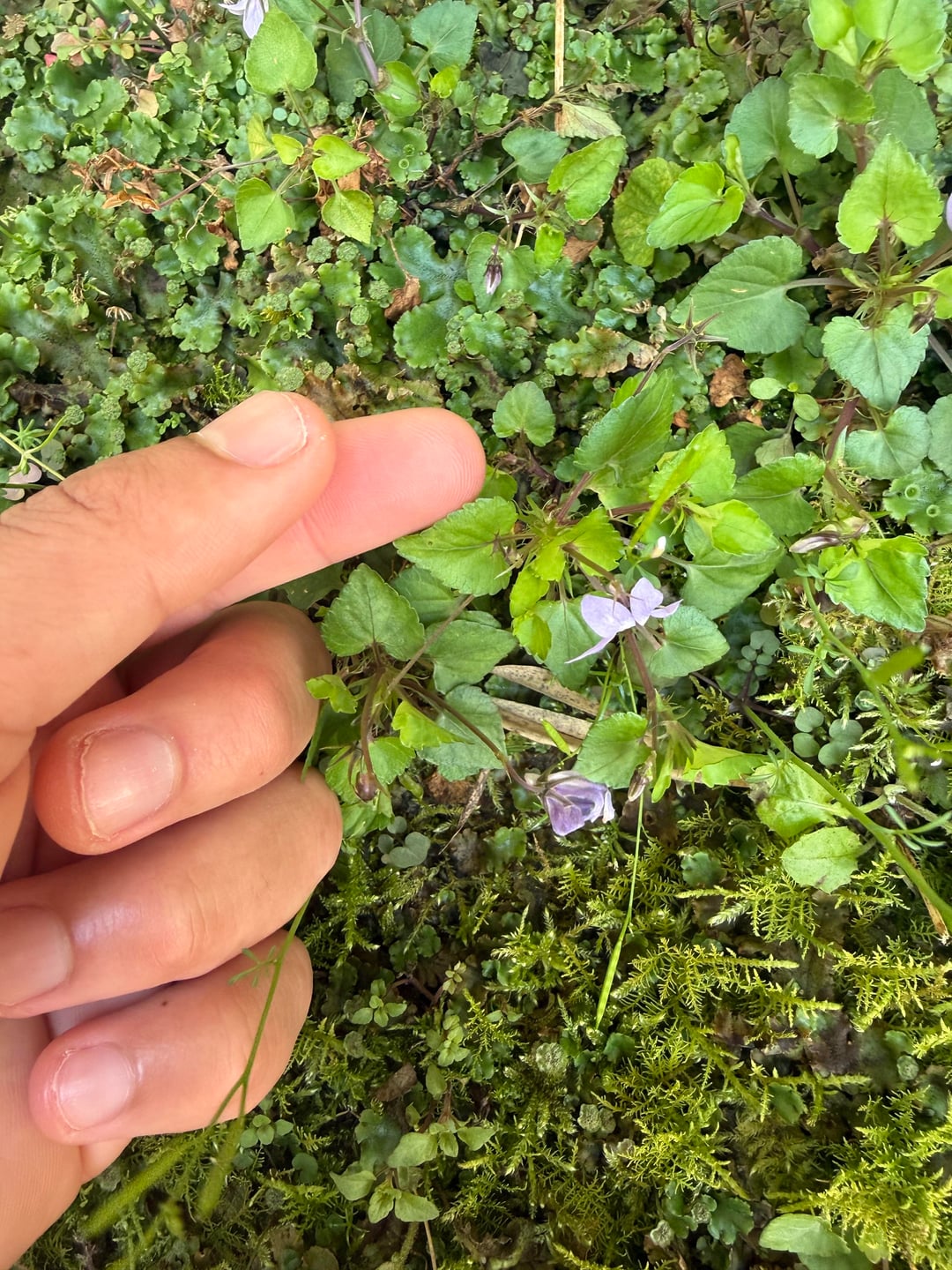
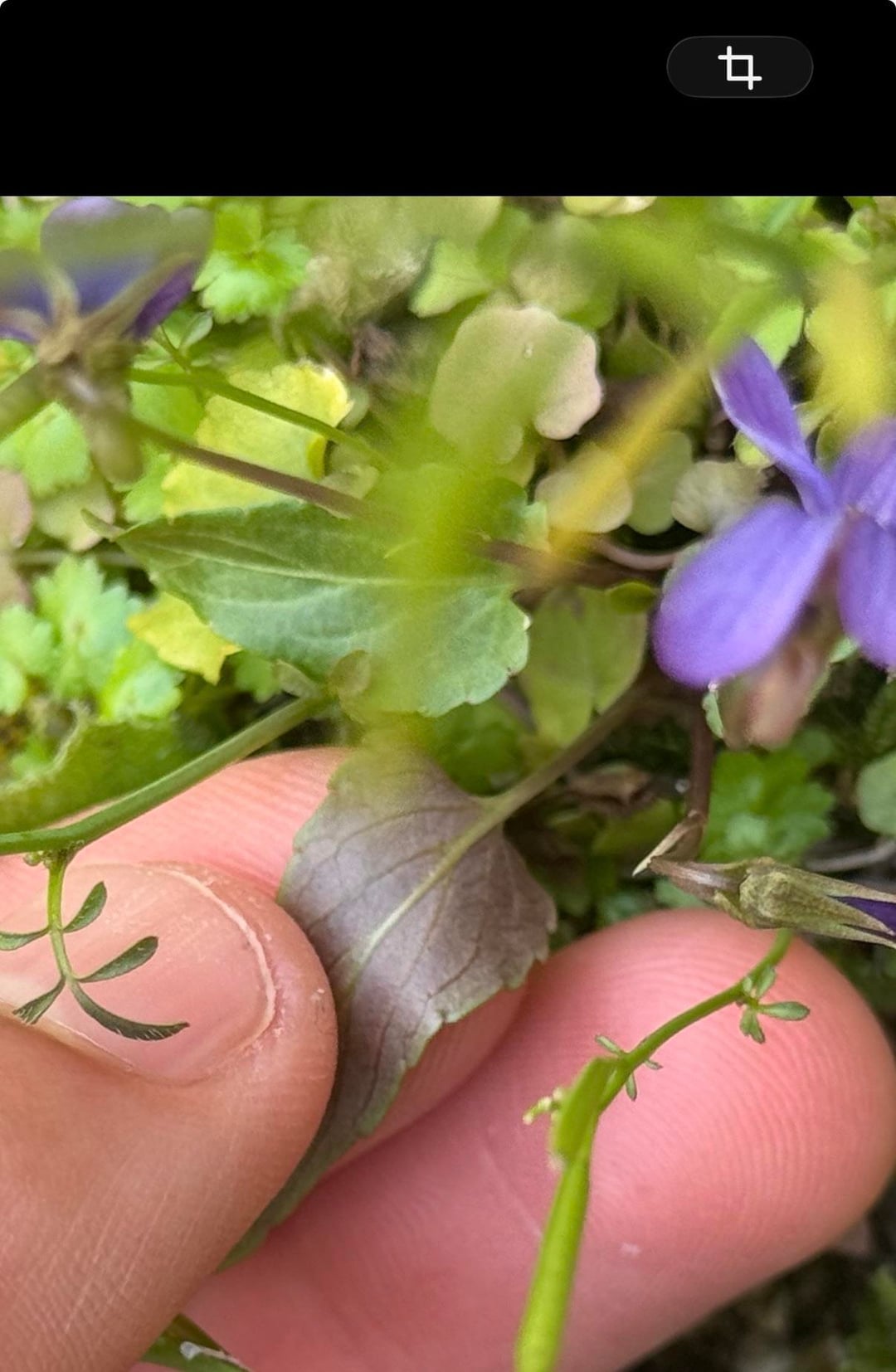
Same species, same space — but not mixing everywhere.
I usually work with Orostachys, but I noticed something interesting in a different plant today.
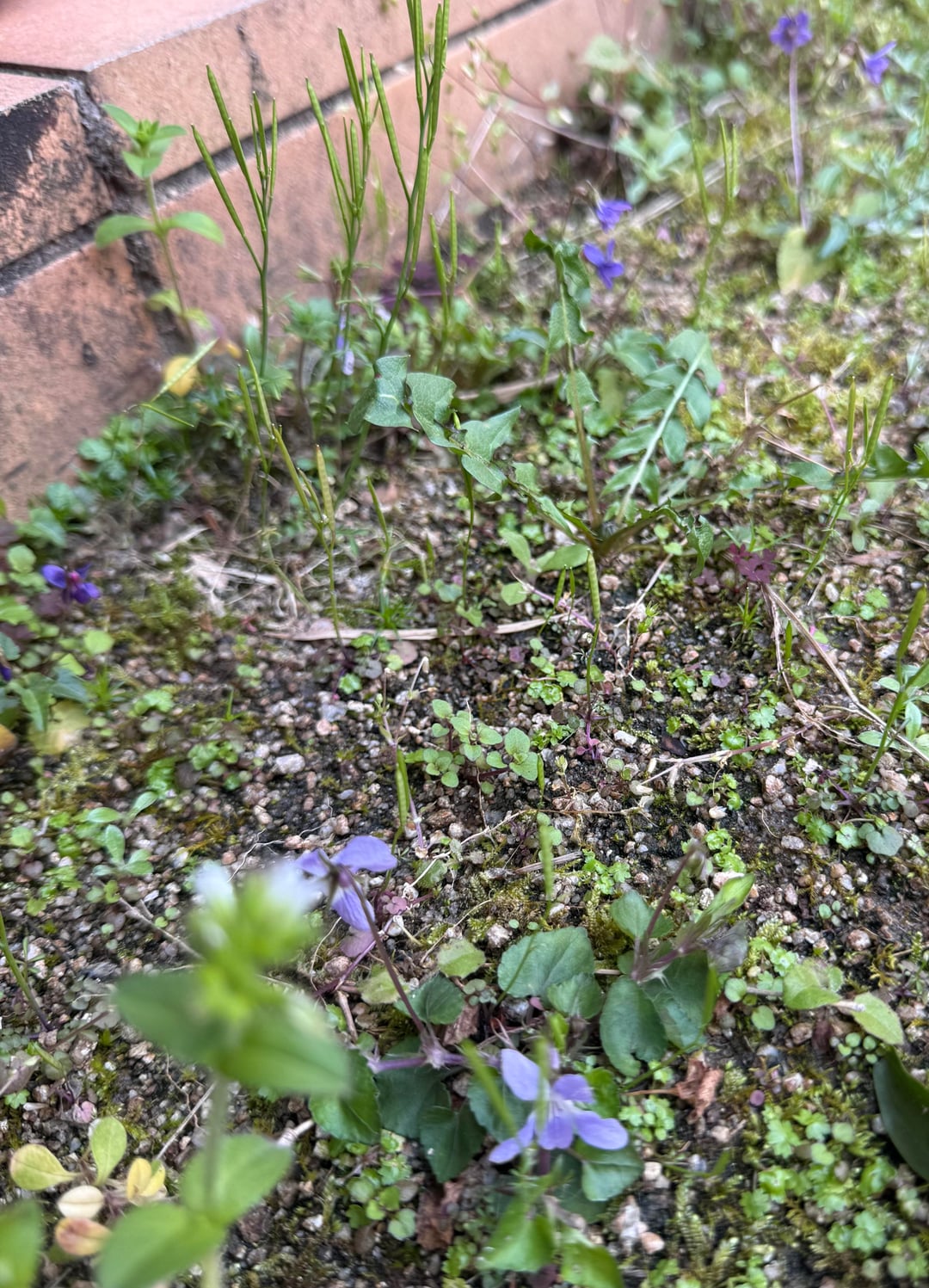
I observed a small Viola population in a courtyard environment, and something unexpected came up.
This wasn’t a typical garden space.
The courtyard appears to have remained largely undisturbed for decades, with very little human traffic.
Plant composition is completely different from the surrounding area.
It’s dominated by a few stress-tolerant species — mosses, horsetail (Equisetum), dandelion, oxalis — and small violets.
The environment seems nutrient-poor and semi-isolated, almost like a micro-ecosystem within the city.
—
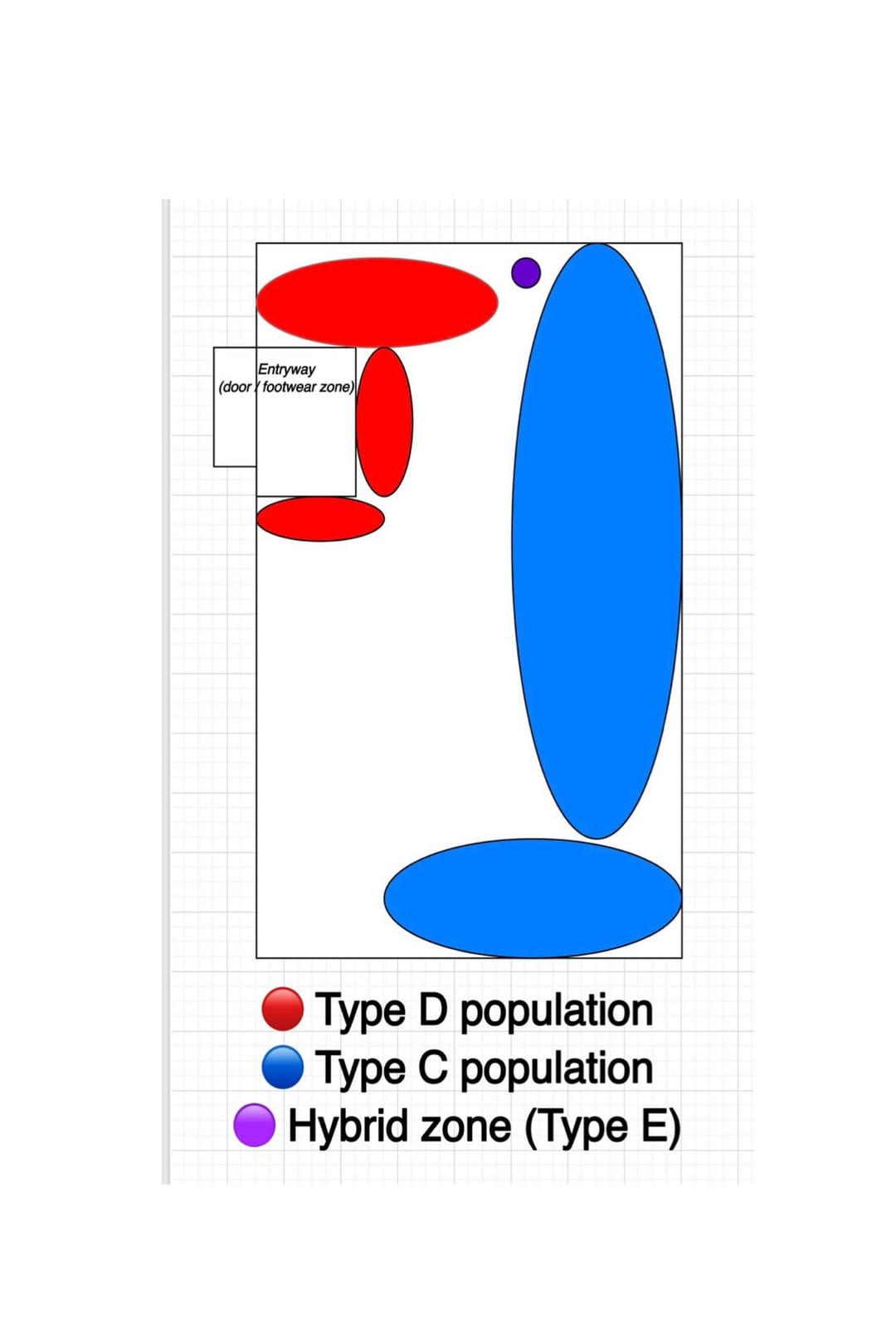
Within this space, the violets were clearly divided into different types depending on micro-environment:
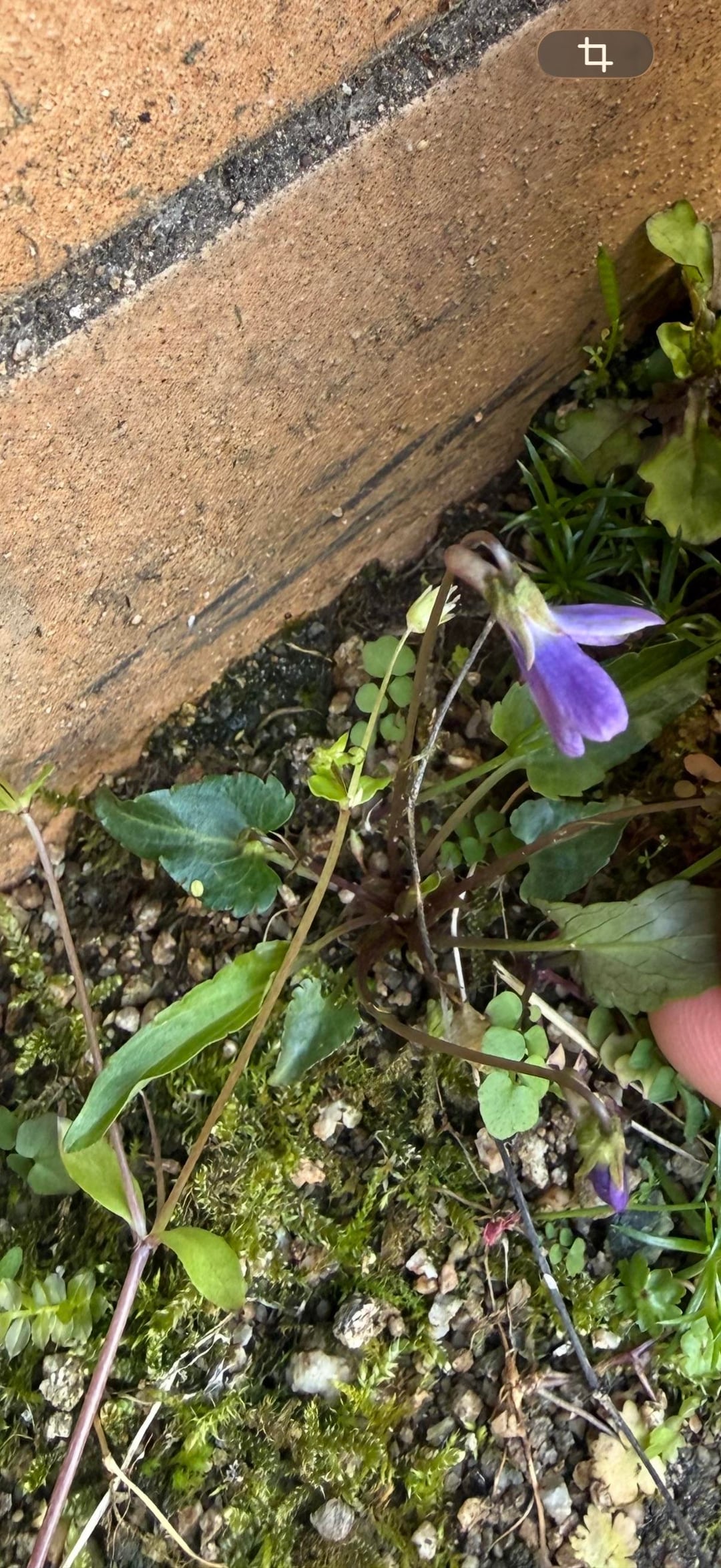
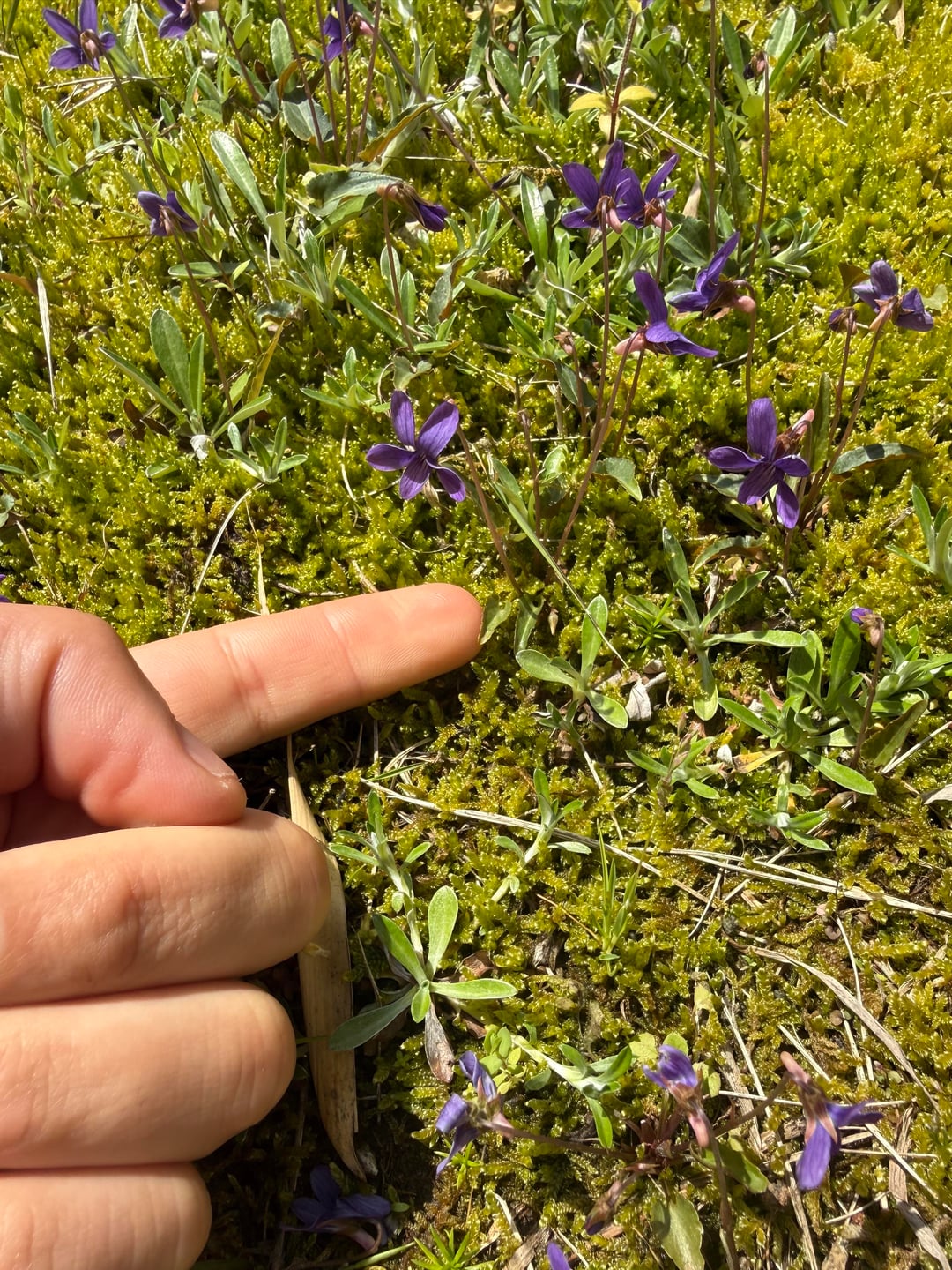
• A stable courtyard type (very small, uniform)
• A second type likely introduced from outside
• And a third group with mixed, unstable traits
—
But here’s the key point:
These mixed individuals only appeared in one very specific location — near the entryway where the two types could come into contact.
Everywhere else, the populations remained separate.
—
This made me think:
Maybe hybridization doesn’t happen continuously across space.
Maybe it only occurs at localized “contact points.”
—
It’s a very small-scale observation, but the spatial pattern felt surprisingly clear.
Curious if others have seen similar patterns in small or isolated environments 🌱
⸻
This is just a small observation, but it made me rethink how hybrid zones might actually form.
I’m not sure if this is genetic differentiation or just environmental separation.
by thxtaniku
1 Comment
Fascinating. Viola are ant-dispersed, so looking for ants might also be interesting.
But more importantly, their pollination is a bit unusual: some flowers are self-pollinated, and some are cross-pollinated. The self-pollinated flowers are apparently more successful. That could also factor into the patterns you see.
Here’s an overview. https://awkwardbotany.com/2020/07/08/the-hidden-flowers-of-viola/