
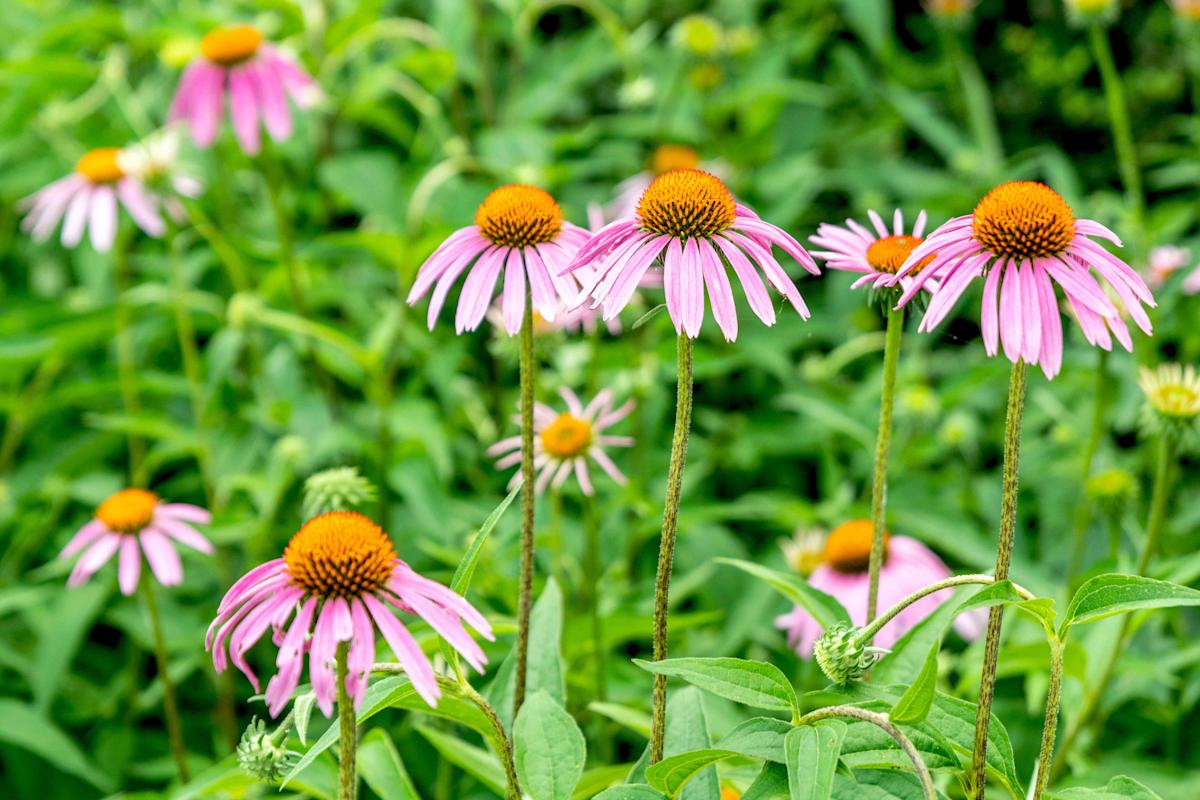
Want to grow perennials that have a long blooming period in your garden? Long-lasting perennials add color, height, and texture to the landscape. And equally important, many perennials provide important food sources for beneficial insects and pollinators, such as bees, butterflies, and birds. Perennials can take some time to get established in the garden and the first year, they’re typically focused on growing roots. They grow faster in the second and third year and you can enjoy them each year.
We spoke with gardening experts about their favorite long-lasting perennials and why.
01 of 11
Autumn Joy Stonecrop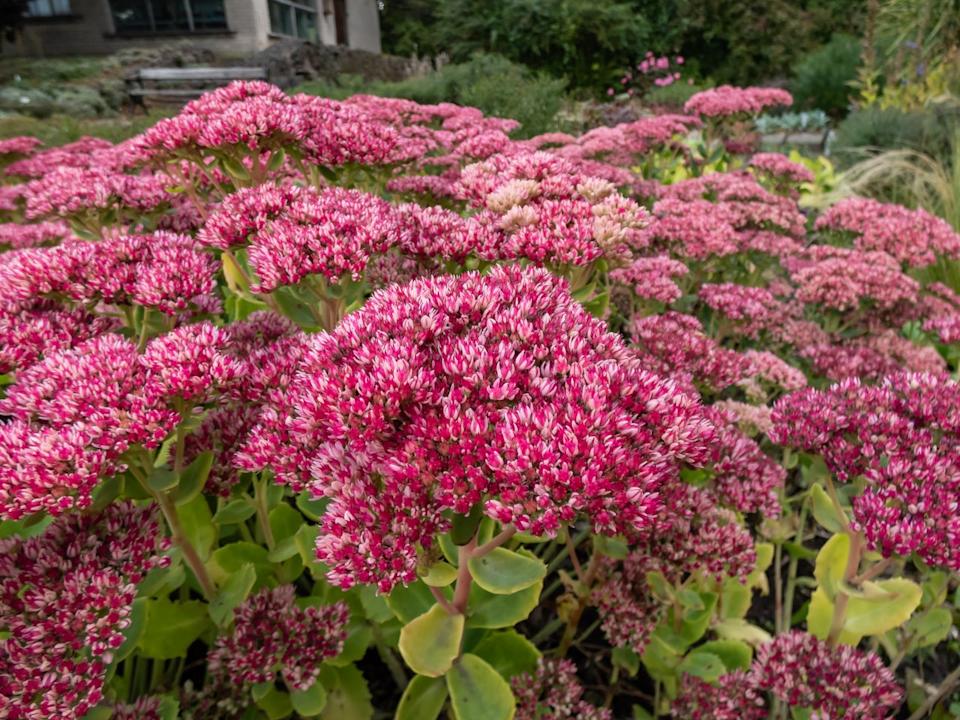
Credit: Getty Images
If you’re looking for a succulent-style plant that can grow in various types of soils and regions, consider Autumn Joy Sedum, also known as Stonecrop and Rock moss. Lisa Mason Ziegler, author of The Cut Flower Handbook. likes to use these plants as cut flowers before they produce a flower. “Even before it blooms, as it grows up, the heads of the stems are so interesting that I use them as cut flowers in this stage too.”
Botanical Name: Hylotelephium ‘Herbstfreude
Soil Type: Sandy soil or Loamy and clay well-draining
Soil pH: Acidic to neutral (6.0 to 7.5)
02 of 11
Baptisia ‘Ivory Towers’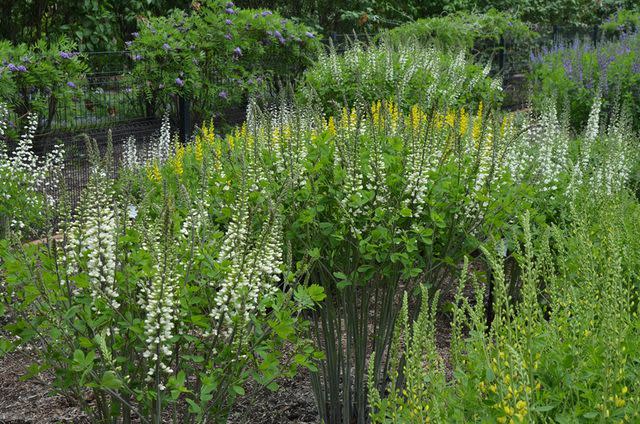
Credit: Courtesy of Mt. Cuba Center
Want an eye-catching hybrid perennial that produces numerous blooms off one stem? Plant ‘Baptisia ‘Ivory Towers, also known as Ivory Towers False Indigo. “Purple stems reminiscent of asparagus shoots emerge in spring and are followed by towering white spikes of pearly white flowers,” says Mt. Cuba’s Manager of Horticultural Research, Sam Hoadley. He says these can grow in most gardens as long as they receive sufficient sun and are planted in well-draining soils.
Botanical Name: Baptisia alba hybrid
Soil Type: Moist, well draining
Soil pH: Tolerates most types, prefers slightly acidic (6.0-6.8)
03 of 11
Blue Star ‘Storm Cloud’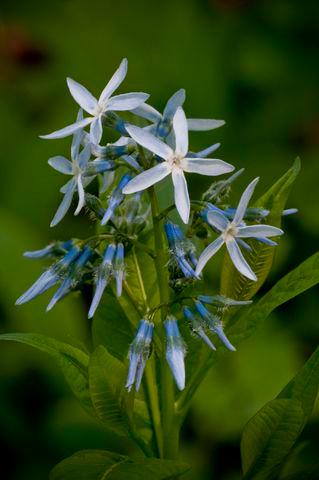
Credit: Ed Reschke / Getty Images
Blue Star ‘Storm Cloud’ is a beautiful and adaptable long-lasting perennial with blooms in the spring. “This incredible selection from Plant Delights is one of the first Amsonia to emerge in spring with inky black stems that quickly give way to masses of smoky blue flowers in April and May,” says Hoadley.
Botanical Name: Amsonia tabernaemontana
Soil Type: Moist, well draining
Soil pH: Neutral (6.2-7.0)
04 of 11
Catmint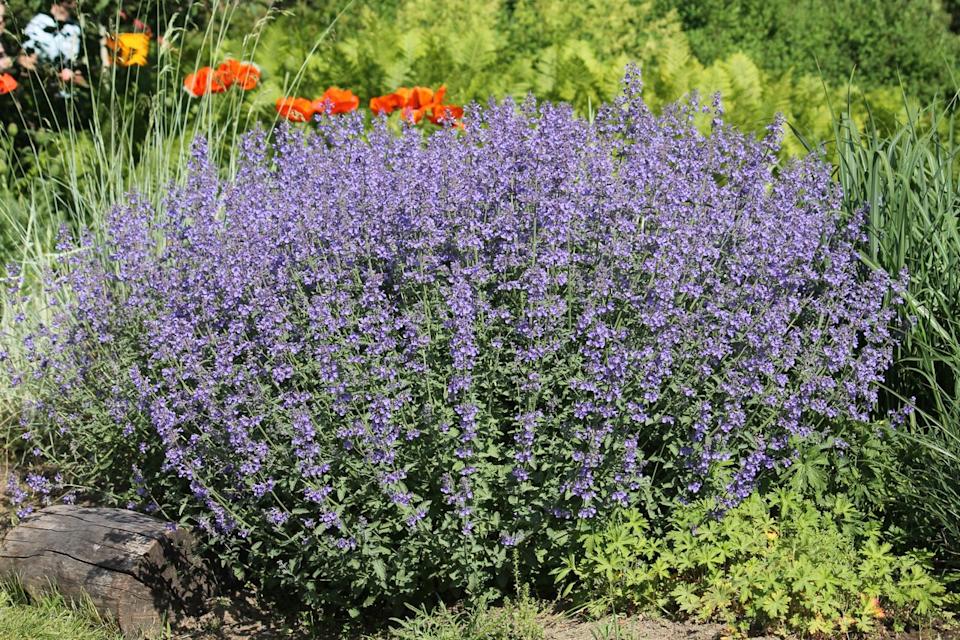
Credit: Getty Images
A plant that blooms all summer long, catmint is a favorite of pollinators. “It’s a fast spreader with delicate blooms that can tolerate drought,” says Olivia DiFilippo, Horticulture Manager at the Delaware Center for Horticulture. “This plant is also a self-seeding groundcover that is very fragrant and a pollen source for insects.”
Botanical Name: Calamintha Nepeta sp.
Soil pH: Acid, neutral, or alkaline
05 of 11
Chinese Astilbe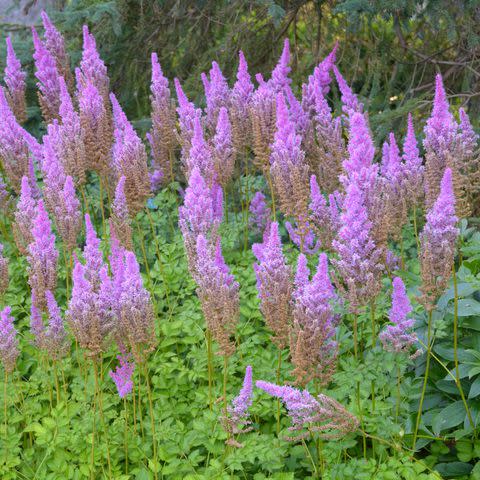
Credit: Courtesy of Proven Winners
Chinese Astilbe, also known as false goat’s beard or tall false buck’s beard, comes in many heights to add dimension to the garden. “The beautiful, cut leaf foliage adds a desirable texture to the shaded garden and its attractive, persistent flower heads extend the season of interest well past its summer flowering time,” says Carol Long, Garden Curator, Winterthur Museum, Garden & Library. “Though it prefers evenly moist soil, Chinese Astilbe is also more tolerant of drier soils than many of the hybrid astilbes.”
Botanical Name: Astilbe chinensis
Sun Exposure: Full sun to Partial shade
Soil Type: Moist, well-draining
06 of 11
Coneflower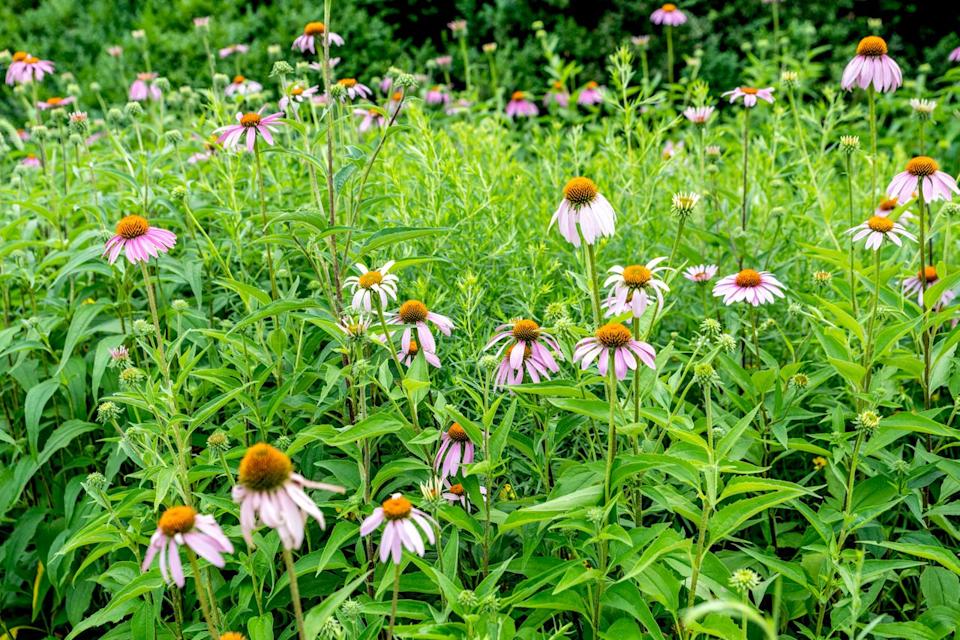
Credit: Southern Living/Adrienne Legault
Coneflowers are long-lasting, perennials with petals that face downward and come in an array of colors, adding vibrancy to the garden. “They come in almost any color imaginable from the traditional purple Coneflower to ‘Green Twister’ that features hot pink centers and lime green edging on its petals,” says Dillon. “They are deer tolerant, adaptable to any soil type, and like medium to dry moisture conditions.”
Botanical Name: Echinacea purpurea
Soil Type: Moist, well-draining
07 of 11
Hellebore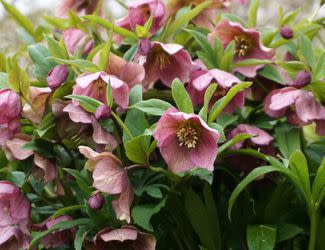
Credit: getty
Hellebore or Chrismas rose is easy to grow and flowers in winter and blooms last for several months. “It comes in several colors and flower shapes mostly in the red/purple, pink, and white family,” says Nicole Dillon, master gardener, owner and flower farmer of Breemar Flower Farm in Ashland, Virginia. She likes the ‘Wedding’ and the ‘Ice N’ Roses’ varieties. Ziegler grows Hellebores, too and shares how low-maintenance they are to grow. “My hellebore orientalis patch is over 40 years old and going strong with no care or intervention from me.”
Botanical Name: Helleborus orientalis
Sun Exposure: Partial shade
Soil Type: Moist, well-draining
Soil pH: Neutral, Alkaliine
08 of 11
Mountain Mint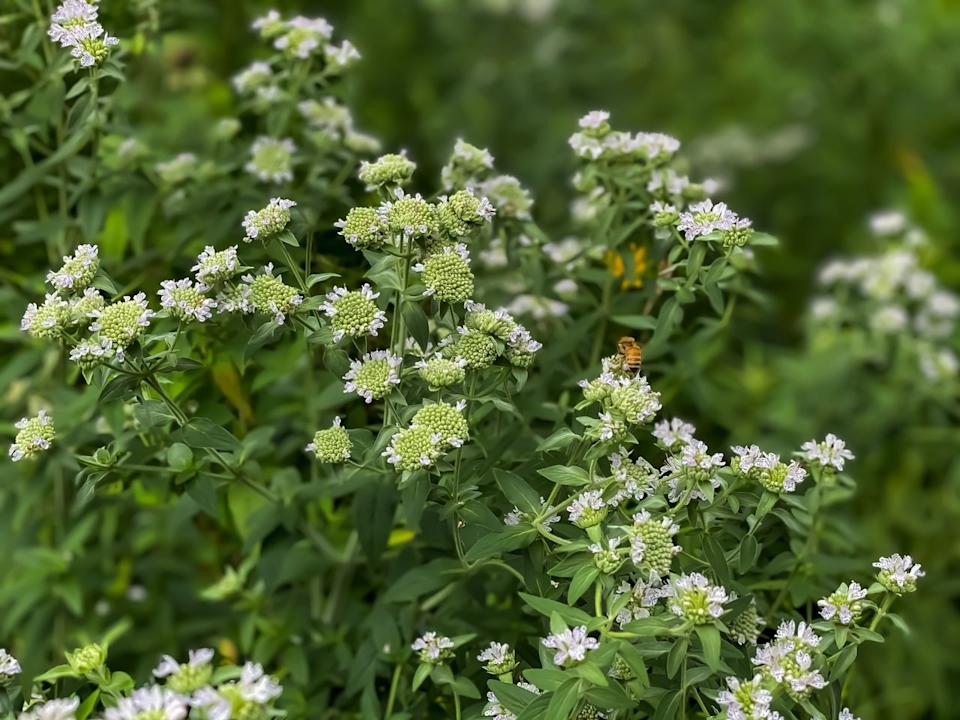
Credit: Getty Images
Mint is a common herb to grow in the garden yet there are numerous varieties to choose from. Mountain mint is a native mint to North America and flowers bloom for several months. “Mountain Mint, Pycnathemum virginianum is not only a long-lived fantastic fragrant garden plant and cut flower, but is the best plant to attract many different pollinators to the garden,” says Ziegler. Plant in containers or in areas where it can’t take over the garden. “It can be invasive as all mints, so attend to it accordingly,” she adds.
Botanical Name: Pycnathemum virginianum
Soil Type: Moist, well-draining
Soil pH: Acidic, neutral (6.0- 8.0)
09 of 11
Peonies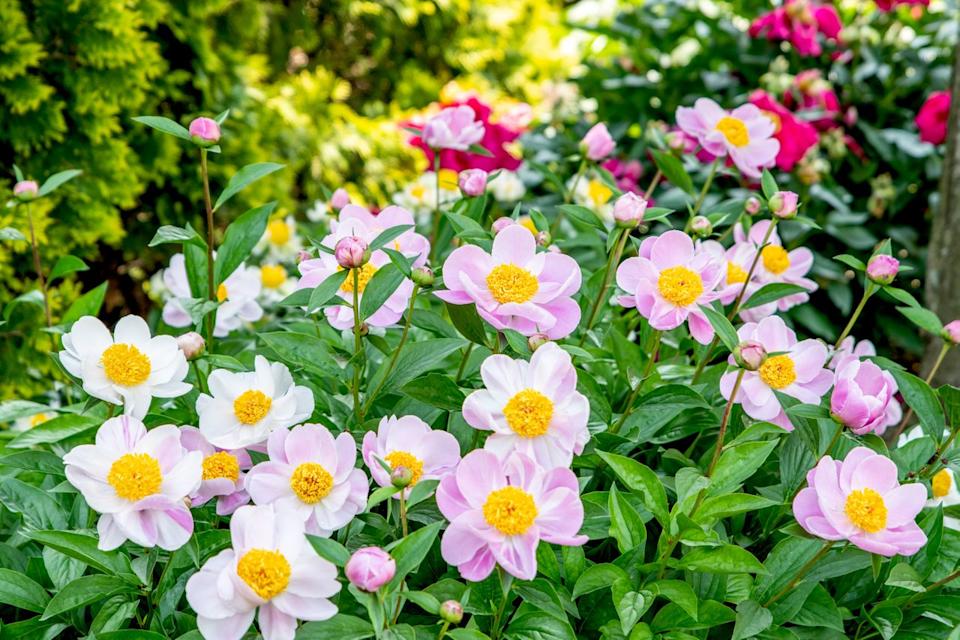
Credit: Southern Living/Adrienne Legault
Want an easy to grow, long-lasting perennial? Grow peonies. These flowers will keep on blooming as long as they receive the proper conditions to grow. “Peony plants can become a family keepsake passed down from generation to generation,” says Ziegler. “I know because I am the grateful owner of our family’s 3rd generation’s huge peony patch.”
Botanical Name: Paeonia lactiflora
Soil Type: Moist, well drained
Soil pH: Slightly acidic, neutral (6.5-7.0)
10 of 11
Roundleaf Ragwort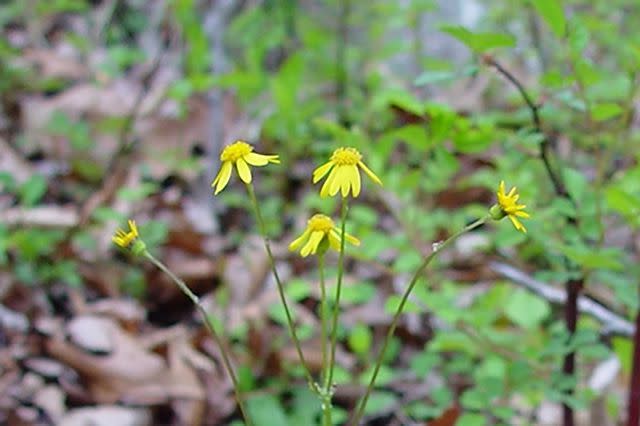
Credit: Arthur Haines, Bugwood.org
If you’re looking for an early-to-bloom ground cover perennial, you’ll want to grow Roundleaf Ragwort for it’s small, yellow flowers. “It’s a fast grower and does well in multiple site conditions,” says DiFilippo. She says it’s an early pollen source for pollinators, too. Another benefit of growing Roundleaf Ragwort is you’ll still have foliage in the colder months. “This plant is fast to establish and evergreen in our area as it doesn’t die back completely in winter,” she adds.
Botanical Name: Packera obovata
Sun Exposure: Full to partial shade
Soil Type: Moist, well-draining
Soil pH: Acidic, Neutral (5.0-6.5)
11 of 11
Variegated Solomon’s Seal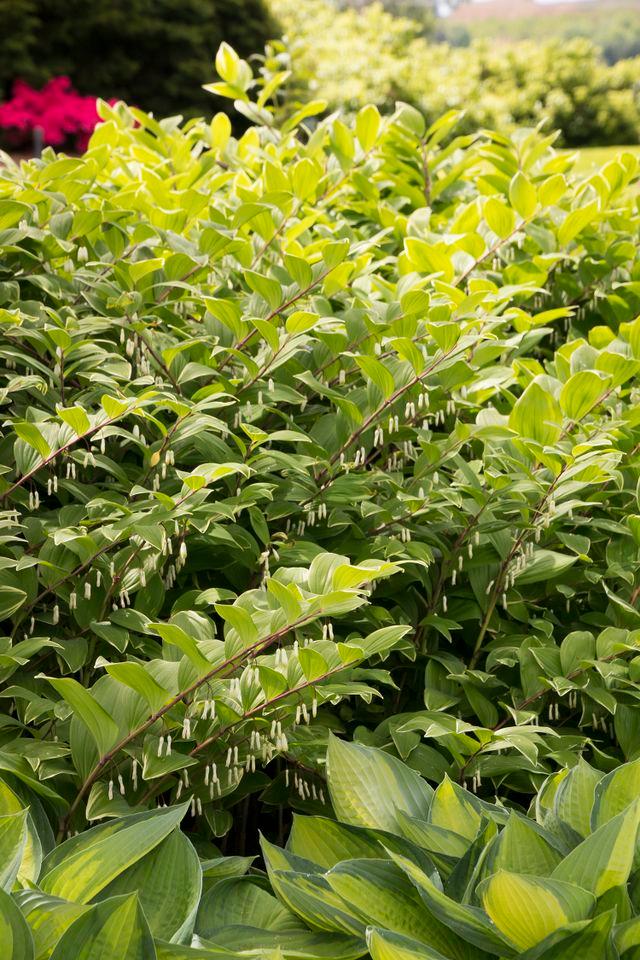
Credit: Monrovia.com by Doreen Wynja
Variegated Solomon’s Seal has beautiful foliage and produces blooms in the spring. “It slowly spreads by rhizomes and can naturalize an area with a small initial clump in a few growing seasons,” says Dillon. “The plant is grown for its foliage although it has small bell-like flowers that develop along the bottom of the leaf that eventually become berries.”
Botanical Name: Polygonatum odoratum var. pluriflorum ‘Variegatum’
Soil Type: Moist, well drained
Soil pH: Acidic, Neutral (6.0-8.0)
Read the original article on Southern Living
Comments are closed.