
 3 min read
If you’re looking for ways to make gardening easier, you’ve probably already stumbled upon the TikTok cardboard gardening hack. This “no-dig” approach involves layering cardboard, compost, and mulch on top of the ground instead of digging holes and planting into the soil. The idea is that the cardboard can stop weeds from growing and eventually break down into materials that can feed your plants. But does it actually work?
“It really depends on your planting area, growing conditions and the quality of your ‘ingredients’ like plants and soil media,” says Teri Valenzuela, natural science manager at Sunday.
Using cardboard as the base of your garden bed can keep some weeds from growing, but it likely won’t eliminate the need for weeding entirely. Plus, you’ll still need to water, fertilize, and prune your garden. No matter what kind of methods or products you use, nearly all gardens need at least a little bit of hands-on maintenance. After all, getting your hands a bit dirty is part of the fun! But if you’re looking for an easygoing approach to gardening, consider the chaos gardening trend or planting one of these low-maintenance ground cover plants.
Keep reading for the expert take on whether TikTok’s favorite gardening trend is worth trying.
What Is a “No-Dig” Garden?
As the name implies, a “no-dig” garden doesn’t require any digging — instead, gardeners create a bed on top of the soil that’s already there.
“A no-dig garden uses layers of cardboard, compost and sometimes mulch over existing ground instead of digging into the soil. The compost and mulch help to break down the cardboard, plants can grow in the soil medium and the cardboard can stop existing weeds from growing,” says Valenzuela.
Digging into soil can disturb it, according to Valenzuela, which would make it more likely for weeds to grow. That’s where the cardboard comes into play, acting as a “weed barrier.”
Experts’ Take on the Trend
While using cardboard at the base of a garden bed is a convenient way to avoid digging and weed growth, experts warn that it isn’t going to completely eliminate all gardening-related work.
“It’s definitely okay to test this out in a small area,” says Valenzuela. “But while this method promises less work and labor, all gardening is a labor of love. Weeds don’t just come from below ground — their seeds move by wind, wildlife and other means, so you’ll always require a little tilling of soil and weeding in your soil beds.”
So don’t think of this method as an “easy way out,” but more of a chance to get into gardening without starting from scratch completely. The cardboard will act as your gardening assistant, helping prevent weed growth as much as possible.
How to Set up a “No-Dig” Garden
MoMo Productions//Getty Images
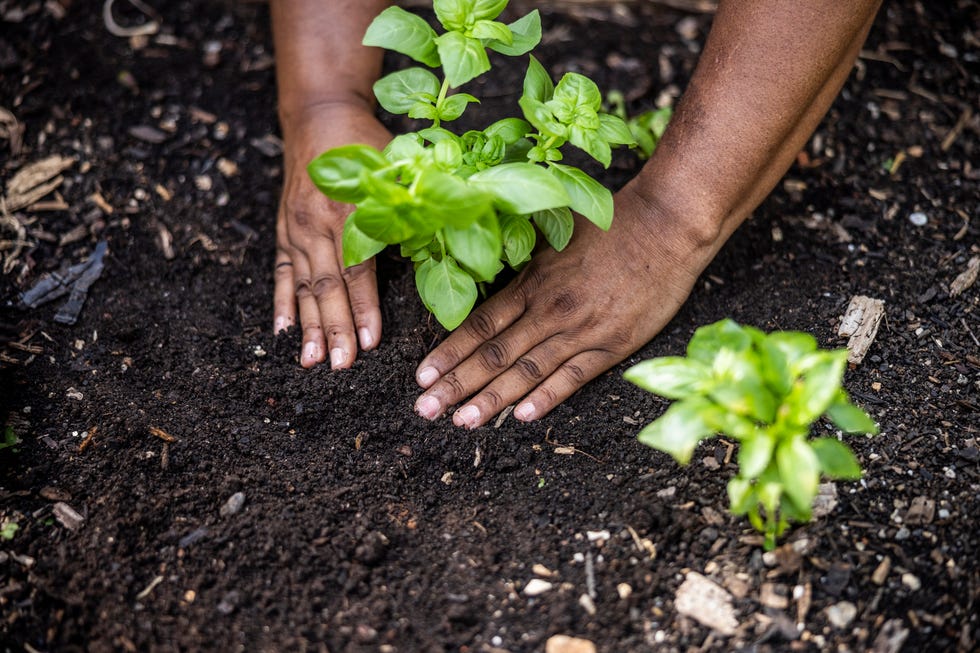
Setting up a no-dig garden is pretty simple. To help you get started, save any cardboard boxes or packaging you come across until you build up enough to cover the area you want for your garden.
“Start by laying cardboard over the area, overlapping the edges to block light and growing opportunities. Wet the cardboard to stay in place and add 4-6 inches of compost or garden soil. Then, plant directly into that top layer,” says Valenzuela.
Once you’ve planted your seeds, you’ll have to care for them as you would in a more traditional garden. Still, you won’t have to spend hours digging into soil. Plus, you’ll save time in the future since you won’t have to weed as much. Make sure to use quality soil and mix in sand or other materials to help with drainage.
The Bottom Line
Joanne Dale//Getty Images
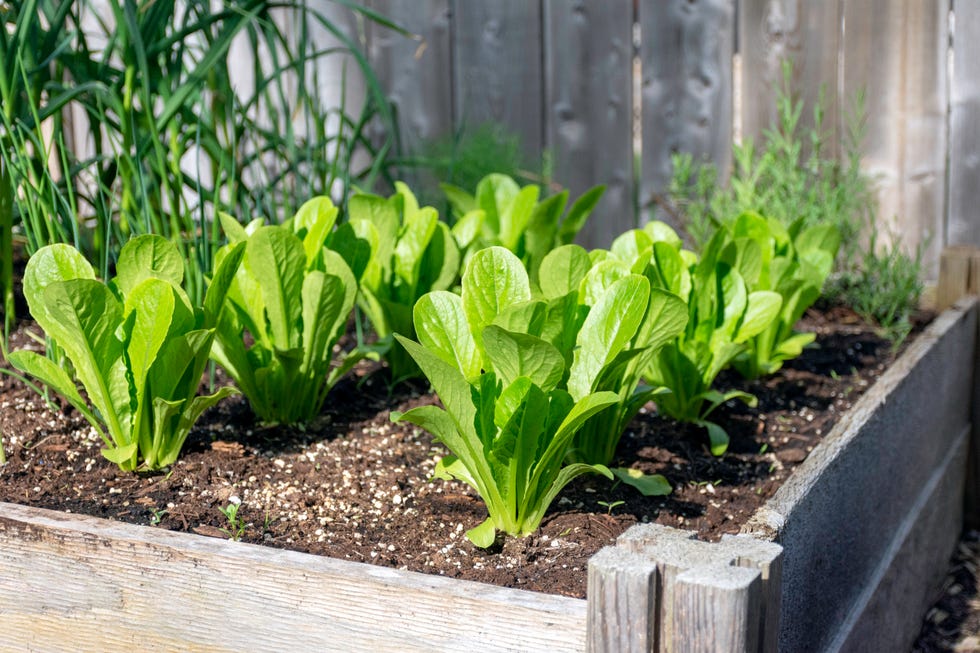
While gardening with cardboard might seem unusual, it actually decomposes over time, adding nutrients to the soil while blocking weed growth. For beginner gardeners who are working with a contained space, the no-dig method is a great way to get started without having to dedicate tons of time and land. Still, experts warn that success is contingent on a number of factors, including planting area, growing conditions, and the quality of your plants and soil.

Laura Millar (she/her) is the assistant lifestyle editor for Good Housekeeping, where she covers home design. Prior to joining Good Housekeeping in 2024, she wrote for NBC’s TODAY.com, where she covered everything from entertainment news to pop culture updates.
Comments are closed.