
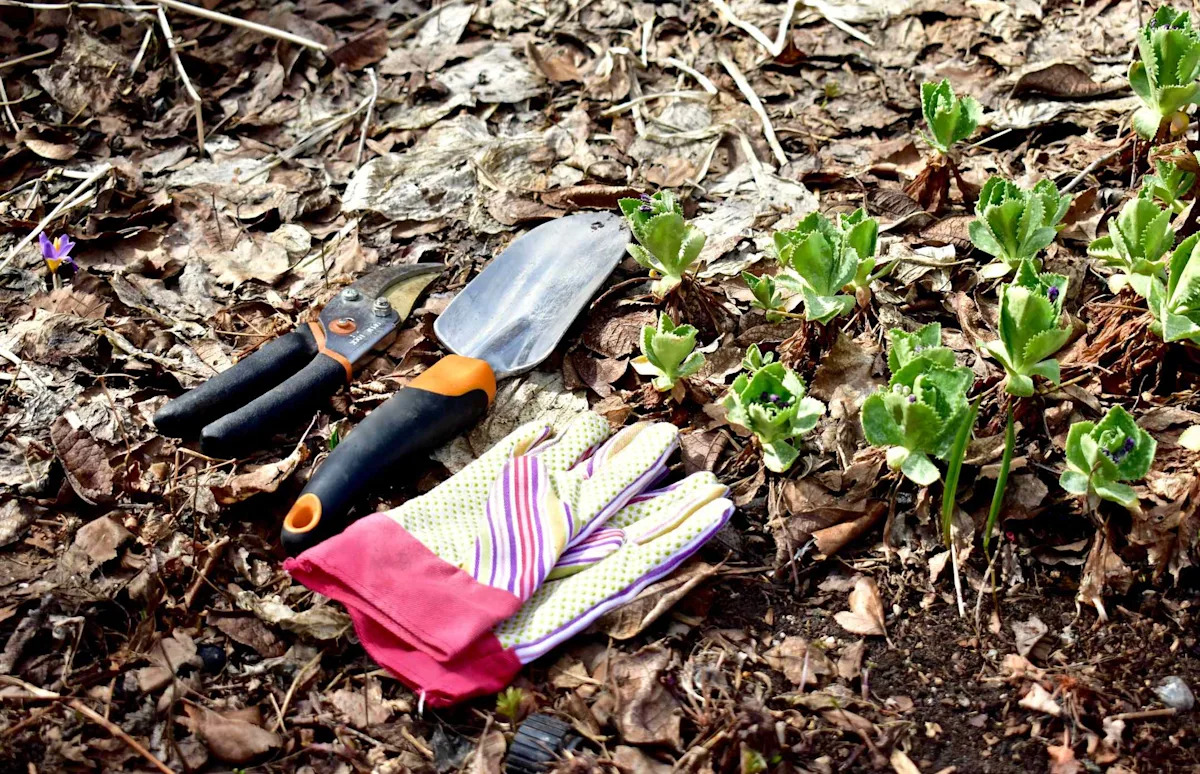
Key Points
First, gently rake fallen branches and debris from the lawn, driveway, and walkways.
Organizing supplies and clean tools so you’re ready to go when it’s time to plant.
Early spring is also a good time to prune shrubs and make room for new growth.
The first day of spring, which usually falls between March 19-21, is basically an official holiday for gardeners, but it doesn’t always feel springy. I live in upstate New York (USDA Zone 6a), and melting ice and muddy ground are pretty common in early spring. If you live in area area that is USDA Zone 7 or above, you’re no doubt already seeing spring flowers poking up and possibly already blooming, along with some trees beginning to flower.
No matter your early spring weather, there are chores you can do to say goodbye to winter and get your garden ready for spring. Here are the basic gardening chores I like to check off my list before the first day of spring.
Cleaning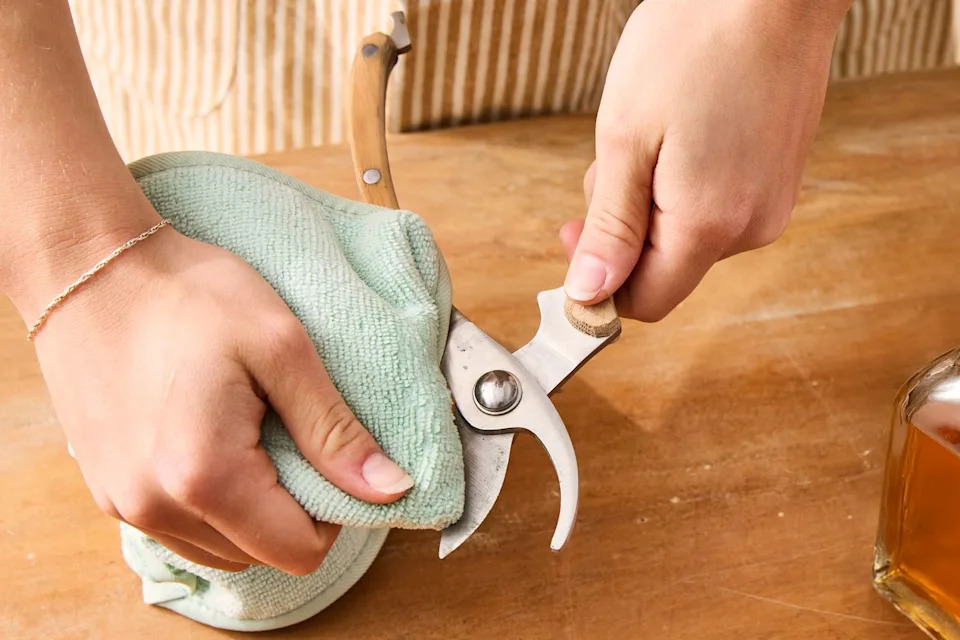
Credit: The Spruce / Jason Donnelly
Before I do any planting for the season, I like to make sure everything is clean. My property has walkways, a patio, and sidewalks that need post-winter cleaning. I try to rake fallen branches and leaves off the lawn and sweep or hose debris off. (Tip for hosing: It’s best to wait until you have a few days without rain in the forecast to avoid more incoming mud.)
I also have a metal bird bath that I clean using mild soap and water, and I tidy up my outdoor wood pile and fire pit.
Many gardeners don’t rake their flower beds until after the final frost date, to give various pollinators time to emerge. If you have spring-blooming bulbs emerging, you can gently pull leaves aside to give them air and sun, without disturbing the leaf cover too much.
Of course, every gardener knows that tool cleaning and maintenance should done in the autumn before the gardening season ends, but some tools need regular maintenance, especially any cutting tools that can spread bacteria or fungus to exposed plant surfaces, I have to clean my pruning shears frequently and just used them this past week.
Spring Pruning
In my garden, my early spring pruning list includes panicle hydrangeas, tall garden phlox, sedums, chrysanthemums, bearded irises, heuchera, Japanese anemones, hostas, and more.
Many shrubs benefit from an early spring prune. Some perennials that bloom in late spring can also do with a light pruning now, especially if new spring growth has begun to emerge. Lightly clean off old leaves and stems from your heucheras, phlox (tall and creeping), columbines, hostas, and daylilies, to give them space and air.
Do your research to make sure you get the timing right for your pruning, and always check for new buds before snipping. Also check your fruit trees for any damaged or broken limbs, and cut these to prevent further damage.
Assessing Supplies
Most of my hand tools are organized in buckets where I put them after fall cleaning. I keep some of my bigger tools inside my outside entryway in case I need them, and some are in the basement. At the beginning of spring, I definitely have to go through and organize tools, figure out which ones need some repair and which ones aren’t worth fixing. (For instance, I have some hoses I use at a client’s place that need to be tossed out as they’ve already been repaired twice and are still leaking.)
It’s a good time to clean watering cans and check them for leaks. Check any opened bags of amendments or soil to see if they’re still usable. (A little bit of mildew can usually be removed if most of the bag is unaffected.) Clean and stack plant containers, recycling extras or disposing of any that are broken.
The better job you do of maintaining your tools, the longer they’ll last before needing replacing.
Running Errands
A rainy spring day that’s too wet for working outside is not a bad time to run some errands for the garden.
Go to the nursery or hardware store and stock up on supplies you know you’ll need like paper lawn bags, soil and amendments, bagged mulch, garden gloves, and hand tools.
Sorting Seeds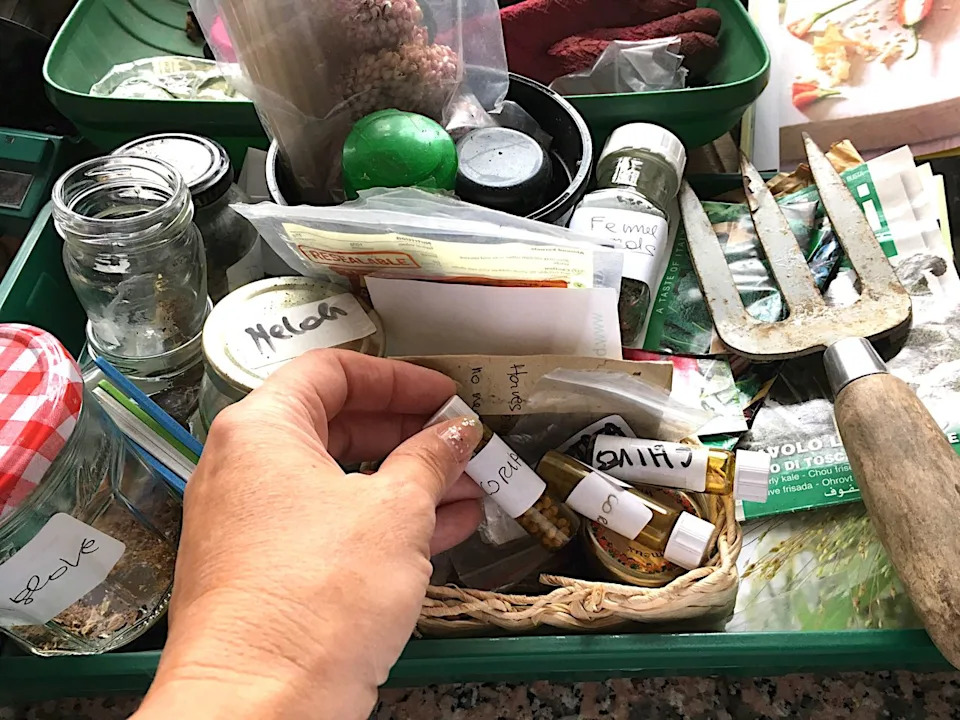
Credit: Daniela White Images / Getty Images
If you’re like me, you often save the seeds you didn’t get around to planting the previous season. Early spring is a good time to check your seed supplies, and plan to plant any opened but unused packets.
I try to put opened packets in a plastic ziplock to keep pests or moisture out. Seeds I’ve had good luck growing a year (or even two) after I obtain them include parsley, basil, dill, kale, arugula, lettuce, and annual flowers like cosmos, zinnias, calendula, and sunflowers.
Read the original article on The Spruce
Comments are closed.