
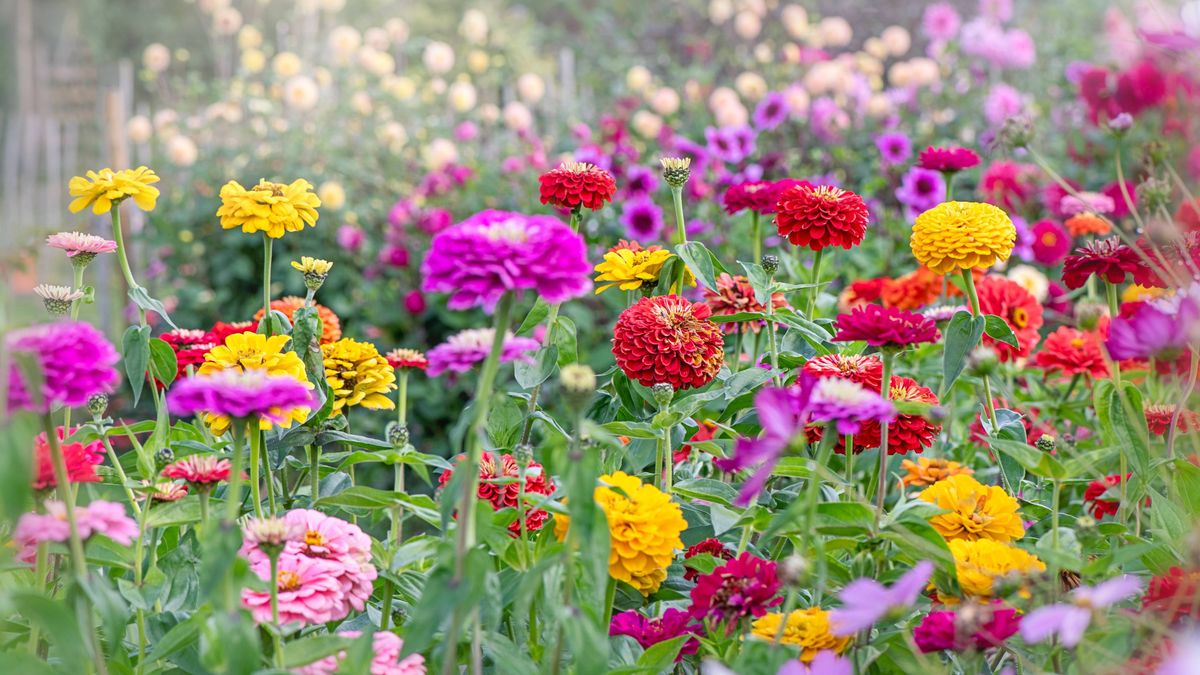
Weeding is one of the most thankless jobs in the garden, but planting these ground cover flowers can reduce it to just once a year – without using chemicals
Many gardeners are turning to natural alternatives(Image: undefined via Getty Images)
Gardening can be an absorbing and fulfilling pastime, but certain tasks leave even the most enthusiastic gardener cold. Topping the list of dreaded chores is almost certainly weeding. Alan Titchmarsh recently revealed a simple, chemical-free way to kill weeds using nothing more than a garden hoe and a warm day, harnessing the same sunlight that helps them grow. However, there is a way to reduce the need for weeding dramatically — if not eliminate it entirely — by turning it into a once-a-year task.
However, there is one approach that, while not eliminating weeding entirely, can reduce it to a once-a-year task.
As awareness grows about the risks of chemical treatments for controlling weeds—particularly their threat to pollinating insects—many gardeners are turning to natural alternatives. By establishing effective ground cover plants, you can make flower beds extremely unwelcoming to uninvited guests.
A wide variety of ground cover plants is available, with some thriving in full sun while others prefer shadier spots. What unites them all is their ability to form a dense carpet that prevents perennial weeds from taking hold.
While many ground cover plants, such as ivy, periwinkle, and hostas, can be somewhat uninspiring, Garden News expert Graham Rice has identified several attractive options that suppress invasive weeds while enhancing your garden, reports Nottinghamshire Live.
Hellebores
Hellebores are perennials, often featuring striking evergreen leaves, some marbled or silvery for extra visual interest. They flower in winter and early spring, when little else is in bloom, producing appealing flowers in shades of green, white, pink, or ruby. Hellebores flourish on woodland edges and prefer dappled shade, although some varieties tolerate sunlight while others favour deeper shade.
Relatively low-maintenance, their blooms also provide valuable nectar for early pollinators.

Lush bush of bicolor light and dark pink Dianthus caryophyllus(Image: undefined via Getty Images)
Geraniums
Hardy geraniums bring a burst of colour throughout the summer. Certain varieties, such as Brookside, showcase large, bowl-shaped blue blooms as early as May. They grow well in sun or dappled shade in almost any soil, provided it isn’t waterlogged.
Another variety, Little David, has compact green foliage and produces magenta-pink flowers from June to September, which are particularly attractive to bees and other pollinators.
Heucheras
With dozens of varieties, Heucheras are prized for their colourful leaves, ranging from green to deep purple. They perform best in partial or dappled shade, as strong summer sun can scorch the foliage, especially on paler-leaved types.

Close-up image of the spring flowering Hellebore (Image: undefined via Getty Images)
Garden Pinks
These hardy plants flower from late spring through autumn, offering a distinctive clove-like fragrance. Most will bloom repeatedly if deadheaded. Their name comes not from the colour but from the jagged edges of the flowers, which resemble cuts made with a dressmaker’s pinking shears.
Sedums
Ground-covering Sedums are exceptionally resilient, tolerating both drought and frost. They thrive even in shallow, nutrient-poor soil and require minimal feeding or watering. They form a dense carpet of succulent evergreen foliage, with colourful star-shaped flowers appearing in successive waves throughout summer.
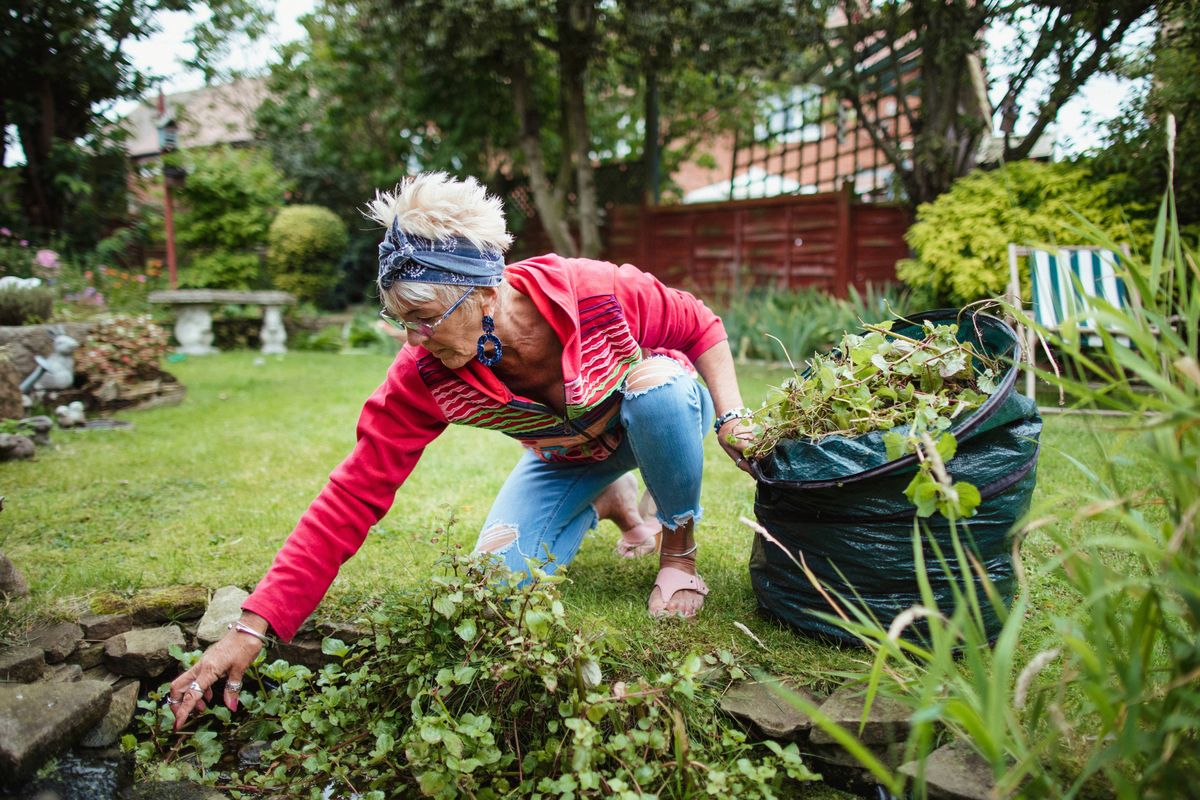
A wide variety of ground cover plants is available(Image: undefined via Getty Images)
It’s important to note that while ground cover plants are excellent at suppressing weeds, they can also limit the growth of desirable plants.
Ground-covering ivy, for example, will make life difficult for weeds but can also crowd out primroses, anemones, and spring bulbs. “The trick is to choose strong-growing bulb varieties, plant in clumps and plant bulbs and ground cover at the same time,” Graham explains.
“That way, by the time the ground cover forms a dense carpet, the bulbs will be well established and able to push through the low foliage.”
Before planting ground cover, it’s essential to complete one final weeding task—the area must be fully cleared to give your new plants the best possible start.
Comments are closed.