
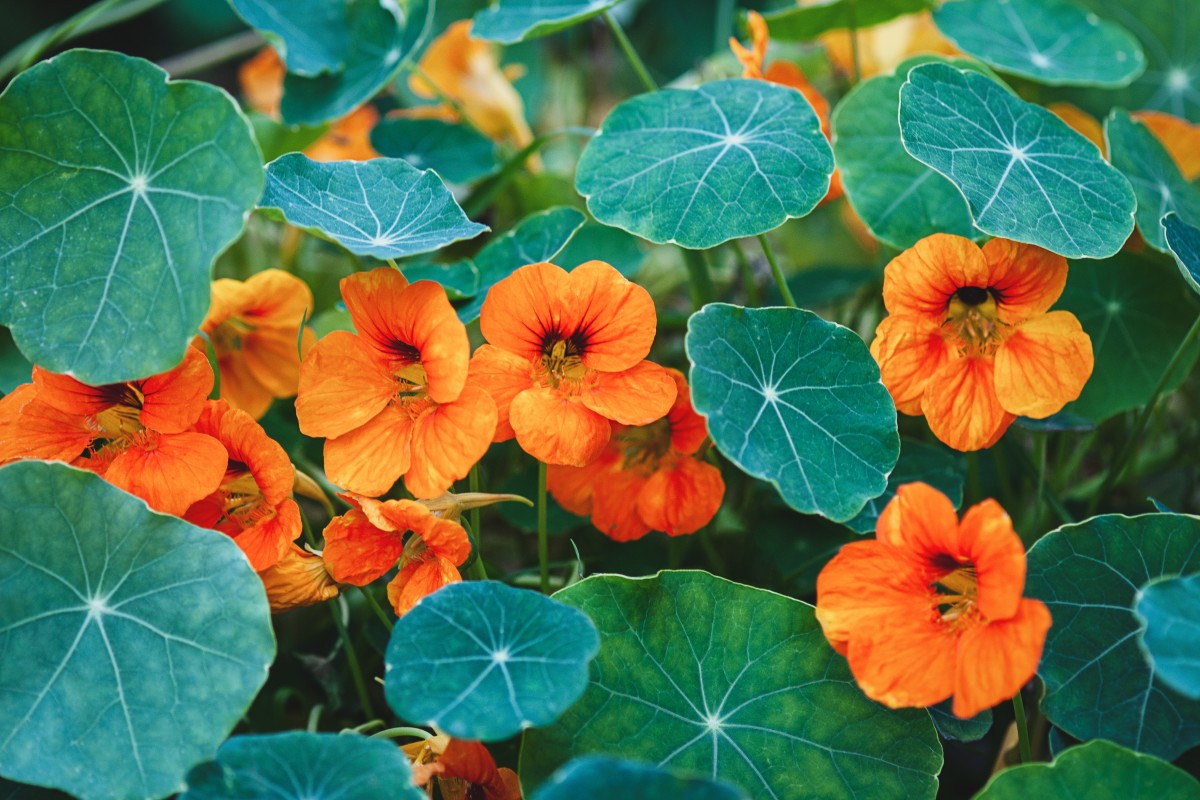
Nasturtiums are the kind of plant that doesn’t demand attention, but absolutely deserves it. Tucked along the edges of a garden or spilling out of a raised bed, these bright, cheerful flowers are doing far more work than most gardeners realize.
A viral video by gardening creator @epicgardening highlights just why nasturtiums deserve a spot among your vegetable plants this year.
SIGN UP for the Dengarden / Parade Home & Garden newsletter for a weekly dose of our favorite house hacks, decor trends and shopping deals
Why You Should Grow Nasturtiums in Your Vegetable Garden
For starters, they are entirely edible. Leaves, flowers, stems and even the seeds can be used in the kitchen, all carrying a naturally peppery flavor thanks to the same compounds found in arugula and radishes. The blooms add a pop of color to salads, the leaves bring a mild bite and the seeds can be pickled into a caper-like treat.
As one gardener put it in the comments, “I had no idea you could eat the whole plant—game changer for my salads!”
Nasturtiums Can Thrive in Poor Conditions
They’re also refreshingly low-maintenance. In fact, nasturtiums prefer conditions that would make other plants struggle. Rich soil can actually backfire, leading to lush leaves but fewer flowers. Give them a less-than-perfect spot, and they tend to thrive.
Even better, they often reseed themselves, quietly returning season after season with little to no effort. It’s no surprise one commenter wrote, “Planted these once and now they just keep coming back—I love it.”
But where nasturtiums really shine is in how they support the rest of your garden. Their vibrant blooms attract pollinators, helping boost production in nearby crops. At the same time, they act as a natural trap crop, drawing pests like aphids away from your vegetables.
Related: Turn Succulents Into a Tiny Plant ‘Scene’ With This Easy Trick
These Edible Flowers Protect Against Pests and Are Easy to Plant
Planted along borders, they create a kind of living shield—protecting your harvest while adding beauty. “They saved my tomatoes from aphids last year,” another user shared. “I’m planting way more this season.”
They’re easy to plant too. Simply bury them 1/2-inch to 1-inch deep, about 10 to 12 inches apart in well-drained soil after the last spring frost. If you soak the seeds in water the night before, they’ll germinate quickly—no special equipment, soil or fertilizer required.
It’s rare to find a plant that gives back on so many levels. Nasturtiums feed pollinators, help manage pests, and offer a steady supply of edible greens and flowers—all while brightening up your space. Not bad for a plant that many people once grew just for looks.
Related: Aldi’s $7 Pop-Up Garden Bag Makes Yard Cleanup Nearly Effortless
This story was originally published by Dengarden on Mar 24, 2026, where it first appeared in the News section. Add Dengarden as a Preferred Source by clicking here.
Comments are closed.