
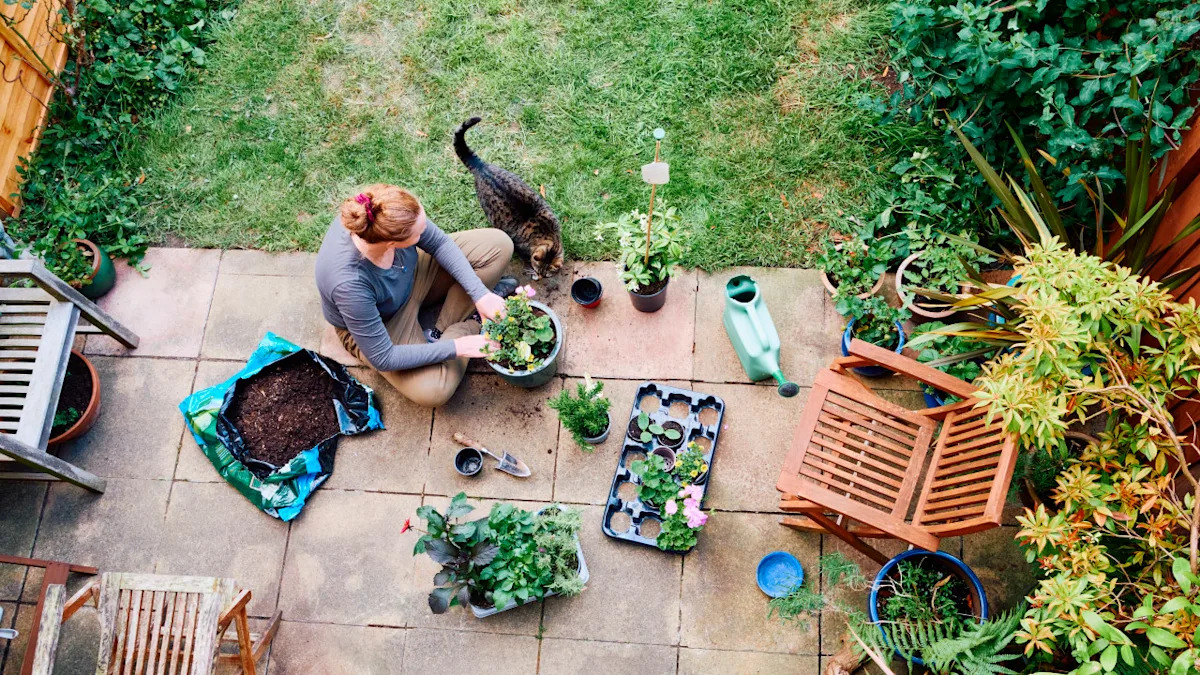
If you’re ready for spring gardening but don’t know where to start, you’ve landed on the right page. While you may have already started brainstorming your spring garden plan, it’s never too late to tweak it to make it more efficient. Even though you might find it difficult not to think about your soon-to-be blooms, the actions you take (or skip) now can impact the success of your garden. Whether it’s your first time gardening in the spring or you have experience and are looking to improve your spring gardening, we have tips for you.
We chatted with gardening and horticulture experts to learn more about the early gardening tasks you can start ASAP. They also share how you can go about completing each of these tasks and even recommend some products you can buy online or at a nearby garden center right now.
1. Assess Damages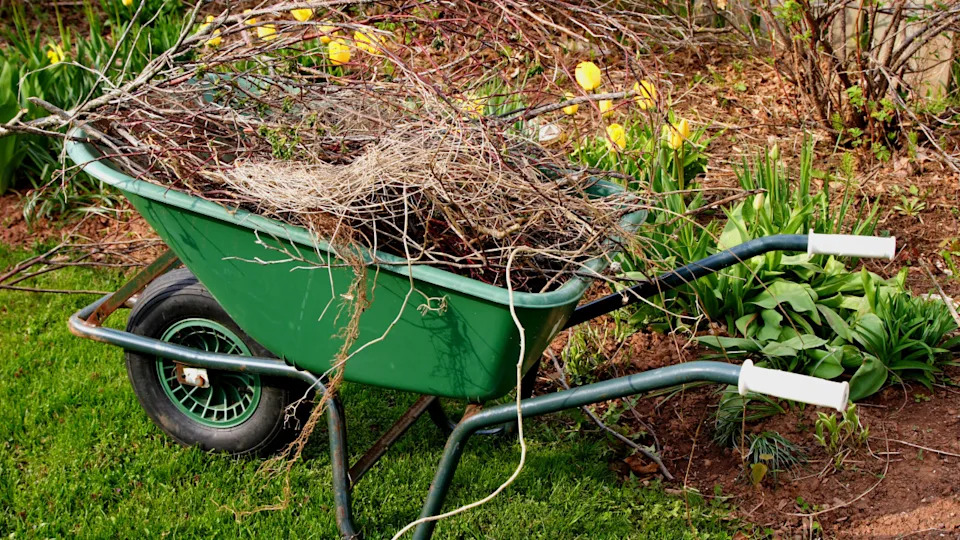
Photo by onepony on Getty Images
(Photo by onepony on Getty Images)
Linda Langelo, extension and horticulture specialist at Colorado State University and author of Plants Are Speaking. Are You Listening?, notes that one of the first early spring gardening tasks you should carry out (if you haven’t already) is to assess any damage your garden might have incurred from the cooler temperatures and potentially nearby animals or insects. She recommends specifically looking for dead branches, any frozen areas, diseased plants or those lifted from the soil. If you have any trees in your garden, she advises keeping an eye out for frozen or cracked bark.
2. Weeding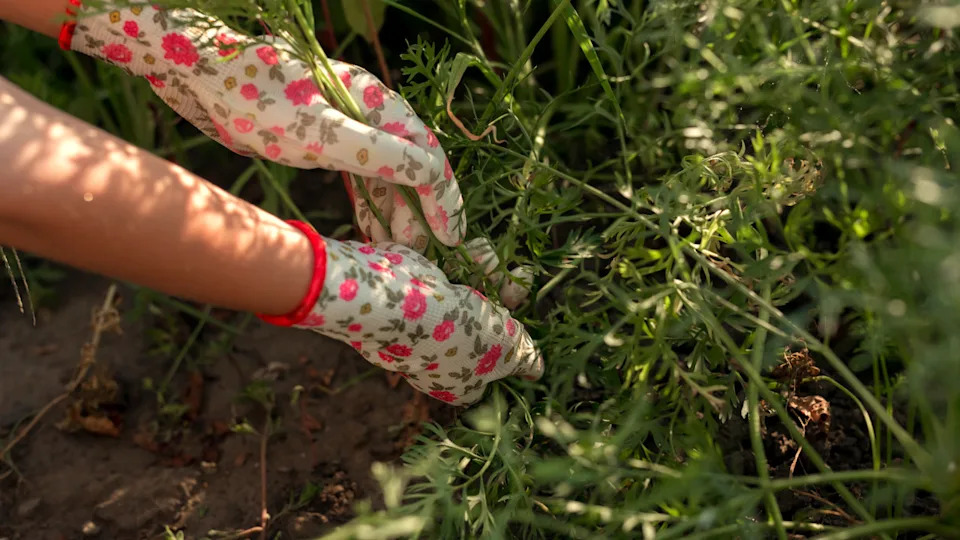
Photo by Ekaterina savyolova on Getty Images
(Photo by Ekaterina savyolova on Getty Images)
Jim Lapic, master gardener with the Penn State Master Gardener Program, advises weeding in early spring. “Now is also a good time to seek out and pull all those invasive vines that always seem to find their way into your gardens,” says Lapic. “In the spring, it is easier to find the vines when they are not hiding beneath leaves and flowers.” While the amount of weeding you need to do will vary, Lapic recommends using gloves and pruning shears to do the best job.
“If I didn’t do the weeding, it would just look awful,” says Annabel Renwick, curator of the Blomquist Garden of Native Plants at Duke Gardens. “The weeds would take over, the weeds would flower, and then they would spread more seed, which would just make a greater problem for me in the future. If you don’t get rid of those, they just take over the beds, and it doesn’t look good.”
3. Add Fertilizer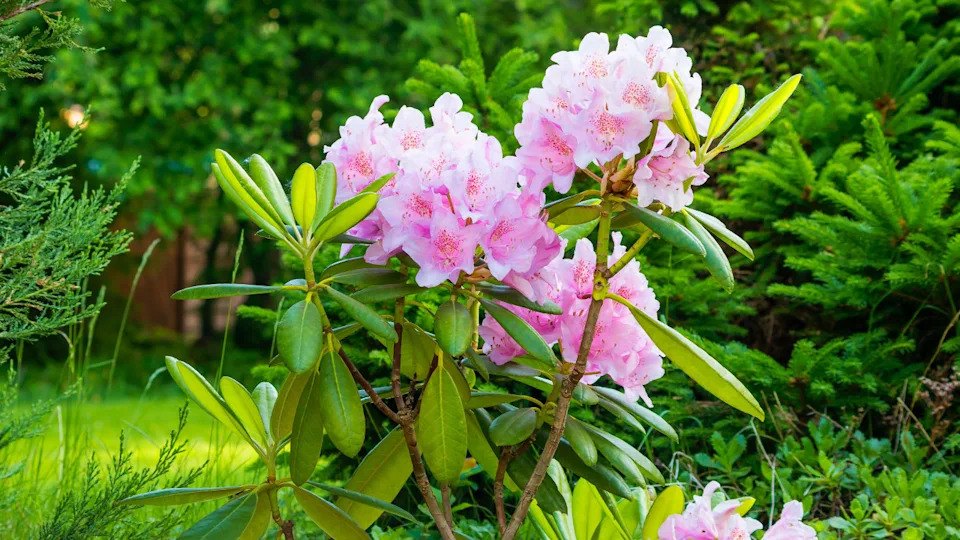
Photo by Ludmila Kapustkina on Getty Images
(Photo by Ludmila Kapustkina on Getty Images)
If you’re working on any normal spring flower beds, Renwick notes that early spring can be a good time to add fertilizer. “For my normal beds, like the spring flower beds, ideally [at] the beginning of March, I would put on an organic fertilizer,” she explains. She adds that the flowers one can fertilize during this time can include holly, native azaleas and camellias, and that native plants often don’t require as much fertilization as horticultural plants.
While the type of fertilizer you use should depend on your plants and your gardening goals, Renwick explains that since she gardens from an ecological standpoint, she uses one from McGeary Organics as it’s low in nitrogen and offers a slow release (instead of a faster release).
4. Cut Back Last Year’s Perennials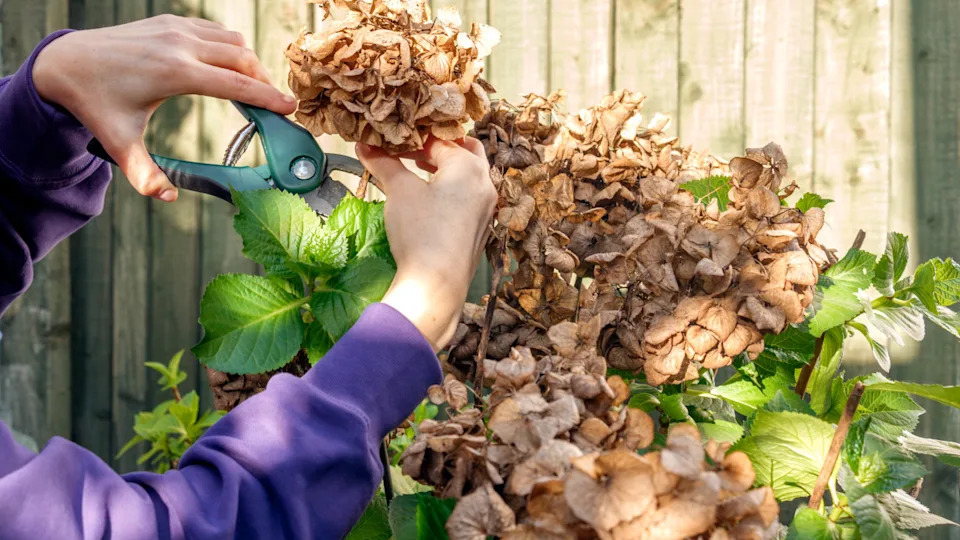
Photo by Olga Dobrovolska on Getty Images
(Photo by Olga Dobrovolska on Getty Images)
If you haven’t already cut back last year’s perennials, Renwick states that it is still a task you can do now. “If you have perennial flowers that have stems [which have] sort of died back, we tend to leave that until about March to cut back,” says Renwick.
While some people may choose to complete this step earlier, she explains that waiting until around this time in March can positively benefit nature. “We’re trying to encourage people to leave the stems and leave the plants over winter so that these insects can actually overwinter in the garden,” says Renwick. “If they don’t, if they take them away, then they kill the insects, [and] you’re reducing the population of insects, which means you’re reducing the population of the birds.”
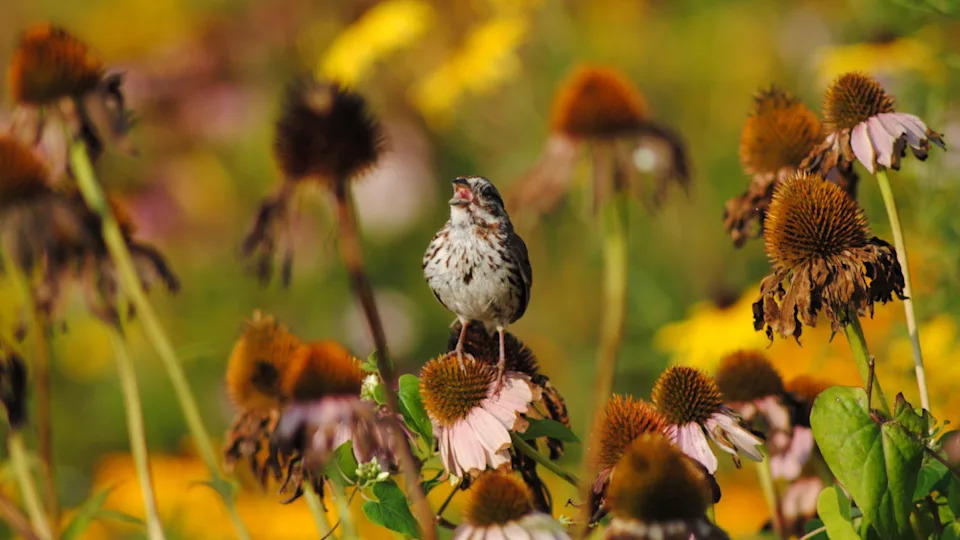
Photo by Jill Huckelberry / FOAP on Getty Images
(Photo by Jill Huckelberry / FOAP on Getty Images)
While you can use a pole hedge trimmer, she notes that all you really need is a pair of pruners to effectively cut back any of last year’s perennials that could use a trim. “In my own personal garden at home, I just use pruners [and] go around and cut the plants back, then chop it up and just let it go onto the ground,” says Renwick. “Because it’s organic matter that gets taken up by worms and things, it’s very good for the soil structure, [and] by keeping it to this time of year, it allows the insects to overwinter and then, stay alive, stay in the garden and then breed.”
5. Prepare Containers
Photo by Alexander Spatari on Getty Images
(Photo by Alexander Spatari on Getty Images)
Early spring is the time to prepare any containers you may have or want to tend to throughout the season. “I have some containers that are there year in, year out, and I tidy those up, add more compost to those to help fertilize them for the coming year, cut them back, make them nice for the next year, and then I do plant new containers, around my patio and other areas,” says Renwick.
Related: How to Prune Hydrangeas (And When to Do It)
This story was originally published by Parade Home & Garden on Mar 23, 2026, where it first appeared in the Gardening section. Add Parade Home & Garden as a Preferred Source by clicking here.
Comments are closed.