
Credit: Yana Tatevosian / Getty Images
Key Points
Sow seeds directly in the garden to grow carrots, green beans, lima beans, okra, and radishes.
Plant flowers such as nasturtiums, wildflowers, and sunflowers by sowing their seeds in the spring after the danger of frost has passed.
Arugula and other delicate leafy greens like lettuce should be sown where they will mature to ensure the freshest, most flavorful, and most productive harvest.
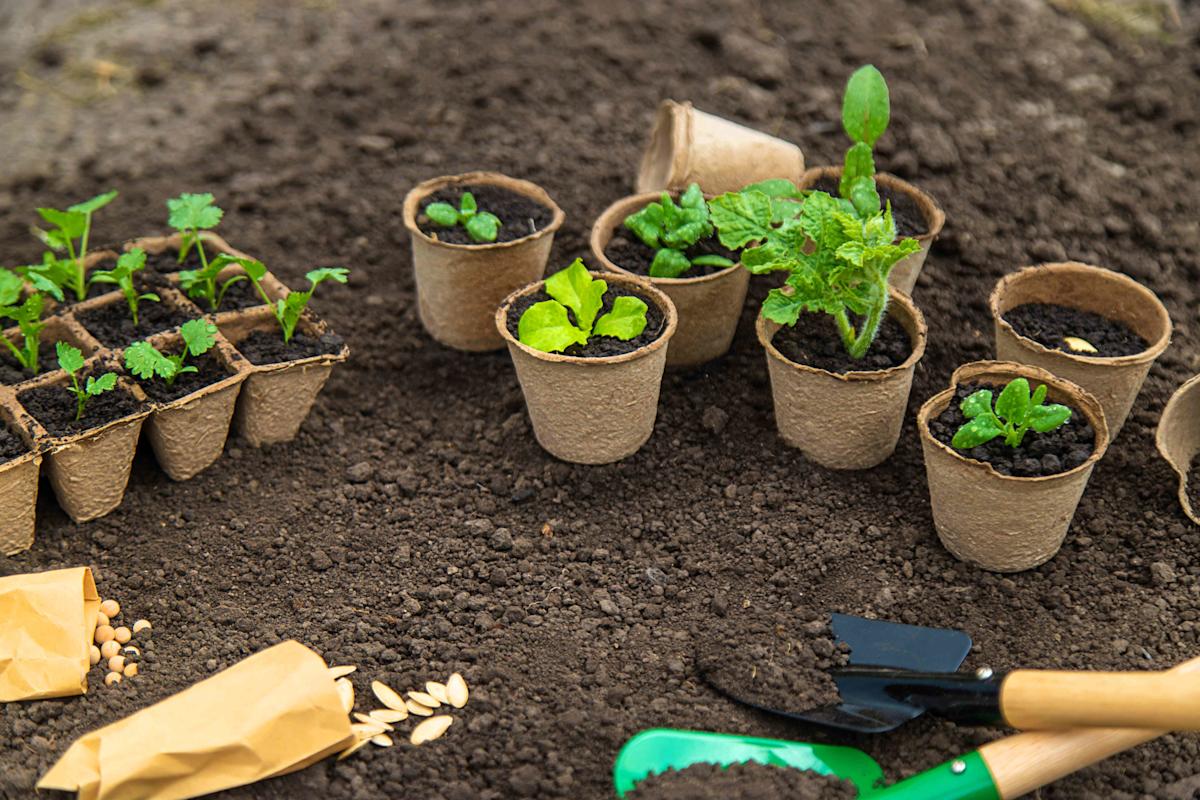
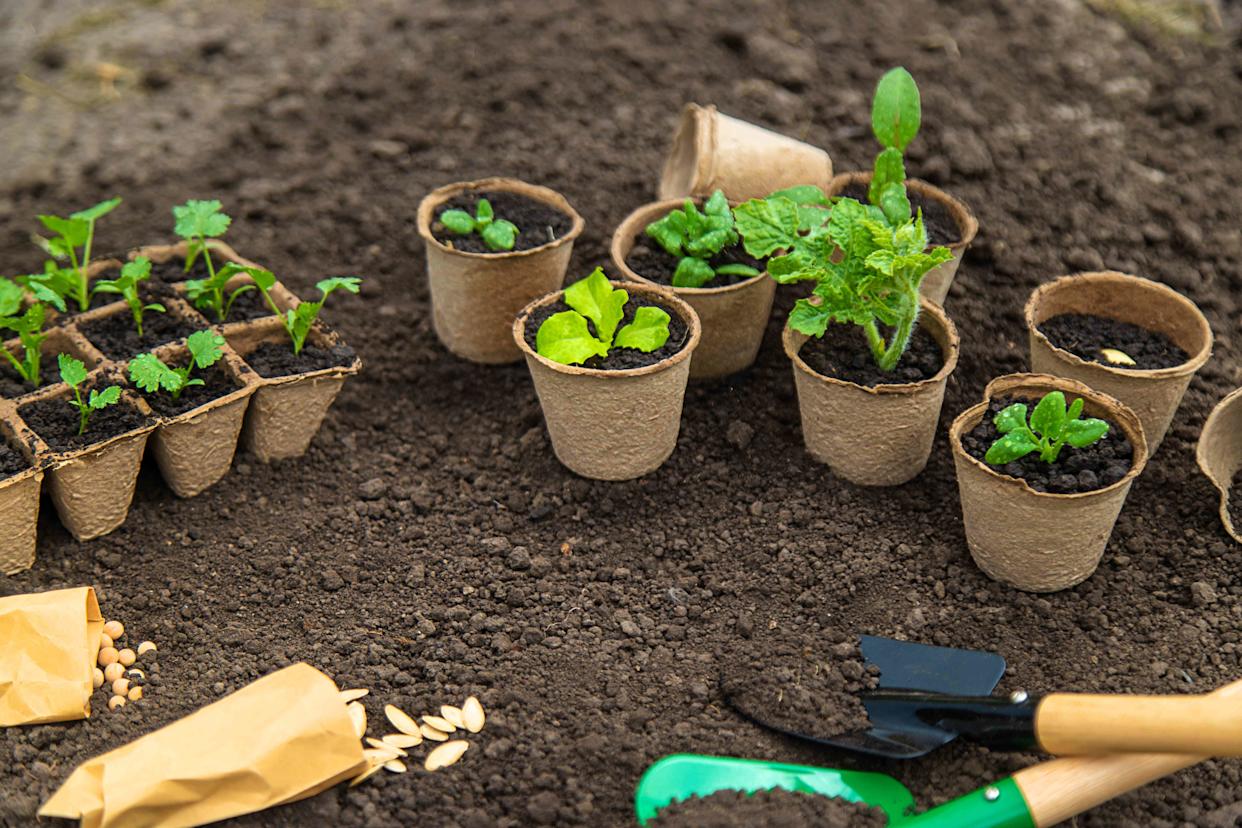
With spring on the horizon, it’s time to wake up the garden. Annuals, perennials, veggies, and fruits are just some of the plants you might be ready to put into the soil, but you might not be aware of this lesser-known fact: not all varieties should go into the garden as transplanted seedlings.
Some plants do better when added to the garden as seeds instead. To confirm which plants to never buy as seedlings, we chatted with gardening experts.
Meet the Experts
Elizabeth Jones is the seed librarian at the Jefferson Public Library in Jefferson, Georgia.
Nicole Johnsey Burke is a gardener and CEO of Gardenary Inc., a garden education and lifestyle brand teaching how to garden.
01 of 09
Carrots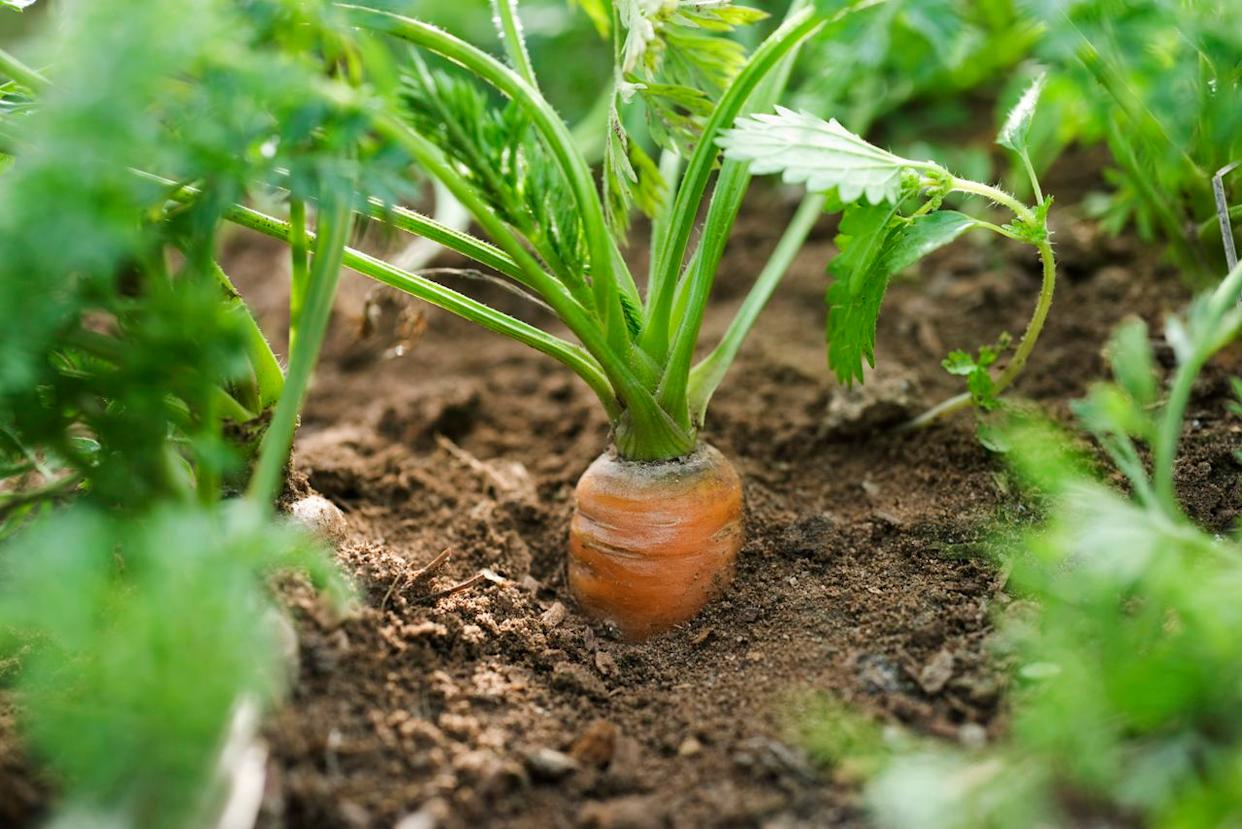
Credit: PhotoAlto/Laurence Mouton / Getty Images
Carrots are highly productive vegetables when directly sown in the garden from seed. In fact, they do better this way. According to Ellie Longfellow Bilodeau, a third-generation gardener at Longfellow’s Greenhouses in Maine, starting carrots from seed typically leads to the best carrot harvest.
Since seedlings are often sold in limited quantities, such as 4-packs or 6-packs, you’re only getting four to six plants per pack, Longfellow Bilodeau says.
“In contrast, when you directly sow seeds like carrots in the garden, you start with a much higher number of plants, which can lead to a more abundant harvest.”
02 of 09
Green Beans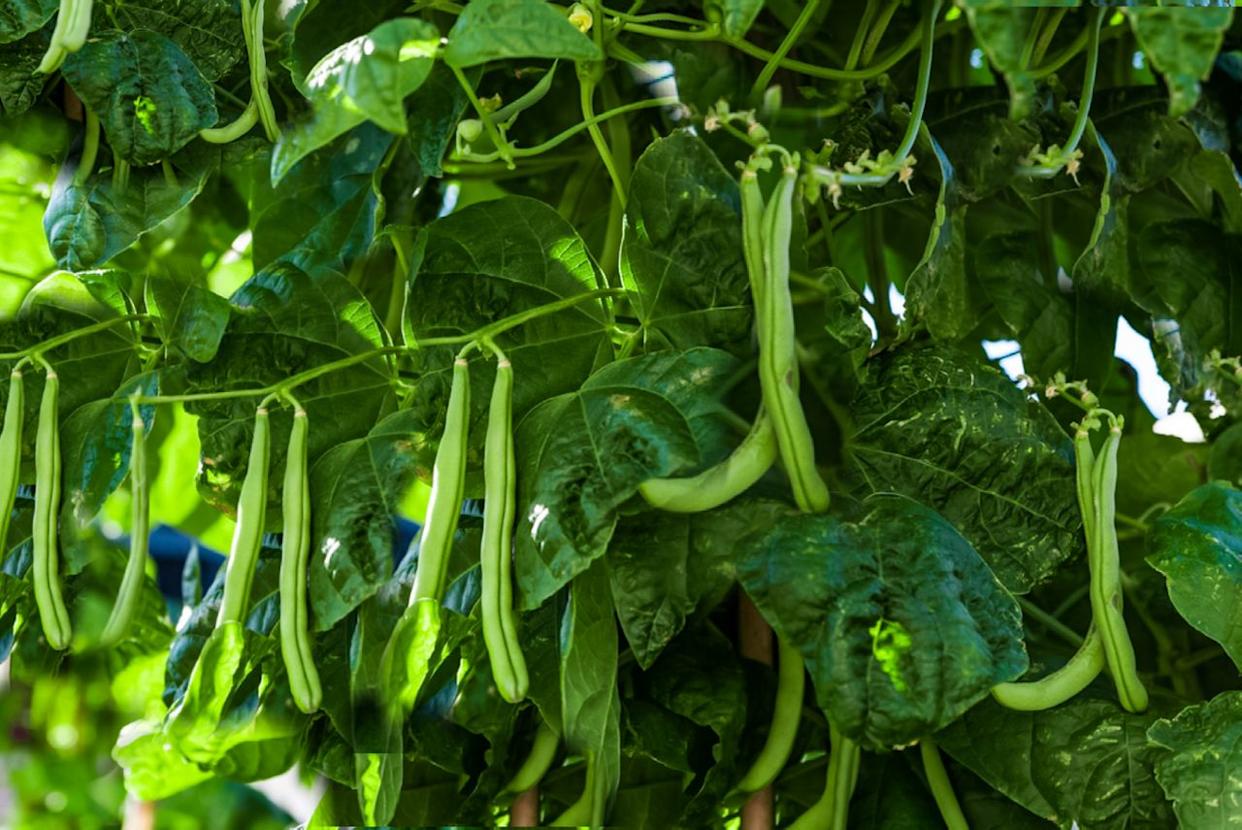
Credit: The Spruce / K. Dave
These vegetables are easy to germinate and thrive when started directly in the soil. And as with carrots, planting them as seedlings can result in a smaller yield. Longfellow Bilodeau suggests buying more green bean seedlings if you opt to plant these instead of seeds.
“Although we now offer green bean seedlings at our garden center due to popular demand, we double-seed each 6-pack, so customers receive 12 plants instead of six,” Longfellow Bilodeau says. This provides more value.
03 of 09
Nasturtium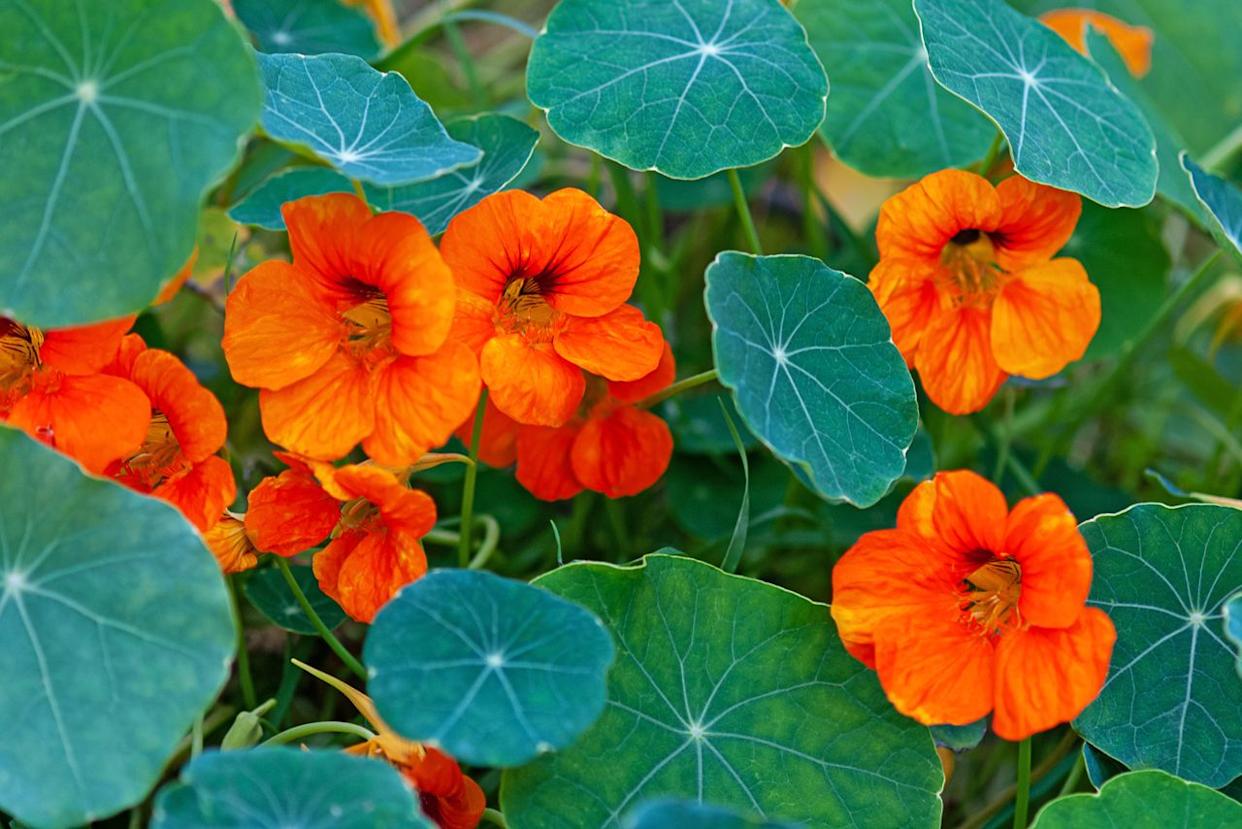
Credit: Nadya So / Getty Images
These are hardy, easy-growing annuals that thrive when seeded outdoors, making them well-suited to direct sowing in many climates. Plus, starting them from seed is a more cost-effective option, and there may be a greater selection of varieties to choose from and you have more control over the growing conditions, Longfellow Bilodeau says.
However, that all said, there might be some instances when buying from seedlings is a good idea.
“In colder regions, such as the Northeast, where the growing season is shorter due to early frost dates, it can be highly beneficial to start most annuals indoors,” she explains.
04 of 09
Wildflowers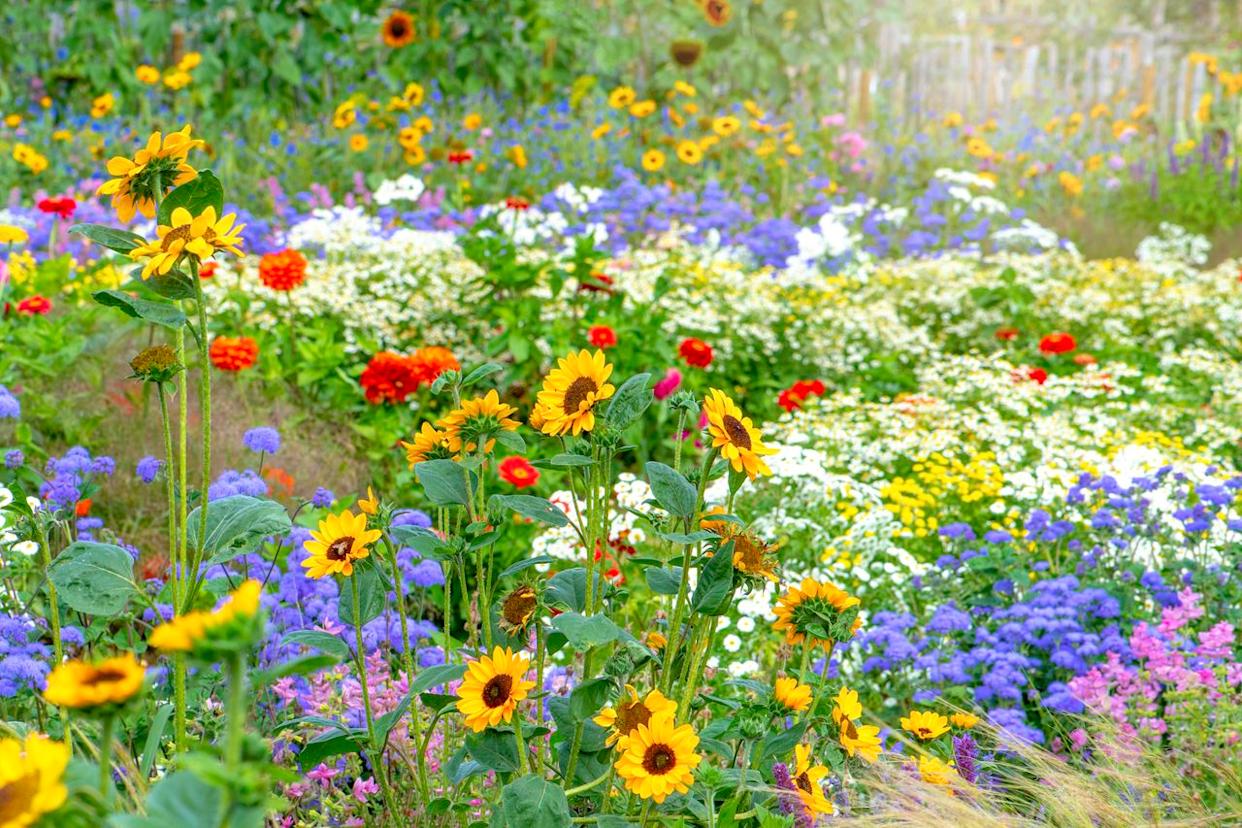
Credit: Jacky Parker Photography / Getty Images
Never buy wildflowers as seedlings. Longfellow Bilodeau explains how you will get a larger yield if you start these from seed outdoors due to the volume in a seed pack versus pre-starting and purchasing as seedlings.
And since summer wildflowers help enhance the diversity of your garden and yard (and really benefit pollinators), the more wildflowers you can have, the better.
05 of 09
Arugula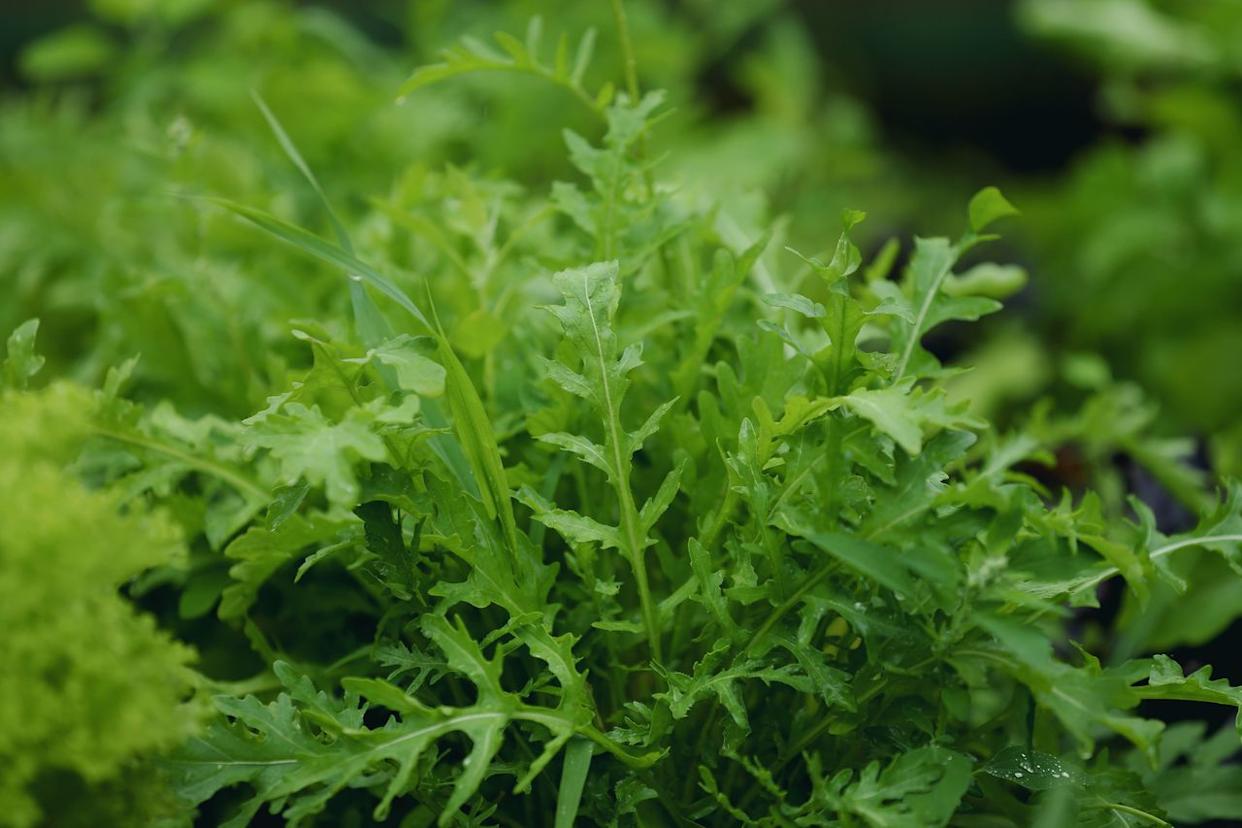
Credit: Elena Popova / Getty Images
Arugula and other delicate leafy greens like loose-leaf lettuce and red and green leaf lettuces shouldn’t be purchased as seedlings. Nicole Johnsey Burke, a gardener and CEO of Gardenary Inc, explains how these plants have fragile shallow roots that may struggle to adapt to a new environment.
Since these plants are grown for their leaves, direct sowing them where they will mature ensures the freshest, most flavorful, and most productive harvest, she adds.
06 of 09
Lima Beans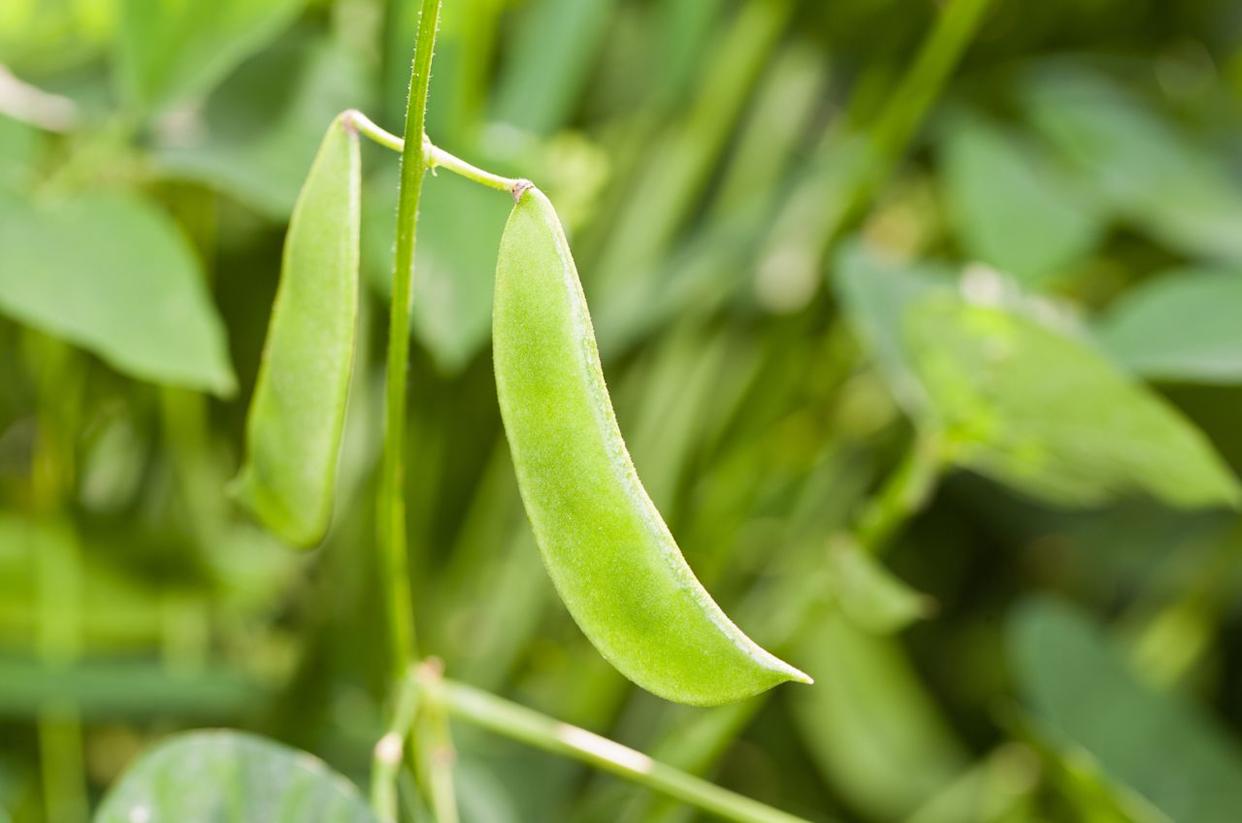
Credit: Uncle_Benny / Getty Images
Lima beans should be grown from seed. But that’s not all. Most garden varieties or common beans do not like being transplanted. According to Elizabeth Jones, the seed librarian at the Jefferson Public Library, this lengthy list includes such garden staples as lima beans, green beans, pinto beans, bush beans, pole beans, and more. Jones explains how they don’t like their roots disturbed and are better to directly sow.
07 of 09
Radishes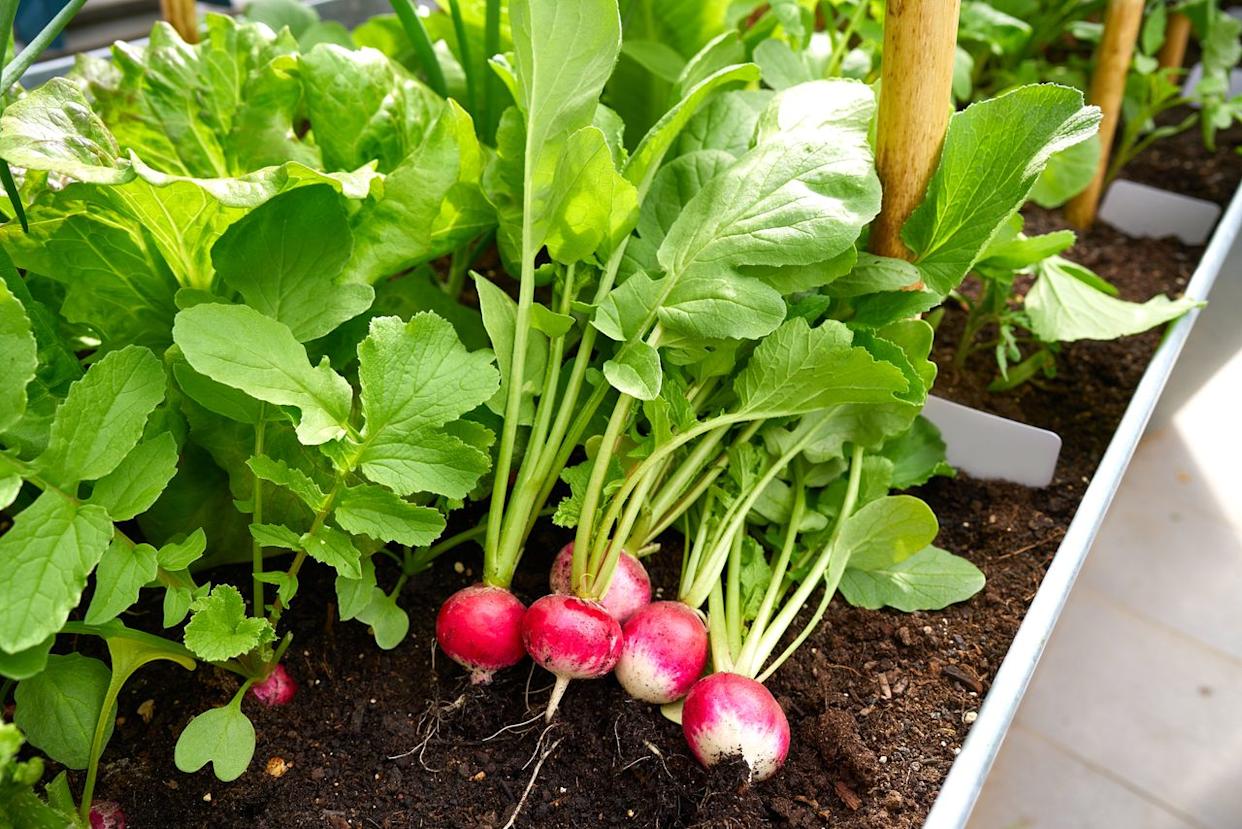
Credit: LUNAMARINA / Getty Images
Root crops like radishes (this also includes carrots and beets) should also be started from seed rather than seedling.
“Their sensitive taproots dislike being disturbed—and since the root itself is the crop, keeping it healthy and undisturbed is key,” Johnsey Burke, says.
Instead, plant these crops as seeds directly into the ground for the best results.
08 of 09
Okra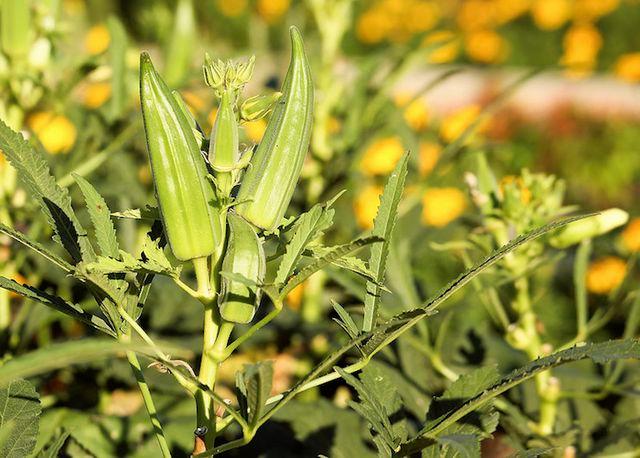
Okra thrives in hot summers, ike those found in Dallas, Texas where this image was captured.
Credit: jus tt for fun / Flickr
Okra is another veggie you should plant directly in the ground.
“Okra has a long tap root, and although you can transplant it, okra is better to direct sow,” Jones says. “I’d only consider a transplant if I were a few weeks late on sowing.”
If purchasing an okra seedling from a garden store, be sure to examine the pot to make sure the okra isn’t root-bound, she adds.
09 of 09
Sunflowers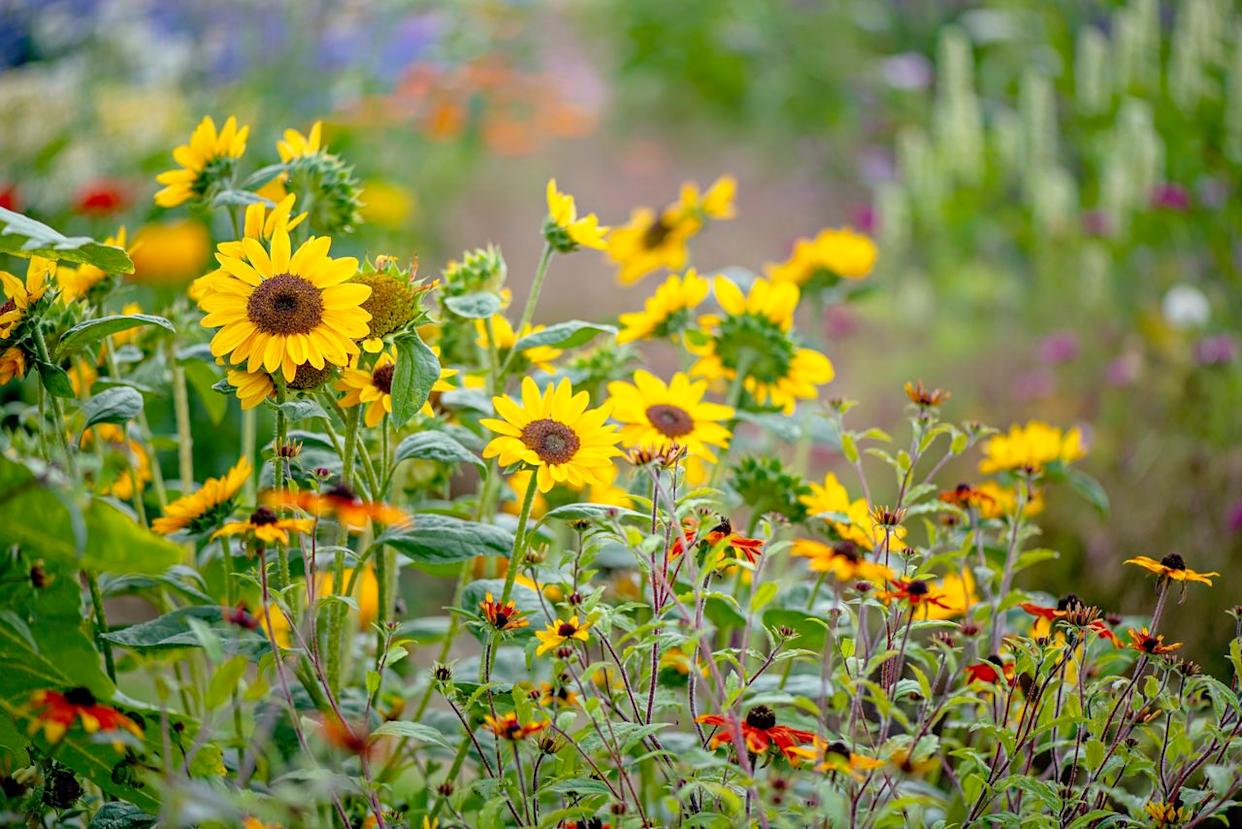
Credit: Jacky Parker Photography / Getty Images
When acting as a perennial, sunflowers shouldn’t be bought as seedlings.
“Perennials can grow slowly over time before they reach maturity and by purchasing as a seedling, you will need to wait longer in order for the plant to mature,” Longfellow Bilodeau says.
Therefore, it will take longer for your sunflower to reach maturity in an area it has a tough time growing and must act as a perennial.
Read the original article on The Spruce
Comments are closed.