
Credit: Marty Baldwin
If you’re a veggie gardener, you’re likely looking forward to sunny days ahead, when you can finally start sowing seeds outdoors. But assuming you need to wait until the soil warms is a mistake.
“Many gardeners often miss the opportunity to get a head start on cool-season crops such as lettuce, peas, and radishes, which thrive when sown early,” says Nancy Trautz-Awot, horticulture specialist at Burpee. These crops can handle a light frost and be planted “as soon as the soil is workable, meaning it is neither frozen nor excessively wet,” she says. (How to tell if your soil is workable? “If you squeeze a handful of it it should hold together without dripping,” she says.)
Here, Trautz-Awot shares her top 5 crops to sow in the ground now, all of which are part of Burpee’s new early spring planting guide. All are delicious, easy, and “require minimal time until harvest, so they can easily be replaced with warm-season vegetables later,” she says.
Related: Enjoy Plentiful Homegrown Veggies with This Large-Scale Vegetable Garden Plan
01 of 05
Radishes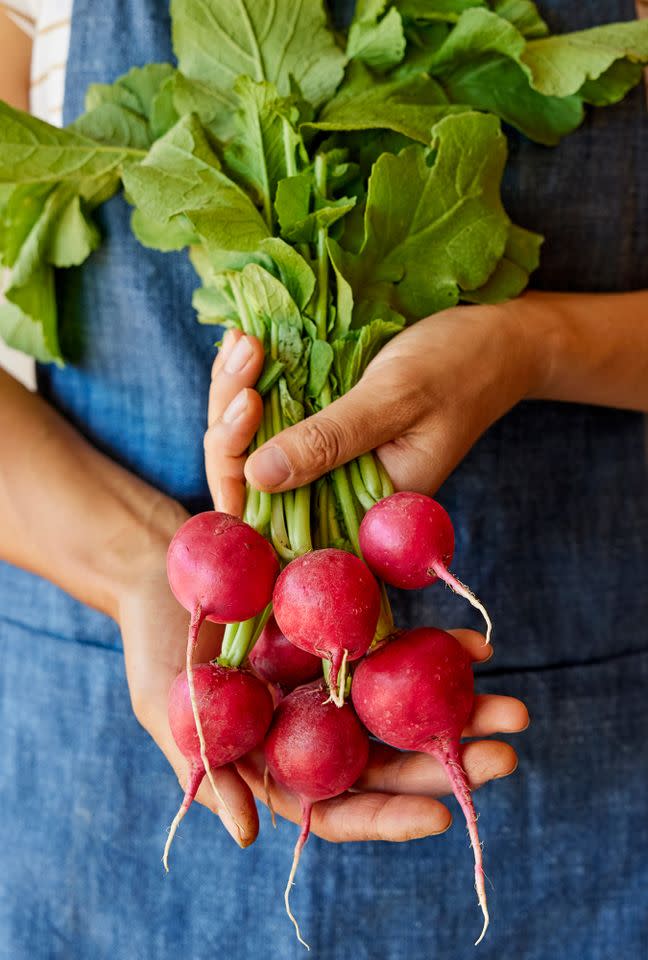
Credit: Courtesy of Burpee
For quick veggie garden success, sow radish seeds. “Radishes are fast-growing and forgiving, making them ideal for early sowing and succession planting,” says Trautz-Awot. You don’t need a lot of space to grow them (and in fact, gardeners often double them up with carrots to maximize growing space).
Her personal favorite radish: ‘Fabulosa’. “It’s ready in approximately 20 days, with appealing color, shape, and a crisp, mild flavor.”
02 of 05
Arugula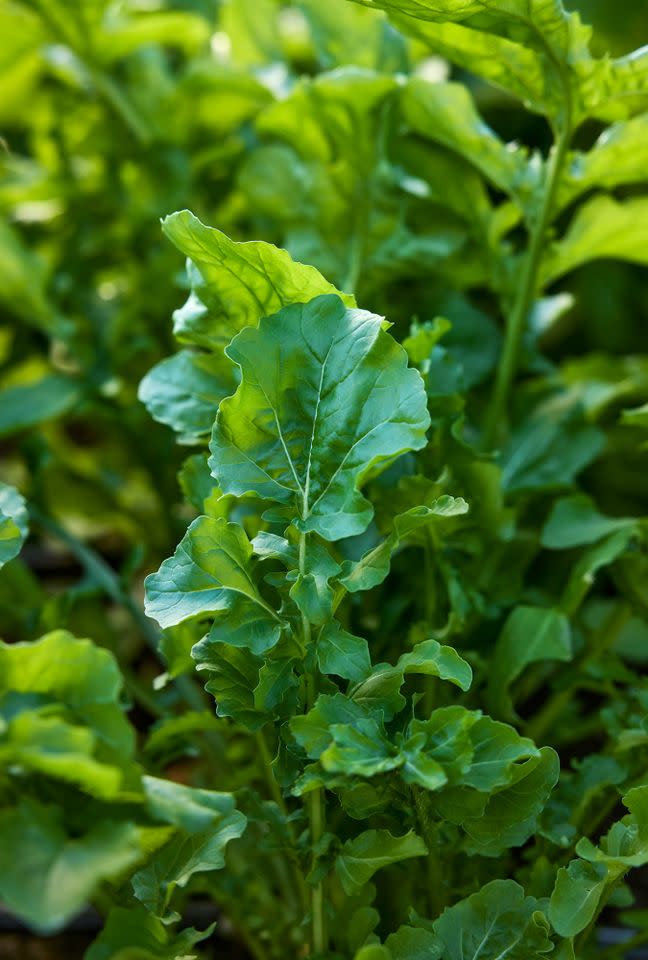
Credit: Courtesy of Burpee
“A quick-growing, beginner-friendly leafy green,” arugula is another surefire winner to add to your cool-season garden. In fact, this is prime time to enjoy the green; higher temps cause it to bolt instead of producing leaves.
Trautz-Awot especially loves Rocket arugula, an heirloom that “offers tender leaves with the classic peppery flavor, perfect for fresh use in salads and as a garnish.” It’s ready to harvest in just a little over a month from sowing.
03 of 05
Peas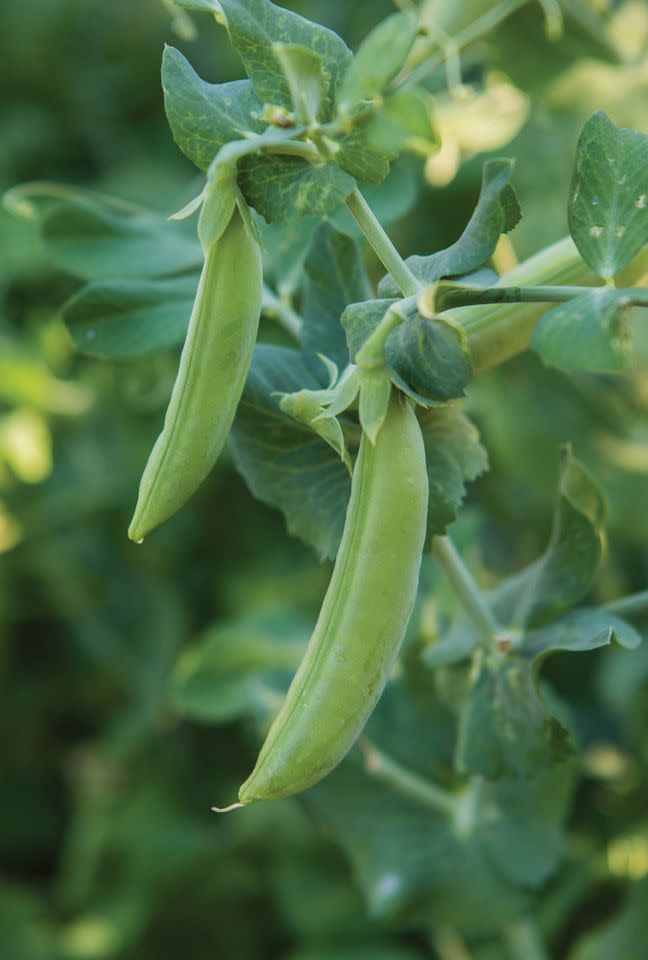
Credit: Courtesy of Burpee
Sown in cool weather, peas will reward gardeners with delightful garden-fresh flavor in spring. Whether you grow snow, snap, or garden peas, even beginning gardeners will find success with them.
Of the many pea varieties out there, Trautz-Awot says ‘Little SnapPea Crunch’ is a particularly great one to try if you’re working in a small space or gardening in containers. It’s compact, doesn’t require a trellis, and “despite its smaller size, it produces sweet, tender pods and is surprisingly productive,” she says. Peas are ready to harvest about 58-60 days after sowing.
04 of 05
Loose Leaf Lettuce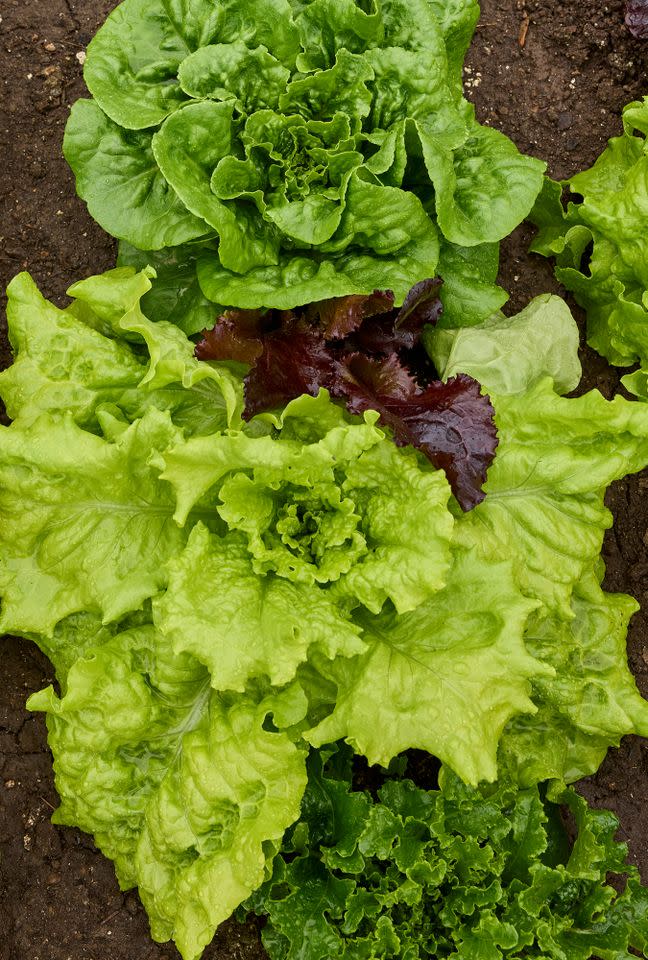
Credit: Courtesy of Burpee
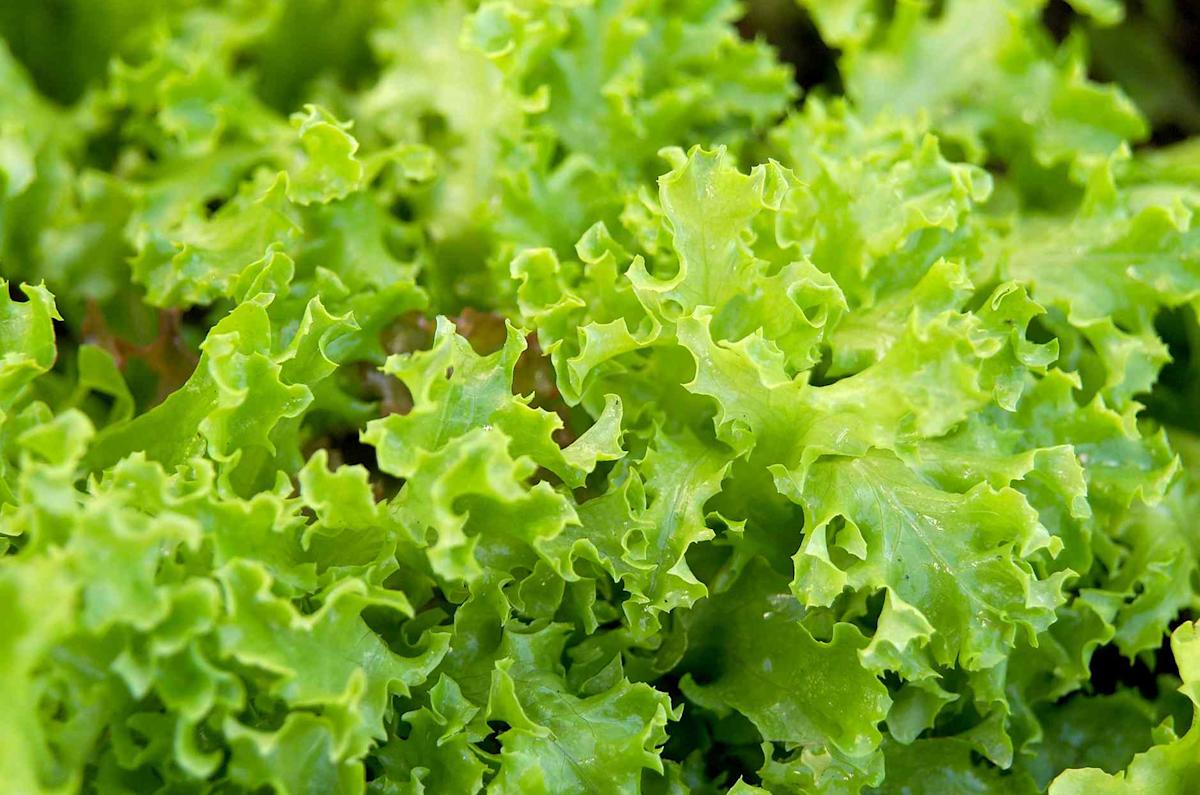
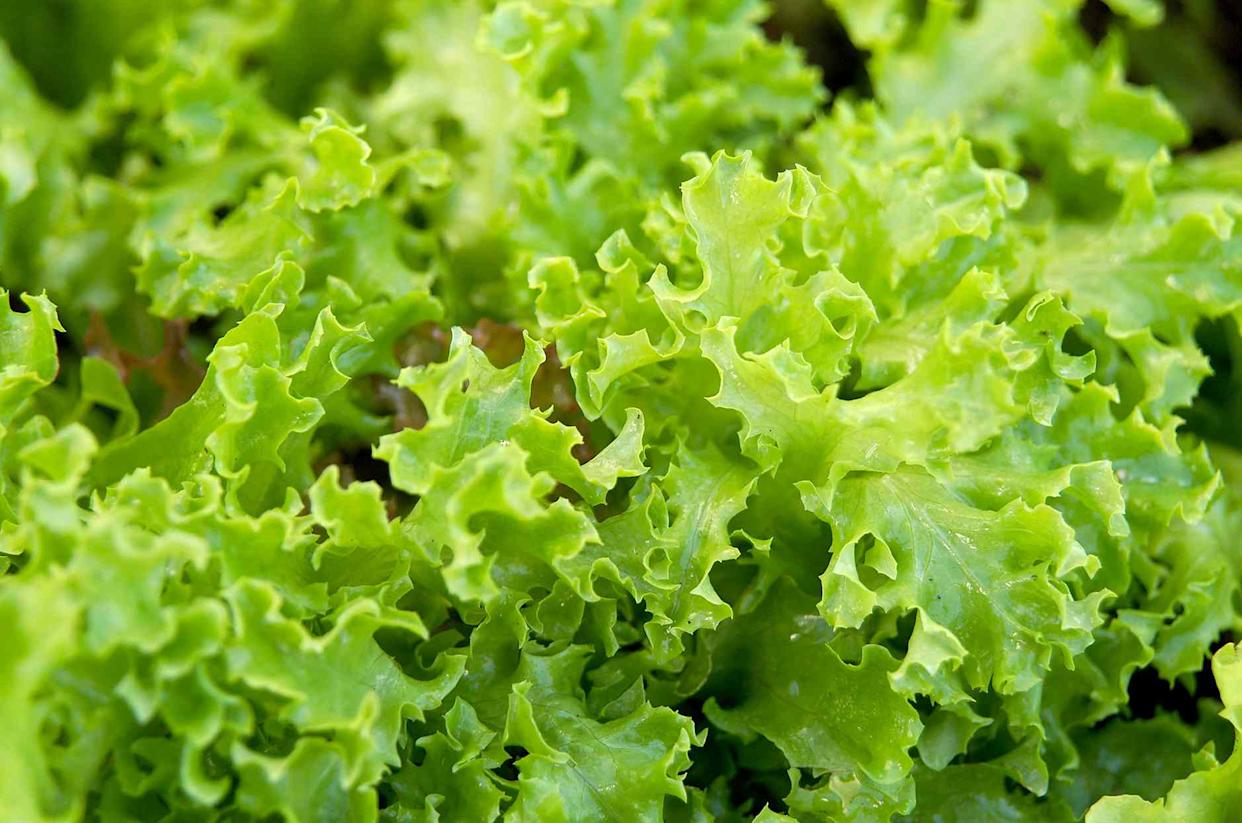
Salad days ahead: “Lettuce can be sown a week or two before the last frost,” says Trautz-Awot. “Leaves can be harvested individually, allowing the plant to continue producing, or the whole head can be harvested at once.”
A great one to try is ‘Heat Wave Blend Lettuce,’ a mix of loose-leaf varieties. “The mix stays mild and crisp through the spring and holds up well as temperatures begin to warm,” says Trautz-Awot. “It produces a beautiful combination of red and green leaves with varied textures, making it both attractive and versatile for salads. It’s also beginner-friendly—reliable, forgiving, and easy to grow in garden beds or containers.” It’s ready to harvest in about 50 days from sowing.
05 of 05
Kale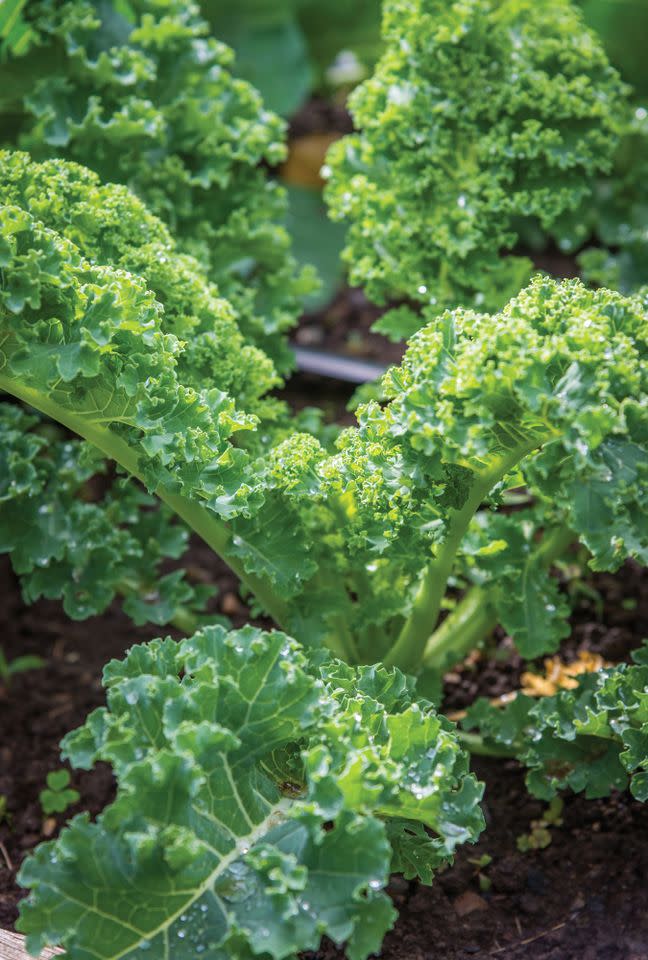
Credit: Courtesy of Burpee
A favorite for its nutritious leaves, kale thrives in cool weather. It prefers full sun, but doesn’t like it hot (in fact, it prefers temperatures under 80°F).
Looking to try something other than the usual grocery-store kale varieties? “‘Prizm Hybrid’ produces smooth, tender leaves that are less bitter than traditional varieties,” says Trautz-Awot. A past winner of the All-America Selections award, “it’s highly productive, providing ample harvest from just a few plants.” It matures about 50-60 days after sowing, but young leaves can be picked earlier, too.
Read the original article on Better Homes & Gardens
Comments are closed.