
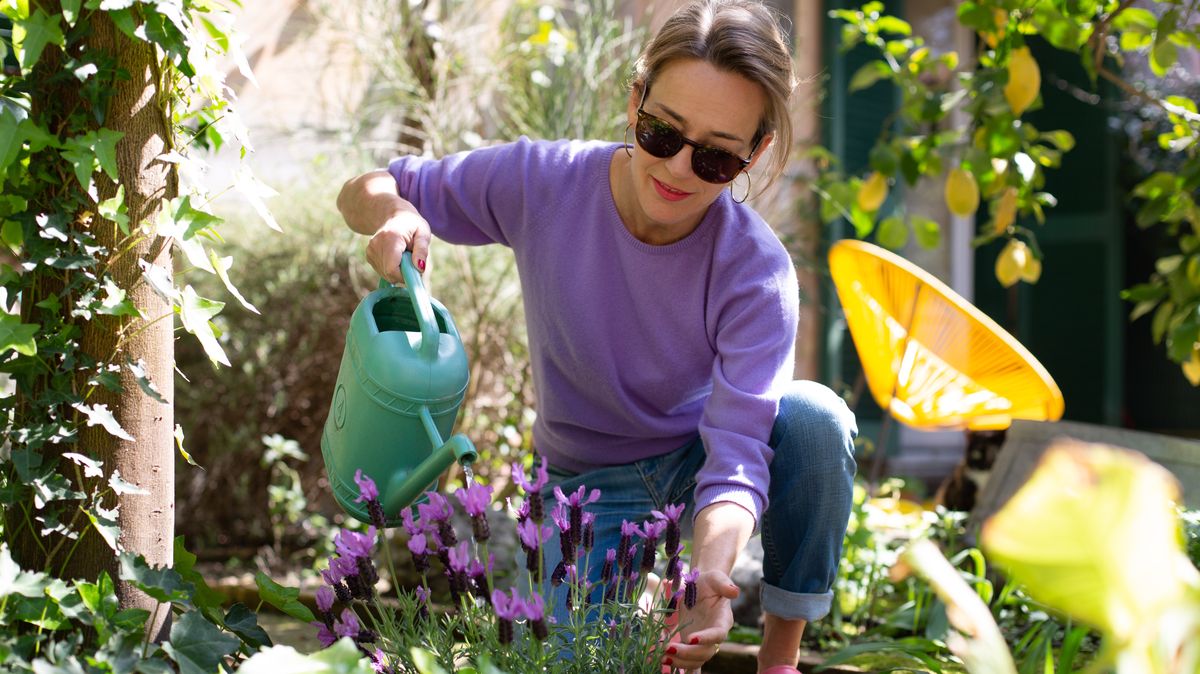
Busy gardeners can achieve a thriving, low-maintenance garden by using smart strategies like straw mulch, drought-tolerant plants and self-watering systems that save hours each week.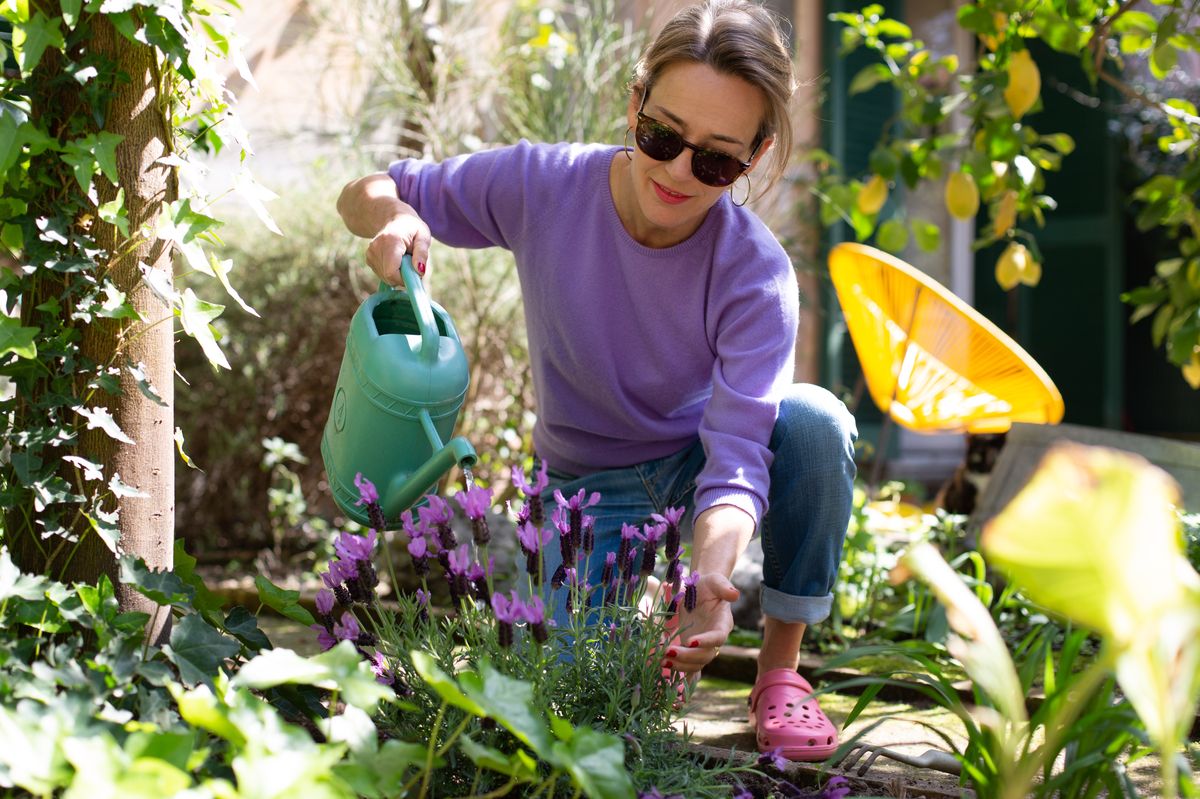
Gardening expert shares proven low-maintenance techniques that let busy people enjoy beautiful gardens without daily upkeep(Image: GettyImages)
For homeowners juggling work, family and a social life, maintaining a garden can feel impossible. Many dream of a beautiful outdoor space, but worry that daily watering, weeding and plant care will eat up every free moment.
Although a thriving garden doesn’t require constant attention. With smart planning, the right plant choices and a few strategic tools, even busy gardeners can enjoy a stunning outdoor space without dedicating hours each day.
From reducing the need to weed and water to setting up self-sustaining systems, small inexpensive changes can save weeks of effort and time over a growing season.
Vince Braun, Founder and President & CEO of HealthiStraw, says: “People think gardening requires constant attention, but the right approach can give you amazing results with very manageable time investment.”
The expert shares his six proven strategies that he claims lets people with busy lifestyles enjoy their garden to the fullest without sacrificing their packed schedules for timely gardening.
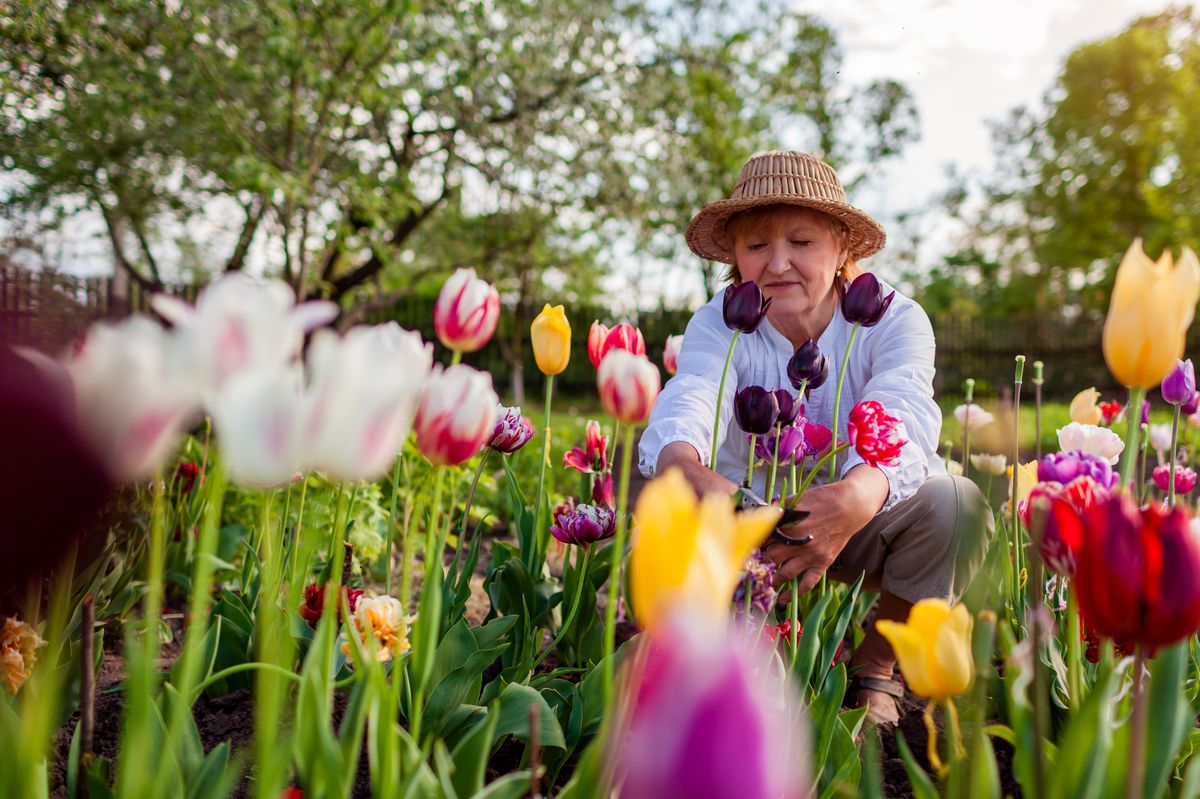
The expert says gardening doesn’t need to be difficult(Image: GettyImages)
Use straw mulch to eliminate 75 per cent of gardening
A thick layer of straw mulch around plants and garden beds is the single biggest time-saver. It blocks sunlight from reaching weed seeds and retains moisture for plants, reducing watering needs.
“Most gardeners spend hours each week pulling weeds, but proper mulching eliminates that chore almost entirely,” explains Braun. “The straw also retains moisture, so you’re watering less frequently while your plants stay healthier.”
Setting up mulch takes just 15–35 minutes, and a 2–3 inch layer can save 30 minutes to 1.5 hours of weekly weeding throughout the growing season.
Plant drought-resistant plants
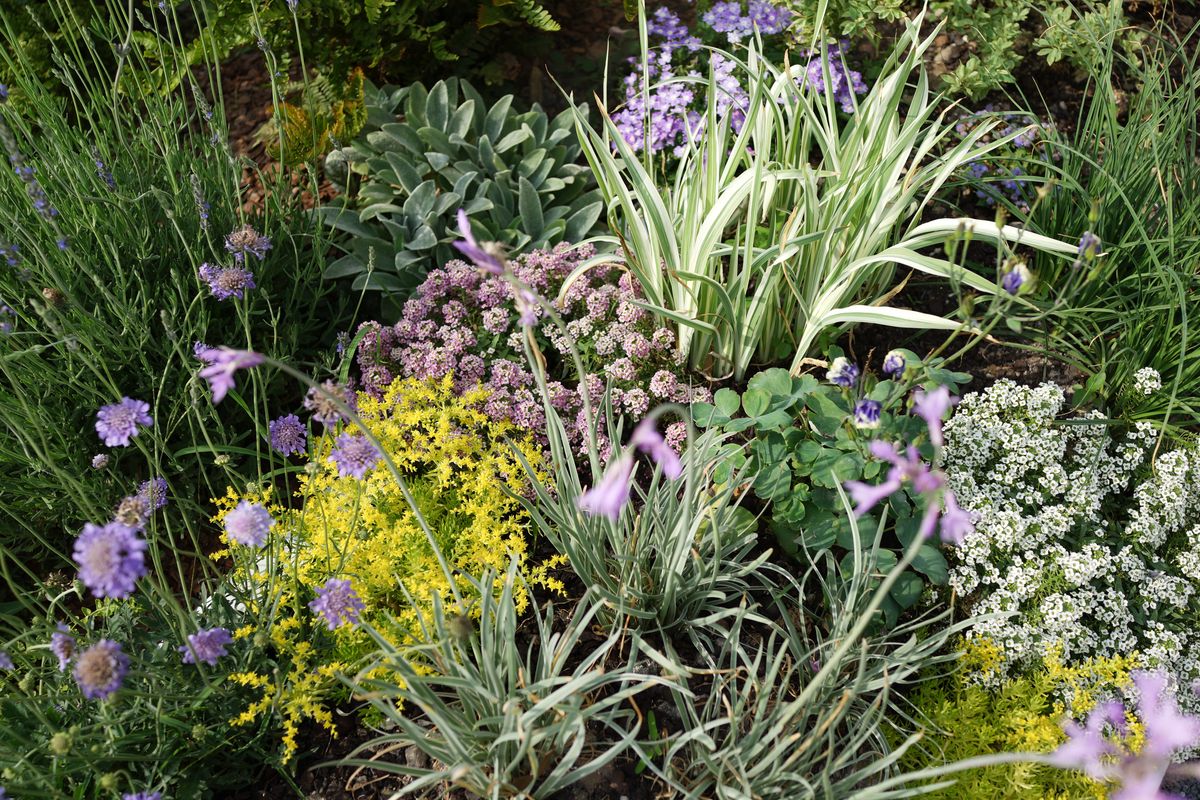
Selecting plants that thrive with minimal care is key. Mediterranean herbs like rosemary, lavender and oregano prefer dry conditions once established, while native wildflowers and grasses need little supplemental watering after their first season.
Succulents and drought-tolerant vegetables, such as cherry tomatoes, Swiss chard and bush beans, also allow for low-maintenance gardening.
Self-watering container systems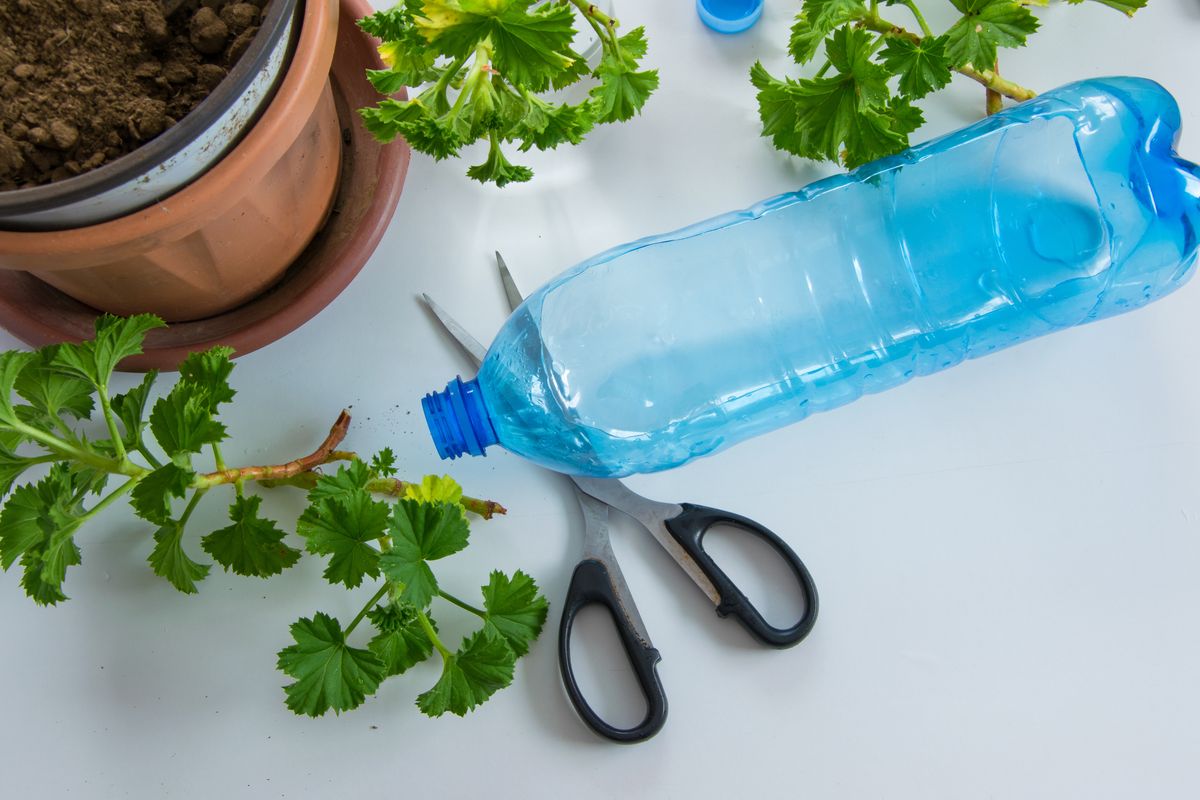
Self-water containers can help plants grow without the constant need to water them yourself(Image: GettyImages)
Self-watering containers, which use a reservoir to feed plants gradually through capillary action, make container gardening nearly effortless. Filling the reservoir once or twice weekly will allow plants to receive consistent moisture even during hot weather.
Additionally self-watering containers are game-changers for busy gardeners, as you can go away for a long weekend without worrying about your plants.
DIY versions can be created using storage containers and PVC pipe, or ready-made systems can be purchased. Either way, most of the work is upfront, with only minutes needed each week for maintenance.
Replace high maintenance lawns
Traditional lawns demand mowing, watering and seasonal treatments. Ground covers like creeping thyme, ajuga or pachysandra provide lush green spaces with minimal upkeep, requiring cutting only once or twice per year.
These hardy plants also suppress weeds, retain moisture and may even produce small flowers. A weekend spent planting can save hours of lawn care throughout the growing season.
Plant perennials
Unlike annual flowers, perennials like coneflowers, black-eyed Susans and daylilies return year after year with little intervention.
Many grow better with “benign neglect” than constant fussing, especially when chosen to match local growing conditions.
Flowers such black-eyed Susans and day lilies bloom each summer once first planted (Image: GettyImages)
Strategical garden layout
Group plants with similar water and care needs together and position higher-maintenance plants near water sources or frequently used areas. This concentrated approach means you can focus attention where it’s most needed while letting other areas largely manage themselves.
Additionally raised flower beds with defined borders improve drainage and making it harder for weeds to migrate from surrounding areas.
The expert emphasised the importance of working with natural processes, and just how easy it makes gardening. Braun states: “These techniques work because they align with natural processes rather than fighting against them. When you use materials like wheat straw mulch, you’re mimicking what happens in nature, since organic matter covers soil, retains moisture, and suppresses weeds naturally.
“The beauty of low-maintenance gardening is that it’s often more sustainable and healthier for your plants than high-intervention methods.”
He continues: “I see too many people give up on gardening because they think it requires hours of daily work. But smart setup and plant choices can give you a thriving garden that needs attention maybe once a week.
“The time you invest upfront in mulching, choosing the right plants, and creating efficient watering systems pays dividends all season long. You end up with better results and more time to actually enjoy your outdoor space.”
Comments are closed.