
By Brian Minter
The importance of planting trees cannot be overemphasized, but their survival is the rest of the story.
Simply digging a hole and dropping the tree in does not work.
Extended periods of summer heat and drought, high winds and the excessive rainfall of atmospheric rivers make it so challenging for plants to become established and survive.
Advertisements

This is the reason we need to create a planting area that not only encourages the plants to settle in quickly, but also allows them to endure and thrive in the future.
Once you’ve identified the planting area, you need to prepare the soil.
As a rule of thumb, your well-worked section should be at least one and a half to two times the size of the current root system of the plant. Whether it’s growing in a container, has a burlapped ball or is still bare root, all root systems need enough room for new roots to grow. As the plant grows, you’ll need plenty of space for those new roots to develop and expand more deeply into new areas where they can find their own moisture, which is especially important during long periods of warm weather.
In most cases, the existing soil is not very good, especially when you dig below the top layer. Heavy clay-based soils are the most challenging because the density makes it difficult for roots to penetrate. Claylike soils also tend to hold moisture and, after long rainy periods, water will sit, keeping the roots far too wet for far too long.
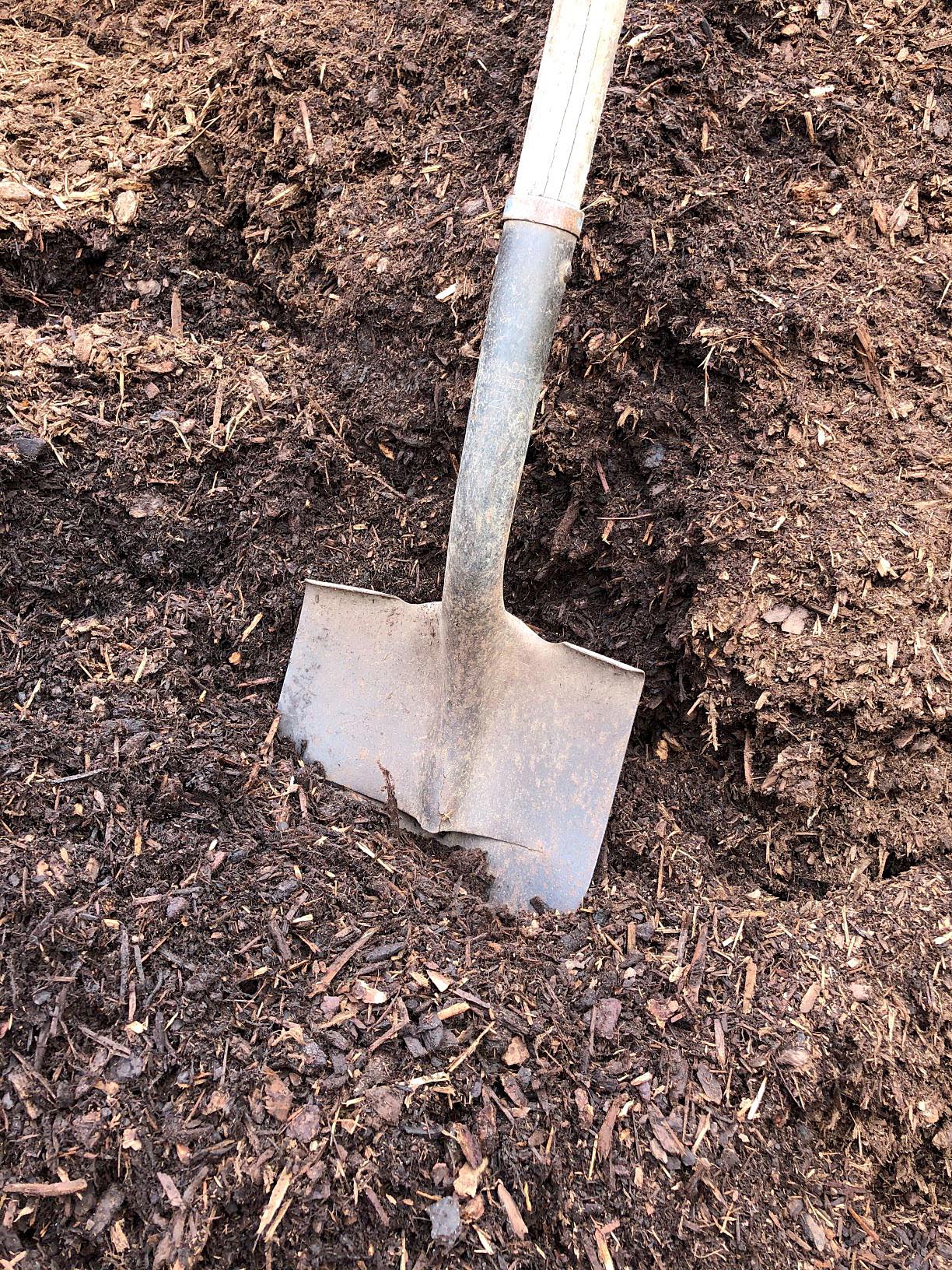
You must dig down through the clay layers so water can get away and amend the heavy soil with materials like fine fir bark or sawdust to make it more porous, so it’s easier for the roots to develop and the plant to become established.
Depending upon the soil type, I would add about 50 per cent fir or hemlock mulch or sawdust (do not use cedar) into the planting hole to create a desirable growing medium for each tree or shrub. In fact, most of the container grown trees are already growing in a similar mix so it’s an easy transition. To fill up the planting area, please avoid garden soil and topsoil. It’s important to use blended media, which is usually a combination of peat moss, fine bark, soil and some sand.
This results in a much better root zone for your plants to become more quickly established and take off.
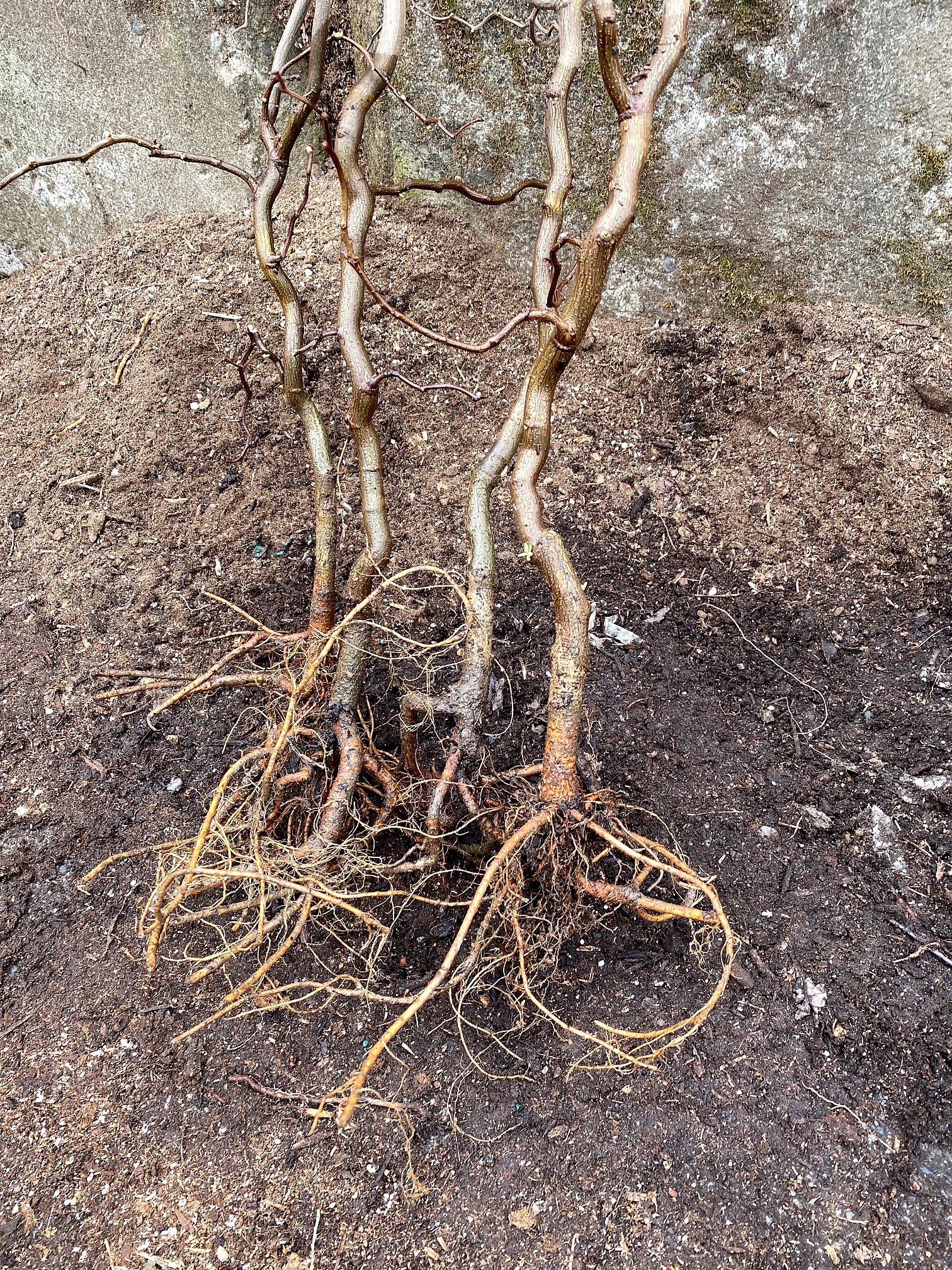
Bare root trees should only be handled during their dormant period. Once the trees or shrubs show signs of life, they need to be potted or planted in the appropriate soil to ensure they survive. They need a little extra care before planting, and the roots should be dipped in a slurry of water, soil and a starter blend of nutrients, like Garden Pro Transplanter.
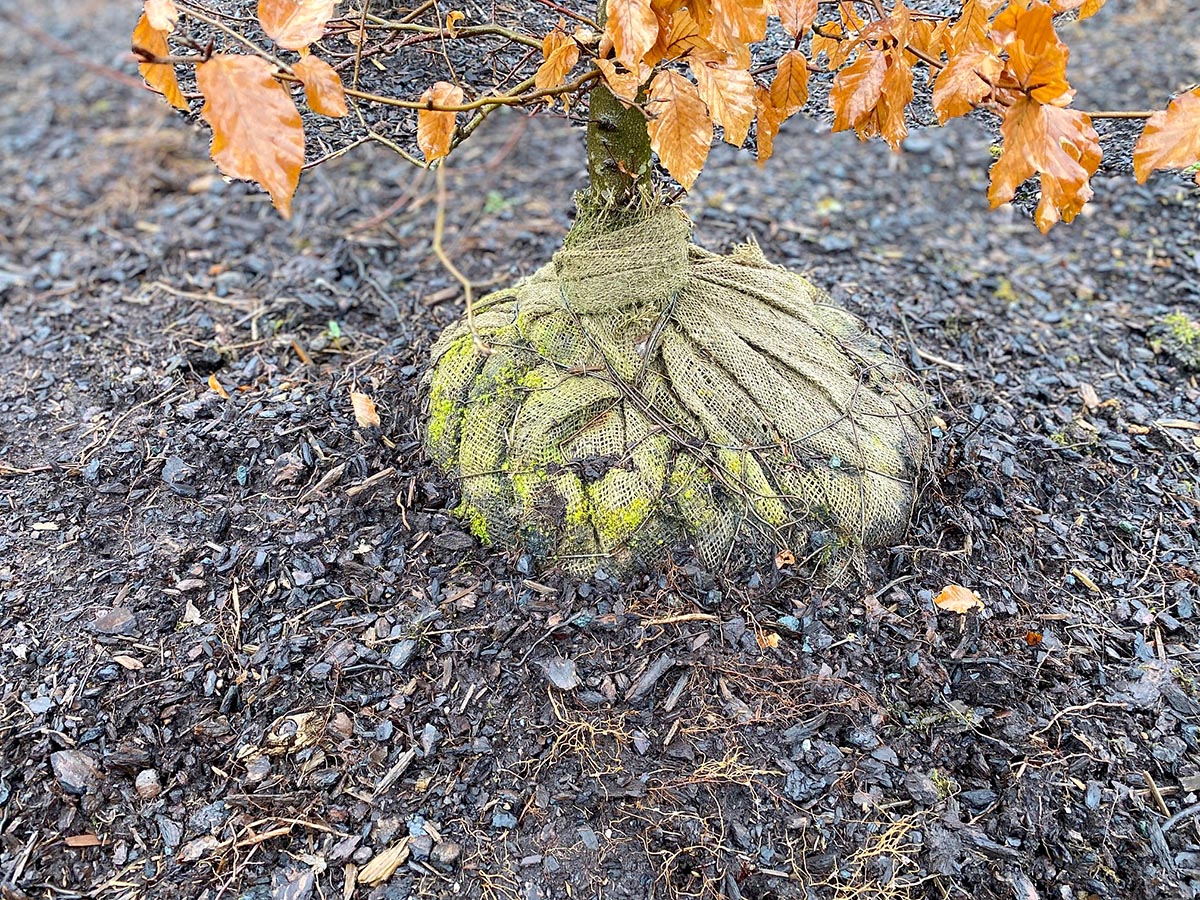
Larger, heavier balled and burlapped trees are better planted in the sack because all the soil and roots are being held together by the burlap and the string. In good soil, the roots will come through the sacking reasonably quickly, but once the tree is planted, I would cut the strings around the top of the burlap, to prevent the tree from becoming girdled.
Well-established container plants should have the root balls gently ruffled up to allow the outer roots to access the fresh new soil. Always plant the top of the root system level with the soil line of the garden; never let it sink or be buried too deep. If it’s set too high, it will dry out too quickly.
In all three planting cases, a thorough, deep watering should take place as soon as the tree is planted to hydrate the roots and fill any air pockets. Keep the soil moist at all times to prevent the new roots from drying out, especially during the first heat of summer. After a year in these conditions, most trees and shrubs should be well enough established to self-sustain, except during periods of extreme heat or drought, when you will have to continually monitor their soil moisture levels to make sure they’re flourishing.
Once the roots firmly take hold, feeding with a well-balanced, slow-release fertilizer like 14-14-14, will provide nutrients over a four to five month period to really help your trees settle in and grow.
Brian Minter is an award-winning horticulturist, author and syndicated columnist from Chilliwack, B.C. He and his wife, Faye, founded Minter Gardens, a 32-acre mixed-style show garden.
Featured image by Brian Minter
Advertisements

Comments are closed.