
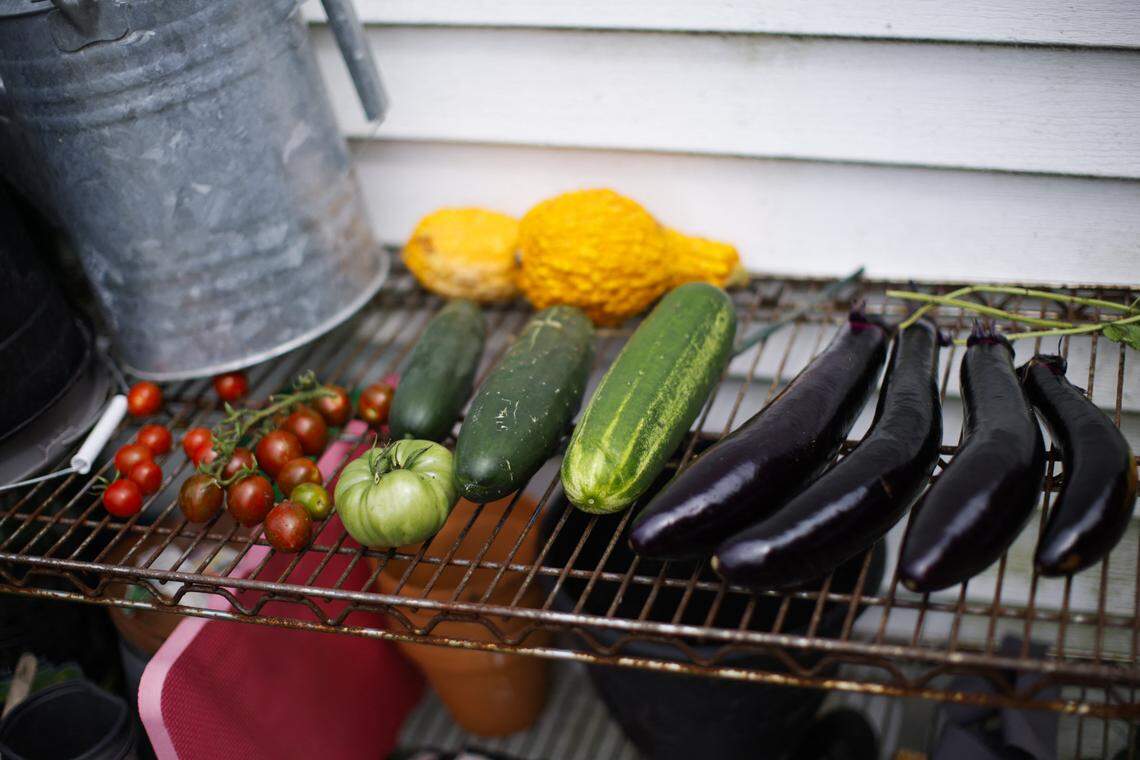
Growing your own food might sound like something that requires acres of land, years of experience and a green thumb passed down through generations. But the truth is, starting a home garden doesn’t have to be complicated — and some vegetables practically grow themselves. Here’s a look at the easiest vegetables to grow and the basic tips that will help you succeed.
Leafy Greens: The Best Place to Begin
Lettuce grows quickly, doesn’t require much space and can be harvested continuously — meaning you don’t have to wait for one big payoff at the end of the season. Instead, you can snip leaves as you need them for salads, sandwiches and more.
As Preen writes, “Unlike head lettuces that take longer to grow, leaf lettuces grow to a harvestable size in a few weeks. That means less time for anything to go wrong. And you can keep cutting new leaves until the heat starts turning them bitter. Leaf lettuces come in several colors and leaf forms and seldom run into bug or disease issues. Just fence them if bunnies are lurking.”
That quick turnaround is one of the most encouraging things about lettuce for new gardeners. Within just a few weeks of planting, you’re already seeing — and eating — results.
Spinach is another excellent option. It thrives in cooler weather and grows fast, making it a smart pick for early spring or fall planting. Like lettuce, spinach doesn’t demand a lot of fuss to produce a reliable harvest.
Fast and Productive: Radishes, Green Beans and Zucchini
For gardeners who want to see quick results, radishes are hard to beat. They are one of the quickest crops you can grow, often ready to harvest in just three to four weeks. That near-instant gratification makes them especially satisfying for first-time growers eager to see their efforts pay off. Kim Toscano for Southern Living writes “Radishes are grown in the spring and fall, along with lettuces. They grow very quickly, producing a crop in as little as three weeks. Sow seeds every seven to 10 days for a continuous supply. The flavor of radishes is associated with temperature, with cooler weather producing milder radishes. You can also snip the leafy tops when young and use them as salad greens.”
Green beans are another top choice for easy gardening. They are low maintenance and highly productive, meaning you get a generous yield without investing a lot of time or energy into their care. For anyone who wants to fill a bowl without filling their schedule with garden chores, green beans deliver.
Zucchini plants are prolific growers, and many gardeners find themselves with more than enough to share with neighbors and friends. If you want a high-reward crop that doesn’t demand much in return, zucchini belongs at the top of your list.
Warm-Weather Winners: Cherry Tomatoes, Peppers and Cucumbers
Cherry tomatoes are more forgiving than larger varieties and tend to produce reliably. Their smaller fruit size means they ripen faster and more consistently, giving you a steady supply throughout the growing season.
Peppers do especially well in warm weather and can thrive in containers, making them a versatile option whether you’re gardening in a backyard plot or on a patio. Their adaptability to container growing means even apartment dwellers or renters with limited outdoor space can enjoy fresh, homegrown peppers.
Cucumbers grow quickly, especially when given a trellis or something to climb. Bonnie Plants writes, “Cucumbers grow fast and don’t demand a lot of care. Just keep the soil consistently moist with an inch of water per week (more if temperatures sizzle and rain is scarce). If possible, water your cucumbers with a soaker hose or drip irrigation to keep the foliage dry. This helps prevent leaf diseases that can ruin the plant.”
Small Spaces, Big Results: Container Gardening
Herbs like basil, mint and parsley are incredibly easy to grow and add fresh flavor to your meals. A small container on a sunny balcony or kitchen counter can provide a steady supply of fresh herbs all season long.
Green onions are another simple option. You can even regrow them from kitchen scraps, making them one of the most accessible crops for anyone just getting started. And onions in general come with a built-in advantage when it comes to pests.
Carrots also work well in containers, as long as the pot is deep enough to support their growth. A deeper container gives carrot roots the room they need to develop fully, making this root vegetable a surprisingly practical choice for patio and balcony gardens.
Basic Tips to Set Yourself Up for Success
Find the right spot. Most vegetables need at least six to eight hours of sunlight each day. If your space is shadier, stick with crops like lettuce or spinach that can tolerate less light.
Don’t overwater. This is one of the most common mistakes new gardeners make. Water deeply but less often, keeping the soil damp but not soggy. Overly wet soil can harm plants just as much as neglecting them.
Use good soil. Healthy soil leads to healthy plants. For containers, opt for a quality potting mix, and consider adding compost for extra nutrients. The foundation you give your plants matters as much as anything else you do.
Give your plants enough space. Crowding can lead to poor growth and increase the risk of disease, so always follow spacing guidelines — even if it feels like you’re leaving too much room. Proper spacing allows for better airflow and gives each plant the resources it needs.
A Rewarding Hobby for Everyone
With the right approach, growing your own vegetables can be simple, rewarding and enjoyable no matter where you live. You don’t need a large plot of land or years of experience. You just need a sunny spot, a little patience and a willingness to start with the crops that make success easy.
This article was created by content specialists using various tools, including AI.
Comments are closed.