
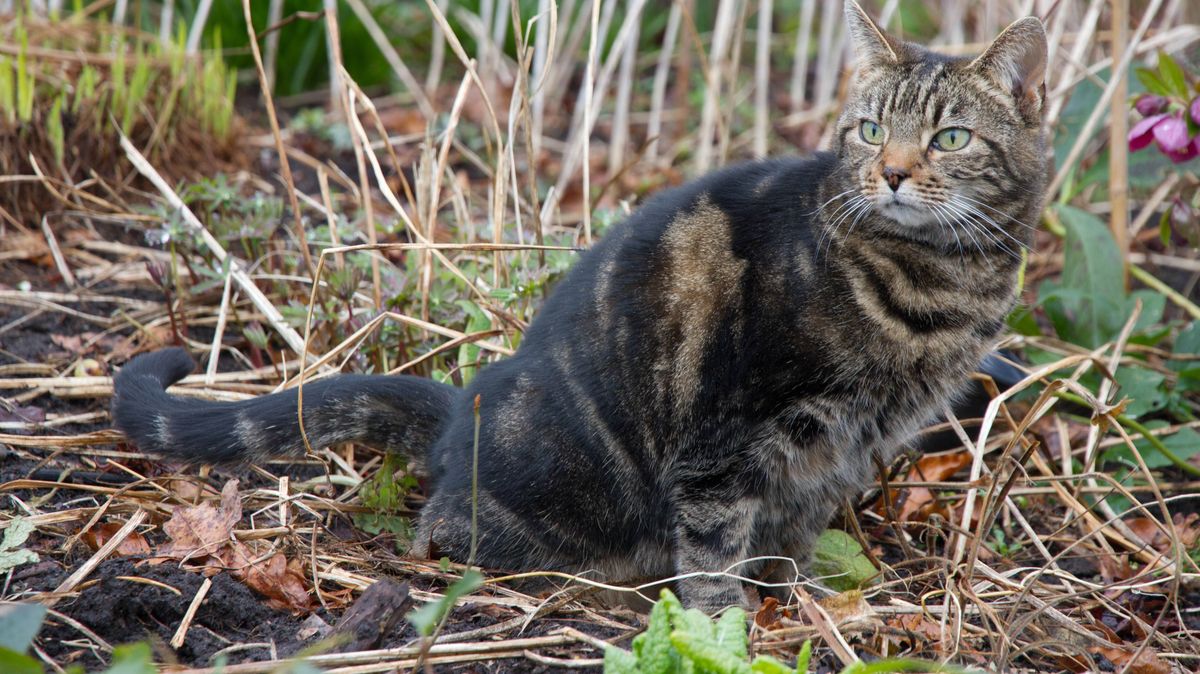
Cats are known for their tendency to choose gardens as their preferred spot for fouling – but there are ways to keep them at bay, including a homemade spray.This article contains affiliate links, we will receive a commission on any sales we generate from it. Learn more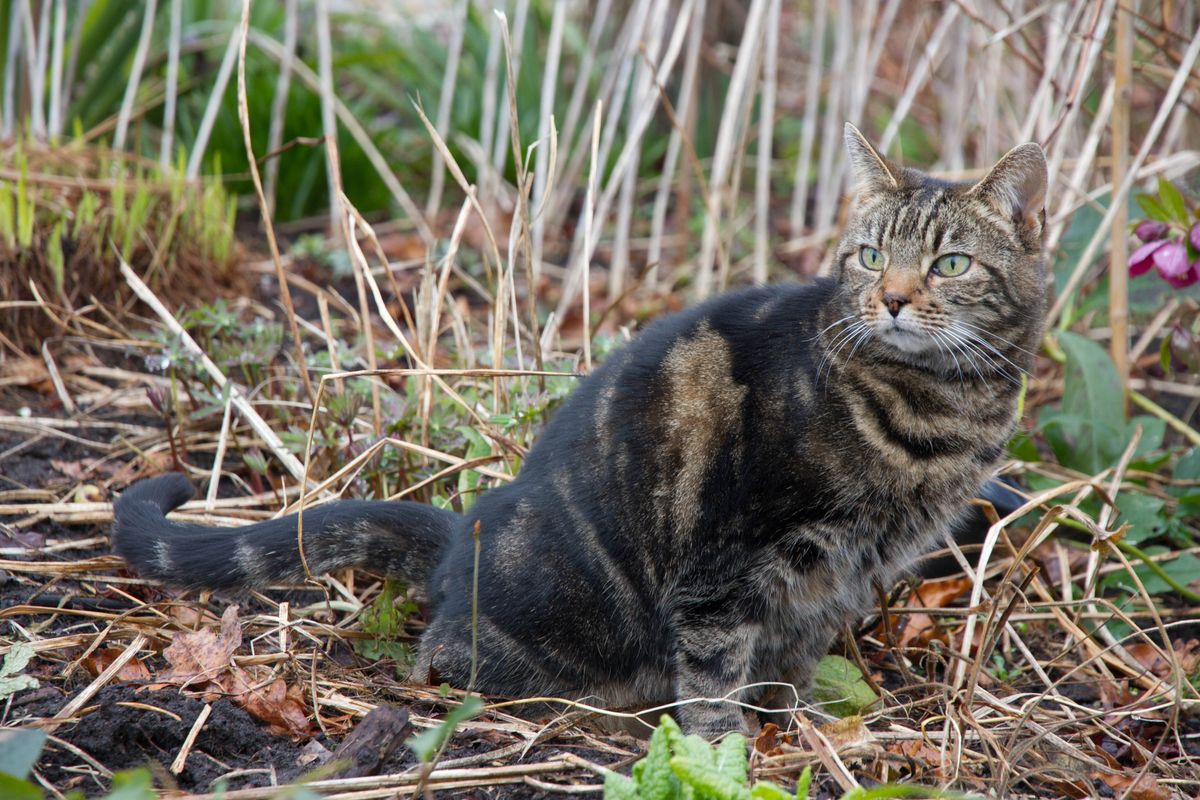
Anyone who wants to stop cats pooing in gardens must use 1 natural spray they ‘detest’(Image: peplow via Getty Images)
For some Brits, cats are cherished companions, but for others, they’re an absolute pest. Felines, whether stray, feral, or belonging to neighbours, are notorious for selecting gardens as their go-to toilet spot.
This habit can trigger numerous problems, starting with the pungent smell that cat waste produces, making it deeply unpleasant to enjoy your outdoor space. There are also hygiene worries, as cat faeces can harbour parasites and pathogens that present health hazards to both people and other creatures if not correctly managed or removed.
Cats scratching and defecating in flower beds can also wreak havoc on plants, potentially stunting their development or killing them entirely. Finally, the sight of cat mess and churned-up soil can seriously diminish your garden’s aesthetic appeal.
Regarding tackling the issue of cats in your garden, specialists at garden retailer Primrose suggest creating a homemade cat deterrent that’s powerfully fragrant.
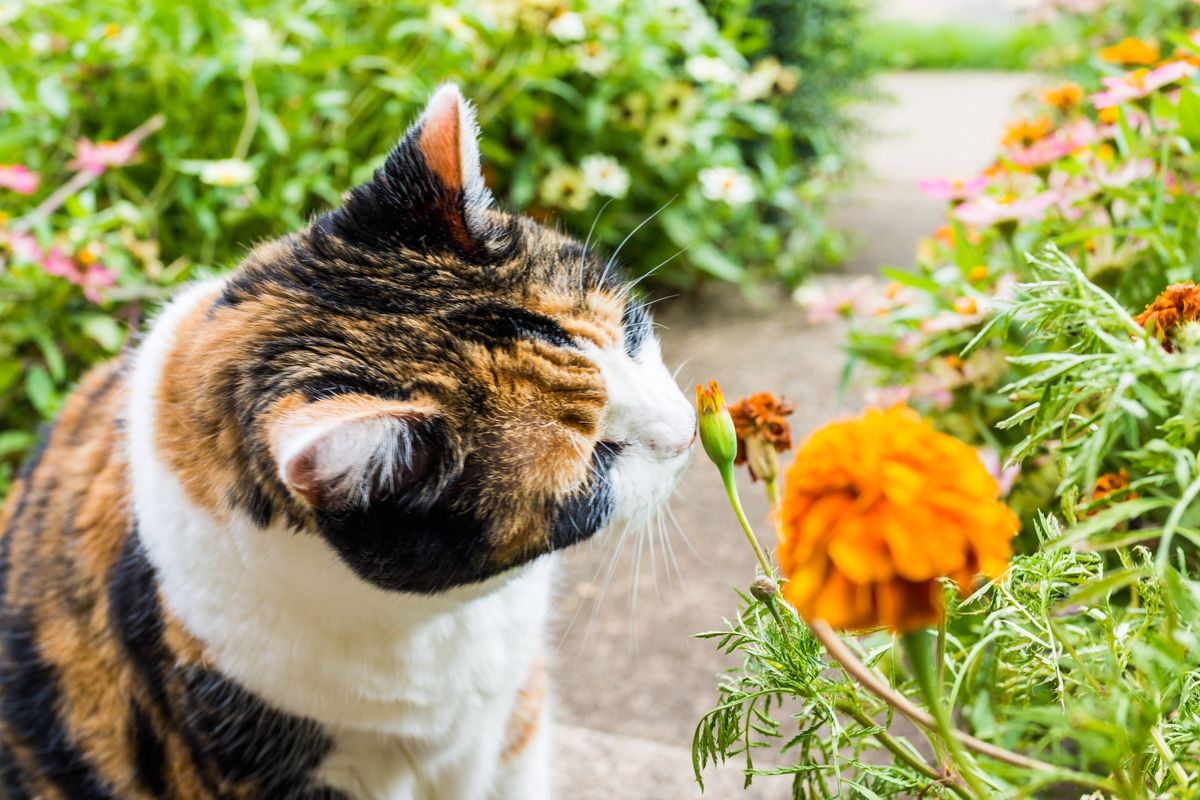
A cat’s sense of smell is 40 times more powerful than a human’s(Image: krblokhin via Getty Images)
A cat’s sense of smell is 40 times more powerful than a human’s, which explains why scented solutions prove so effective.
They advise making a DIY spray using lemon juice, rosemary and white vinegar as these are “three things cats detest”.
For this mixture, combine equal quantities of those ingredients and transfer the liquid into a spray bottle for convenient application throughout the garden.
Simply spritz the solution wherever cats tend to lounge – around plant pots, on your patio, or even indoors. Remember to reapply regularly to maintain its potency.
Alternatively, another organic approach recommended by specialists involves placing sandpaper throughout your garden. Felines possess remarkably delicate paws and will steer clear of unpleasant textures such as sandpaper.
The experts explained: “Placing a few bits of sandpaper around your flowerbeds should keep cats from clambering around where they are not welcome.”
For those keen to preserve their garden’s pristine and organic appearance, cultivating certain cat-repelling plants could prove effective.
Primrose suggests rosemary, lavender and the scaredy cat plant as their top three cat deterrent flowers.
Comments are closed.