
 4 min read
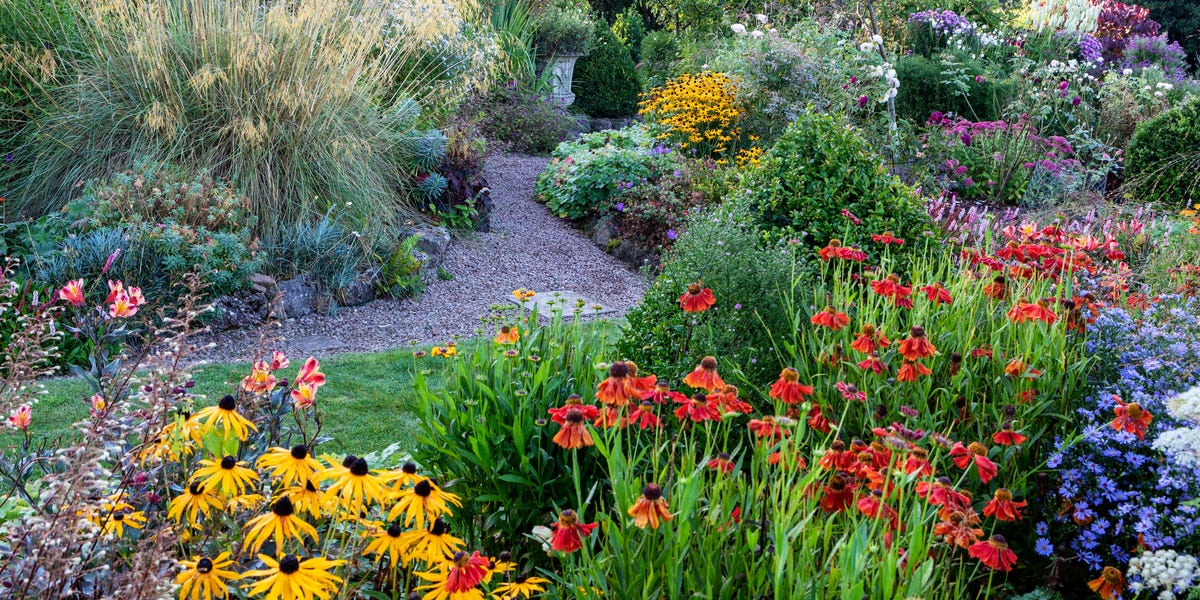
Perennials are the gift that keeps on giving. Unlike annuals, which have a life cycle of one growing season, perennials come back year after year, with many blooming for several seasons. For little effort, you’ll be rewarded with a steady stream of flowers, especially if you choose hardy varieties.
Elizabeth Brown, author of The Beginner’s Cut Flower Garden: Grow, Nourish, and Create Bliss Year-Round and owner of Foxglove Farmhouse in York, Maine, says fluctuations in weather like excess rain or drought-like conditions have made hardy perennials even more valuable.
“I have been relying more on native plants because I find that they can handle these sways in weather a lot more,” she says.
To identify what’s native in your area, Brown recommends checking out the Ladybird Johnson Wildflower Center’s website, which has a Native Plants of North America section. “That is the most amazing list of all the different native flowers. It’s a really user-friendly website where you can find your growing zone and varieties that would be good for you.”
Here are Brown’s top picks for perennials that practically take care of themselves.
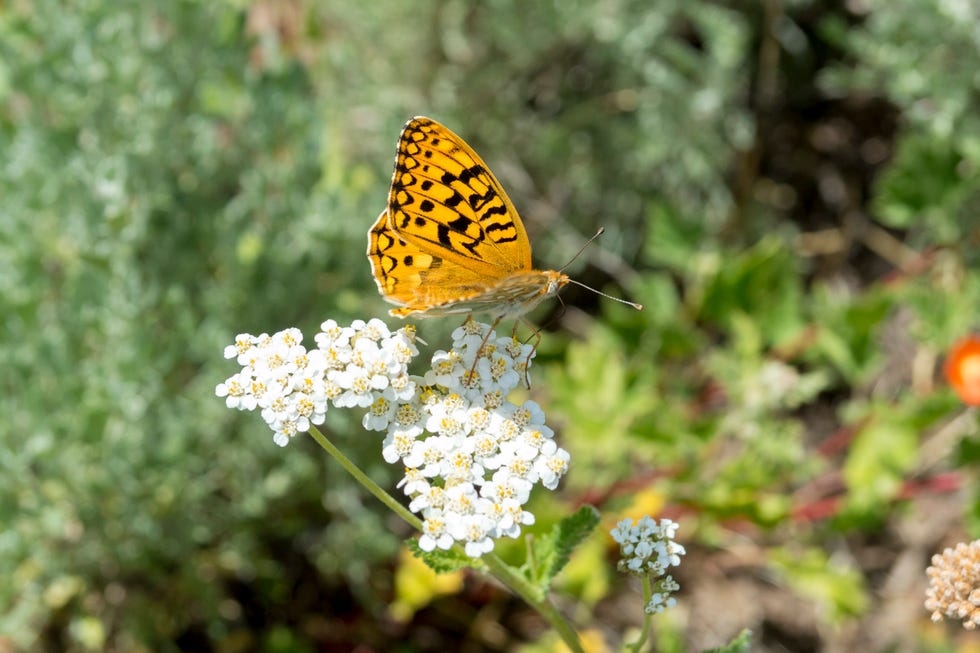
Yarrow
Aaron Hawkins//Getty Images
This bushy plant can grow up to 3 feet tall and has delicate, fern-like leaves crowned with clusters of delicate yellow or white flowers. “Yarrow tends to be a really reliable plant for tough weather,” says Brown. “I’ve had times where it’s just soaked in rain, and the soil around the Yarrow is almost swamp-like, and it’s still flowering and thriving. And then I’ve had times where we’ve had immense drought (and I try to be really mindful about not watering when there hasn’t been a lot of rain) and it can survive for quite a while without much water.”
Echinacea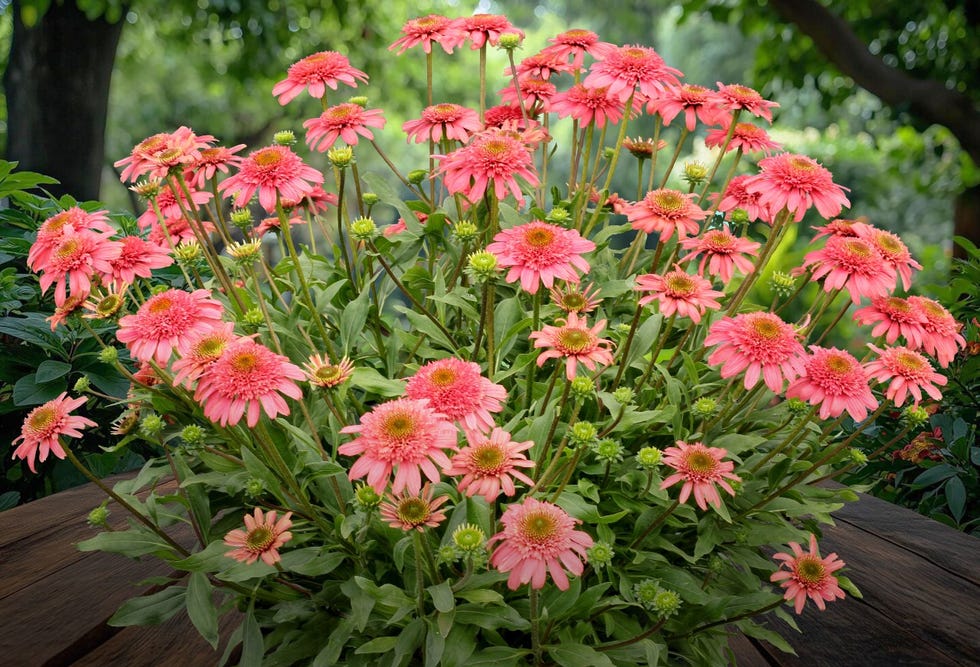
Terra Nova Nurseries
Commonly known as coneflowers, these colorful, daisy-like blooms attract pollinators and are hardier than they look, especially in warm climates. “There are different varieties all over the U.S., so I would encourage people to see what variety of coneflowers are native to them, and then consider planting that because it’s another one that tends to handle temperature swings and weather,” says Brown.
Solomon’s Seal

Jason Smalley//Getty Images
This leafy perennial has tiny blossoms that dangle from graceful, curved leaves. “They’re really interesting and beautiful. The leaves and flower blossoms change throughout the entire year,” says Brown. “It starts out with really delicate green leaves early in the season and then develop little bell-shaped flowers later in the season. By the fall the leaves will turn orange and yellow all through autumn.”
Salvia
PatrikStedrak//Getty Images
This plant is related to mint, which, as any gardener knows, is practically impossible to kill. Native to dry climates, salvia is drought-resistant but produces tons of tall, vibrant blooms in shades ranging from deep purple to pink and even red. “It’s a good, long-lasting bloom, and so reliable that you can kind of forget about it,” Brown says.
Ninebark
apugach//Getty Images
Consider adding flowering bushes and shrubs to your garden as well. Ninebark is a fast-growing shrub that can stand up to drought and insects and is covered in pretty, round clusters of small, pinkish-white blooms. Brown says that it requires little care once it takes root. “The first year, you have to make sure it stays well-watered, but once it’s established, it’s one of those ‘set it and forget it’ plants,” she says.
Related StoryBlack-Eyed Susans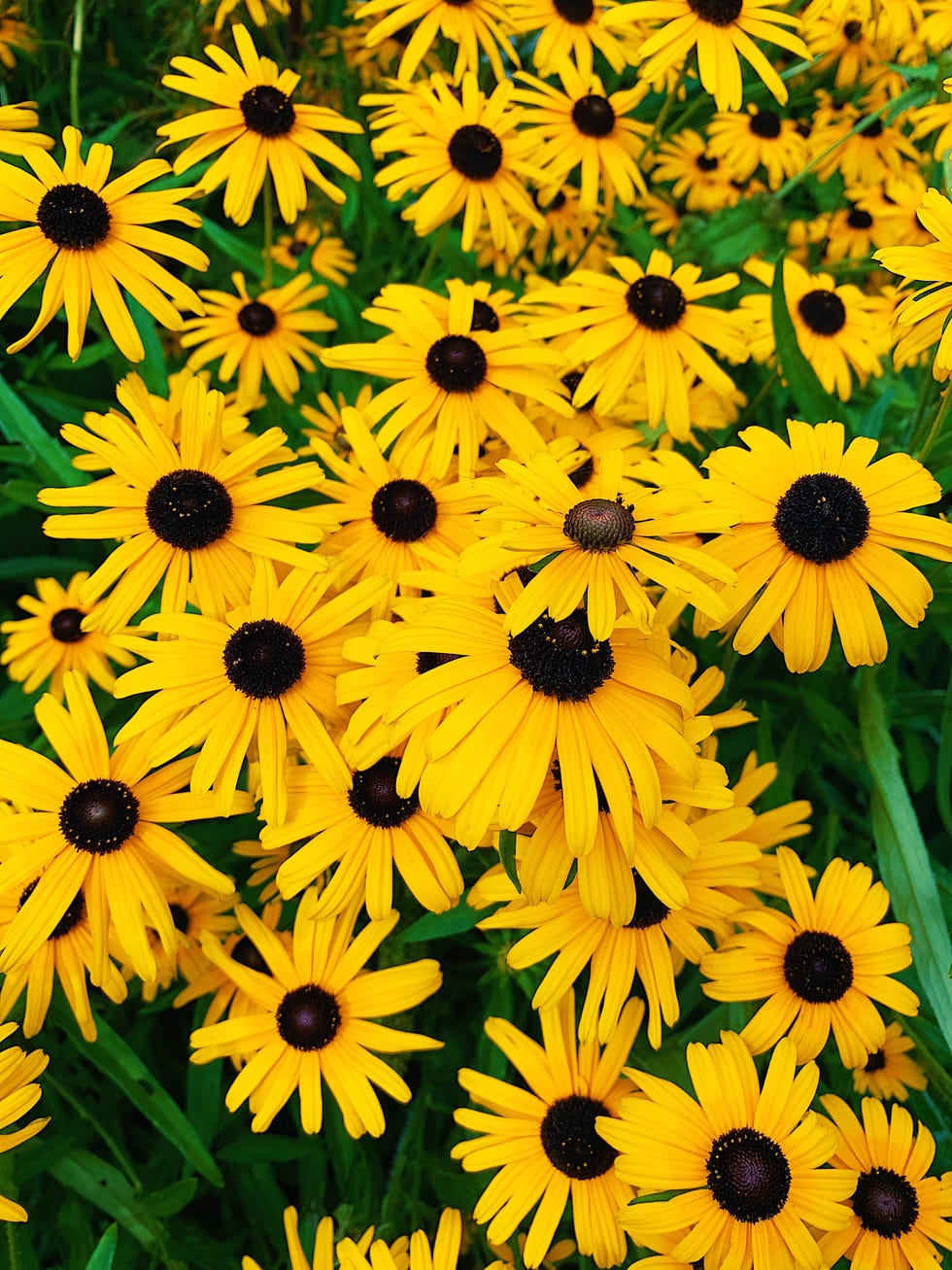
Heather Love / 500px//Getty Images
In many areas, you’ll see patches of these cheerful plants growing wild—a good sign that they’ll thrive in any environment. Summer is the season for black-eyed Susans; they love hot weather and require lots of sun. The plant self-seeds and spreads easily, so be mindful of where you put it in your garden.
Asters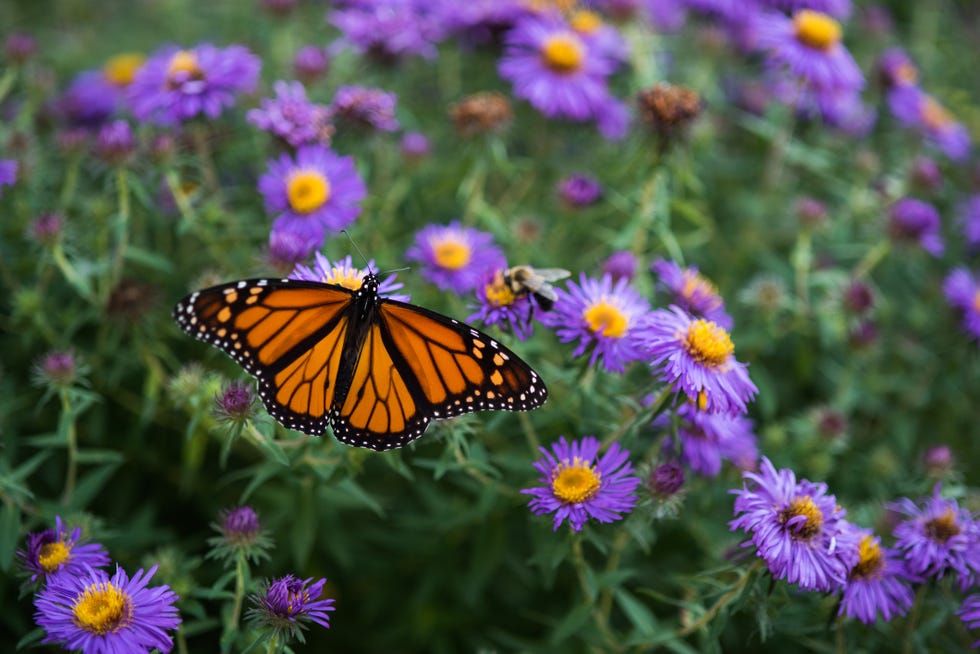
Teddi Yaeger Photography//Getty Images
When in season, this plant is covered in bright, daisy-like flowers that make a beautiful addition to a garden. Brown calls asters “underrepresented,” saying, “Oftentimes people focus on spring and summer blooms, but aster flowers in later in the season and comes in so many different colors,” she says. “If you planted some aster in between things that tend to hit their peak in spring or summer, it will fill in the margins and it’s very, very low maintenance.”
Related StoryCatmint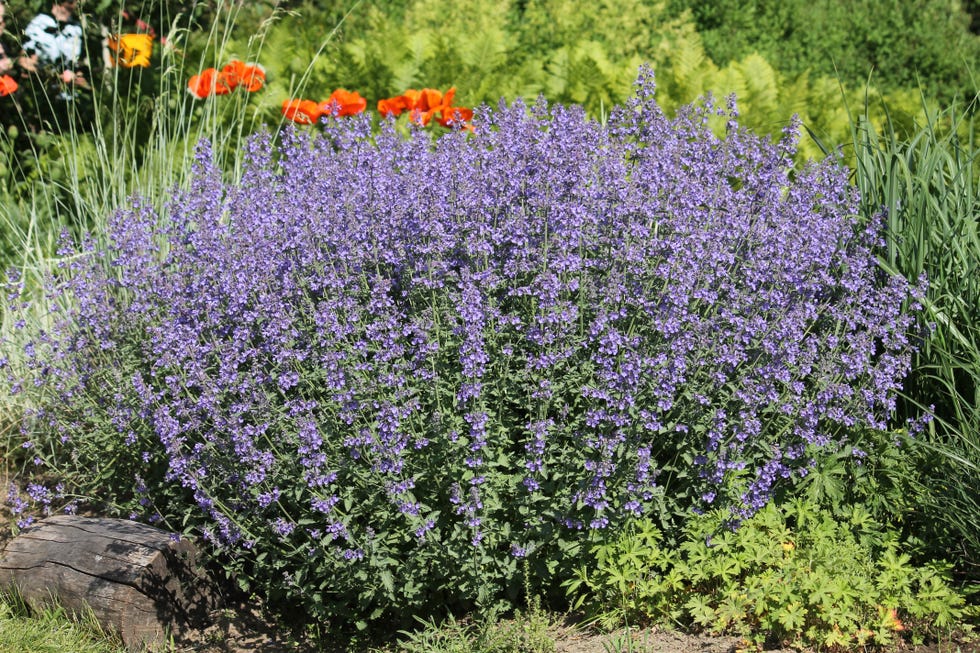
kazakovmaksim//Getty Images
This plant smells great, has lovely purple flowers and silvery green leaves, and will grow like crazy from spring to fall. It can stand up to the heat and doesn’t require much water, either.
Brown says, “I have catmint in my perennial garden and I truly forget it’s there because I don’t have to take care of them,” she says. “I forget it exists until I walk out and smell it one day and I’m like, ‘Isn’t that lovely? I didn’t do anything and it just keeps coming up.’”
Comments are closed.