
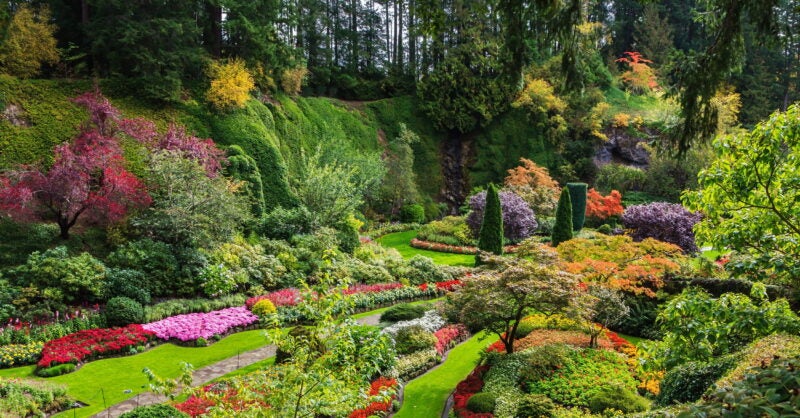
Spring has a way of coaxing the world back to life.
It’s little wonder that we feel drawn outdoors at this time of year, and research consistently shows that access to green space can significantly boost wellbeing, with studies linking time spent in gardens and parks to lower cortisol levels, improved mood, and sharper cognitive function. In Japan, for example, the practice of forest bathing – popularized in the 1980s – is rooted in measurable reductions in stress markers.
See also: The Unmissable Gardens of Luxury Hotels
Few places capture this restorative power of nature quite like botanical gardens. Part research institution, part cultural landmark, they function as living museums, safeguarding rare plant species and advancing conservation efforts. Many are also architectural marvels in their own right, with Victorian glasshouses and impressive sculpted landscapes that draw visitors from across the globe. Below are some of the most spectacular ones to visit in spring.
Best botanical gardens in the world
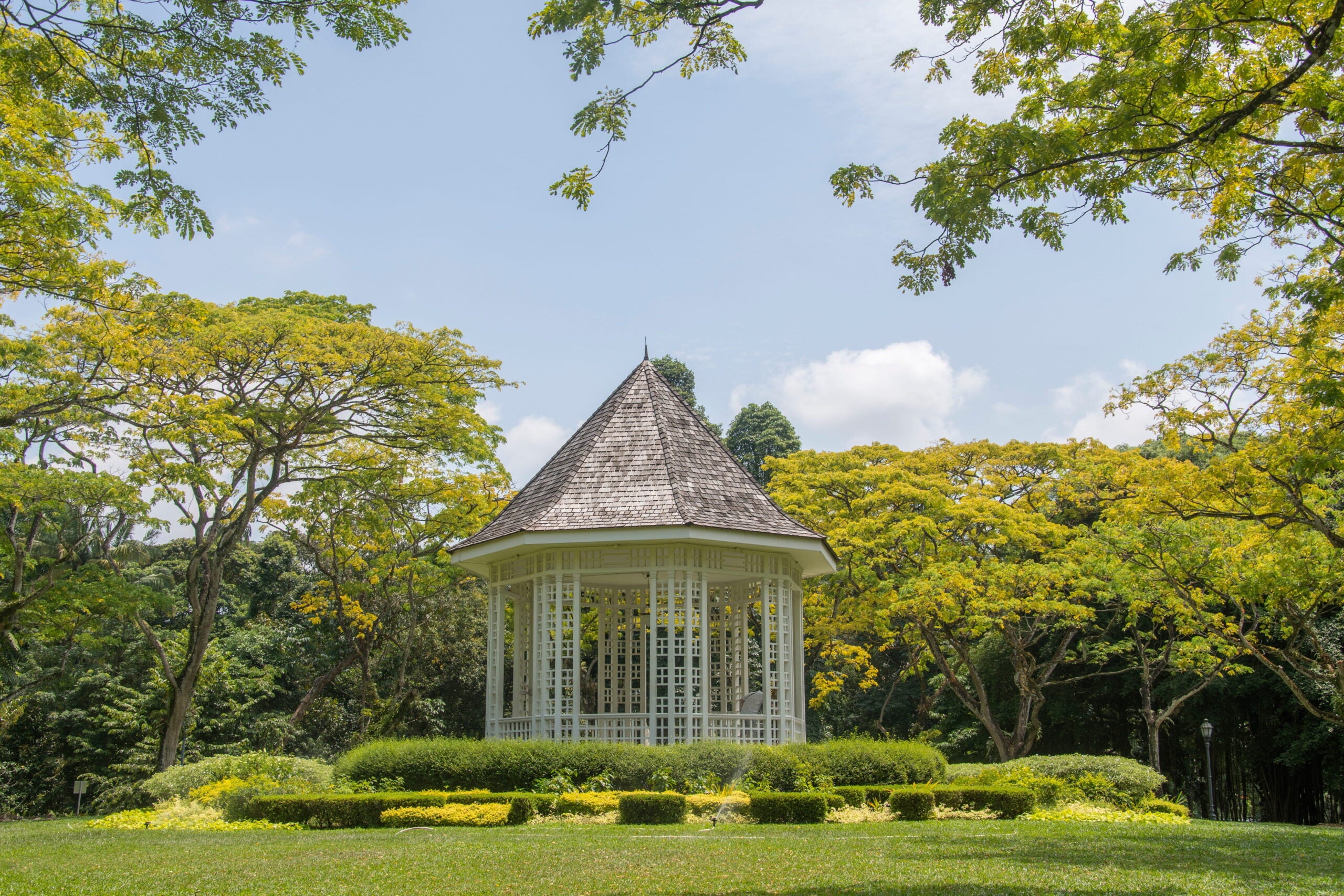
Singapore Botanic Gardens, Singapore
A UNESCO World Heritage Site, the Singapore Botanic Gardens span 82 hectares in the city’s Orchard district. Founded in 1859, the gardens are perhaps best known for the National Orchid Garden, which houses more than 1,000 species and 2,000 hybrids, including Singapore’s national flower, Vanda Miss Joaquim. As one of the few tropical botanical gardens inscribed on UNESCO’s list, it’s both a leisure destination and a leading centre for plant research and conservation in Southeast Asia.
Opening times:
Spring in Singapore coincides with peak orchid blooms, offering vibrant displays year-round thanks to the tropical climate. The gardens are open daily from 5am to midnight, while the National Orchid Garden operates separately with ticketed entry.
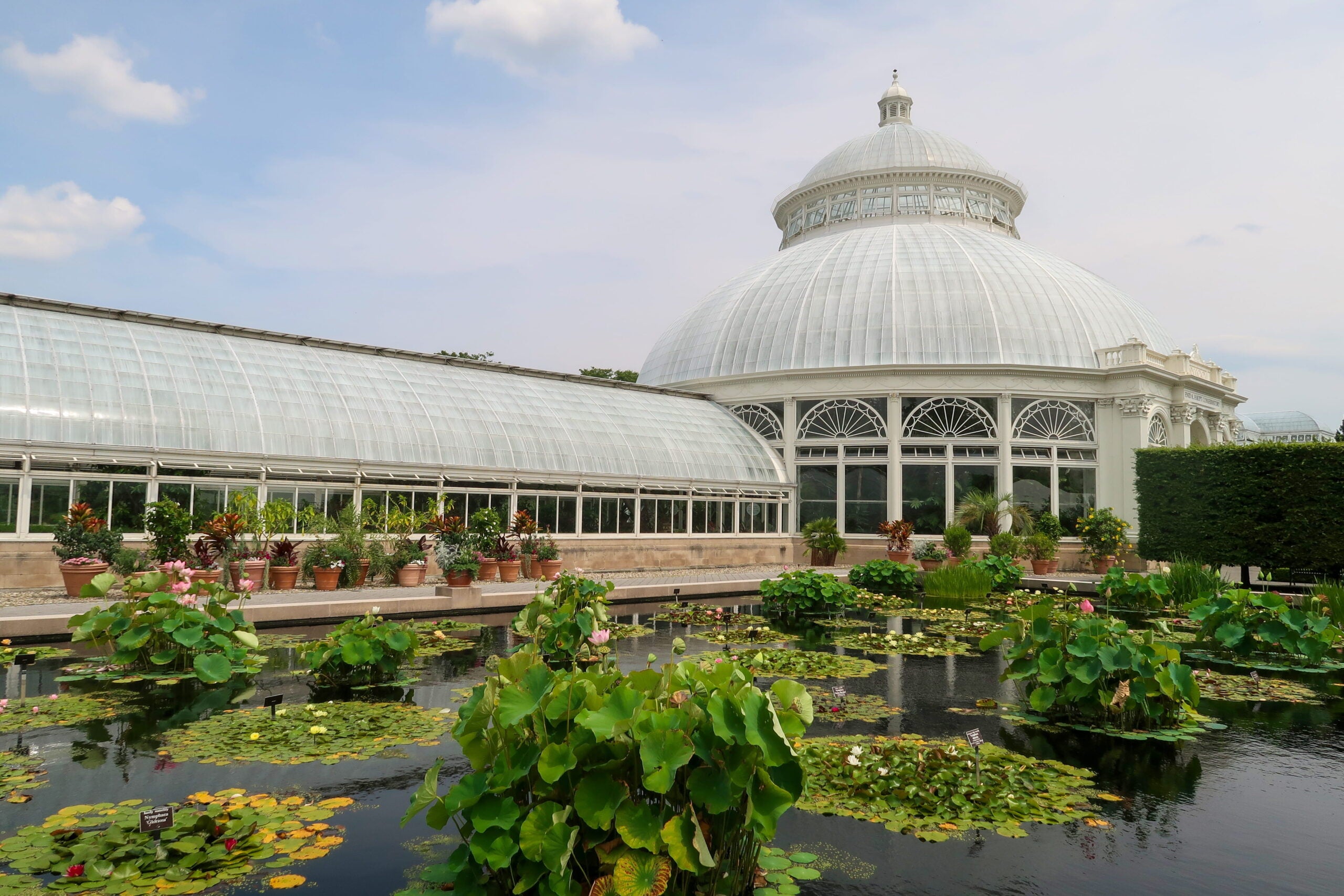
Brooklyn Botanic Garden, United States
In the heart of New York, Brooklyn Botanic Garden is synonymous with spring. Its Cherry Esplanade becomes a focal point each April during peak sakura season, typically celebrated through its annual cherry blossom festival. Beyond the blossoms, the 52-acre site features a Japanese Hill-and-Pond Garden (one of the oldest of its kind outside Japan), a Shakespeare Garden planted with species referenced in the playwright’s works, and a glasshouse conservatory.
Opening times:
Opening hours vary seasonally, generally from Tuesday to Sunday, with extended hours during major bloom periods. Timed entry is often introduced during peak cherry blossom weeks to manage visitor numbers.
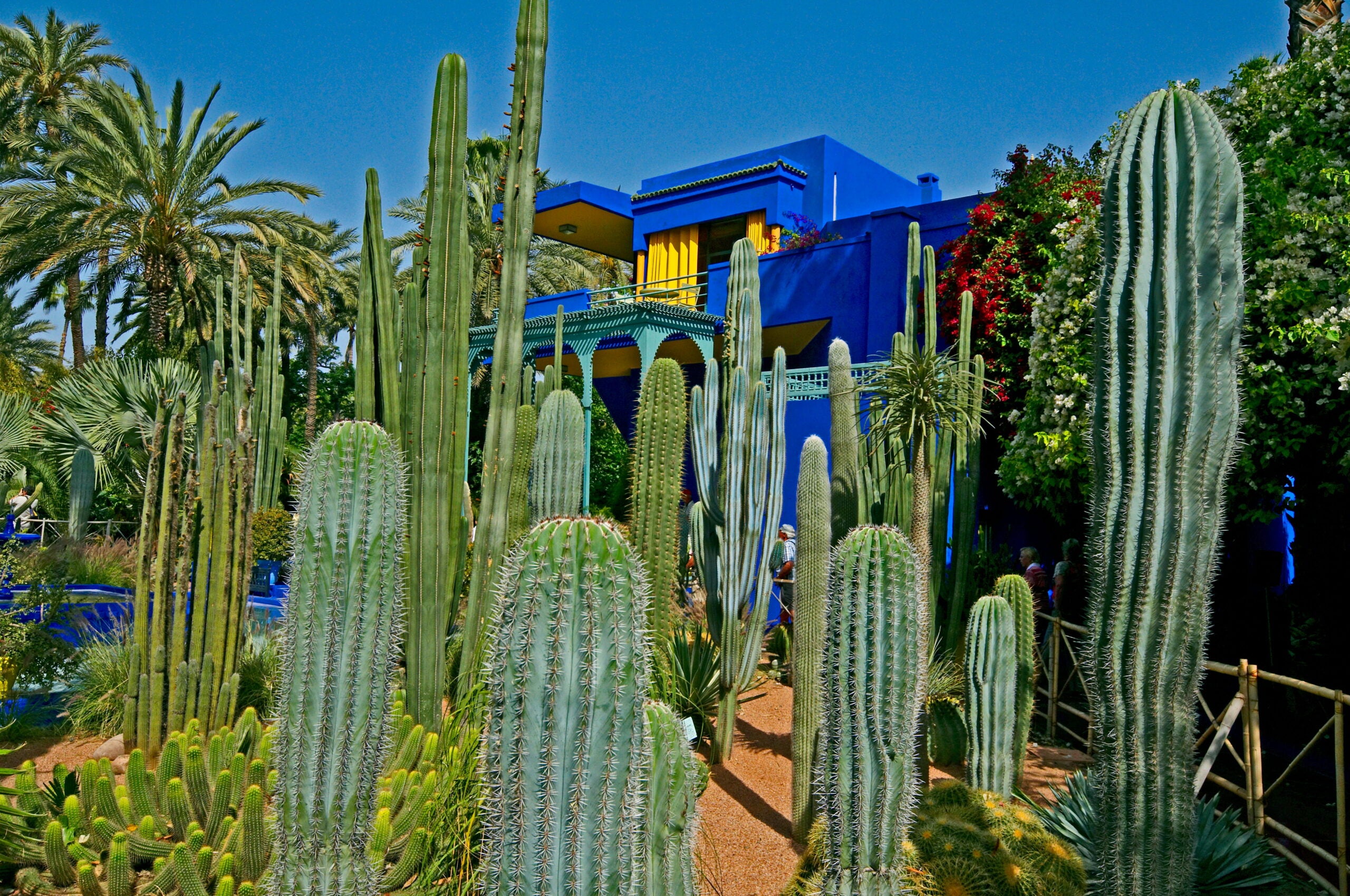
Jardin Majorelle, Morocco
Created by French artist Jacques Majorelle in the 1920s and later restored by Yves Saint Laurent and Pierre Bergé, Jardin Majorelle is one of Marrakech’s most recognizable landmarks. Its cobalt-blue structures – famously known as Majorelle Blue – frame cacti, palms, and bamboo groves sourced from five continents. Spring offers warm but manageable temperatures, making it one of the most comfortable times to visit before the height of summer.
Opening times:
The garden operates with timed ticketing and typically opens daily from 8:30am, with slightly extended hours in peak season. Visitor numbers are capped to preserve the site, and advance booking is recommended.
Kirstenbosch National Botanical Garden, South Africa
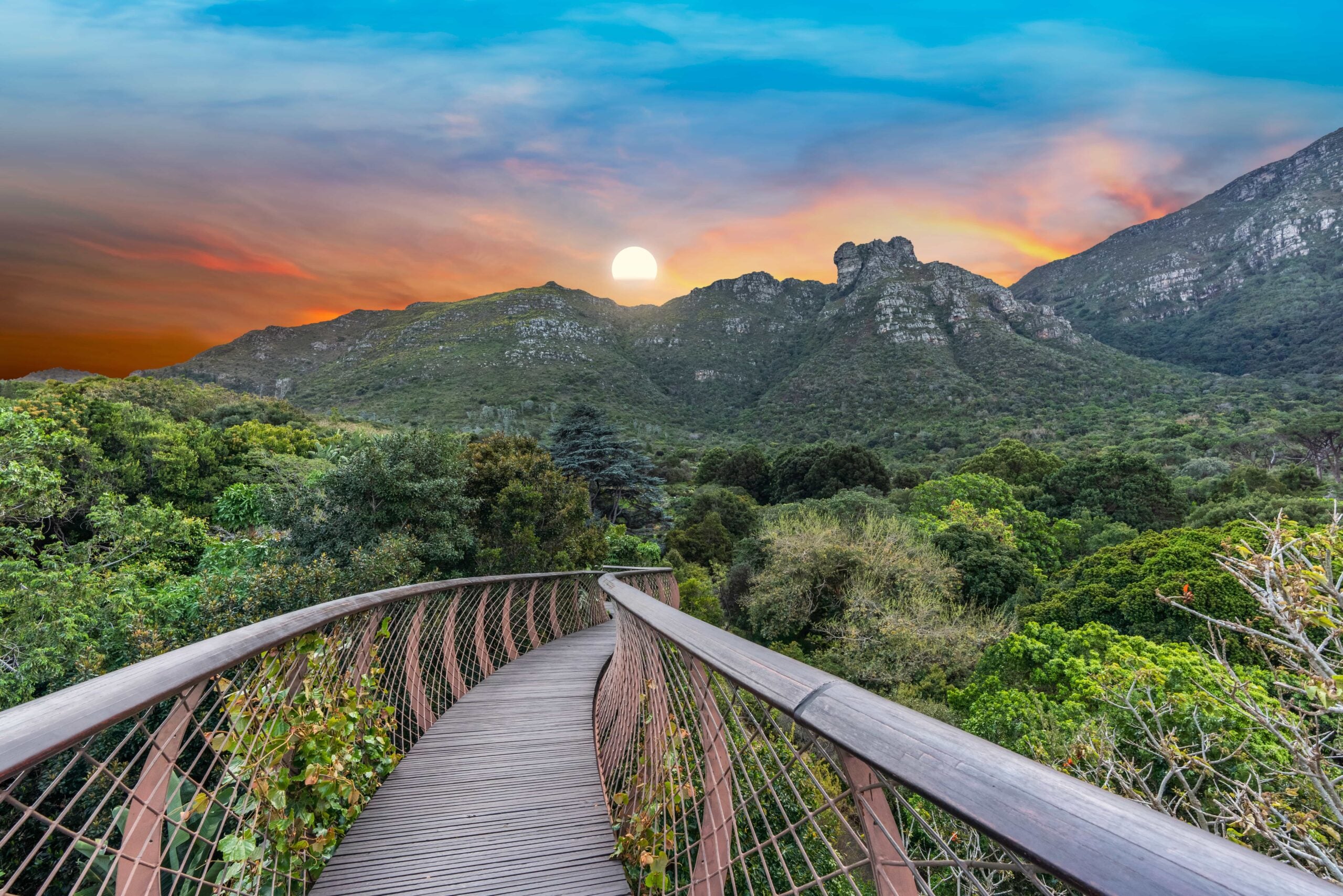
Set against the eastern slopes of Table Mountain, Kirstenbosch National Botanical Garden is widely regarded as one of the world’s greatest botanical institutions. Established in 1913 to preserve South Africa’s unique flora, it focuses primarily on indigenous plants, including the fynbos biome found nowhere else on Earth. Spring in the Southern Hemisphere (September to November) sees proteas and ericas in bloom, carpeting the landscape with color. The Centenary Tree Canopy Walkway – a curved steel-and-timber bridge suspended above the gardens – offers panoramic views of the surrounding mountains.
Opening times:
Kirstenbosch is open daily, with seasonal closing times that extend later during summer months.
Royal Botanic Gardens, Kew, United Kingdom
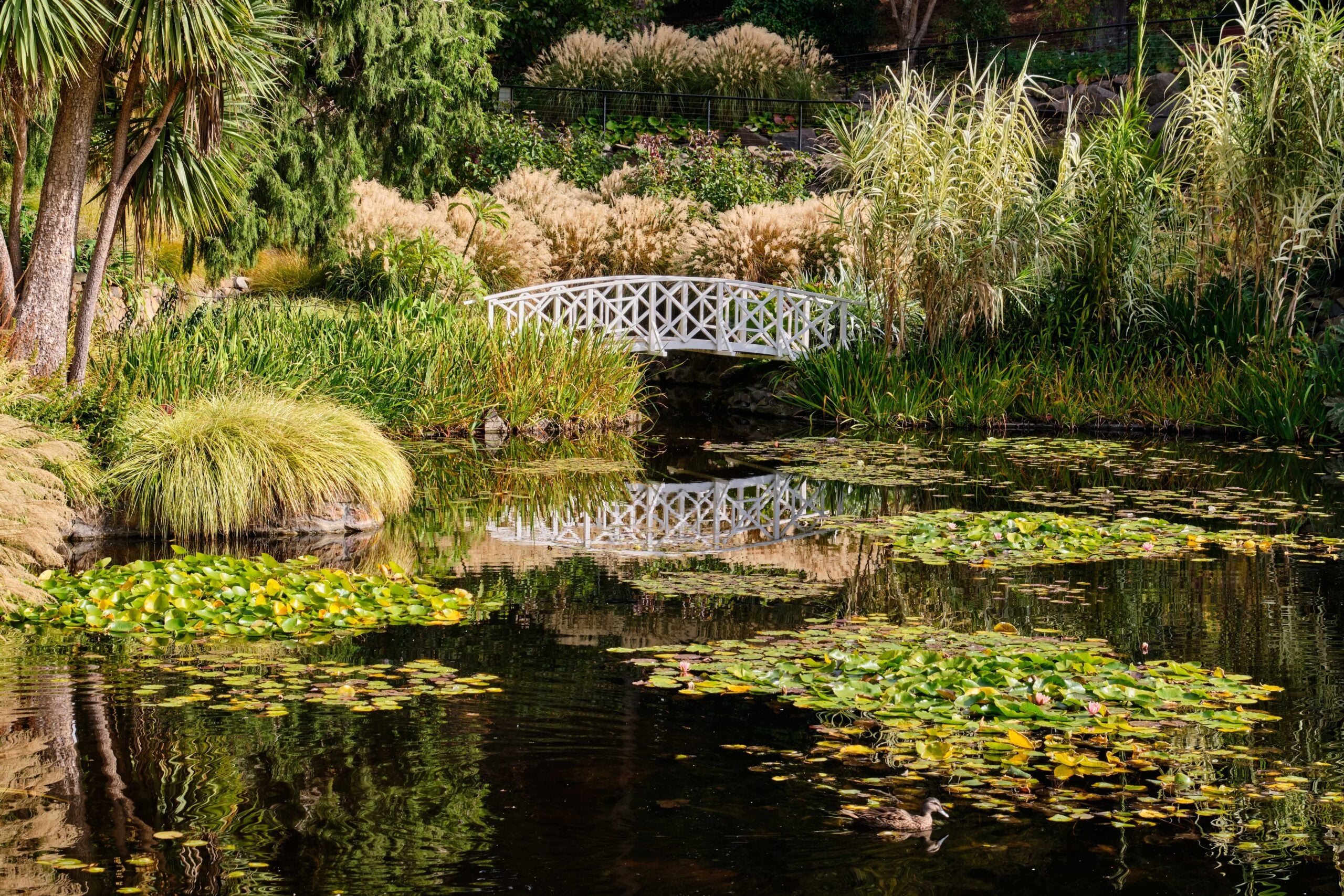
Spanning more than 300 acres along the Thames in southwest London, Kew is both a public garden and a globally significant scientific institution. Founded in 1759, it’s home to the world’s largest and most diverse collection of living plants, as well as the Millennium Seed Bank partnership. Spring is marked by carpets of crocuses and daffodils, magnolia avenues in bloom and the reopening of outdoor exhibitions after winter. Its Victorian Palm House and Temperate House remain architectural highlights year-round.
Opening times:
Opening hours vary by season, generally from 10am, with extended evening access for special events during warmer months.
Jardim Botânico do Rio de Janeiro, Brazil
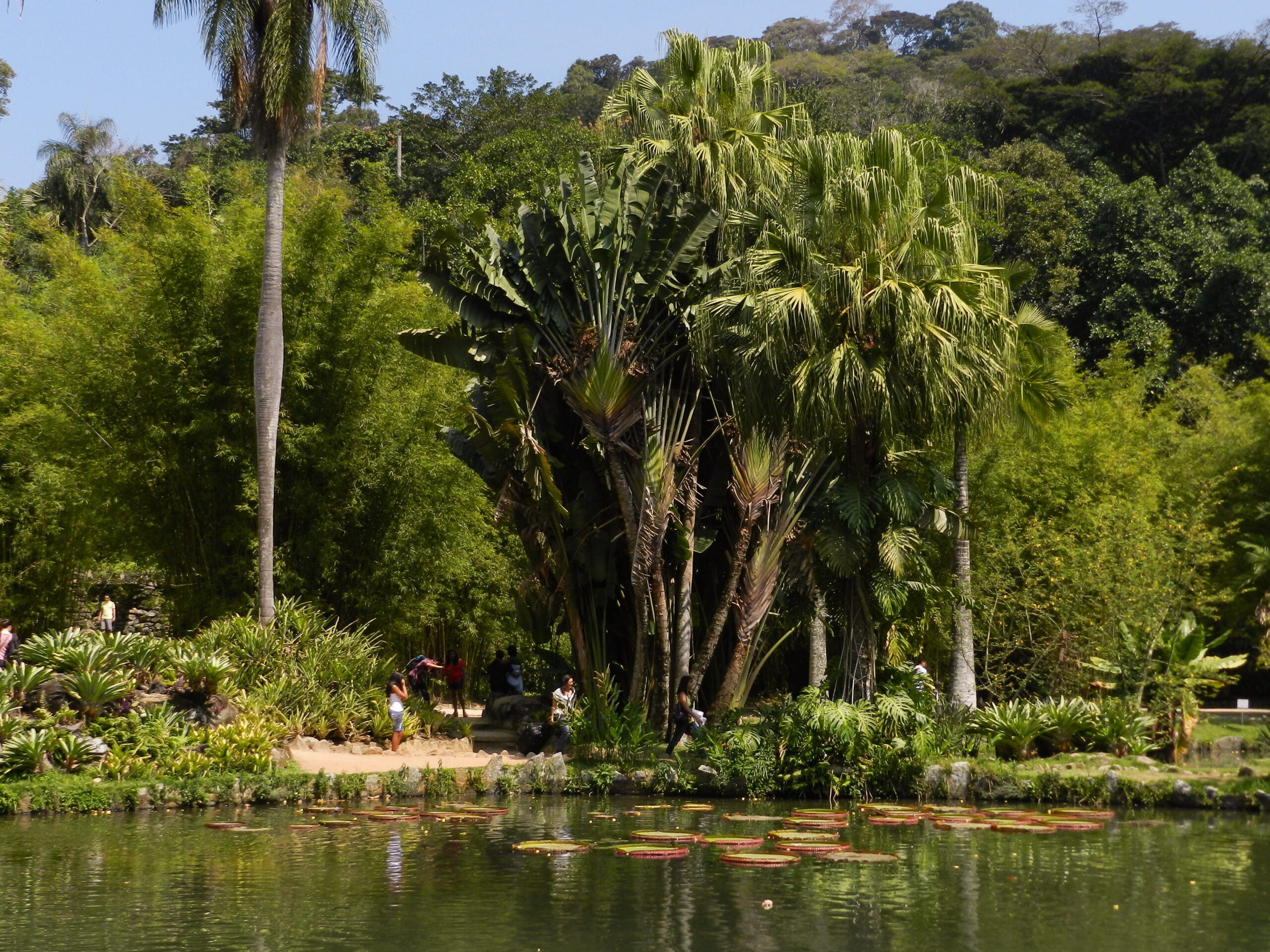
Founded in 1808 by King João VI of Portugal, the Rio de Janeiro Botanical Garden sits beneath the Christ the Redeemer statue and at the foot of Corcovado Mountain. The 350-acre site features towering imperial palm avenues, Amazonian water lilies, and more than 6,500 species of Brazilian and foreign plants. While Brazil’s seasons differ from the Northern Hemisphere, visiting during Rio’s spring (September to November) offers mild temperatures and fewer crowds.
Opening times:
The garden is typically open daily from morning until late afternoon, with ticketed entry. It also functions as an important research centre for Atlantic Forest conservation.
The Butchart Gardens, Canada
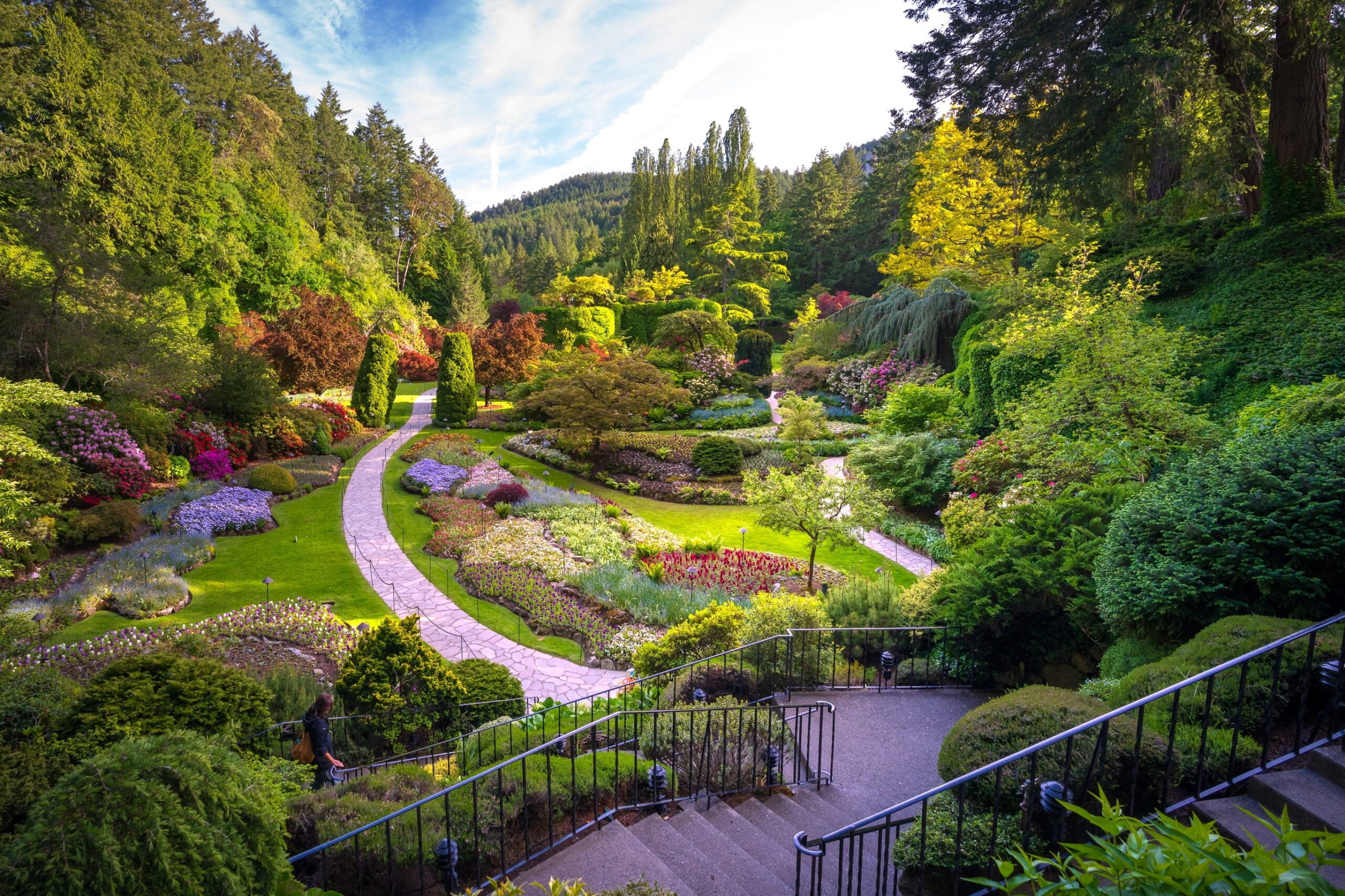
Originally a limestone quarry, The Butchart Gardens were transformed in the early 20th century by Jennie Butchart into a 55-acre display garden. Today, it features distinct themed areas including the Sunken Garden, the Japanese Garden, and the Rose Garden, each reaching peak bloom at different points through spring and early summer. The former sees tulips and flowering trees dominate the landscape, drawing visitors from across North America and beyond.
Opening times:
Located on Vancouver Island, near Victoria, the gardens typically open daily, with longer daylight hours extending visits into the evening as the season progresses.
Comments are closed.