
Oklahoma residents are getting ready to tend to their gardens now that it’s getting warmer. And as more people lean towards planting native plants and wildflowers, it’s important to pay attention to the labels, as some bags of wildflower seeds may not contain wildflowers native to Oklahoma.
Earlier this month, I was shopping in the garden section at Walmart, and came across a bag of wildflower seeds. I’m planning on turning my front garden into a thriving wildflower garden, and the bag of wildflower seeds seemed like a great deal.
But then I saw a post in the Oklahoma Native Plant Society Facebook group about bags of wildflower seeds, and realized the bag of wildflower seeds I had bought didn’t contain wildflower seeds native to Oklahoma.
Most bags of wildflower seeds at the store have been ‘greenwashed.’
A member of the Oklahoma Native Plant Society Facebook group shared a post to the group from Native Yardening about “greenwashed” wildflower seed mixes. Native Yardening is spearheaded by Tory Erpenbeck, who is an environmental consultant and ecologist.
The post about “greenwashed” wildflower seeds highlighted bags of wildflower seeds found at their local garden center that, to the untrained eye, would appear to feature wildflowers native to the areas being sold. But the wildflower seeds actually found in the bags were not native to their area, nor were they native to the United States.
Most of the seeds in the bags were actually native to Europe and Asia with some of them actually being considered invasive species in the United States.
READ MORE: How An Early Last Frost Could Benefit Oklahoma Gardeners
Not all wildflower seed bags sold in Oklahoma include wildflowers native to the state.
Unfortunately, the bag of wildflower seeds I bought at my local Walmart was similar the ones highlighted in the post from Native Yardening. The bag I bought was from Earth Science and was a perennial wildflower mix. The bag also featured a picture of wildflowers I knew were native to Oklahoma, like Indian blanket and purple coneflower.
Kaley Patterson
Kaley Patterson
I didn’t look on the back of the bag before checking out because I assumed since it featured photos of some wildflowers native to Oklahoma and was sold at a local Walmart, that the wildflower seeds inside were native to the state.
But when I saw the post from Native Yardening, I looked at the unopened bag a little harder, including the back label. I researched the flowers listed and most of them were not native to Oklahoma. And like the post from Native Yardening pointed out, there were several flowers included that weren’t even native to the United States.
Kaley Patterson
Kaley Patterson
READ MORE: Here’s Why Weeds Should Stay In Oklahoma Lawns
Buying wildflower seeds from a local gardening center can help guarantee wildflowers native to Oklahoma.
Luckily, I was able to return the bag of wildflower seeds to Walmart. I decided to do a little bit of research before purchasing a new bag of wildflower seeds. The Oklahoma Native Plant Society has guidelines available on its website for native gardening, and advises that purchasing seeds from a local gardening center is best for adaptability.
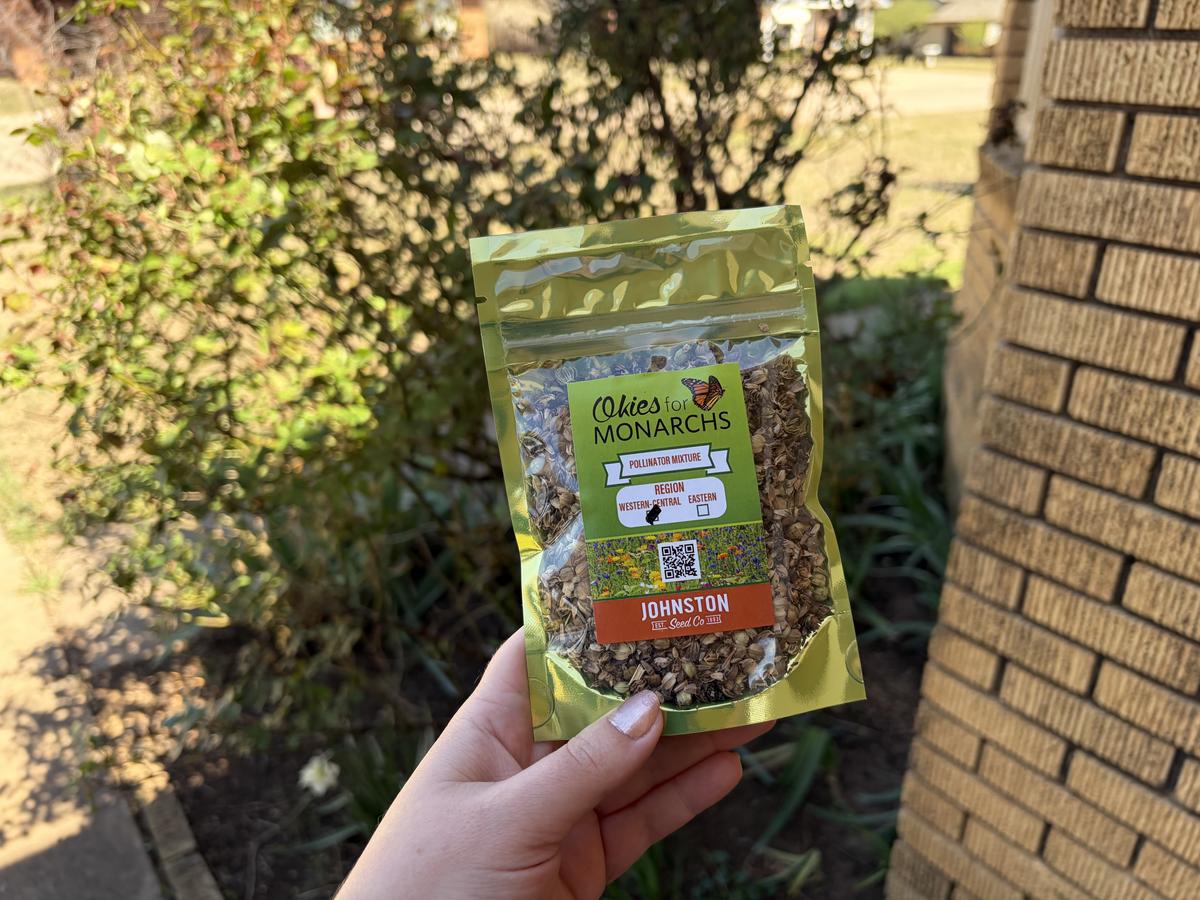
I ended up purchasing a new bag of wildflower seeds through Johnston Seed Company out of Enid. I ordered a bag of the Okies for Monarchs Wildflower Mix for the central western region. Johnston Seed Company worked with Okies for Monarchs to put together a blend of native Oklahoma wildflowers perfect for benefitting local pollinators. Plus, a portion of proceeds from the wildflower seeds benefits Okies for Monarchs.
Utilize local sources when planning your wildflower garden.
As I continue my wildflower garden journey, I will definitely continue relying on local sources for guidance. So far, I have been utilizing guidelines from the Oklahoma Native Plant Society and Okies for Monarchs.
What are the best Oklahoma resources for wildflower gardens that you have used? Let us know by messaging us in our official station app!
 Oklahoma’s Beneficial InsectsNot all insects are pests! There are some insects that are beneficial to you and your garden. In a study by the Oklahoma Cooperative Extension Service on beneficial insects, “most insects found in yards, gardens or crops do not feed on or harm plants. Many are just ‘passing through’ or have very innocuous habits. Others feed on and destroy pest species. In many cases, the activities of these beneficial species can prevent or greatly limit pest problems.”
Gallery Credit: Jeri Anderson
Oklahoma State Parks
Get out and enjoy one of Oklahoma’s amazing state parks sometime. From the high desert of Black Mesa to the swampy lowlands and tall pines of Southeast Oklahoma, there’s a place of recreation for everyone in the Sooner State.
Gallery Credit: Kelso
Comments are closed.