
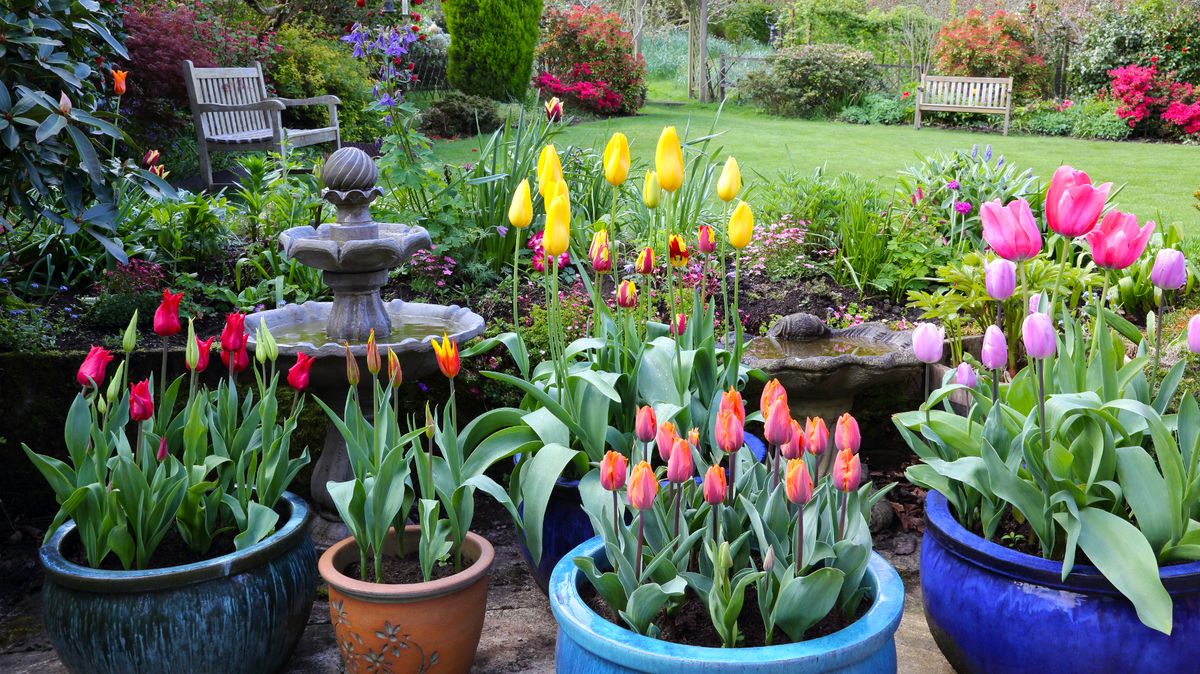
Today marks the beginning of the Spring Equinox, meaning its time for your garden to flourish in the sunshine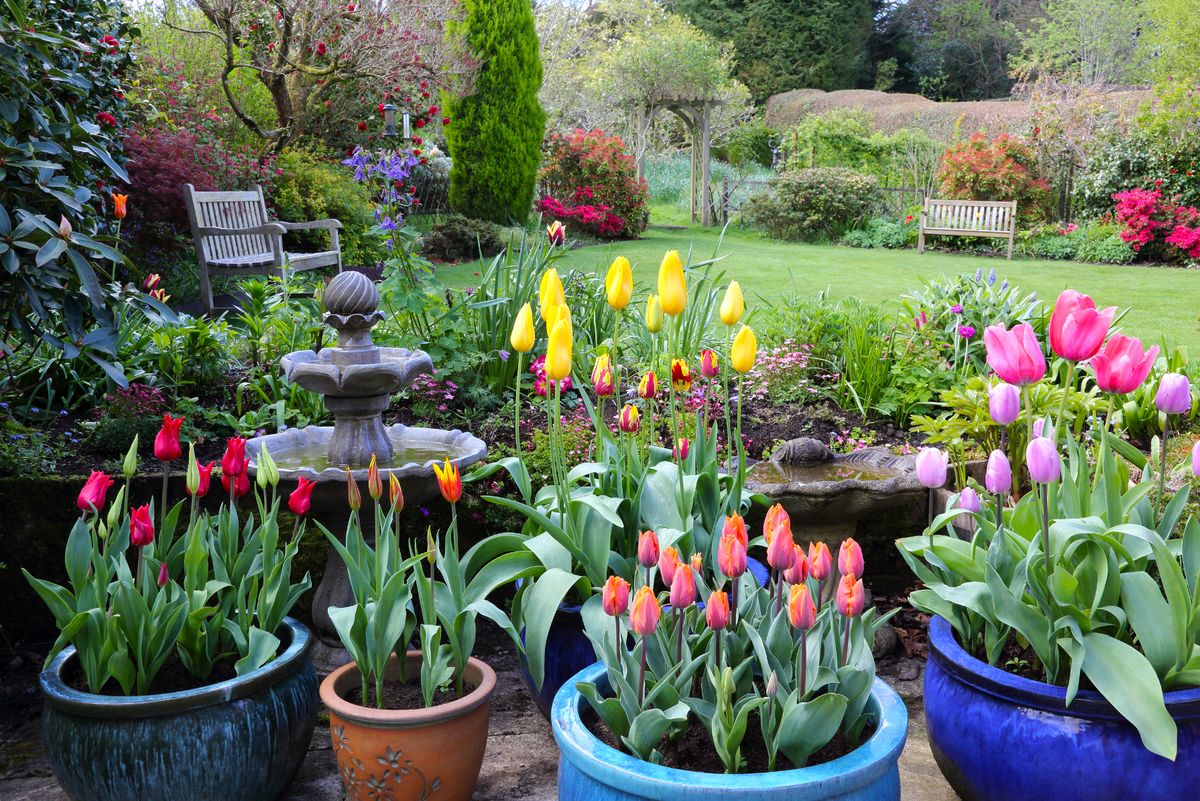
Spring is here and its time to show your garden some love(Image: Getty)
Today, March 20, marks the beginning of the Spring Equinox which is the perfect time to shift your attention to your garden and get it ready for the new season. If you don’t know where to start but are keen to get your garden in better shape, there are several easy and enjoyable tasks you can complete this weekend to celebrate the start of the season.
These simple jobs, including soil prep and sowing fast-growing flowers that will give you some quick colour in your outdoor space, are often found on a typical spring gardening checklist. However, don’t worry, you do not need to be a gardening expert to complete these jobs as they just take a few minutes and are easy to do.
What you will require though is a few simple tools such as gloves and a trusty trowel. The checklist and some expert guidance on the matter is stated below.
Get your garden soil ready
Without good soil health, planting efforts will go to waste. March is a great time to conduct a soil test to find out the current health status of your garden.
Gardening expert and landscape designer Caroline Ervin told Homes & Garden that over the winter, soil and clay soil can become more compacted.
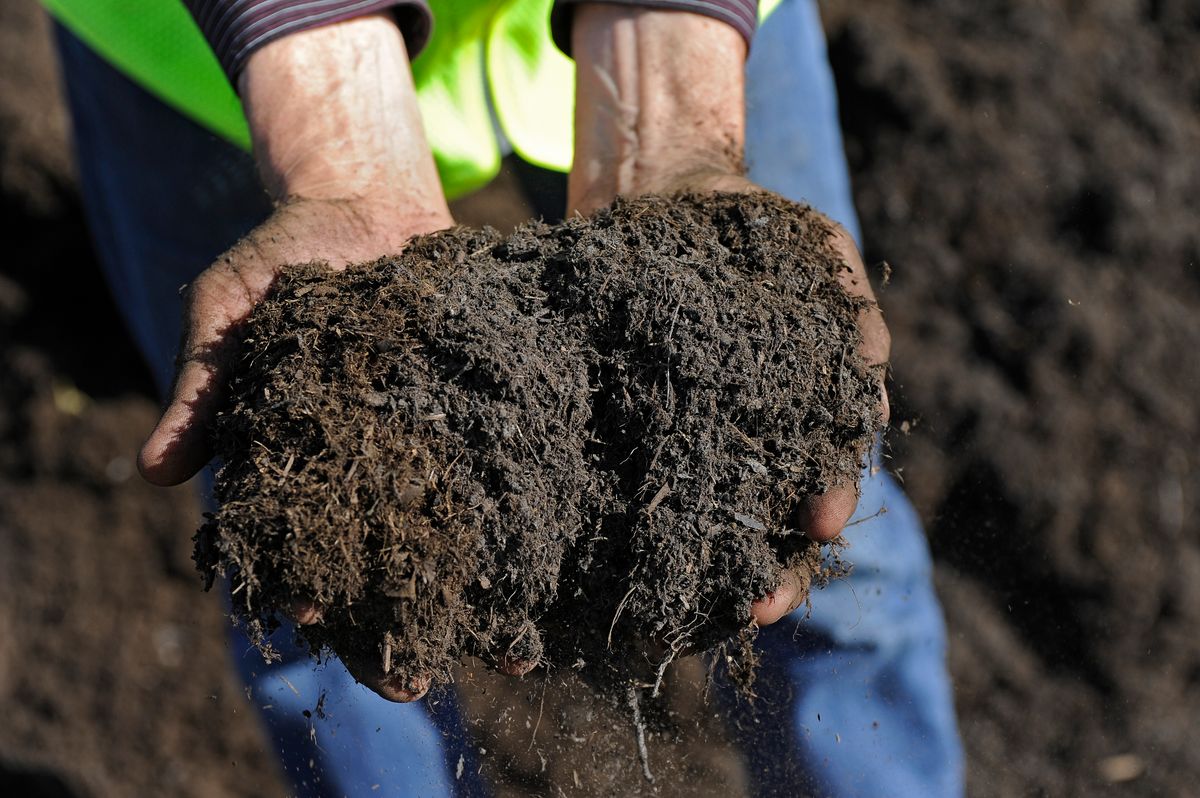
Testing soil helps gardeners to figure out what plants will flourish(Image: Getty Images)
She said: “A very light cultivation of the soil with a garden fork will create more space for air and water to penetrate the soil and reach the roots.
“To aerate the soil, insert the garden fork into the soil about 8-12″ deep, gently move back and forth to loosen the soil, and remove. Repeat this all throughout your planting beds.”
However, there are other methods to loosen compacted soil without disturbing it. For example, by using a no-dig gardening approach like adding nutrient-rich organic matter.
Sustainable gardening expert and founder of Growing to Give, Siobhan Shaw advised to try reducing how much soil you you turn and solely focus on the areas you ae planting.
She said that many people are taught to turn soil as it looks tidier but explained it can actually cause unnecessary work and disrupt natural systems.
Siobhan added that she uses a no-till approach to prepare the garden which keeps the soil structure intact and protects the beneficial life underneath, like worms and insects.
By protecting that underground ecosystem, gardeners give themselves a better chance with healthier, nutrient-rich soil from the very beginning of the season.
Plant fast growing annuals
If gardening is a new and unfamiliar hobby or you’re strained for time, fast growing flowering annuals are a great choice.
They are low-maintenance flowers that can be planted this weekend. They also germinate quickly and promise colourful flowers in just a few weeks which should last until summer.
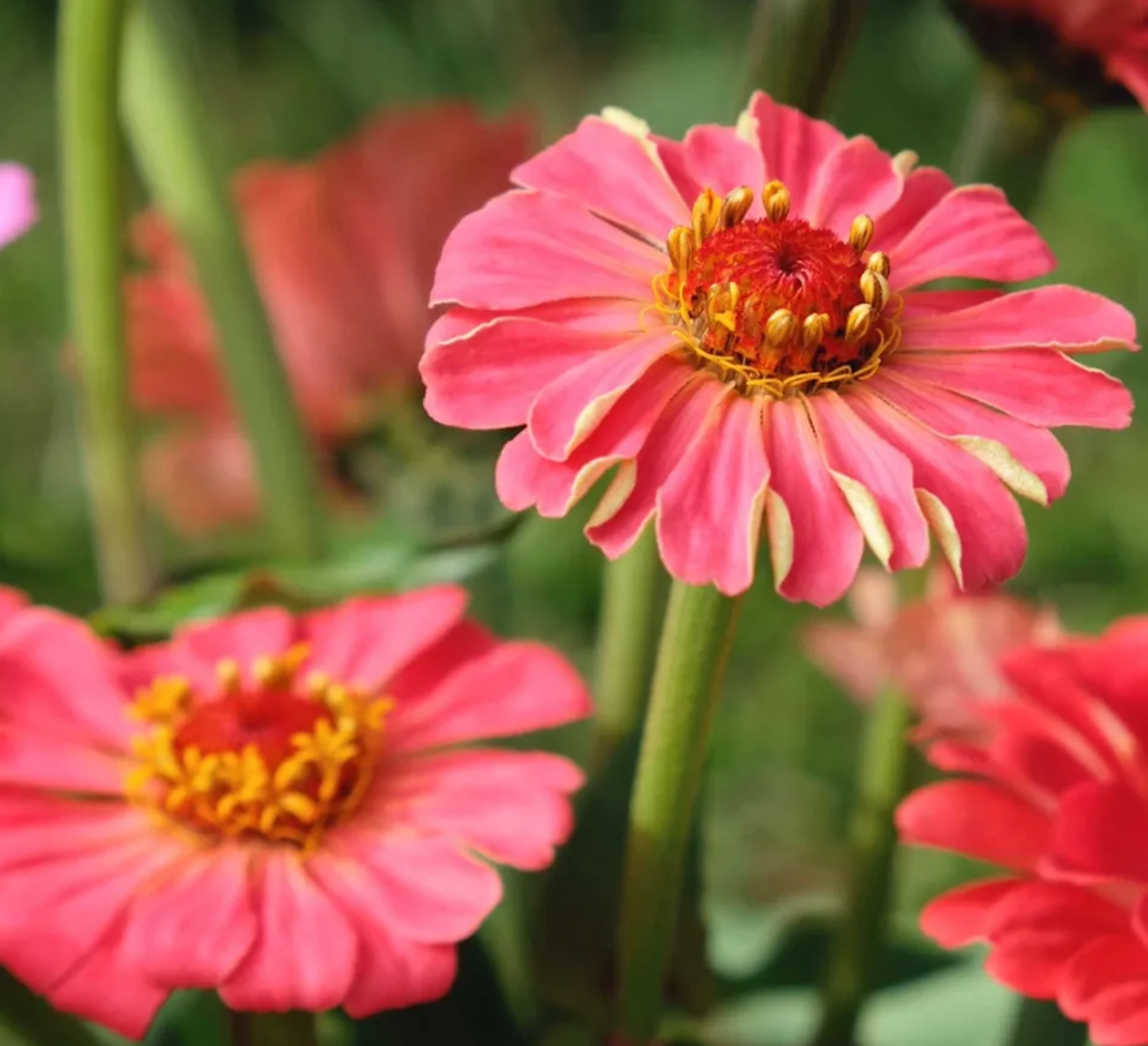
Zinnias take just 60 days to bloom(Image: Jasmyn Litherland / 500px / Getty Images)
You can grow them in flower beds, borders and containers but they also make beautiful cutting garden flowers.
Caroline explains that quick fast-flowering annuals should have around 6-8 hours of direct sun, require consistent moisture and will benefit from deadheading to prolong bloom times.
Some examples of these are Zinnias, which germinate quickly and typically bloom within 60 days and will continue to bloom all summer until frost.
Meanwhile, Cosmos are known for their tall, airy blooms and thrive in the summer heat.
Marigolds are also a great choice and bloom within eight weeks most of the time.
Collect compost materials
While making your own compost may seem scary, new gardeners will be surprised to learn just how many free composting materials are already in your garden. This is the case especially in the early spring, with lots of plant matter to clean up from winter.
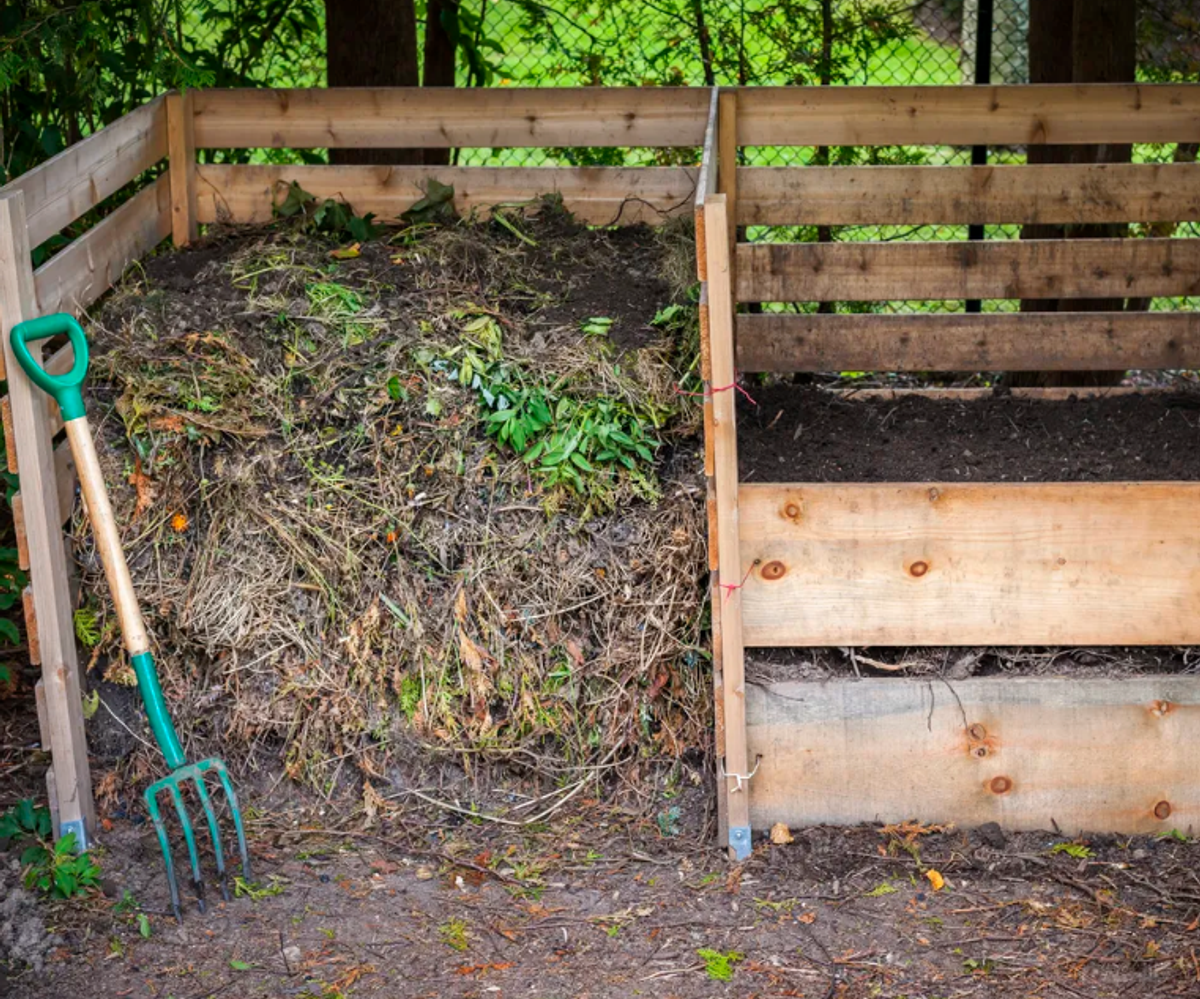
Compost can be made from scratch(Image: Elenathewise via Getty Images)
When it comes to making your own compost, Siobhan recommends a simple mix of fallen leaves and vegetable scraps.
She advises to refrain from using diseased plants or weeds that have gone to seed to keep the compost healthy.
There are several other things you should never compost like dairy and meat products.
Starting is simple, you can either use a compost bin or a lazy composting approach, where you simply start a heap on a flat piece of ground in your yard.
Caroline adds: “Perennials and ornamental grasses that were not cut back in the fall are ready to be cut back to allow for new growth to emerge.
“The dried leaves and stems, and dried blooms remaining on shrubs like hydrangeas, are perfect additions to the compost pile – they will break down over the next few months and be ready to add back to the soil in the fall or the following spring.”
Comments are closed.