
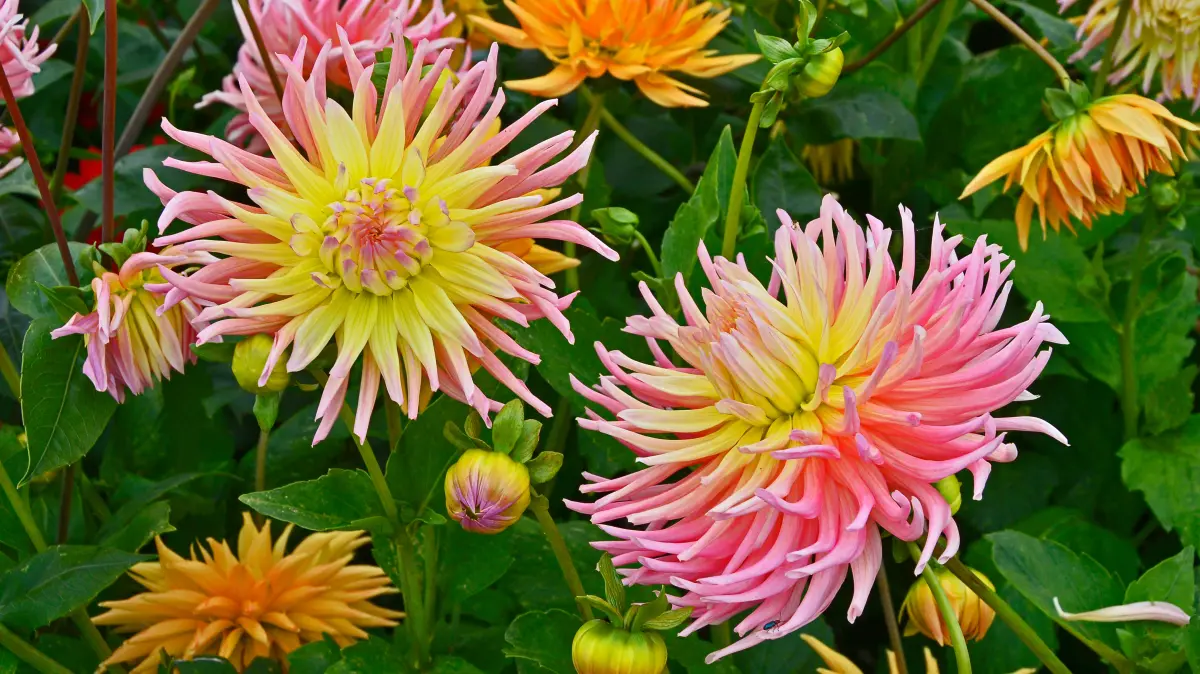
It’s officially spring and, even though I don’t approve of to-do lists, one item that is now a must do is to decide, once and for all, which dahlias to order. It’s not easy because the sheer number, at 57,000 registered cultivars and counting, feels overwhelming to the point of silly. This may be true but, still, it’s no excuse.
Whenever I have needed a winter distraction (which is often), I have looked at dahlias online, made lists, listened to podcasts, made more lists. Tall or short? Pollinator-friendly (the open ones) or a “dirty double”, as some of the more luxurious can be called? One man who could help is Nick Gilbert, whose nursery in Hampshire grows more than 900 varieties and whose dahlia field is renowned. What, I ask him, are his favourites? “I have no favourites!” he exclaims. “I love all dahlias.”
That is a bold statement given that dahlias are not seen as easy keepers. They are candy for slugs and snails and then there’s all that fussing over tubers in the winter. Gilbert stops me there. “Dahlias are very easy to grow. The biggest decision will be to choose which variety.
“Dahlias have really come into their own in the past ten years. When I go to the shows, people have a fascination that dahlias get problems with slugs and snails. Well, any fleshy plant will have trouble with them, so it’s not just dahlias.”
When it comes to over-wintering, if your soil is free draining, as Gilbert’s main flower field is, you could leave them (though our increasingly wet and mild winters may change that). If your soil is heavy and wet, then lift and wash tubers and, after drying, store, wrapped in newspaper, over winter.
“If someone isn’t sure what to do, then grow them in pots and dot them among the flowerbeds,” he says. “When it comes to the winter months, just cut the foliage down and take the pot into a shed or greenhouse and leave them to dry out. Then that’s it. Reposition them again the following year.”
There is a huge variety, in colour and form (the National Dahlia Society lists 15 groups), but the two almost everyone knows are Bishop of Llandaff (bright red single flower, dark foliage) and Café au Lait, a decorative dinner-plate bloom that is creamy white to pale pink.
Gilbert and his team grow all their own tubers and all of these are good “doers” that hold their heads well. He may have no favourites but here is what made the list this year.
My favourite dahlias
Karma Sangria: medium semi-cactus, pink and yellow blend, with long stems.
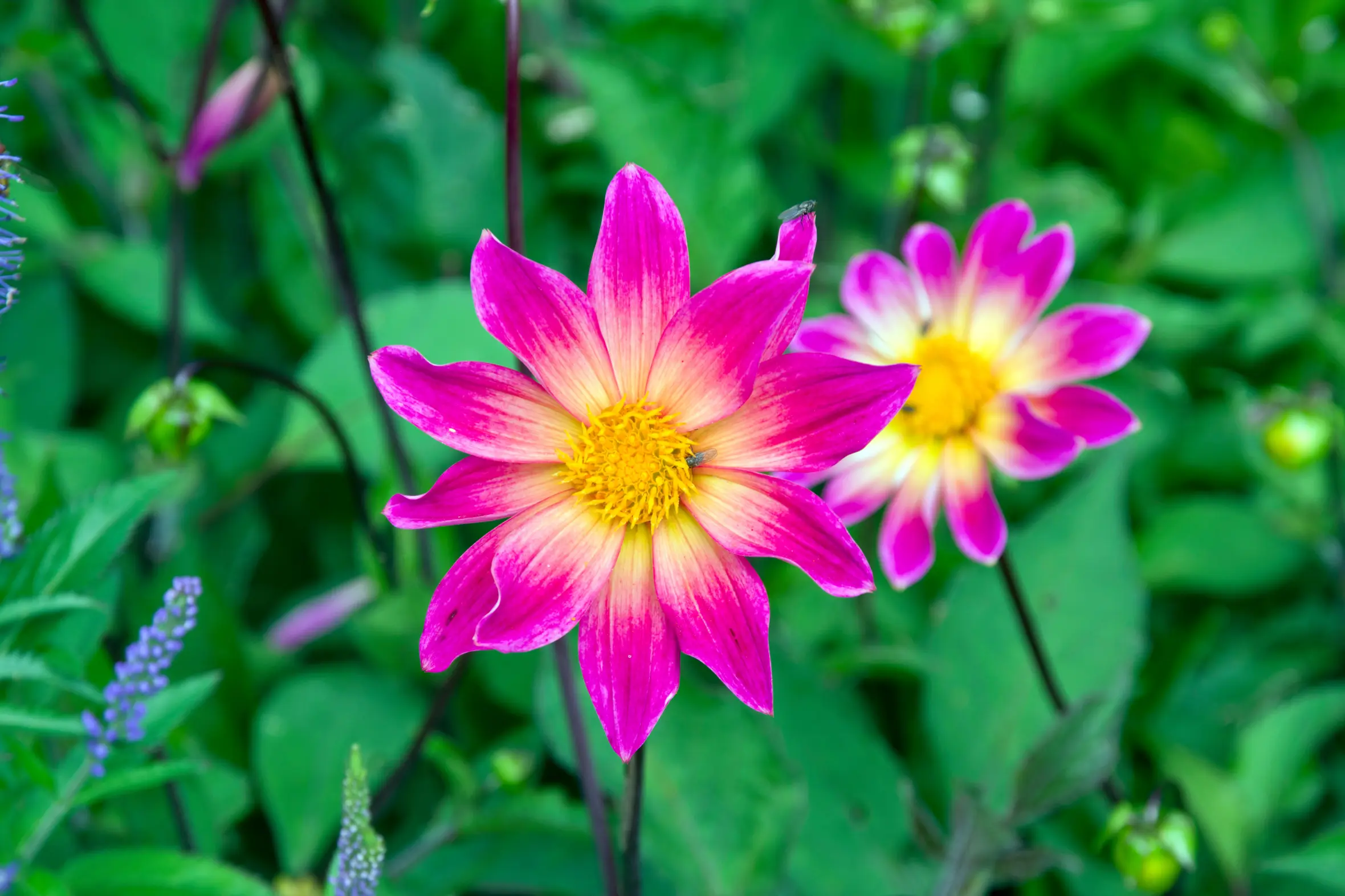
Bright Eyes: single form that is a purple/pink/yellow blend. Up to 4ft high, multiple stems and beloved by bees.
 Alamy
Alamy
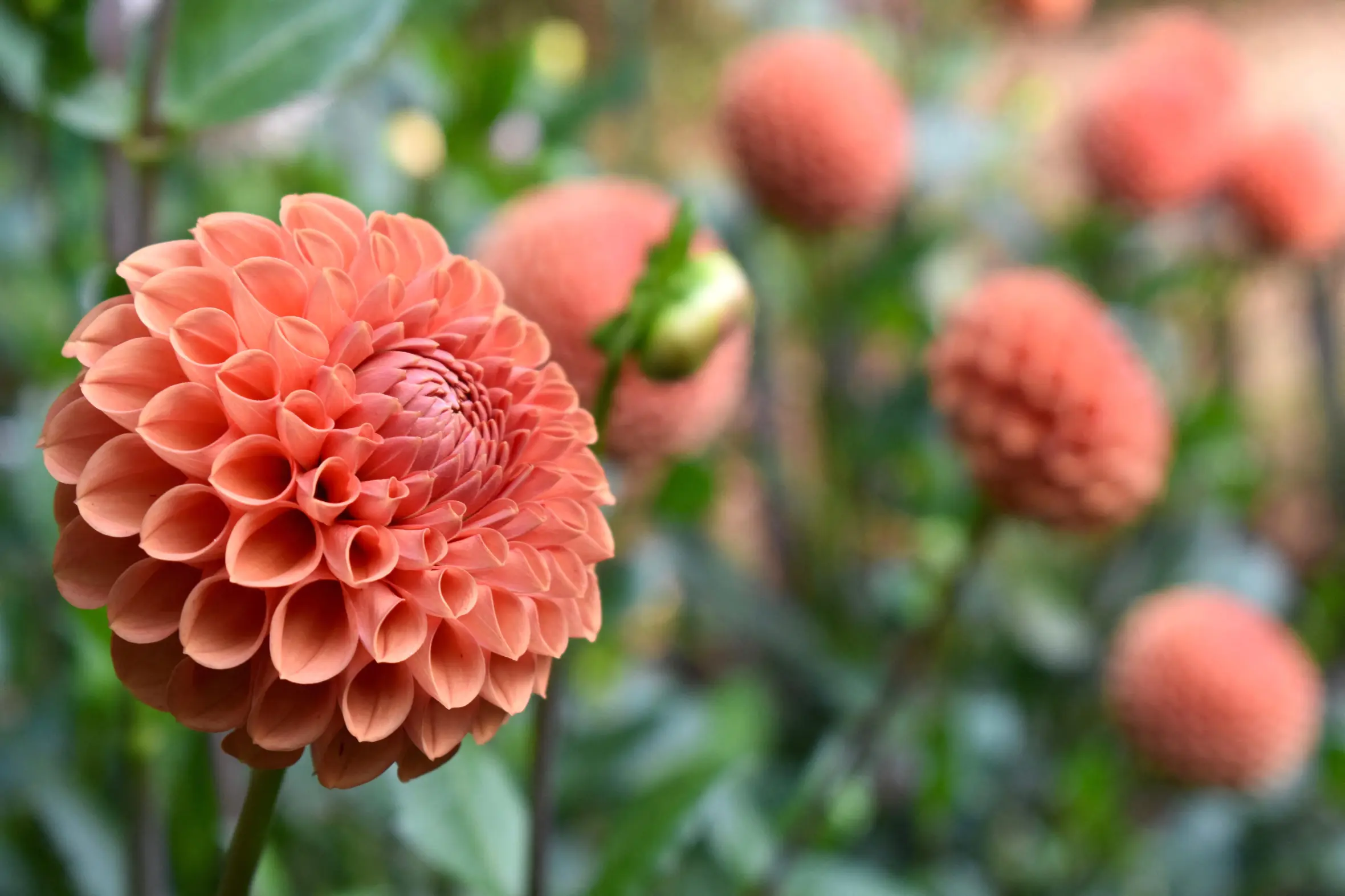
Cornel Bronze: miniature ball, apricot bronze, long stems. Good for cutting.
 Alamy
Alamy
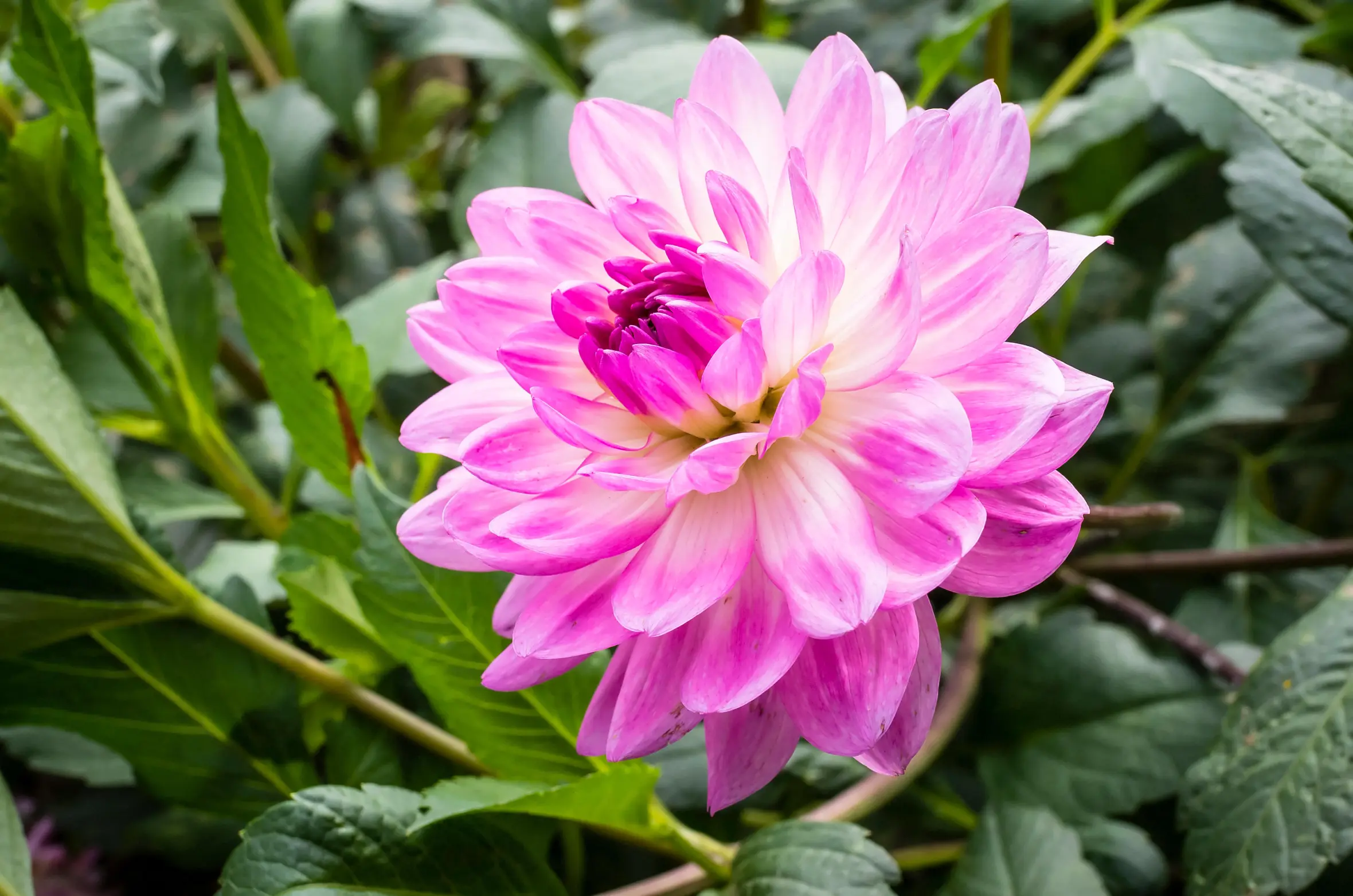
Nepos: waterlily type, lilac and white. “They are quite good fun. Some flower arrangers will just cut the flower head off and float them in water, which is a nice way of displaying them.”
 Alamy
Alamy
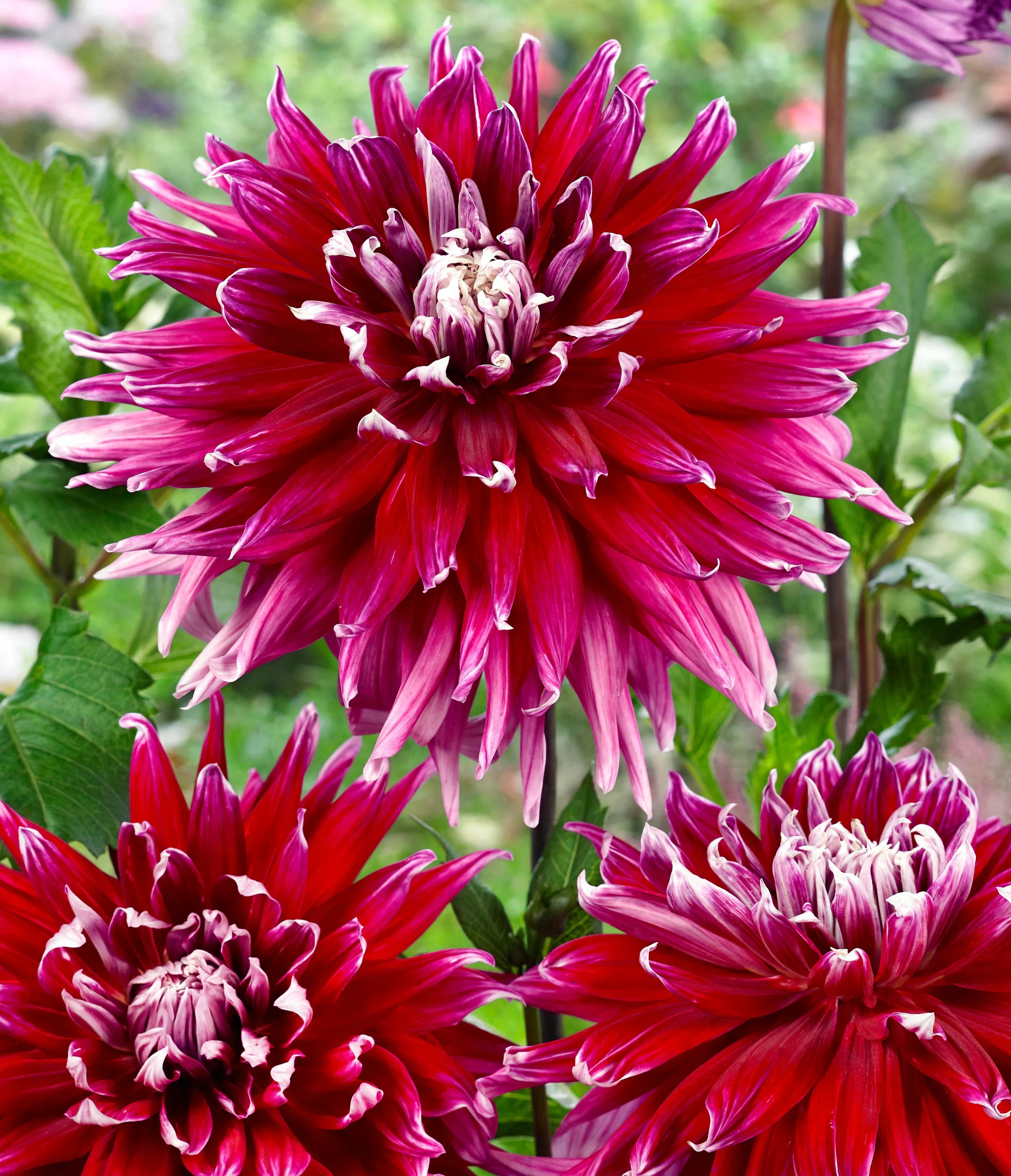
Grand Finale: semi-cactus, magenta purple with white flecks, with huge heads up to 18in across. “When people see it in the field, they can’t believe the size of the flower head.”
 GAP Photos/Nova Photo Graphik
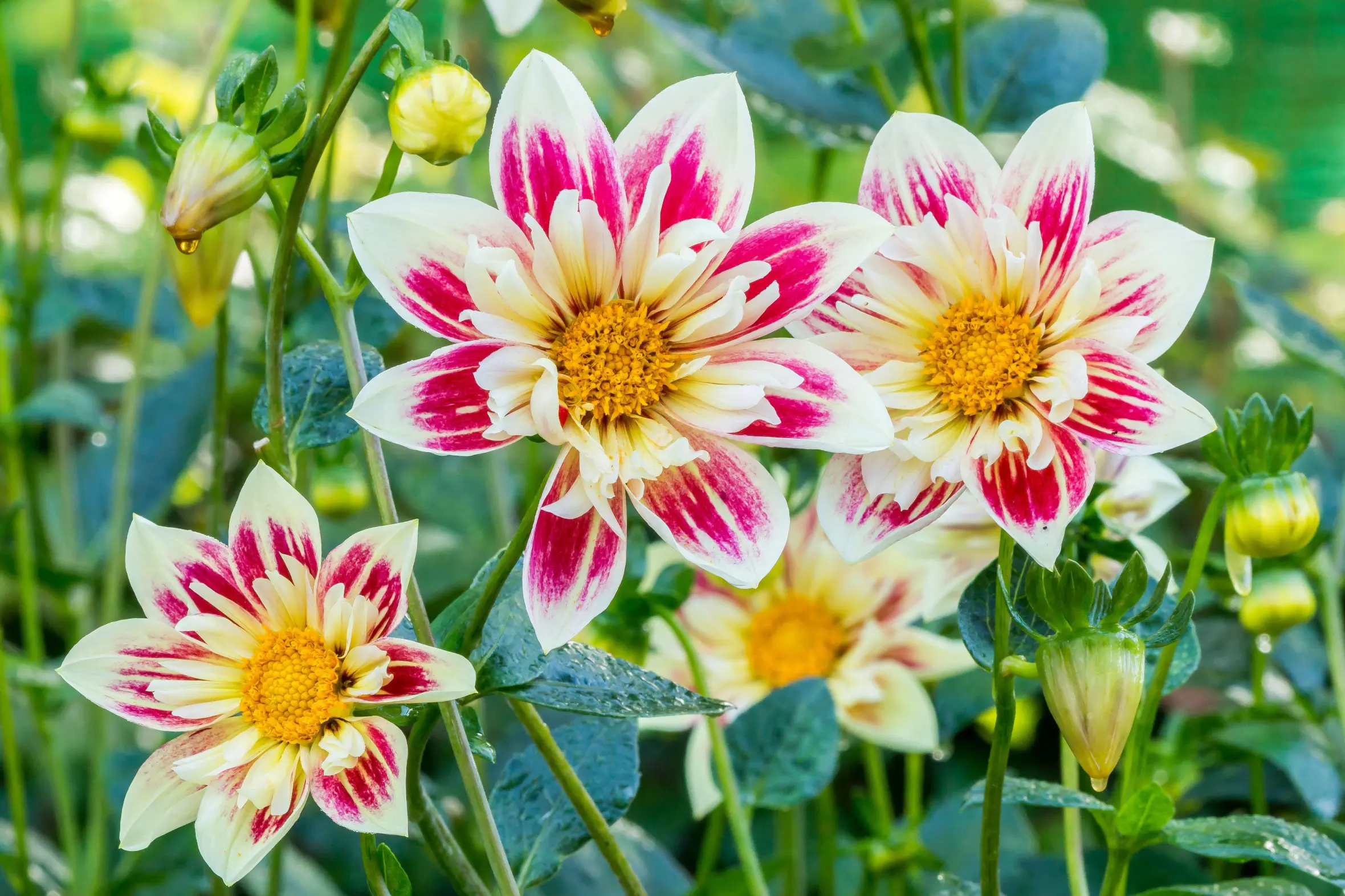
Fashion Monger: a collarette dahlia, which have a retro feel to them. Outer petals of deep pink, inner creamy white “collar”. Good for pollinators.
 Alamy
Alamy
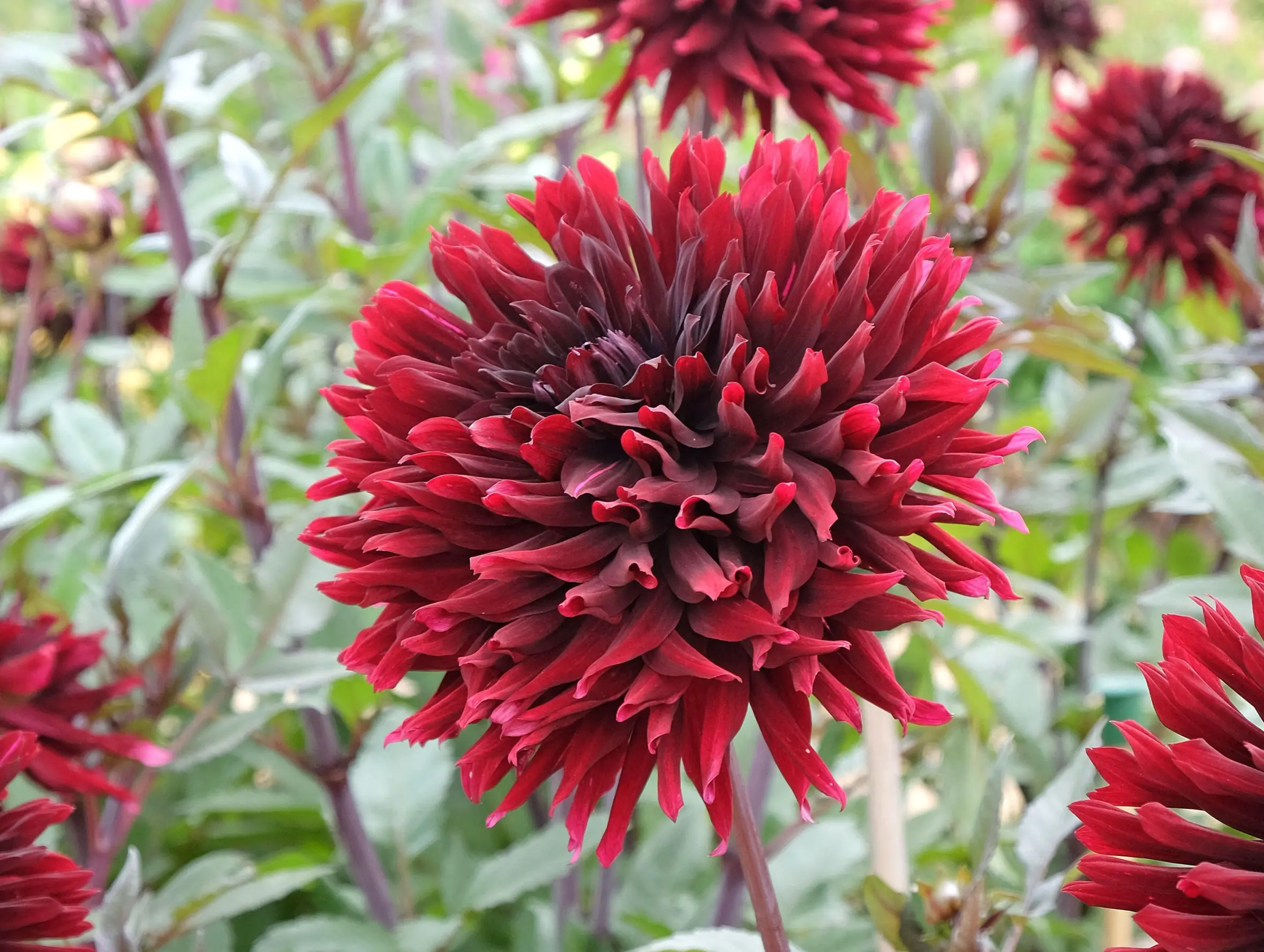
Black Jack: dark foliage with deep dark-red flower. “We call that the hedging dahlia because it gets up to four to four and a half feet. It has good strong stems.”
 Alamy
Alamy
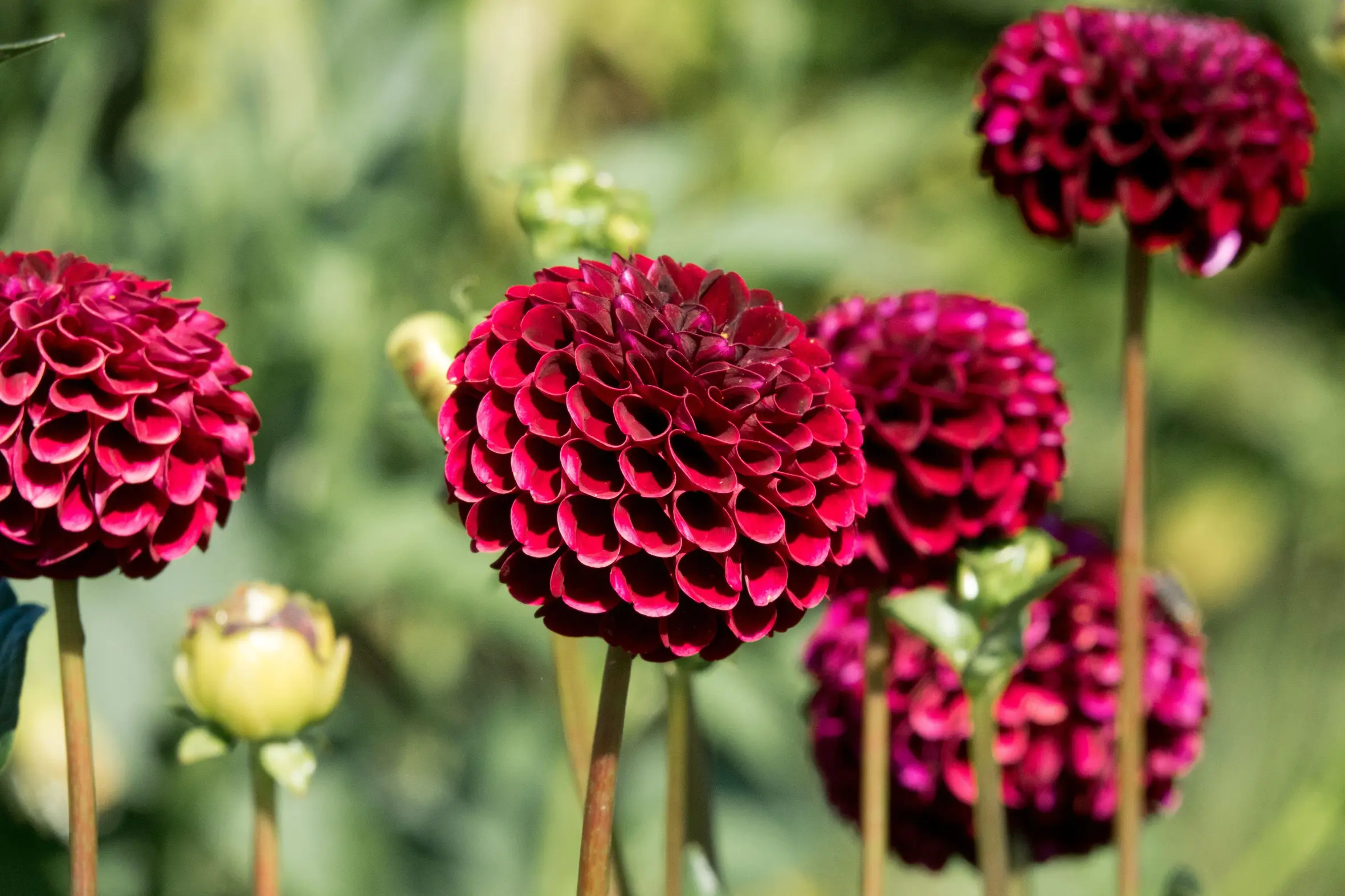
Natal: a pom type, the size of thumbnail, a deep purple.
 Alamy
Alamy
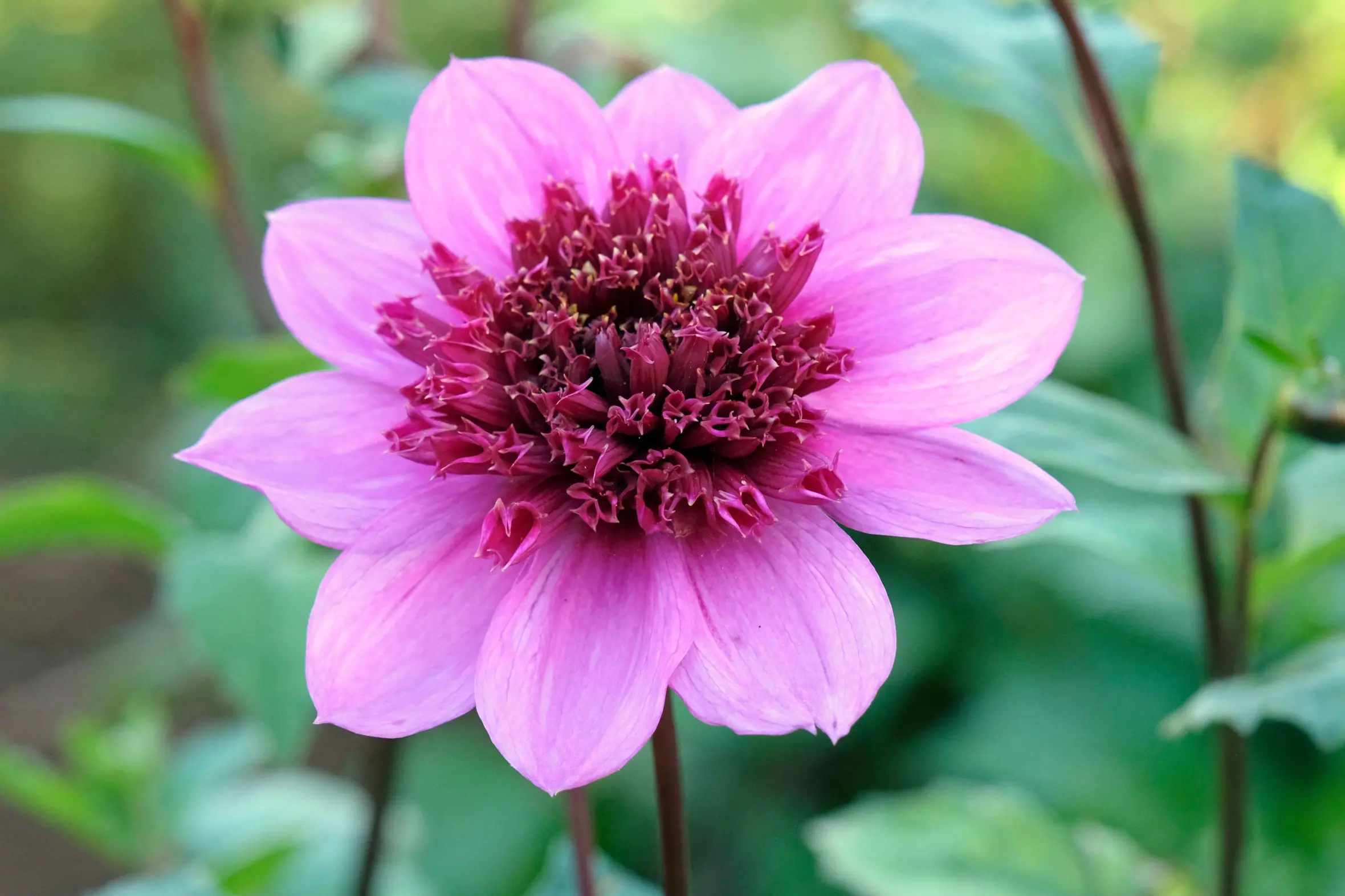
Blue Bayou: anemone-type (good for bees) with a lavender outer petal “skirt”, deeper lavender pincushion centre.
 Alamy
Alamy
Create your own dahlia
The only way to know for sure what dahlia you are getting is via a cutting or tuber. Those grown from seed are unique and Gilbert urges all dahlia lovers to do exactly that. At the end of the season, cut off the spent head (the single open type are a good choice), squeeze to get rid of moisture and place on trays on a windowsill or greenhouse. In just over a month they form a papery shuck. Store in a container and, in the spring, break the shuck open. Plant the seeds and wait. “You just never know what you are going to get,” he says. Bonus: you get to name it.
Gardener’s question
How do you trap earwigs?
Earwigs love a decorative dahlia. Tempt them away by putting small pots stuffed with newspaper (or straw) upside down on the top of bamboo canes amid the plants. The earwigs will head up (to read the paper, I like to think) and can then be removed.
Send your garden queries to gardenquestions@thetimes.co.uk
Comments are closed.