
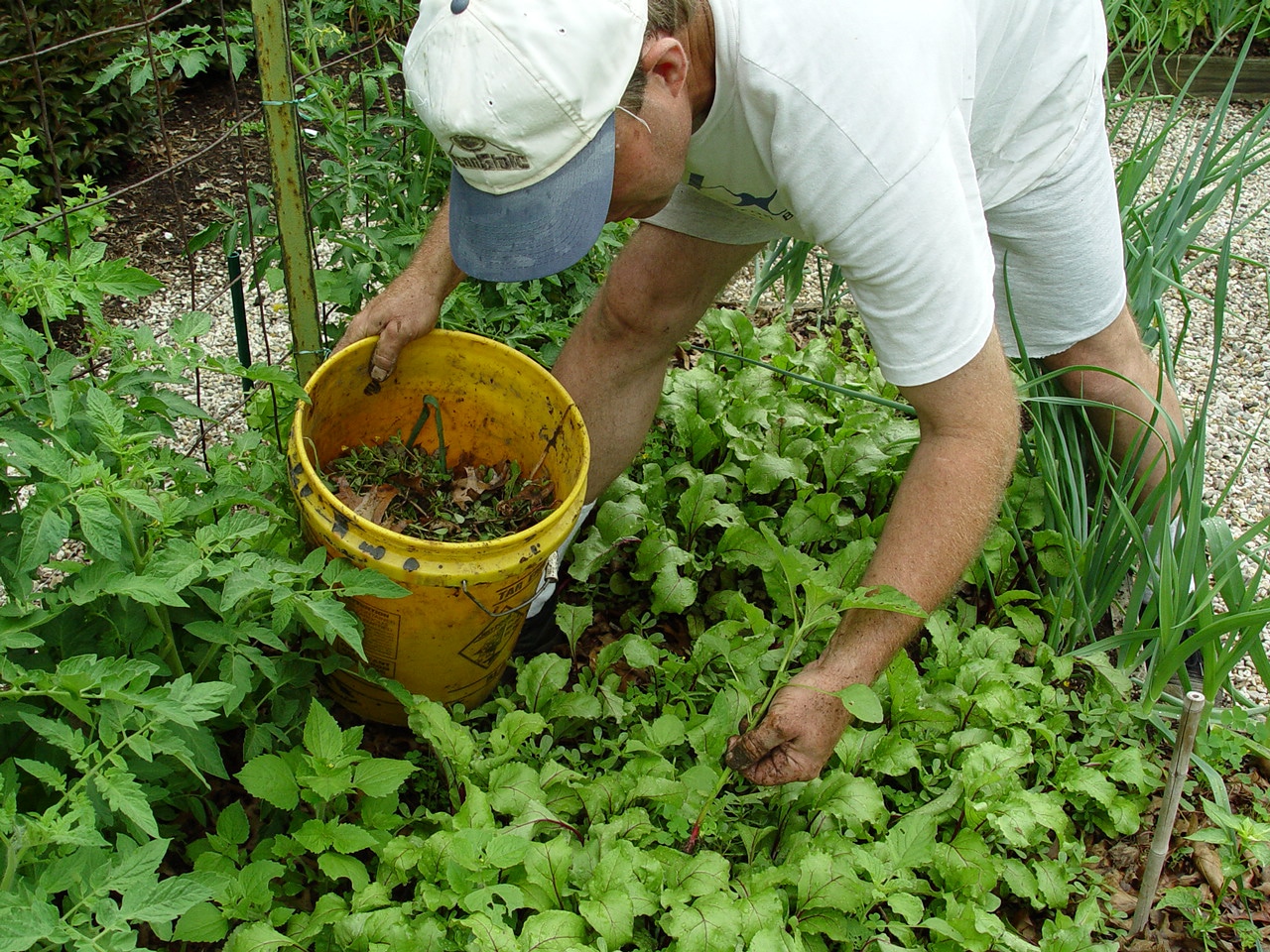
Gardening isn’t a particularly easy hobby at any age, but the going gets a little tougher with each passing year (especially those years beyond the age-60 waypoint).
As the 2026 gardening season unfolds, Duane Pancoast, author of “The Geriatric Gardener,” offers these seven streamlining tips for rapidly aging gardeners.
Be kind to your knees and back
Exercise to warm up or cool down. Wear strap-on knee pads, use a wheeled seating or kneel-and-sit product, and/or make use of Pancoast’s preference, a sturdy five-gallon bucket.
“It’s a seat when turned upside down, and it can also double as a tool caddy and debris bucket,” Pancoast says. “And it’s a good aid for helping you stand back up.”
When lifting, use your legs instead of bending over and lifting with your back. Better yet, avoid lifting heavy objects in the first place; put them in a wheelbarrow, garden cart, or coaster wagon.
Make gardening easier
Place container plants on plant caddies, which have wheels to make the containers easier to turn or move.
Replace perennials that need to be divided often with shrubs and/or dwarf conifers.
Lean toward a more natural style, which is easier to maintain than landscapes that need a lot of trimming and neatening.
Make your garden safer and more accessible
Switch to raised beds, containers and elevated planters. Be sure the planting height is comfortable so you can work while standing or sitting as opposed to bending.
Replace steps with gentle slopes of no more than five percent, make sure path surfaces are smooth and level, and add handrails to paths along slopes or steps.
Light your paths, sidewalks, patio edge, and pond. Solar lights are easy to install and inexpensive.
If you use a walker or wheelchair, widen paths to four feet for one-way traffic or seven feet for two-way traffic.
Consider new, lightweight tools
Lightweight cutting tools with gear assist are available, including pruners, hedge clippers and loppers. Ratchet pruners are even easier.
Replace your wood-handled shovels, rakes, and hoes with the new lightweight tools with fiberglass handles and lightweight metal blades.
Make long-handled tools easier to grasp with arthritic fingers by installing foam sleeves over the handles. Use pool noodles or pipe insulation.
Take healthy precautions
Wear a wide-brimmed hat that will cover your ears and neck as well as shade your face.
Wear loose-fitting, lightweight clothing (preferably covering your limbs), slather sunscreen on all exposed skin every couple of hours, and wear sunglasses to protect the eyes from bright rays.
Stay hydrated. Keep a cooler of water nearby and drink often.
Keep a cellphone and/or medical alert device nearby in the garden in case you fall or otherwise need help.
Pace yourself
Plan your garden work in small blocks, and don’t garden beyond your limit. Begin the day with the most strenuous work and move on to progressively easier projects as the day goes on.
Take frequent rest breaks between each work block. Select or make a cool, shady spot in the garden.
If you can’t stand the heat, garden in the morning before it gets too hot or in the late afternoon or early evening when it’s starting to cool down. Freer scheduling is one of the main benefits of retiring.
Consider downsizing
If you’re still feeling overheated and overwhelmed, it may be time to downsize the beds, at least the ones that are creating the most work.
Or seek help or hire out when you need it, at least for heavier and more difficult jobs.
Comments are closed.