
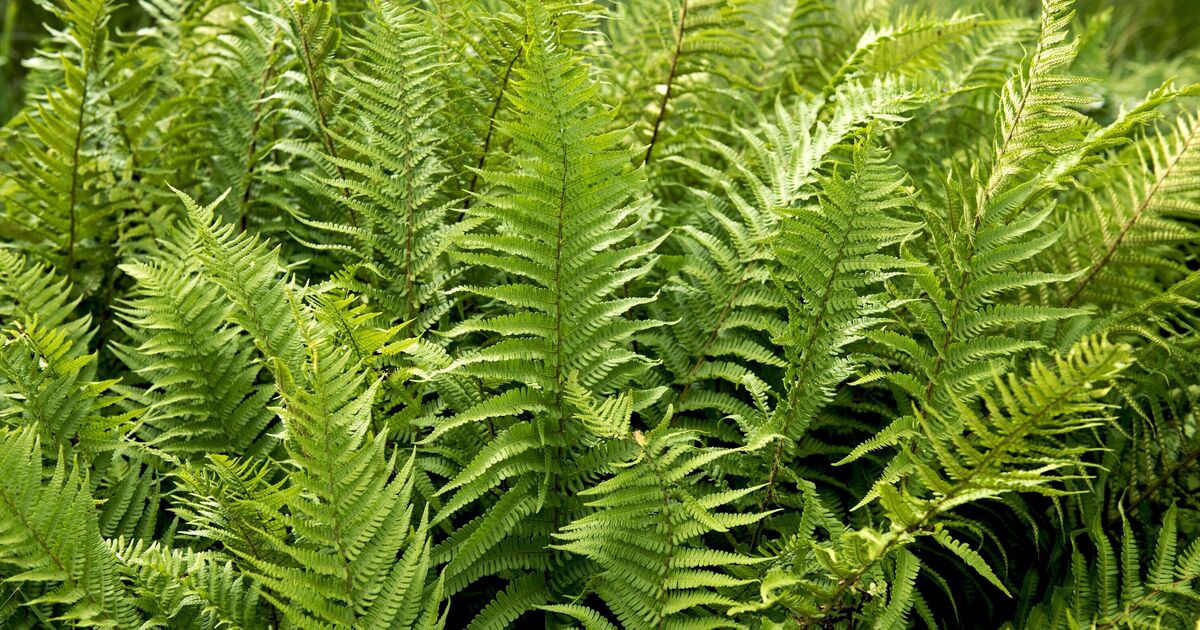

Don’t worry if your ferns are looking drab, there’s a quick task that can help them grow back bigger (Image: Getty) This article contains affiliate links, we will receive a commission on any sales we generate from it. Learn more
Ferns are a great plant to decorate your garden, and they’re unbelievably easy to grow. Many varieties of ferns can be planted throughout the year, but if you already have some in your garden, they may be looking a little worse for wear.
Gardening expert and TikTok creator Ish noted that ferns may look a little brown due to winter weather. However, if you want them to grow back bigger and to their former glory, there’s a simple job you can carry out now in March to revive them. Ish said: “If your ferns are looking a little bit crisp and sad from the winter weather, don’t worry. In fact, they can be cut right back to absolutely nothing and they’ll grow again.”
READ MORE: Households told to cut lawn from 10am on Saturday
READ MORE: Wilting flowers will have a new lease of life with the help of kitchen staples
Simply cut the fronds right at the base of the stem with some secateurs. By clearing away any crispy or damaged fronds, you’ll allow the new curled-up fronds room to grow.
Ferns won’t need to be tended to until March, even if they are looking discoloured. The plant may look bare for a few months, but just be patient.
Over the next few months, the new fronds will start to bloom and grow. They will grow just as big as they did the previous year.
Experts at Gardeners’ World also recommended cutting back the plants in May and in October. When tending to ferns in May, it’s best to remove any dead or damaged fronds from evergreen ferns, similarly to what Ish advised.
When autumn comes around, fronds of deciduous ferns can be cut back. The Royal Horticultural Society also advised removing any debris around the plant.
This will help improve air circulation. If any weeds are sprouting at the base of the plants, simply remove them by hand.
Once you’ve given the ferns a proper trim, you want to make sure you add a good amount of feed to help them flourish down the line. Ish recommended using a slow-releasing feed and some feed pellets planted at the base of the fern.
The RHS explained: “Most ferns planted in the open garden need no additional feeding, but if soil conditions are particularly poor, you could add a well-balanced fertiliser, such as Growmore or blood, fish and bone, in spring.

Cut the fronds at the base of the stem (Image: Getty)
“Apply a mulch of garden compost or well-rotted manure to the soil surface annually in spring, to enrich the soil.”
Ensure that there’s plenty of moisture in the soil, so make sure that you’re positioning ferns in a location with an ample amount of shade. Ish said: “The really cool thing about ferns is that they really do thrive in shade, and partial shade as well, but a good shady area means it creates good ground cover, or somewhere under trees where you can’t normally plant something, because they’ve got such big leaves they’ll still get a bit of light and energy.
“So your ferns aren’t finished, they’re just ready for next year.”
Comments are closed.