
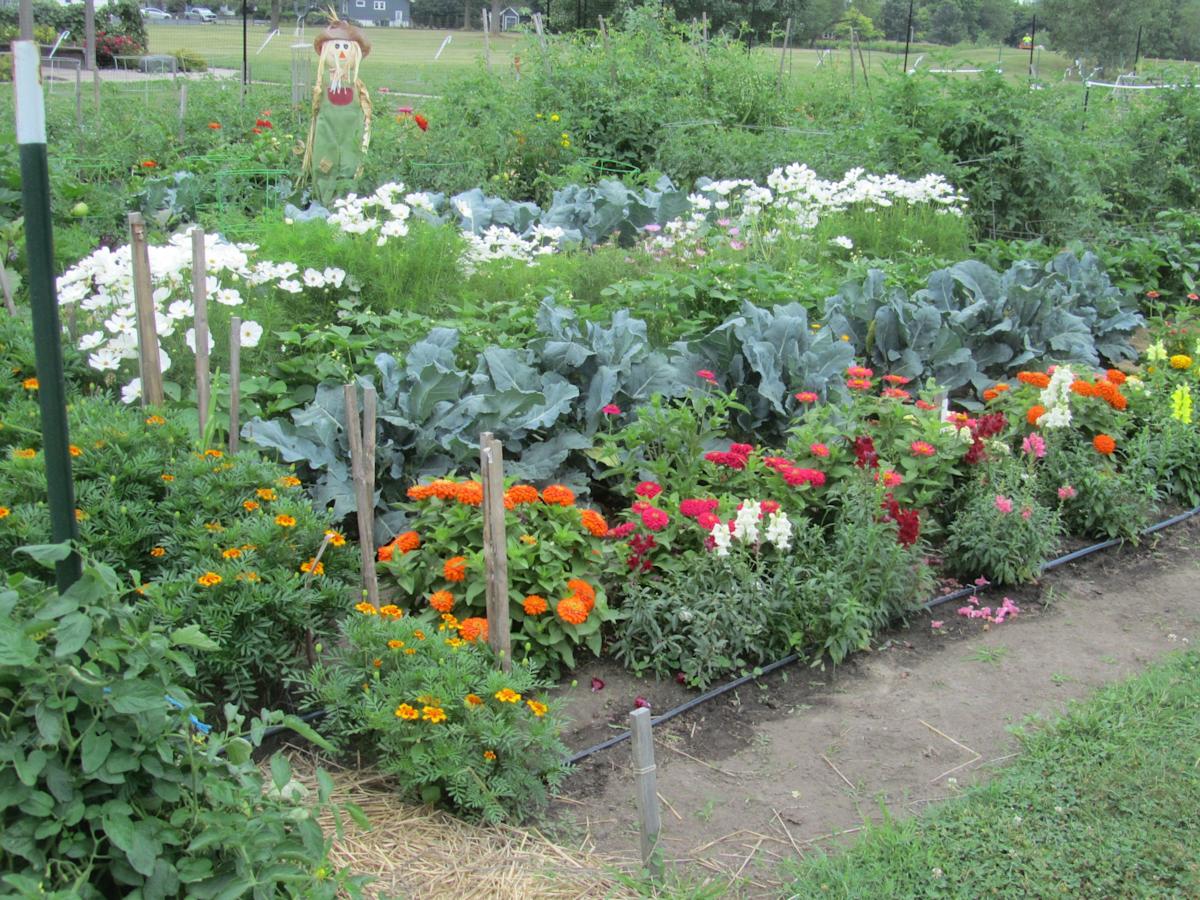
So you wish you had a garden, but you don’t have a spot at home to use. Maybe your yard is too shady or too wet or has poor soil. Consider renting a plot in a community garden.
Often municipalities, civic organizations, schools and churches, provide plots of land for community gardens. Of the two basic types of community gardens, one is where a group of people pitch in to grow a garden on a single plot of land. They till, plant and weed together, then share the harvest. This is most often the case where there is already an existing group.
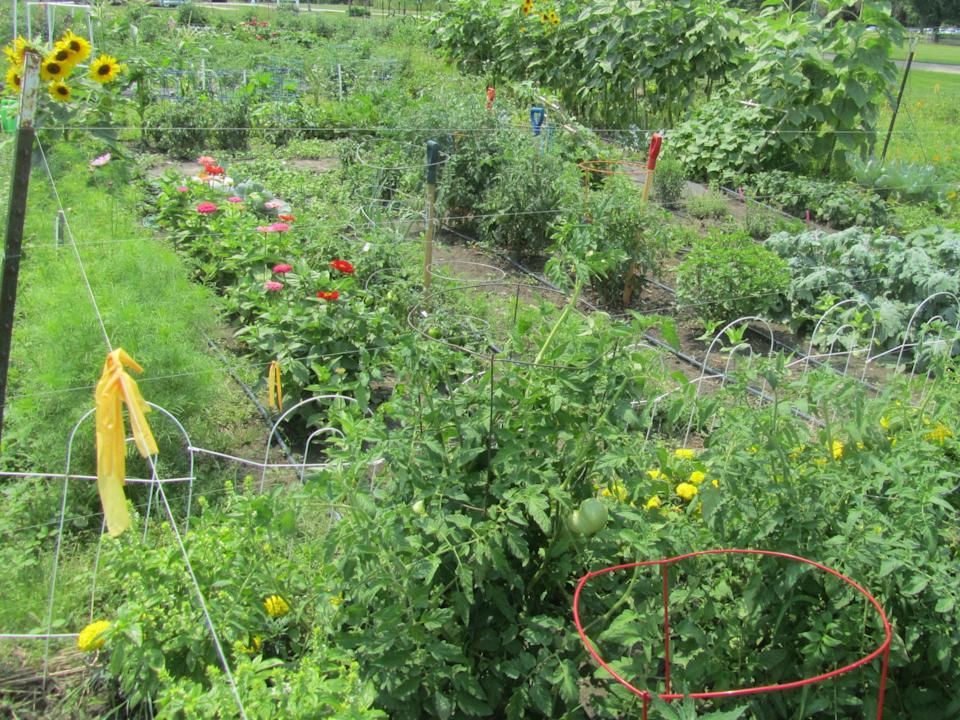
The other type of community garden is much more common, where the land is subdivided into individual plots, and each gardener tends their own garden plot.
Some community gardens provide nothing more than a sunny place to garden. You’ll need to do your own tilling and haul water from home. Water is critical, especially during the first few weeks until young plants grow roots and become established. After that, mulch applied around the plant will greatly reduce the amount of water required compared to bare soil.
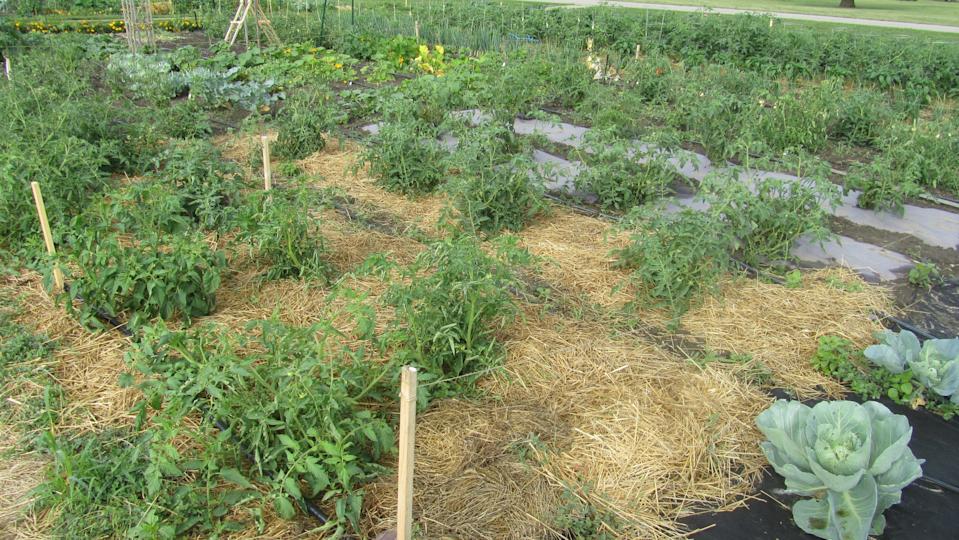
The next tier of gardens will have a water faucet to use. You’ll need a good watering can, but at least you won’t have to haul buckets of water in your car.
Other community gardens may loan basic hand tools to their members, such as shovels, rakes, hoes or even wheelbarrows. Some gardens are even fenced. Many will have a compost pile on site. Larger community gardens often have a garden manager to oversee the garden, make improvements and give advice.
Some gardens are strictly organic with no synthetic fertilizers or pesticides allowed. Others have no restrictions on the proper use of synthetic insecticides, disease controls and fertilizers.
Rental costs for plots can range from zero to hundreds of dollars per season for the most desirable locations. Plot sizes vary, too. Fees are used for upkeep and making improvements. You might be asked to sign a plot rental agreement.
If different sizes of plots are available, opt for a smaller plot for your first year to make sure you will have the time and energy to care for it. Vine crops such as squash or watermelons will easily overgrow a small garden plot. Instead, plant bush varieties of these vegetables, which will use less space. Unless you really have a hankering for it, avoid sweet corn. It takes up a lot of space.
Easy annual crops to grow include green beans, radishes, lettuce, zinnias and marigolds. Tomatoes are the number one vegetable crop grown by gardeners. Choose determinate tomato varieties that won’t get too big for a small garden plot.
Remember to be a good neighbor to your fellow gardeners. Don’t allow your garden sprays to drift to nearby plots. Keep your plots weed-free as much as possible.
This is the time of year when community gardens start sending out their garden reservations. So start looking now so you can enjoy your own flower and vegetable garden this year.
This article originally appeared on The Detroit News: Start your community garden plot search early to avoid disappointment
Comments are closed.