
As spring gets closer and closer in southwest Missouri, local gardeners are gearing up for the season ahead. With forsythia bushes bursting into their signature yellow blooms—a natural signal that soil temperatures have reached the ideal range for crabgrass germination—now is prime time to prepare yards and gardens.
Cris Henkle, owner of Henkle’s Ace Hardware in the Joplin area, shared practical advice drawn from years of helping customers at the store. “The key is deciding your path early,” Henkle said. For those maintaining a pristine, all-grass lawn free of weeds, she emphasized distinguishing between weed types.
Grassy weeds, like crabgrass, feature parallel veins similar to a corn stalk and must be prevented before they sprout. Henkle recommends applying a pre-emergent herbicide such as Barricade, which provides longer-lasting protection than some national brands that require multiple applications. “Apply it now while the forsythia is blooming,” she advised, as this timing aligns with ground temperatures around 55 degrees—perfect for blocking those seeds without harming established grass.
Broadleaf weeds, with their tree-like leaf shapes, are handled differently. “Use contact killers, like traditional weed-and-feed products,” Henkle explained. Allow weeds to grow a bit, avoid mowing too short, then apply granules or sprays. Let the product sit for at least 24 hours to absorb properly. Some advanced formulas even work systemically, traveling through the plant to kill from the roots.
One versatile option combines both pre-emergent and post-emergent control, though choices are limited. Henkle stressed an important decision: if planning to seed grass this spring, skip all weed killers, as they can prevent new grass from establishing. Instead, she and experts like Scotts recommend focusing on pre-emergent weed control now, knocking out existing weeds for a lush summer lawn, and seeding bare spots in the fall when weather is more predictable.
For shrubs and perennials, spring trimming is safe now that hard freezes have passed. “Trim knockout roses, tea roses, yews, and boxwoods,” Henkle said. Cut tea roses back significantly, leaving mostly stalks. Avoid heavy pruning on evergreens like arborvitae or Green Giants.
Perennials are emerging reliably as soil warms—no special intervention needed. Mulch from leaves helps protect them through lingering cool nights. “Nature times it perfectly based on ground temperature,” Henkle noted. Perennials offer low-maintenance structure in flower beds, while vegetable staples like rhubarb and asparagus return yearly after one planting.
Vegetable gardeners should start seeds indoors under grow lights now, especially for tomatoes and peppers, which need weeks to mature. But hold off on transplanting tender tropicals outdoors. The average last frost in the Joplin area falls around mid-April (typically April 11-20, with some sources citing April 3-16 depending on exact location and probability), and soil must warm to 55-60 degrees at a 2-inch depth for best growth. Planting too early risks stunted plants.
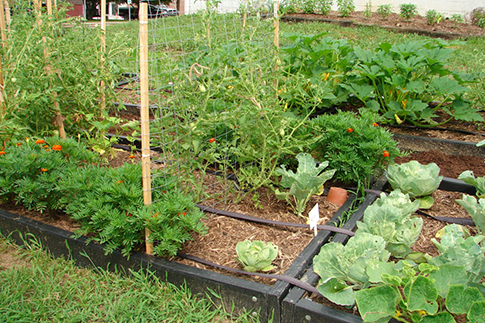
Hardier cool-season crops can go in sooner: potatoes and onions around St. Patrick’s Day, followed by brassicas like broccoli, cauliflower, cabbage, Brussels sprouts, and kale. Lettuce follows. These tolerate light frosts better than warm-season favorites.
For beginners, Henkle’s top tip is simplicity. “Grow what you like to eat,” she said. Start small—perhaps a few tomatoes, peppers, or cherry tomatoes in containers for easier pest and water control. Herbs like basil and thyme near the door provide fresh, costly-to-buy flavor. Modern options, including dwarf blueberries and columnar apple trees, make home growing feasible even in limited spaces.
The rewards? Superior flavor—nothing beats a true homegrown tomato—and knowing exactly what’s on your food, avoiding commercial waxes and residues. Advances in organics, like cold-pressed neem oil (a systemic insecticide, miticide, and fungicide) and spinosad (a biological control), have made pest management easier and safer, reducing reliance on harsher chemicals.
Soil in the region often leans clay-heavy and rocky, so amend with quality compost like Back to Nature cotton burr for better texture and neutral pH. Avoid unheated compost or topsoil that might introduce weed seeds. Plan ahead for weeds, watering (consider timers or simple PVC systems), and maintenance routines to avoid July overwhelm.
Finally, monitor the extended forecast closely. Cover tender plants if frost threatens—even above 32 degrees in low spots. With thoughtful preparation now, your yard and garden can thrive through the season. Stop by a local garden center for personalized help—spring success starts with the right steps today.
Comments are closed.