
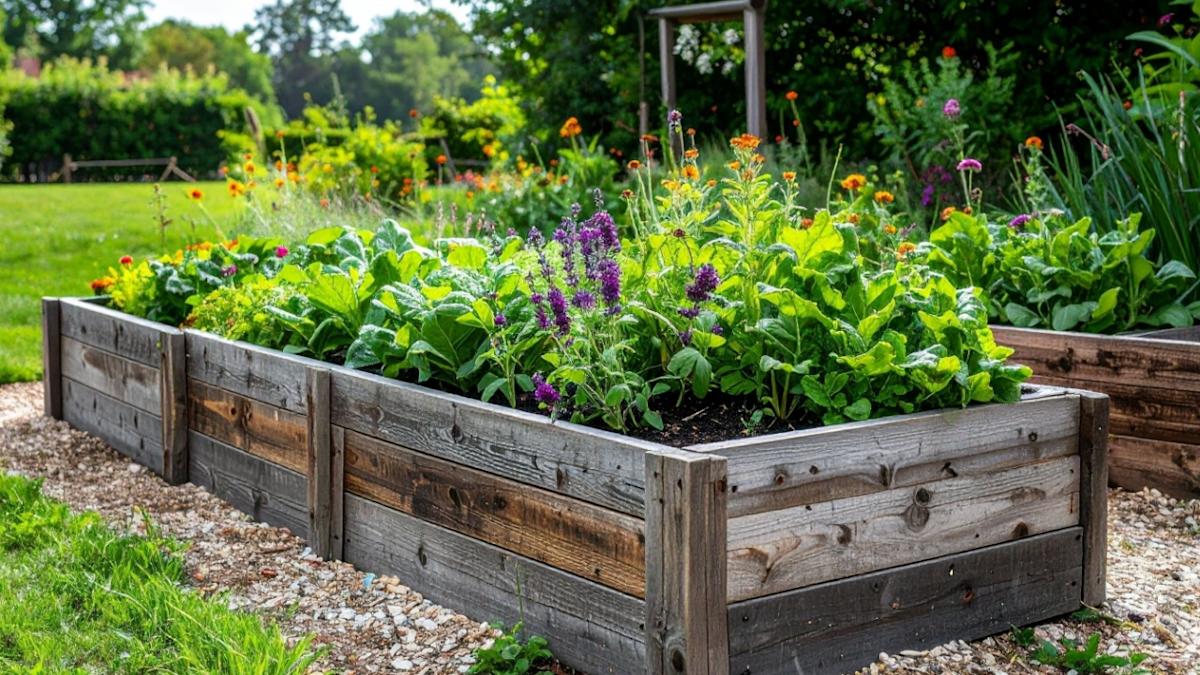
Something has shifted in how gardeners are thinking this season.
The Garden Media Group, which has tracked gardening culture for 25 years, calls 2026 the year of “lemonading”: finding opportunity in garden challenges, embracing imperfect seasons, and measuring success by joy rather than flawless yield. According to Garden Media Group, this philosophy reflects a genuine cultural exhaustion with perfection and a move toward what actually works.
The plants generating the most buzz in 2026 aren’t experimental lab novelties or high-maintenance showpieces. They’re performers: compact, resilient, and in several cases, deeply familiar in spirit even when they’re brand new in form. They grow in containers, survive heat waves, and bloom until frost without asking for much in return.
Here’s what deserves a spot in your garden this spring.
The 2026 Garden Must-Grow List1. ‘BadaBing’ Cherry Tomato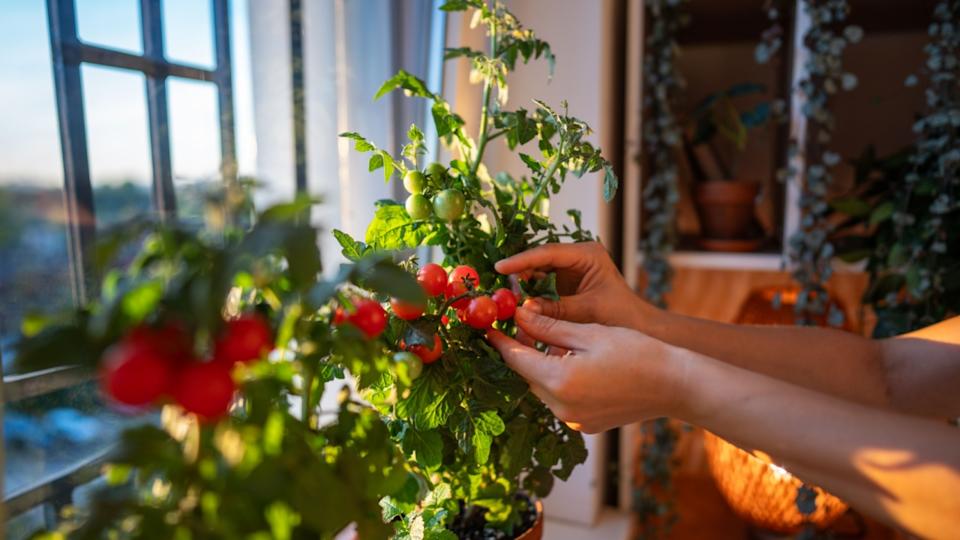
Image Credit: Shutterstock.
If there is one vegetable that defines the 2026 season, this is it. This compact cherry tomato won both the All-America Selections Award and the National Garden Bureau Professional’s Choice Green Thumb Award, a rare double recognition that reflects genuine multi-site trial performance. The plant stays just 40 inches tall, making it ideal for containers, raised beds, or small backyards, yet produces an indeterminate harvest of sweet, meaty fruits from midsummer until frost. Disease resistance is built in. As the Old Farmer’s Almanac notes, cherry tomatoes remain one of the top snack-garden choices for container growing in 2026.
2. ‘Treviso’ Basil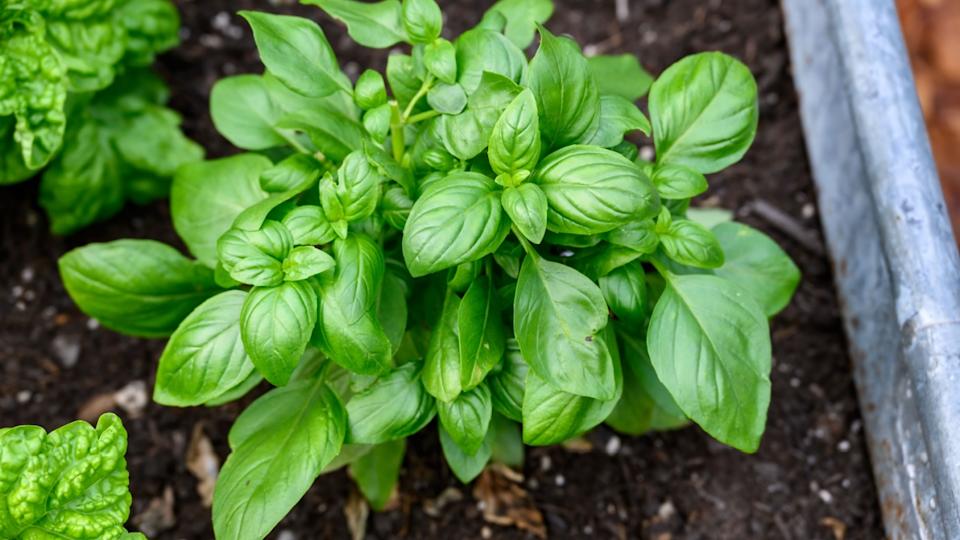
Image Credit: Shutterstock.
The single most practical herb introduction of the year. Every summer, gardeners watch standard Genovese basil bolt, mildew, and fail in the heat. ‘Treviso’ was bred specifically to stay compact, bushy, and productive when summer turns brutal, resisting both downy and powdery mildew. It earned an AAS National Edible Award. Grow it in a pot near the kitchen door, snip it freely, and stop mourning your August pesto.
3. Purple ‘Majesty’ Pole Bean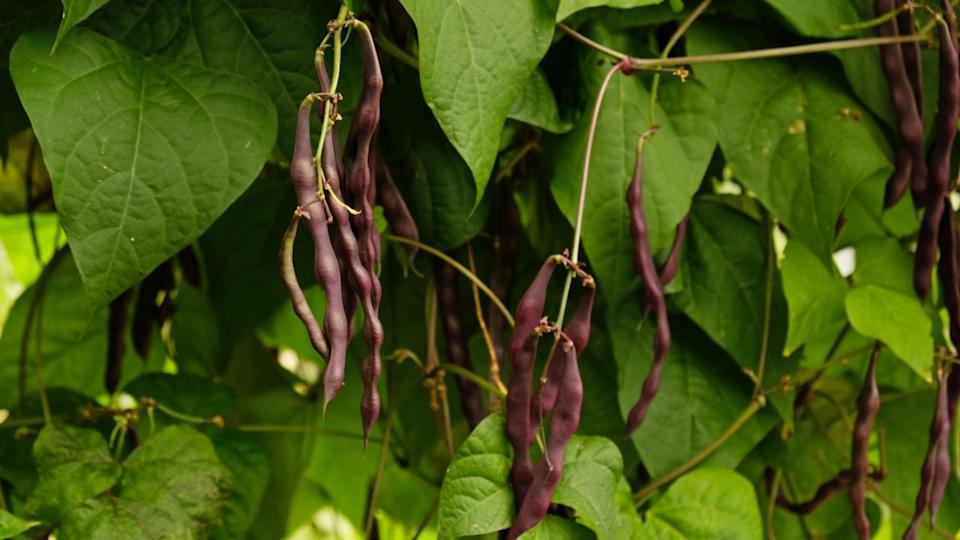
Image Credit: Shutterstock.
This climbing bean is ornamental enough for the flower border and edible enough for dinner every night. The deep purple pods are heat and insect-resistant, produce generously up a trellis, and contrast dramatically with green foliage. It’s the kind of plant that makes visitors stop and ask what it is, which, according to experienced growers, is half the fun of gardening.
4. ‘Rubybor’ Kale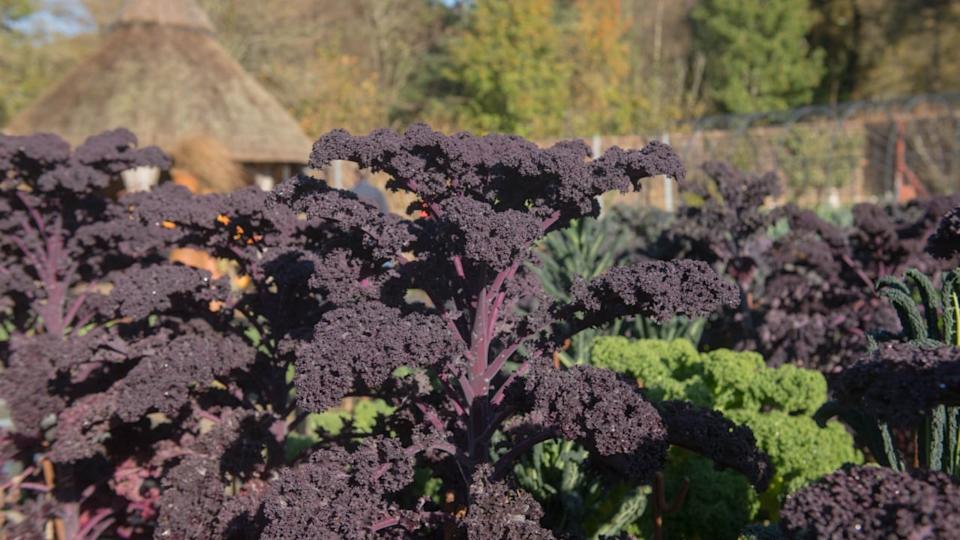
Image Credit: Shutterstock.
Kale gets a dramatic upgrade. ‘Rubybor’ has vibrant purple-red leaves that remain tender and flavorful through warm weather, resisting the bitterness that makes summer kale unpleasant. It works in salads, smoothies, and sauté pans, and it looks striking in a raised bed or container. At a time when kitchen gardens are becoming more design-conscious, ‘Rubybor’ earns its space on aesthetic grounds alone.
5. Sugar Snap Peas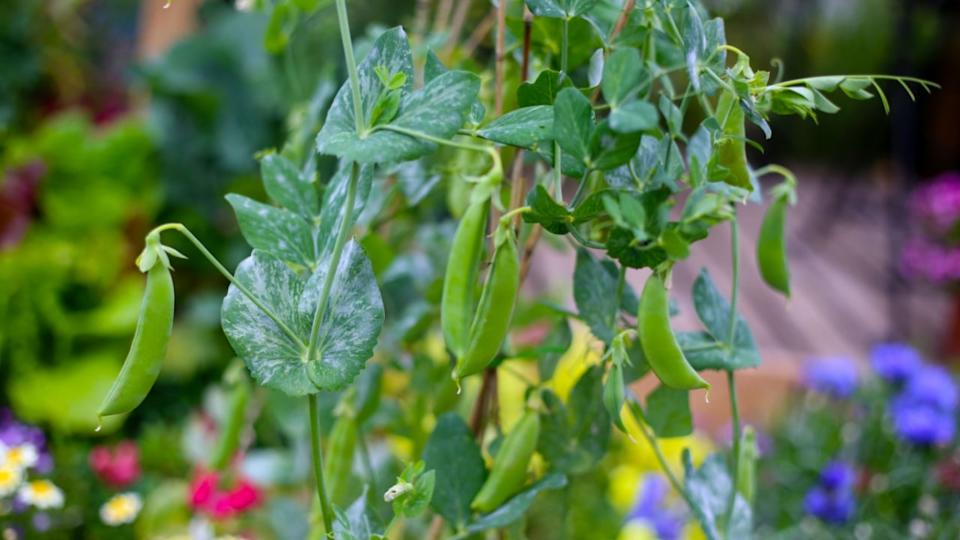
Image Credit: Shutterstock.
No must-grow list is complete without the plant that converts more people to gardening than any other. Direct sow them now, in March, while soil temperatures still favor fast germination. They grow quickly up any vertical support, produce abundantly, and taste nothing like anything from a grocery store. They’re also one of the few crops children reliably eat straight from the vine.
6. ‘Venti PinkBurst’ Dahlia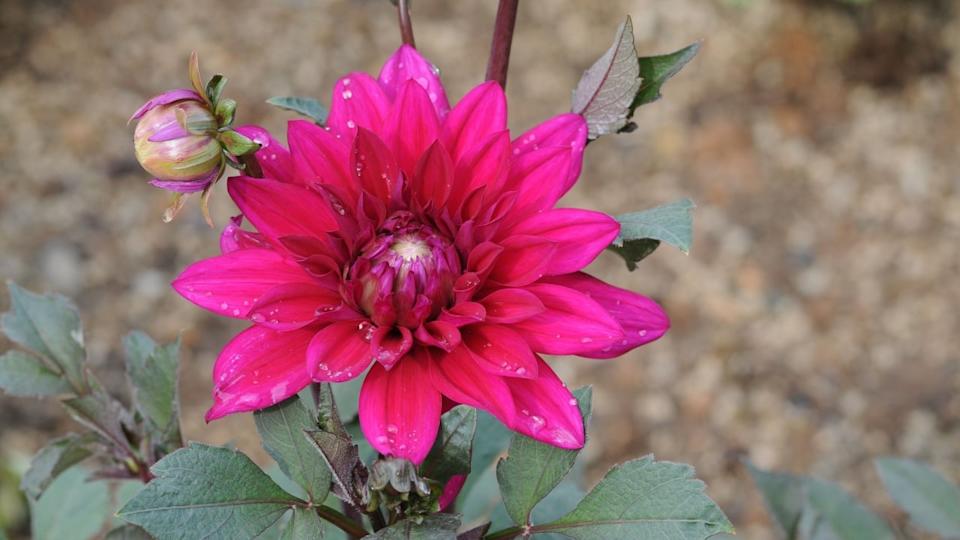
Image Credit: Shutterstock.
Dahlias are one of the defining plants of the maximalist garden moment, and ‘Venti PinkBurst’ is the variety earning the most attention. Its compact, double blooms stay upright without staking in hot weather, providing long-season color without constant deadheading. As Birds and Blooms notes in its 2026 trend coverage, maximalist flowers in a range of colors, textures, and sizes define what this garden season is about.
7. Near-Black Dahlias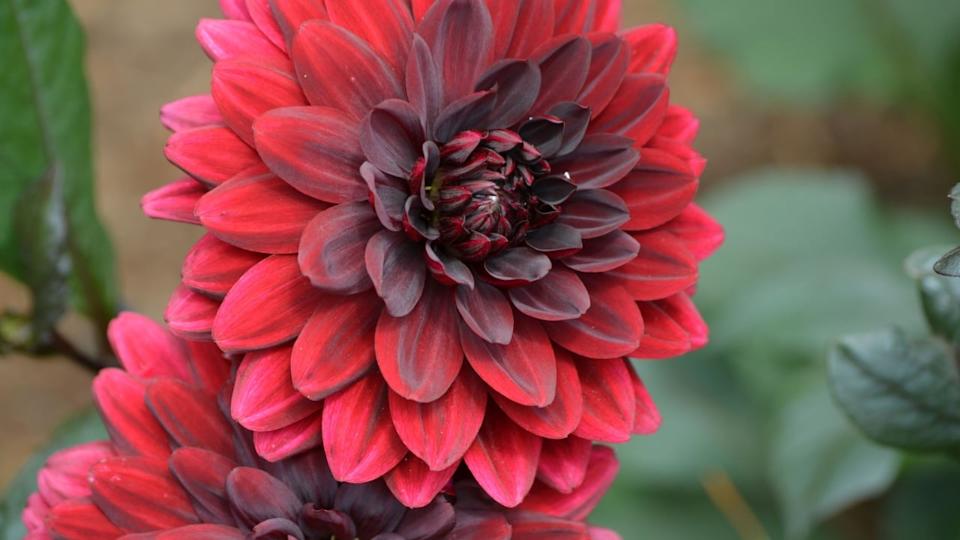
Image Credit: Shutterstock.
For gardeners drawn to the emerging gothic garden aesthetic, the ultra-dark dahlia varieties now appearing at specialty seed houses are already selling out. These near-black blooms photograph spectacularly, create dramatic contrast against green foliage, and are far easier to grow than their theatrical appearance suggests. If you want one, order it this month.
8. Dianthus ‘Fringed Cherry.’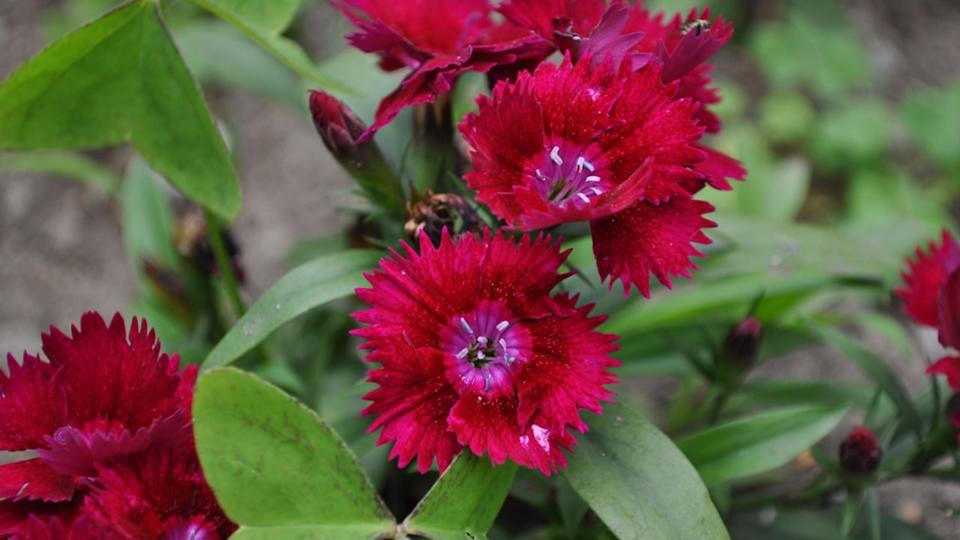
Image Credit: Shutterstock.
This is the low-maintenance annual that quietly does everything: blooms from late spring to frost, stays compact without staking, requires no deadheading, and produces fringed two-tone flowers with a sweet fragrance. Hardy in Zones 5 through 10 and suited to pots, borders, and patio containers. It’s the plant for gardeners who want a long season of color without scheduling their summer around it.
9. Pentas ‘Beehive.’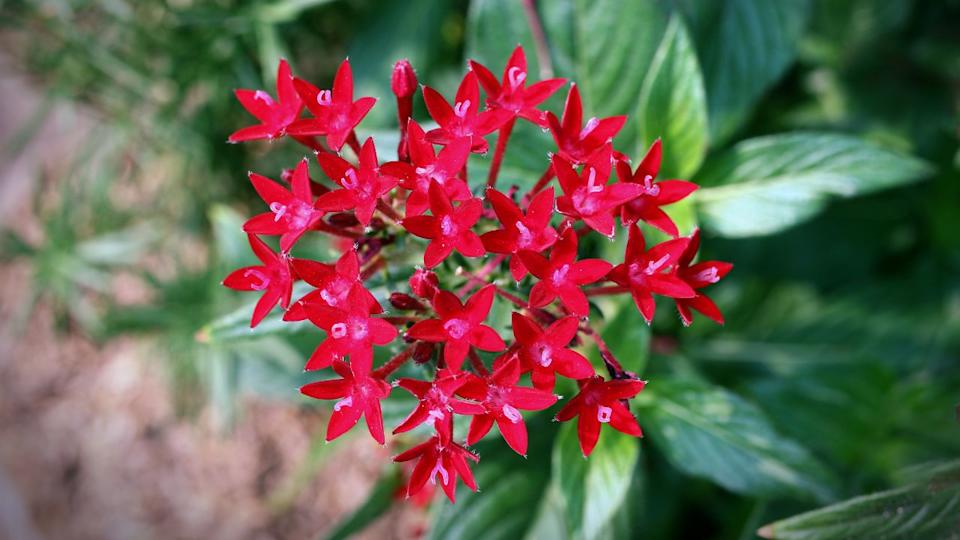
Image Credit: Shutterstock.
Pentas thrives where other summer annuals sulk. This compact, rounded annual forms a tidy 12-inch mound of star-shaped flowers in red, pink, or white, blooms continuously in summer heat, and draws butterflies and hummingbirds with consistency. Grow it from pelleted seed or started plants; it fills containers and front-of-border spots beautifully and asks almost nothing in return.
10. Echinacea (Coneflower)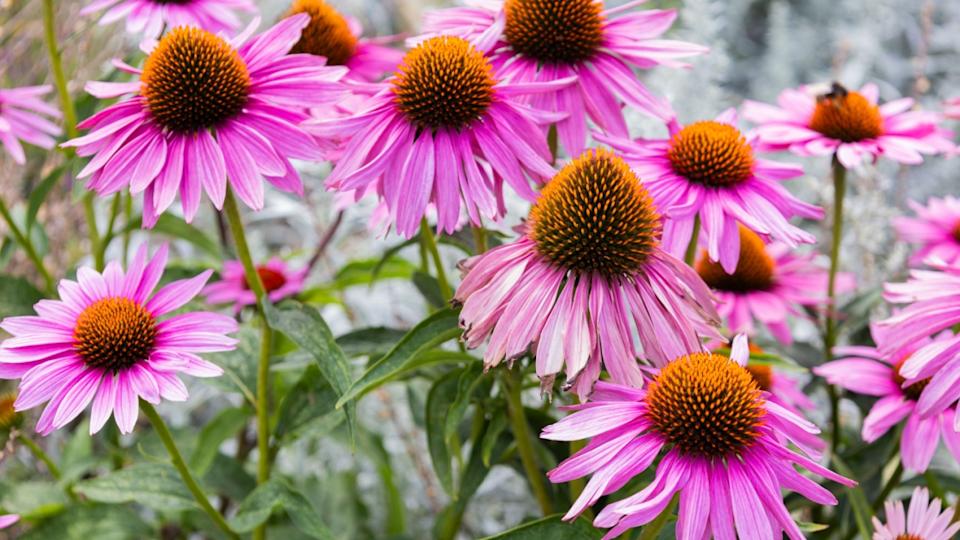
Image Credit: Shutterstock.
If you add just one pollinator plant this year, make it echinacea. The Pennsylvania Horticultural Society identifies it alongside butterfly milkweed as among the most important native-adjacent perennials for supporting threatened pollinators, including Monarch butterflies and birds. New color-changing varieties bloom in waves of transition, and the plants themselves are drought-tolerant, deer-resistant, and happy in average soil. Plant one this spring; it will still be performing a decade from now.
11. ‘Centennial Ruby’ Hydrangea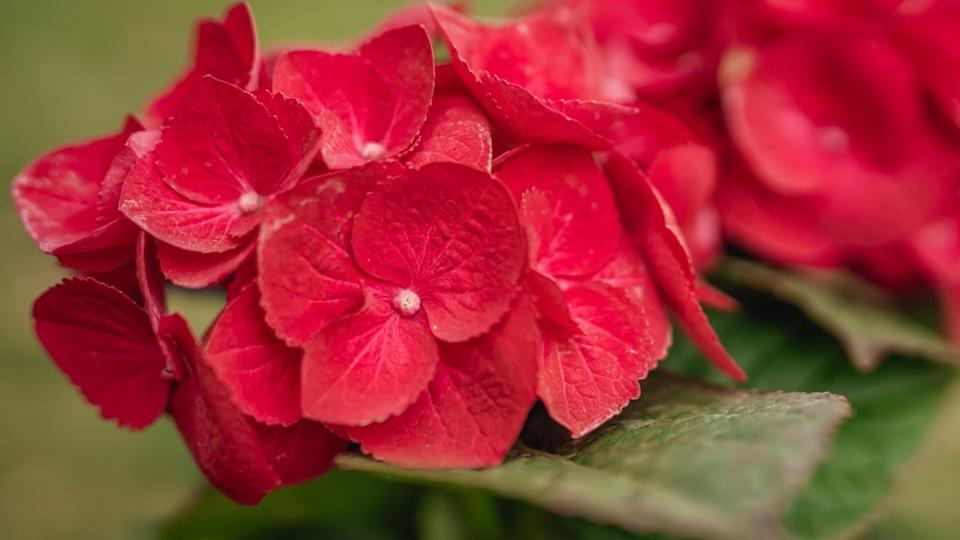
Image Credit: Shutterstock.
The granny garden staples are back, and they’re better-behaved than ever. ‘Centennial Ruby,’ released by Monrovia Nurseries to mark their 100th anniversary, earns its spot for rich red mophead blooms on strong stems, a compact 3 to 4 foot habit, and Zones 4 through 9 adaptability. It won the 2026 National Garden Bureau Professional’s Choice Green Thumb Award for Shrubs, making it one of the most validated new introductions of the season.
12. Sedum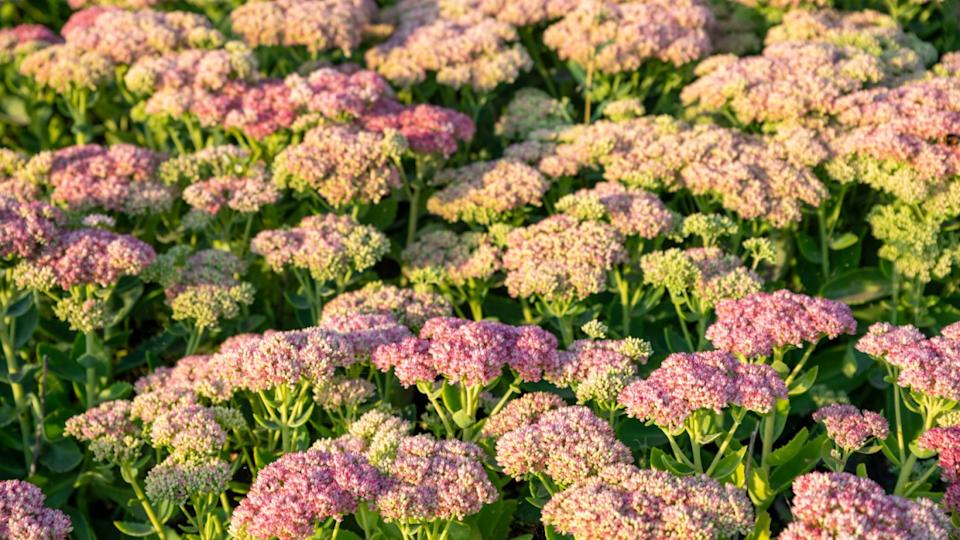
Image Credit: Shutterstock.
The National Garden Bureau named Sedum its Year of the Perennial for 2026, and the recognition is overdue. Hardy from Zone 3 to Zone 11, sedum needs no soil amendment, rarely requires fertilizer, and produces late-summer blooms in pink or white that attract bees and butterflies precisely when most other plants are winding down. Its succulent foliage is drought-tolerant, and the plants can be divided and moved almost anytime. It gets easier the longer you have it.
13. Compact Cherry Shrub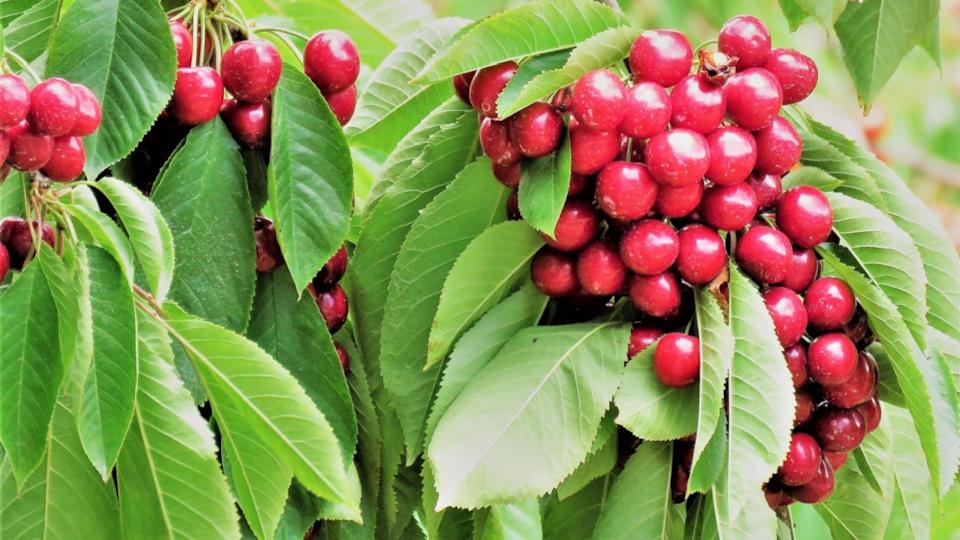
Image Credit: kathrinerajalingam at Shutterstock.
The most underrated entry on the list. This 3 to 4-foot fruiting shrub produces tart cherries perfect for pies and preserves, needs no pruning or spraying, shows strong disease resistance, and delivers creamy white spring flowers followed by vivid fall foliage. For gardeners interested in edible landscaping, this is the gateway plant. As the Almanac reports, compact fruiting shrubs that offer multi-season beauty alongside edible harvests are among the standout new categories for 2026.
Don’t Wait — March Is the Last Easy Month to Act
Image Credit: Shutterstock.
None of the 13 plants above requires you to be an expert. What they do require is that you grow something you’re genuinely excited about, because the gardener who tends a plant they love tends it better than the gardener who plants what they think they should.
Several plants on this list are already selling out at specialty seed houses, and popular tomato transplants at garden centers are moving fast. March is when decisions need to become purchases, because April is when the easy options disappear.
Pick two or three plants from this list that genuinely excite you. You don’t have to grow all 13. But the gardeners who look back on a brilliant summer season in October always say the same thing: they wish they’d planted more.
Read more:
Do these 12 raised garden bed tasks before March ends, or lose your head start
12 vegetables to direct sow in the garden right now in March
Comments are closed.