
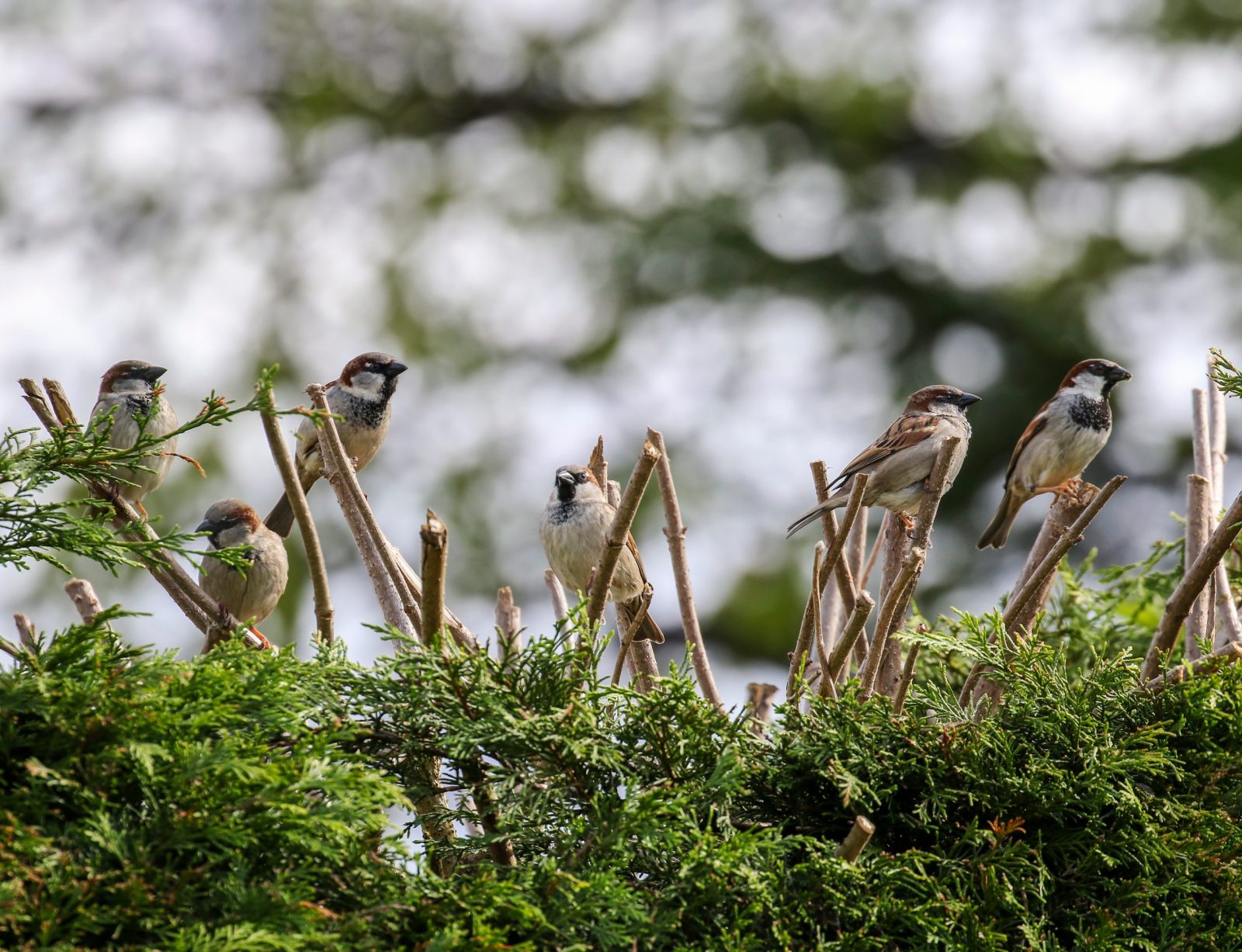
Neat, single species hedges once defined the ideal American yard. Now that look is starting to feel outdated. Gardeners are turning toward mixed hedgerows instead, and that shift could be a win for beauty, resilience, and wildlife.
According to Homes & Gardens, mixed hedgerows are gaining ground as pests and disease make monoculture planting harder to maintain. When one species dominates a hedge, one outbreak can wipe out the whole thing fast. A more diverse planting spreads that risk and creates a stronger living boundary.
That matters for more than curb appeal. Mixed hedgerows can Support birds, pollinators, and small mammals through the seasons. Flowers arrive at different times. Berries and seeds last into colder months. Dense branches also give creatures shelter and safer routes through fragmented landscapes. In a time of nonstop development, even private gardens can help rebuild pieces of a healthier environment.
The trend also fits a more thoughtful view of home gardening. Instead of forcing nature into one rigid shape, gardeners can work with native shrubs that offer food, cover, and climate resilience. American holly, arrowwood viburnum, chokeberry, buttonbush, and spicebush all bring texture and seasonal color while supporting local life.
There is a human upside too. Gardens that feel alive often Support our own sense of calm and health. They remind us that a yard does not need to look sterile to feel cared for. It can be full, layered, and useful to the wider ecosystem.
If more people replace flat monocultures with biodiverse hedgerows, neighborhoods could become kinder to birds, insects, and the planet. Choose gardens that give back, and keep growing with vegan and Earth friendly values in mind.
Being publicly-funded gives us a greater chance to continue providing you with high-quality content.Click here to Support Us
Sign These Petitions!
Please sign our latest and most urgent petitions to help the planet. Every signature counts!
Related Content:
Comments are closed.