

If you’ve been thinking about taking gardening on as a hobby but are intimidated by the maintenance or don’t know where to start, you’re not alone.
New gardeners sometimes become discouraged in their first year, due to overwhelming demands, unrealistic expectations, and disappointing results. Novice gardeners may start with optimism, but they can sometimes be discouraged by summer pests, weeds, and maintenance. This kind of gardening burnout can make what was supposed to be a fun hobby feel like a chore.
While most Southern Californians are enjoying an already warm and summer-like spring, that can present its own set of challenges on top of any hurdles. The dry, often hot, and sunny weather in the region requires low-maintenance plants to withstand these harsh conditions.
If it’s your first time getting into gardening, it’s important to consider which plants you’ll be ready to care for before getting started. Some plants are easier, while others can deteriorate overnight, so finding the right plant is paramount. We checked in with a few Southern California nurseries to get expert advice on which plants would be a good fit for beginner gardeners.
Here are five hardy, low-maintenance plants that any novice gardener can easily plant and care for.
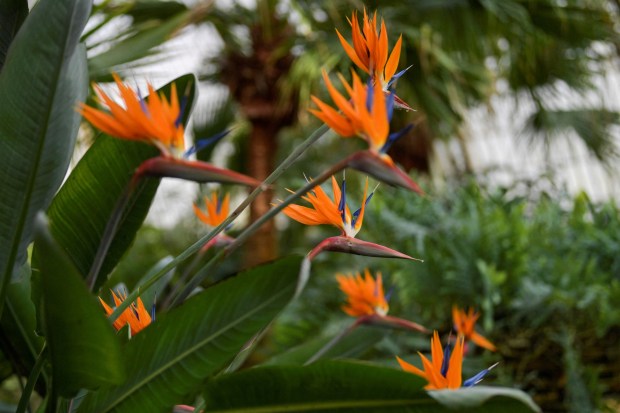 Birds of paradise. (Photo by John Thys, Getty Images)
Birds of paradise
Even if you’re new to gardening, that doesn’t mean you can’t attempt some tropical flair in a low-maintenance garden. The plant has distinctive foliage and orange blooms that spike up from the leaves. It can also be planted with other shrubs to steal the spotlight, or grouped along other birds of paradise. The species needs about six hours of bright light to thrive, along with consistent moisture and nutrient-rich, well-draining soil. Watering should be done every five to seven days during spring and summer, when the plant is actively growing, and the top few inches of soil should be allowed to dry out between waterings.
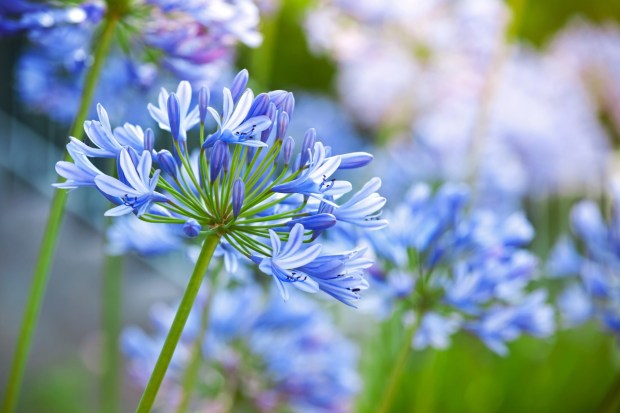 Lily of the Nile (Getty Images)
Lily of the Nile
One of the easiest and hardiest plants for first-time gardeners to take on is the well-known and well-loved Agapanthus species, also known as Lily of the Nile. These distinctive plants are great for pots. The trumpet-shaped beauty, topped with spikes of flowers, requires watering only once or twice a week to keep the soil moist, but once established and blooming, it will require less water. These species can also make good houseplants, and if you keep them indoors, they only require watering about once a month after they start to bloom. Mornings and evenings are the best times to water agapanthus when the temperatures are cooler.
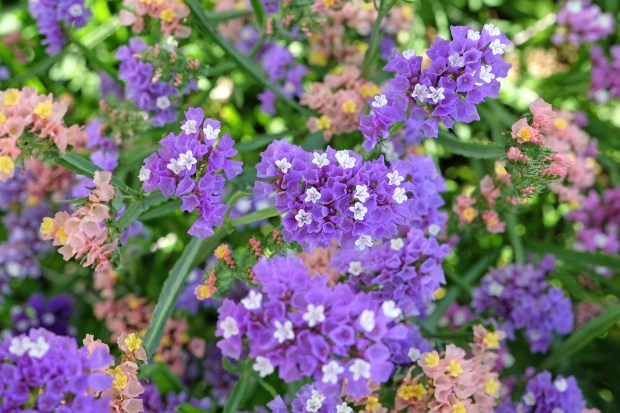 Sea Lavender (Getty Images)
Sea lavender
Although this plant has lavender in its name, it isn’t actually related to lavender at all. Sea lavender is another species that is generally easy to plant and grow. It’s a tough, low-maintenance, and drought-tolerant perennial that thrives in full sun and well-drained, sandy or poor soil, which rarely suffers from pests or diseases. These plants do best in full sun. Water every two to three days for the first few weeks to keep the soil moist but not waterlogged to avoid root rot. After the sea lavender is established, you can water it more infrequently, about every 10–14 days, or only during prolonged dry spells. If the plant’s leaves start turning yellow, drooping, or curling, that is an indication of overwatering.
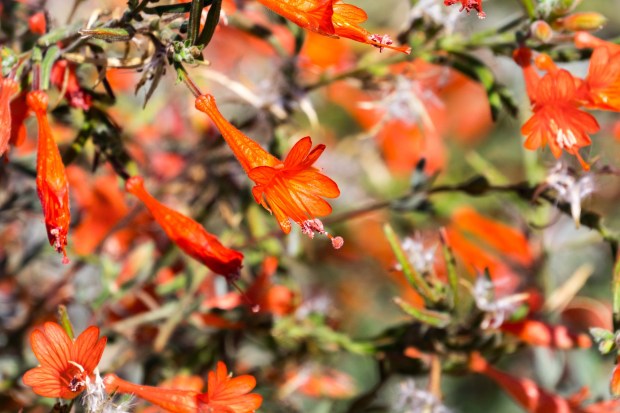 California fuchsia shrub. (Getty Images)
California fuchsia
California fuchsia is an excellent choice if you’re looking to liven up your no-maintenance garden with some color. Also known as the hummingbird trumpet, it has flowers that remain an intense red or orange all summer long. The species is a fast-spreading, drought-tolerant California native that thrives in full sun and well-drained soil with minimal fertilization; it’s perfect for hot, dry areas and water-wise gardens. California fuchsia should be planted in well-drained sunny areas where you can watch hummingbirds hover and feed up close, such as near patios, windows or walkways. Water once every 1-2 weeks, and then every 3-4 weeks after it’s been established for two years.
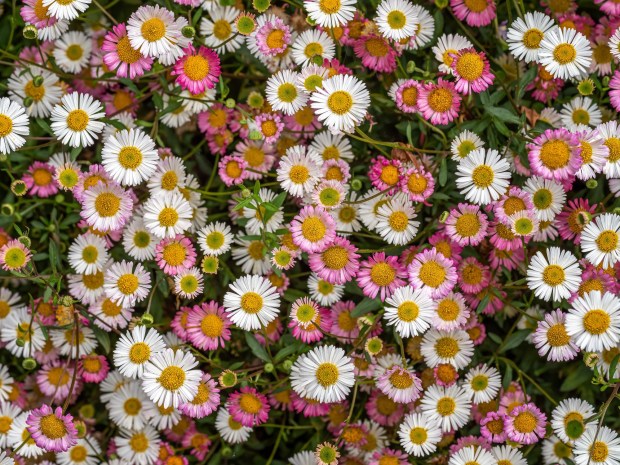 The Santa Barbara Daisy also known as the Latin American fleabane. (Getty Image)
Santa Barbara daisy
One of the summer showstoppers is the Santa Barbara daisy, known for its gray-green leaves and yellow-center flowers. The petals start as white but fade into pink or purple. Also known as the Latin American fleabane, this no-maintenance garden plant thrives in a wide range of weather conditions. The Santa Barbara daisy can thrive in full sun or light shade in well-drained soil, including sandy or rocky, poor-quality soil. These plants are drought-resistant but like some water, especially in the summer, when watering two to three times per week is optimal. During the wintertime, once a week is sufficient.
Comments are closed.