
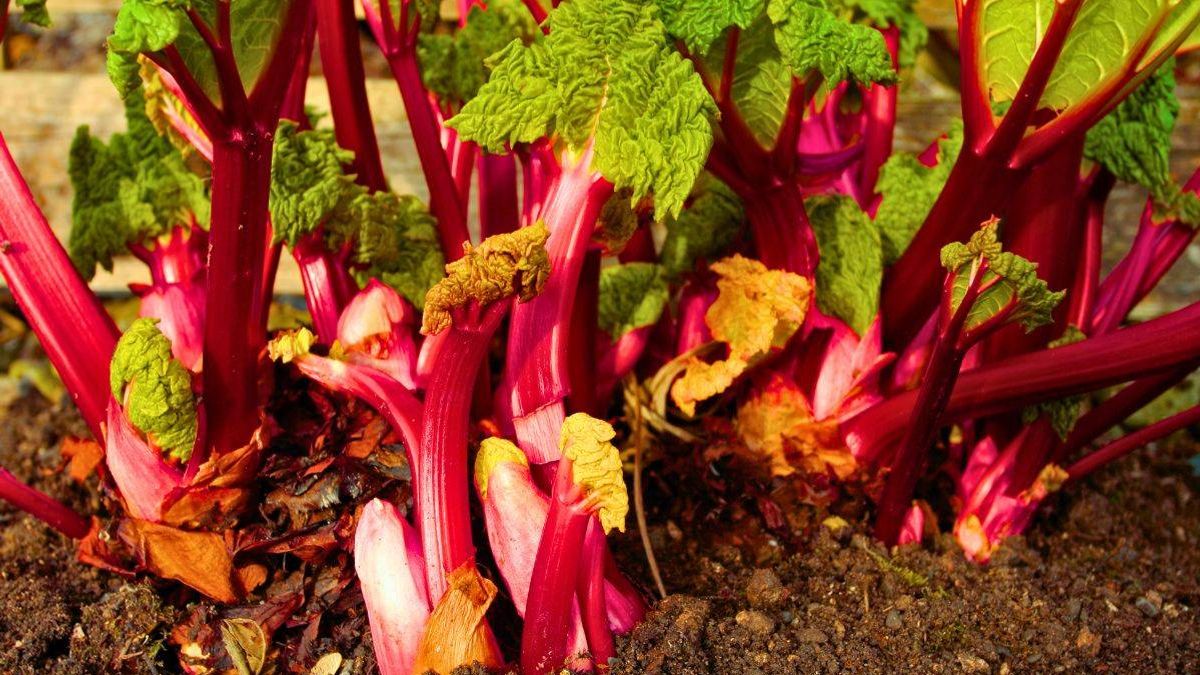
Rhubarb is easy to grow in British gardens, but gardeners are being warned that they need to be careful when harvesting the plant
Rhubarb is an easy plant to grow but gardeners need to be careful when harvesting the plant(Image: Getty)
Rhubarb is a favoured plant for British gardens due to its hardy nature and minimal maintenance requirements, making it straightforward to cultivate and incorporate into desserts such as crumbles or pies. However, gardeners must exercise caution when harvesting this plant, as some parts are toxic, with only the red stalks safe for consumption.
Geoff Stebbings, an experienced gardener and founder of Nags Hall Gardener, warns that rhubarb leaves should never be eaten as they contain high concentrations of oxalic acid. He explained: “It is not harmful in small quantities, but ingesting very large amounts over a prolonged period (much more than you could comfortably consume) can affect the absorption of calcium and some other nutrients and can lead to kidney stones.”

Anyone growing rhubarb in their garden needs to watch out for one thing on the plant(Image: Getty)
The elevated levels of oxalic acid in rhubarb leaves are poisonous to humans and can result in nausea, vomiting and stomach pain. In serious cases, it may cause kidney complications and breathing difficulties, so ensure you avoid bringing the leaves into your kitchen when harvesting rhubarb this spring.
However, the rhubarb stalks contain very minimal levels of oxalic acid and are perfectly safe to consume, and may even benefit your health as they are particularly rich in vitamin K.
How should you manage rhubarb leaves?
Rhubarb leaves are only poisonous if consumed and are typically safe to handle, and can even be added to your compost bin.
Geoff said: “You can put the leaves on the compost heap or just cut them off and leave them around the plant to decompose. They will not harm other plants or ‘poison’ the compost or soil.”
They also possess a very bitter flavour, making it improbable that cats or dogs will nibble on it, meaning you won’t need to fence it off unless you have a particularly young puppy or kitten.
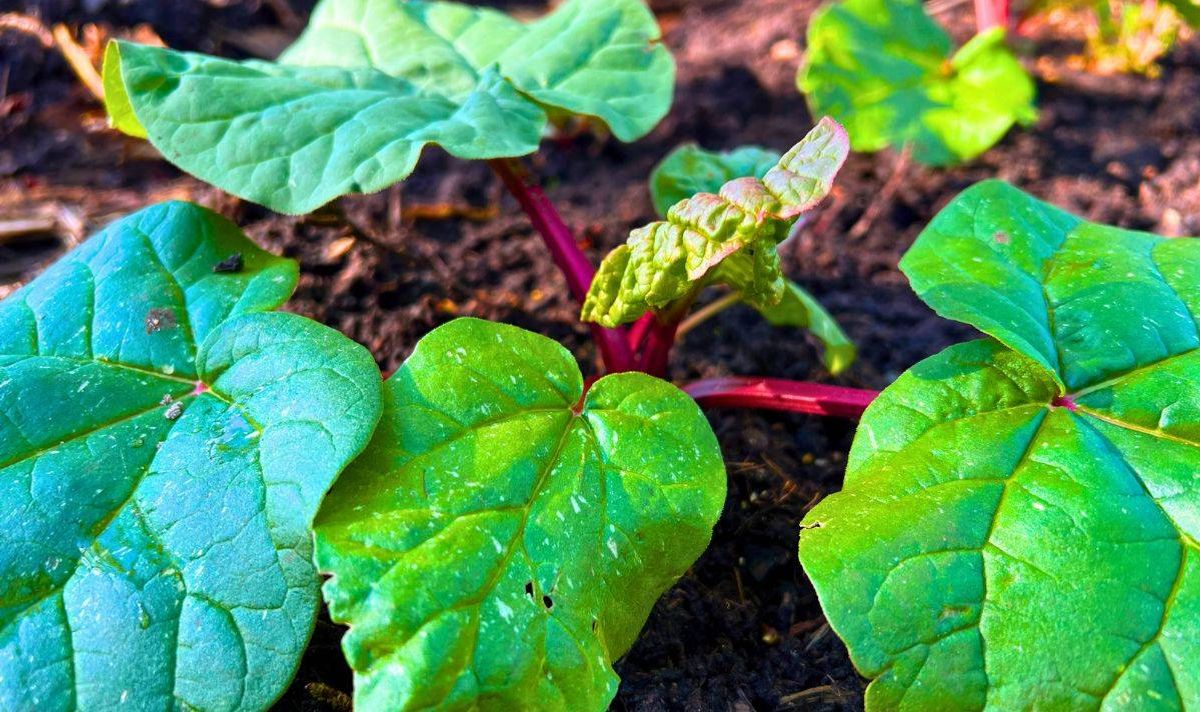
Rhubarb leaves are poisonous and should never be eaten at all(Image: Getty)
What else should you know about cultivating rhubarb?
Rhubarb is among the simplest crops to cultivate and is perfect for a spring garden, as it tends to yield stalks before other plants and continues to supply food until the summer months.
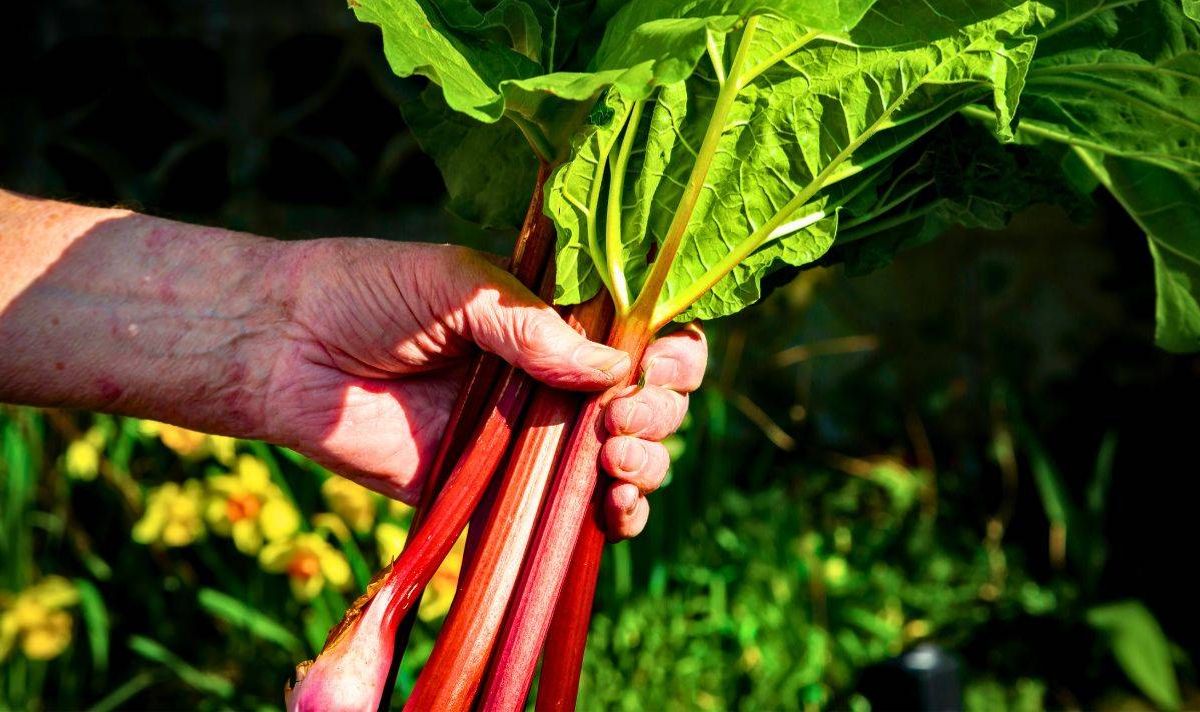
Only eat the red stalks on a rhubarb plant if you are growing it in your garden(Image: Getty)
It will flourish anywhere in your garden but favours a sunny position in fertile, well-drained soil rich in organic matter.
Rhubarb draws substantial nutrients from the soil, so avoid planting it in a vegetable patch next to potatoes, cabbage, broccoli, or other heavy feeders.
Tomatoes are the worst plant to cultivate near rhubarb, as they compete heavily for resources and can also introduce diseases such as blight, which can affect rhubarb.
It typically cannot be grown in a patio container because it is such a demanding plant. Maintain it in the ground, feed it compost, and it should continue flourishing throughout spring.
Comments are closed.