
Image Credit: Shutterstock.
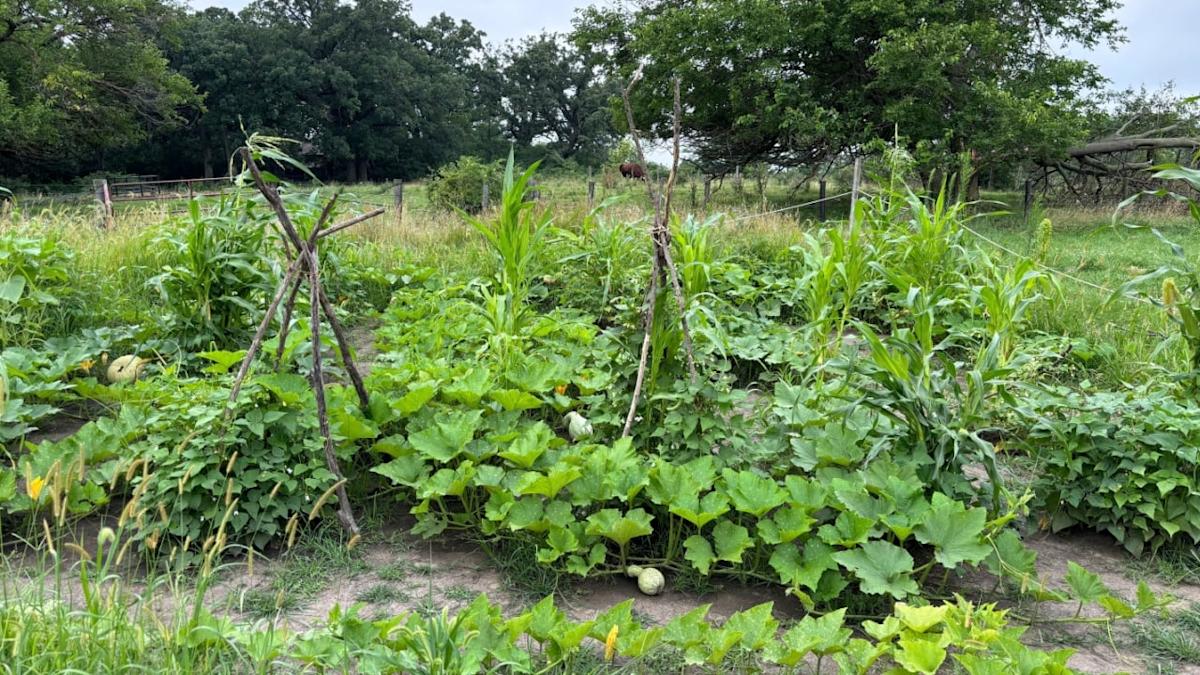
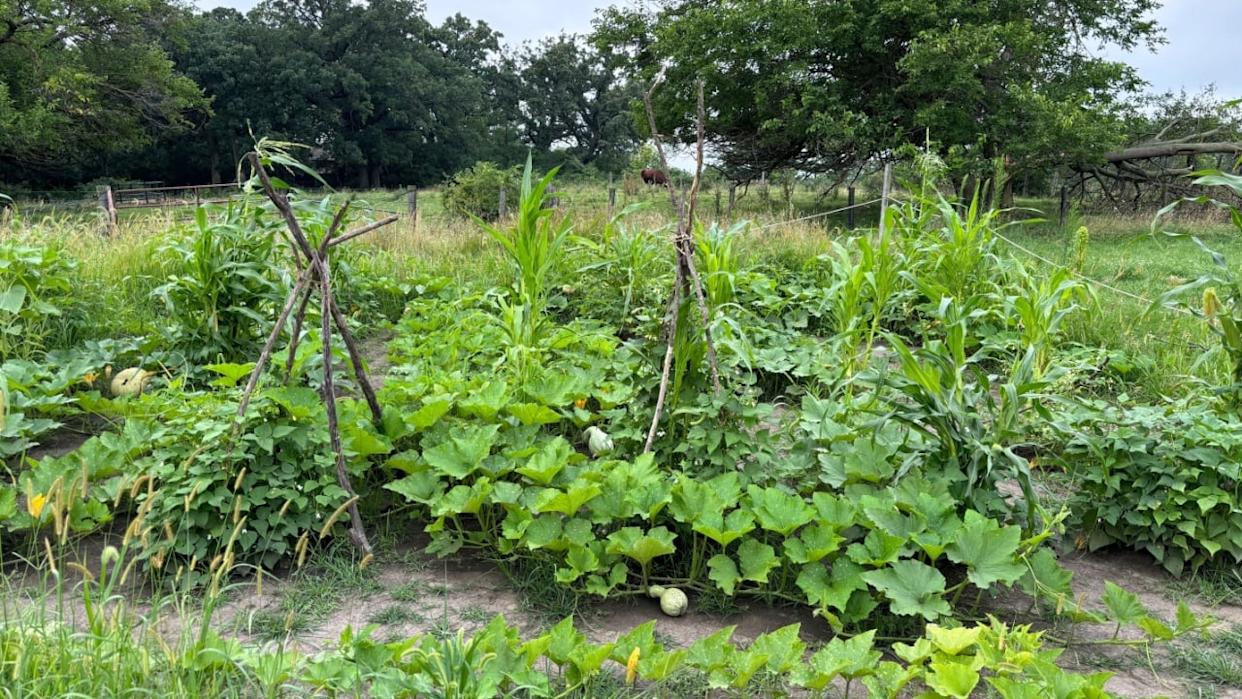
Before you plant a single squash seed this March, make sure that your garden isn’t missing something important. Squash has been grown in community for centuries, thanks to the Indigenous farming system known as the Three Sisters: corn, beans, and squash planted together in a living ecosystem where each plant supports the others.
What those farmers understood intuitively, modern horticulture has since confirmed: squash grown alongside the right companions produces more abundantly, resists pests more effectively, and places less burden on the gardener.
Most gardeners think of companion planting as a pest management trick, and it is, but that framing undersells it. Squash is what horticulturalists call a heavy feeder, meaning it pulls enormous amounts of nitrogen from the soil as it grows. Left unchecked, squash depletes the surrounding soil of nutrients. If you pair it with nitrogen-fixing legumes, you create a self-replenishing system. Add flowering companions, and you solve the pollination problem that causes squash plants to bloom beautifully and produce nothing.
Annie Klodd, manager of interpretation and visitor learning at the Minnesota Landscape Arboretum, notes in Martha Stewart Living that interplanting beans with squash “fixes nitrogen in the soil,” directly counteracting squash’s heavy feeding. “Simply having a diversity of flowering plants that collectively bloom throughout the season,” adds Caleb Goossen in Bob Vila, an organic crop specialist at the Maine Organic Gardeners and Farmers Association, “supports beneficial insects and helps keep pest insect populations in check.”
The garden, in other words, does the work — if you let it. Here are 15 companion plants for squash that will change how your entire vegetable garden functions.
1. Pole Beans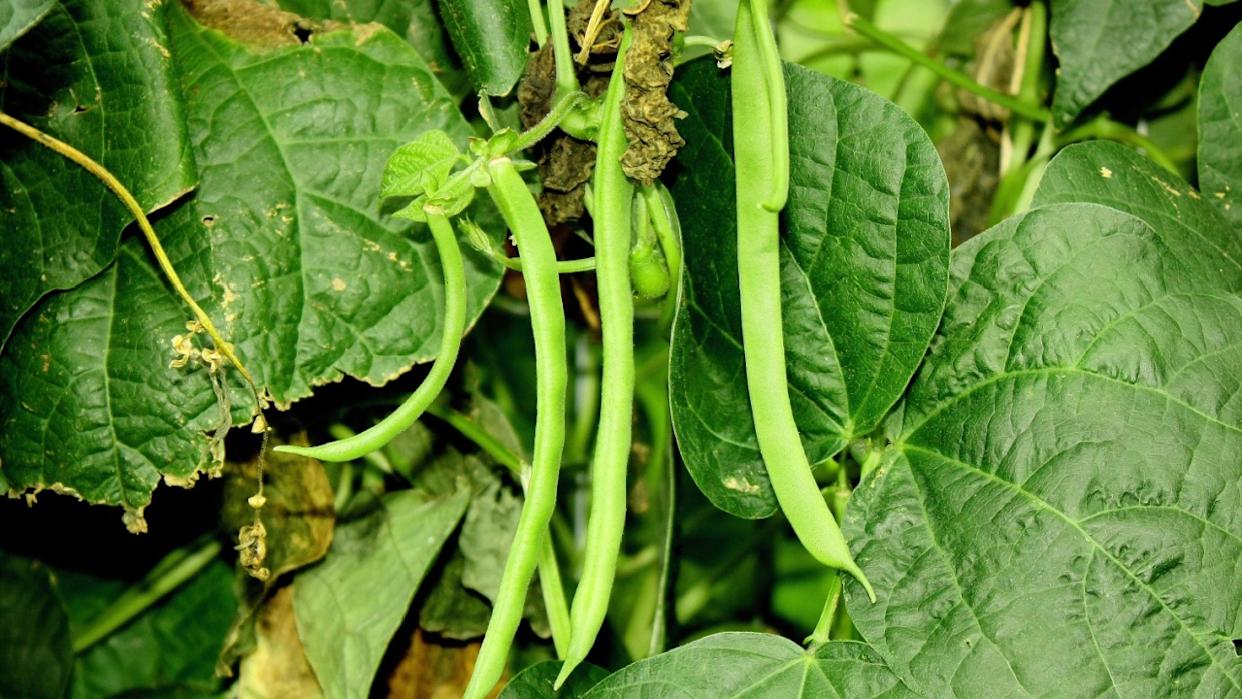
Image Credit: Shutterstock.
The backbone of the Three Sisters guild, pole beans fix atmospheric nitrogen and deposit it in the soil, feeding squash throughout the growing season.
Choose pole varieties over bush beans; their vertical growth habit keeps them accessible for harvest above the sprawling squash canopy. One or two bean plants per squash hill is all you need to see measurable improvement in leaf color and fruit set.
2. Peas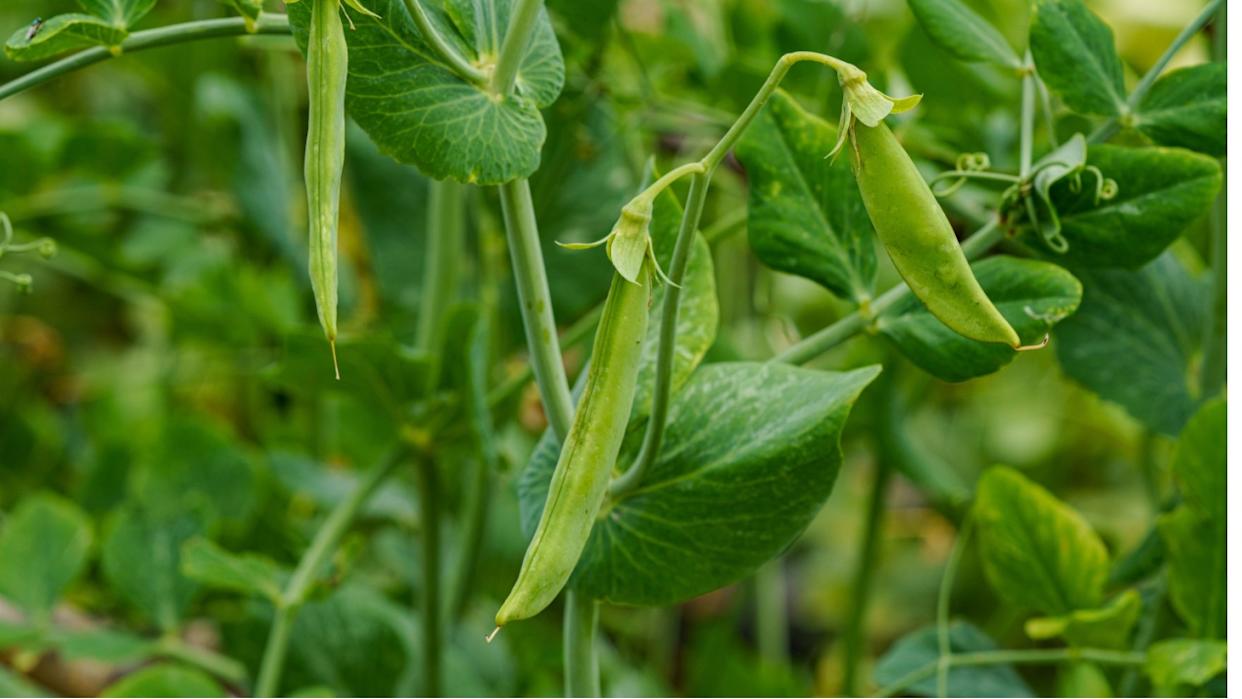
Image Credit: Shutterstock.
Like beans, peas are nitrogen-fixers, making them an excellent early-season companion before squash spreads and shades them out. They grow vertically, while squash grows horizontally, making them a genuinely efficient space partner. A late-season pea planting can even mature alongside winter squash for a tidy garden-to-table overlap.
3. Corn
Image Credit: Shutterstock.
Corn provides beneficial dappled shade for squash roots during the intense heat of summer, and its solid stalks give pole beans a natural trellis. One critical note on timing: plant corn first, wait until it reaches 10 to 12 inches, then add beans, and plant squash last.
Plant all three at once, and the beans will overtake the corn before it can function as a support structure, a mistake that trips up gardeners every spring.
4. Nasturtiums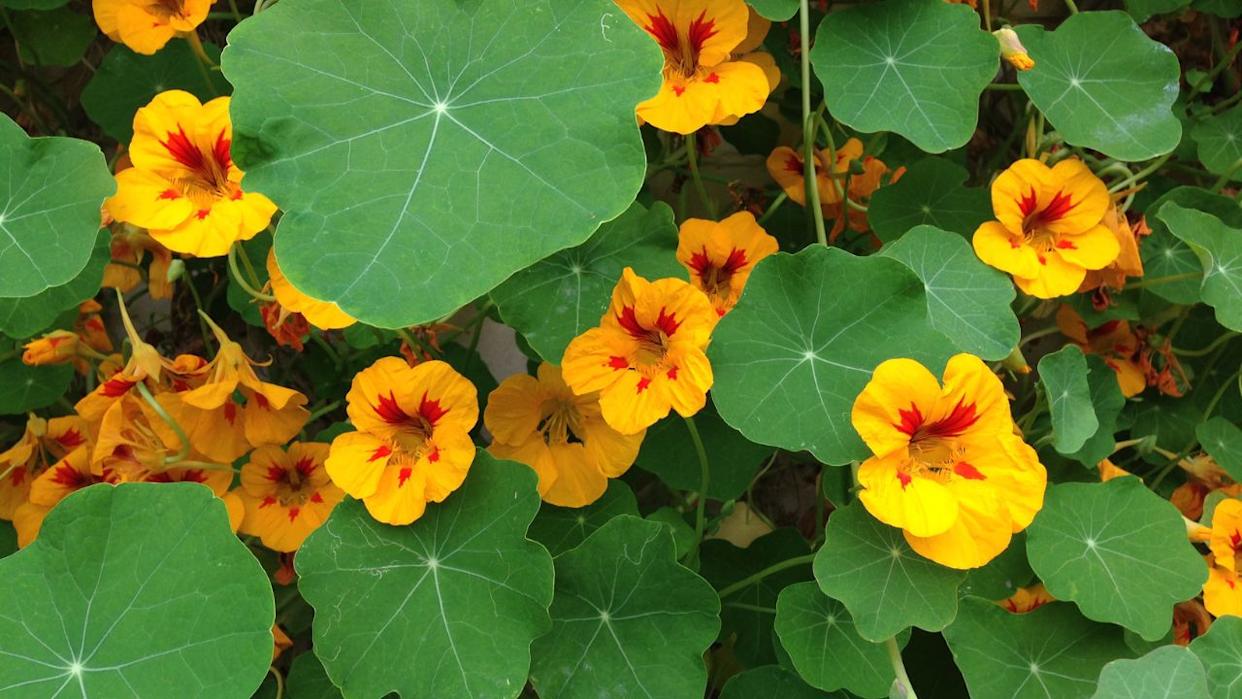
Image Credit: Mary Hutchison – Own work – CC0/Wiki Commons.
These cheerful, sprawling flowers are the companion plant everyone recommends, and for good reason, though with one important clarification. Nasturtiums are reliably effective as a trap crop for aphids, drawing them away from squash foliage.
Their reputation for repelling squash bugs specifically is more anecdotal. Plant nasturtiums around the perimeter of your squash bed, not within it; they can reach 10 feet and spread 3 or more feet wide, which is significant competition for space.
5. Marigolds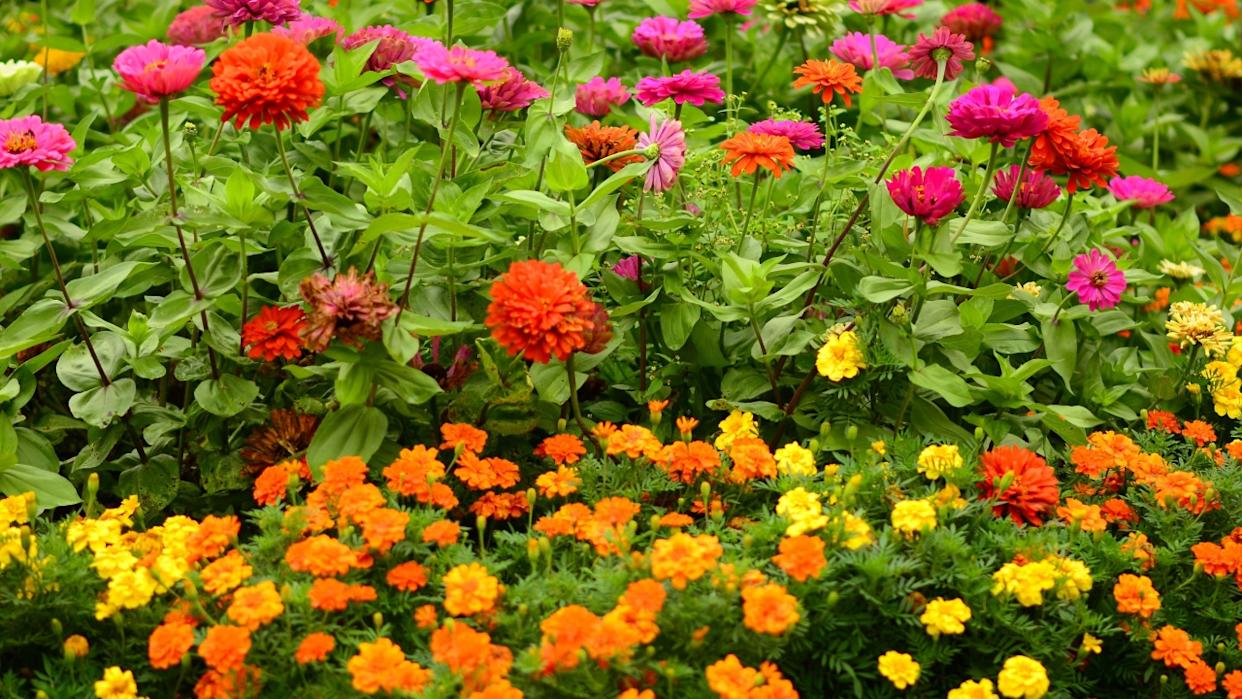
Image Credit: Shutterstock.
French marigolds are workhorses. Research confirms their ability to suppress root-knot nematodes through compounds released by their roots, while their above-ground scent deters insects and even rabbits.
Select compact French varieties rather than tall Mexican marigolds, and plant them every few feet around the bed perimeter. The dense, sunny blooms also attract pollinators at peak squash-flowering time.
6. Borage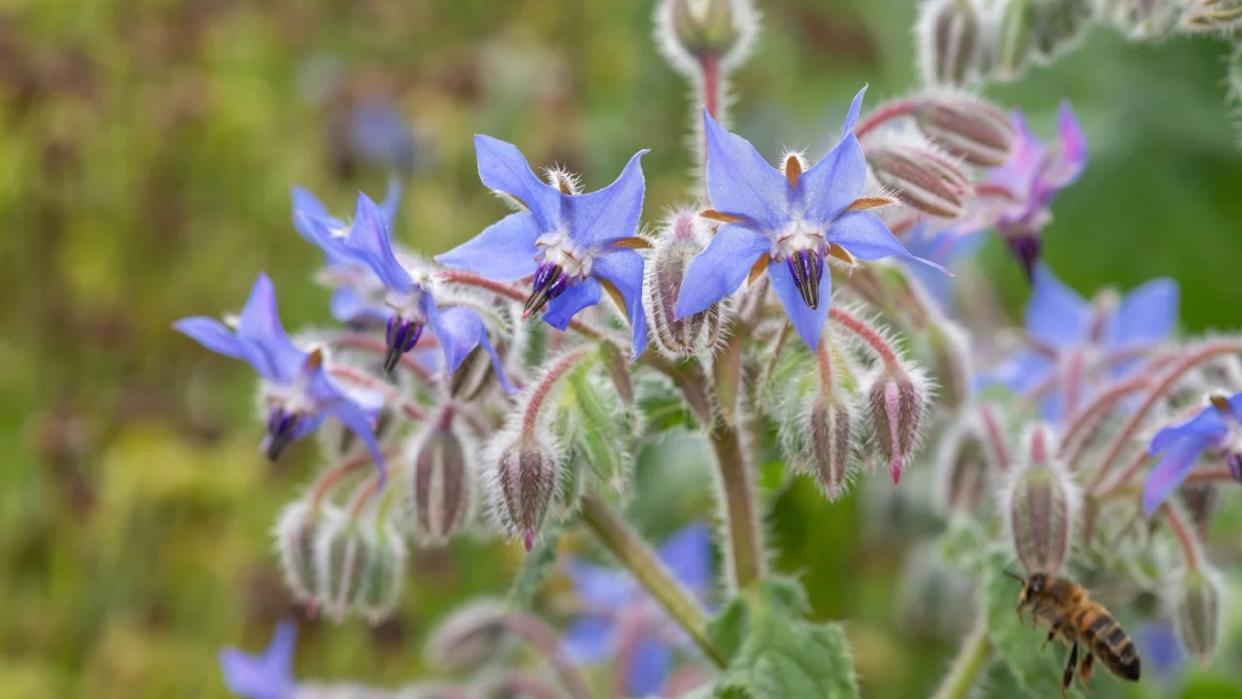
Image Credit: Shutterstock.
One of the most underappreciated companion plants in this list, borage offers three distinct benefits. Its star-shaped blue flowers attract bumblebees in extraordinary numbers; its aroma deters cucumber beetles and squash bugs; and its deep taproot mines calcium from the subsoil and makes it available to neighboring plants. It also self-seeds prolifically, so plan for borage to return next year, whether or not you intend it to.
7. Sunflowers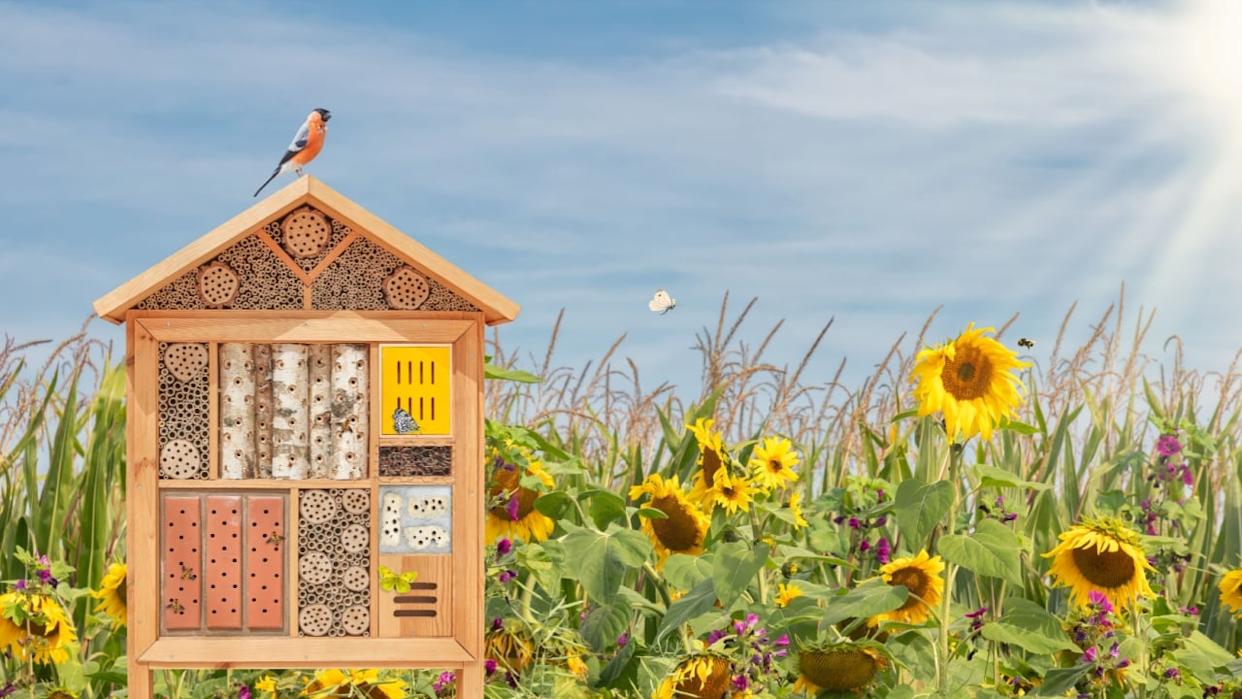
Image Credit: Shutterstock.com.
Beyond their obvious beauty, sunflowers earn their place near squash by confusing squash vine borers, a pest that can kill an entire plant in days. Gardening author Jacqueline Soule describes the effect plainly in Martha Stewart Living: sunflowers “appear to bewilder” the squash vine borer. Tall varieties also shade squash roots from scorching afternoon heat and can serve as a substitute for corn as the vertical element in a Three Sisters configuration.
8. Sweet Alyssum
Image Credit: Depositphotos.com.
A UC Davis study found that planting sweet alyssum near crops dramatically reduced aphid infestations by drawing hoverflies and parasitic wasps into the garden. This low-growing, honey-scented flower is one of the most scientifically supported companions on this list.
It does not compete with squash for light or nutrients and blooms continuously, providing season-long support to the beneficial insect population your garden depends on.
9. Dill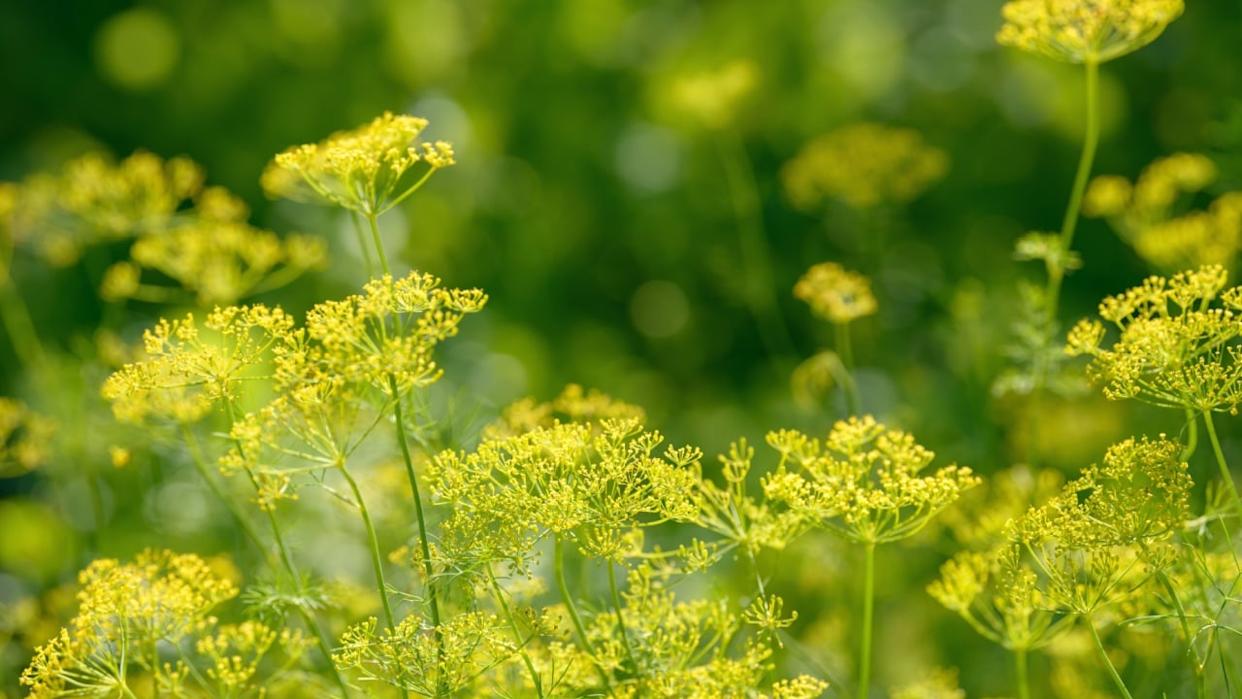
Image Credit: Shutterstock.
Willowy and productive in the kitchen, dill becomes a powerhouse companion once it sends up its umbel flowers. Those airy blooms are irresistible to ladybugs, lacewings, hoverflies, and parasitic wasps — the very insects that prey on aphids, thrips, and cucumber beetles.
Some experienced gardeners also report that planting dill near young squash seedlings improves early growth, though the mechanism is not fully understood.
10. Sage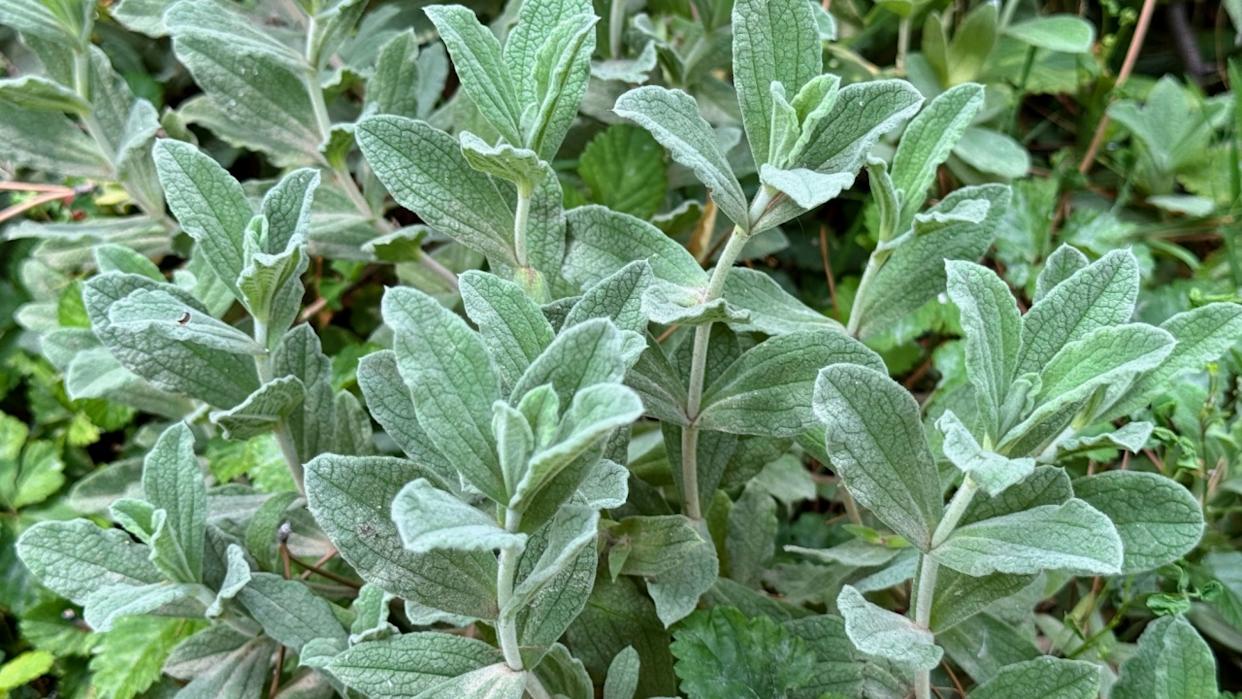
Image Credit: Shutterstock.
If you grow only one herb near your squash, make it sage. The earthy, resinous aroma of sage is specifically documented to deter the squash vine borer, one of the most destructive pests in the cucurbit family. It works by masking the scent signals the vine borer uses to locate its host plant.
Sage is a perennial in most climates, meaning you plant it once and it protects your garden for years.
11. Thyme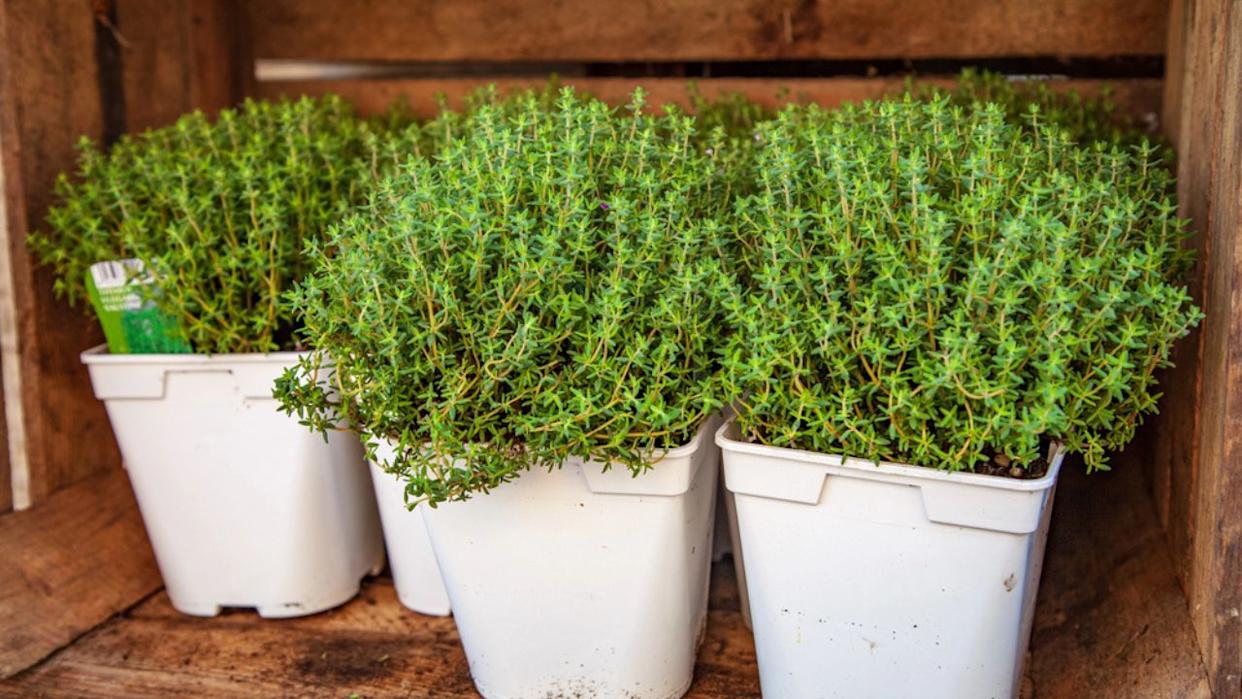
Image Credit: Deposit Photos.
Thyme’s essential oils carry antifungal compounds that protect squash from powdery mildew and other soil-borne pathogens, a particularly meaningful benefit in humid summer conditions. Its low, spreading habit also helps retain soil moisture and suppress weeds beneath the squash canopy.
Plant thyme around the outer edges of your bed where it can spread without being crowded out.
12. Mint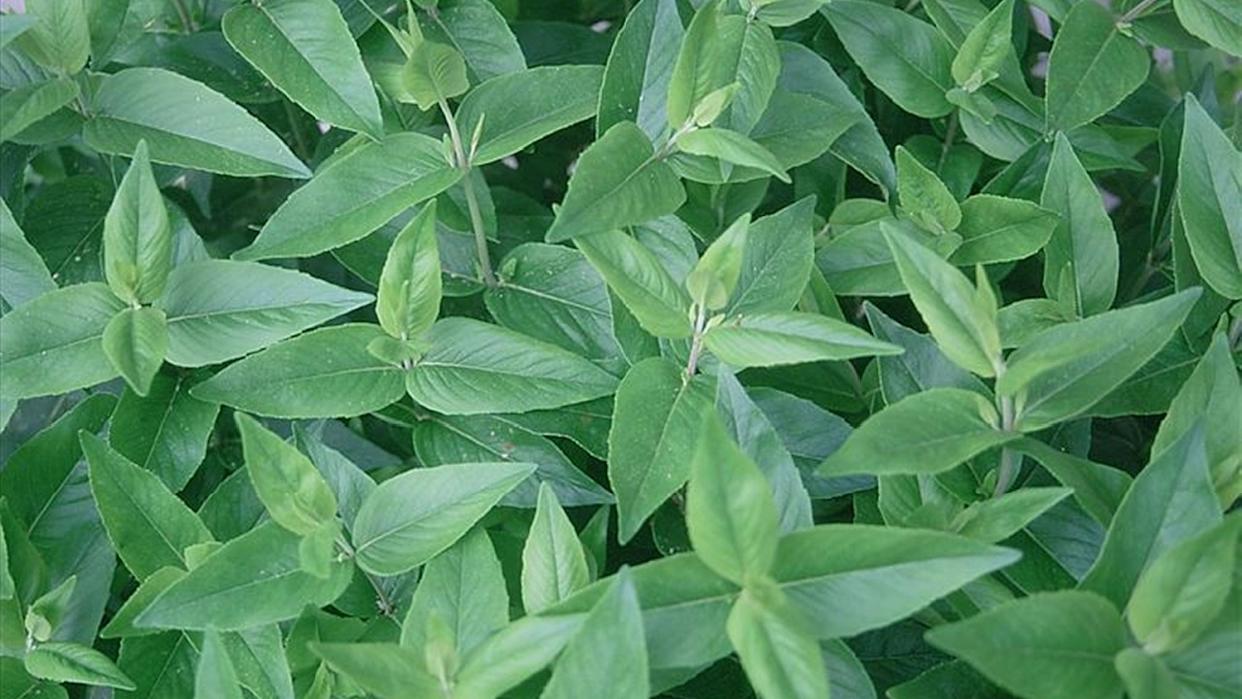
Image Credit: Shutterstock.
Potent enough to confuse and deter squash bugs and aphids, mint is the companion that requires a little management. Grow it in a pot sunk into the soil or in a clearly defined in-ground section, not loose in the garden bed, or it will happily consume everything around it. The extra step is worth it; the results, according to experienced gardeners, are consistently strong.
13. Lavender
Image Credit: Shutterstock.
Lavender serves double duty as a pest deterrent and a pollinator magnet, making it exceptionally well-suited to squash. Its scent repels insects while simultaneously drawing the bees that squash depends on for fruit set.
In warmer regions, established lavender plants return every spring, providing companion benefits without any additional planting effort.
14. Radishes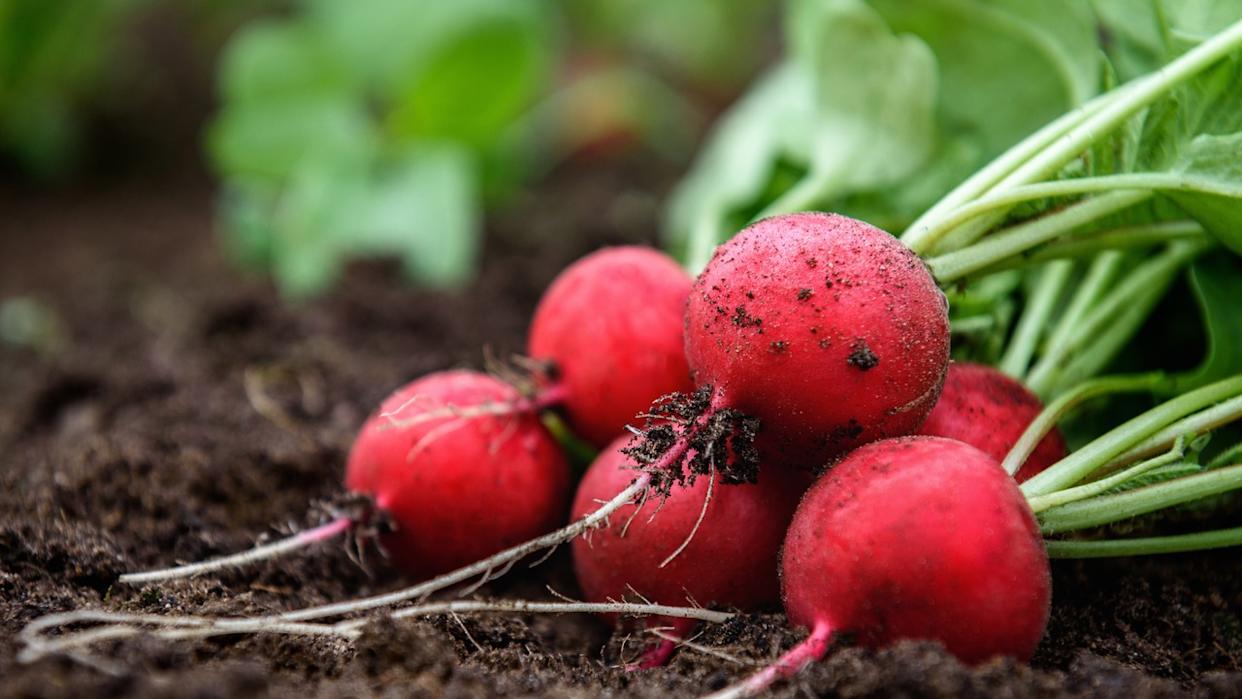
Image Credit: Shutterstock.
The most counterintuitive entry on this list. Radishes deter cucumber beetles and squash vine borers, but only if you leave them in the ground. Harvesting them defeats the purpose entirely. Plant a ring of radishes (the icicle variety is considered most effective) two to three weeks before seeding squash in the center, and then let them bolt and go to seed. They also break up compacted soil, making it easier for squash roots to expand and absorb moisture.
15. Calendula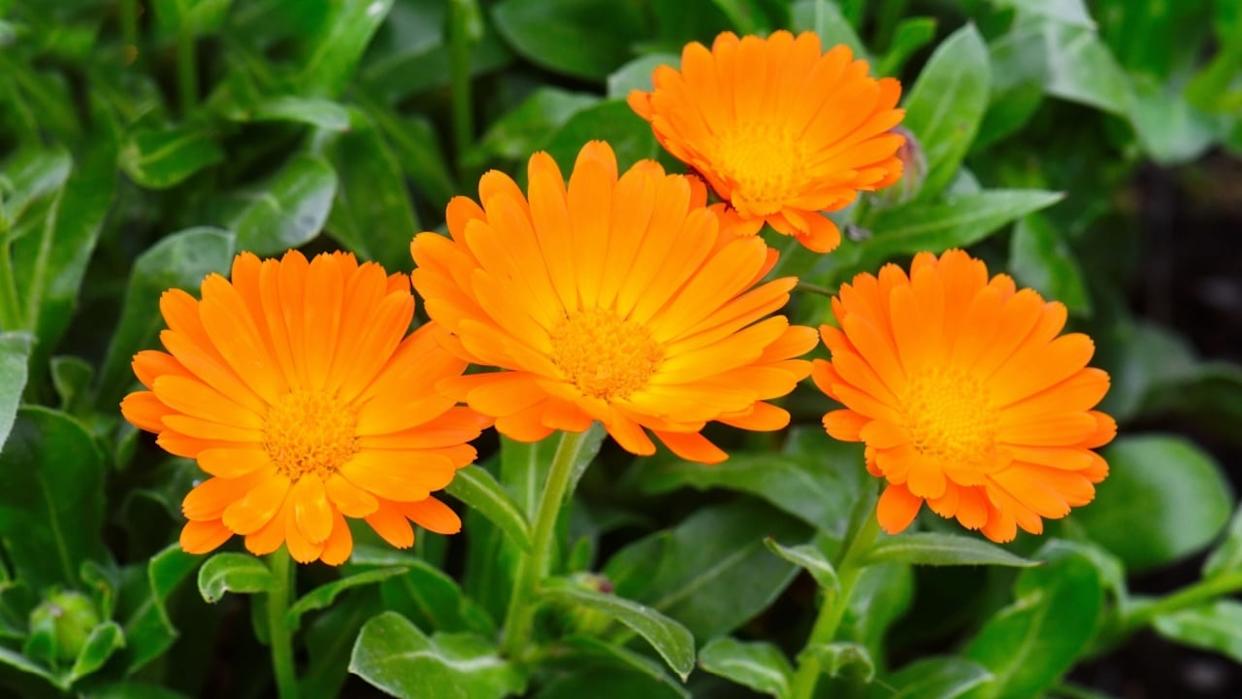
Image Credit: Shutterstock.
Often called pot marigold, calendula is not a true marigold but shares many of its pest-management benefits. Its intensely resinous, orange flowers attract aphid-eating lacewings, hoverflies, and parasitic wasps. Scatter calendula plants along the margins of your squash bed and allow them to self-seed; they’ll return each season and expand their beneficial reach without any effort on your part.
What NOT to Plant Near Your Squash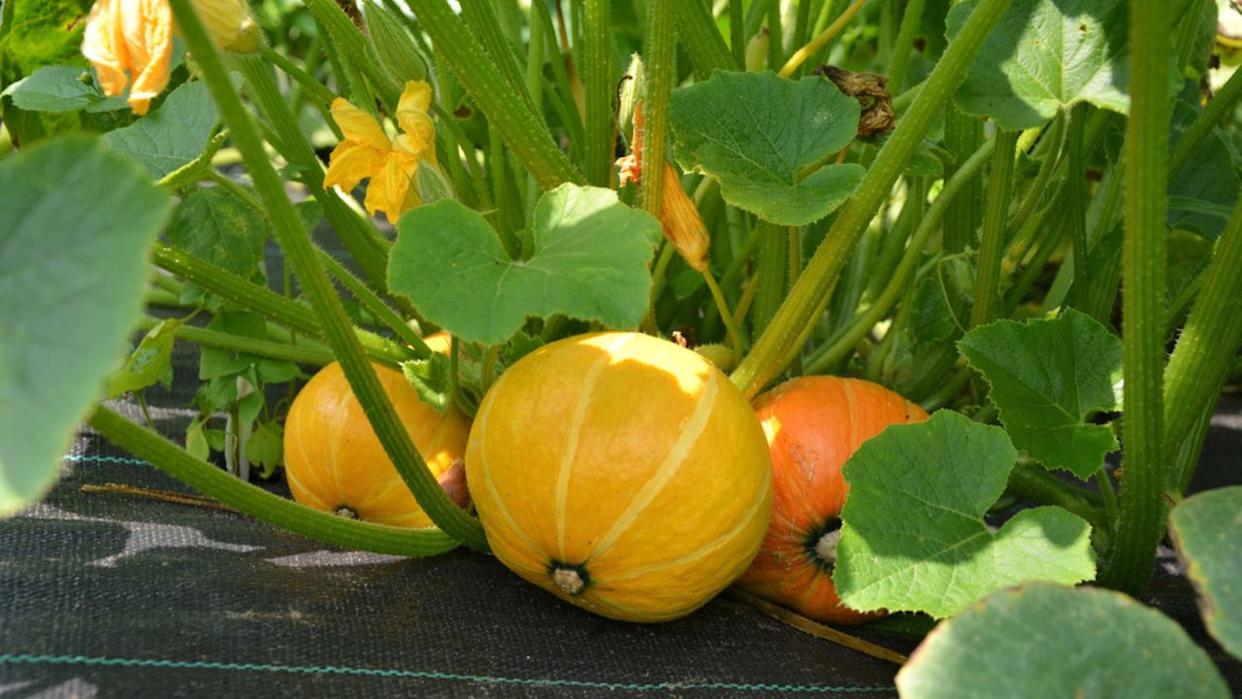
Image Credit: Deposit Photos,
The wrong neighbors can actively undermine your squash harvest. Fennel inhibits the growth of most vegetables and should be kept in its own dedicated corner of the garden. Potatoes attract many of the same pests as squash and compound the problem rather than solving it. Melons are fellow heavy feeders that compete directly with squash for soil nitrogen and root space. Beets grow quickly below ground and can disrupt the shallow, spreading roots of squash plants.
The principle is simple: plant companions that fill a different niche. Squash sprawls horizontally and feeds heavily. It’s best partners grow vertically, fix nitrogen, or occupy the air above and soil below in ways that complement rather than compete.
The garden your grandmother kept, if she kept one, probably looked messier than a modern vegetable plot. Herbs at the edge of the bean row, flowers tucked between the squash hills, corn rising above the whole tangle. It wasn’t chaos. It was a community. And the squash, as it turns out, was thriving.
Read more:
Squash Vine Borer Treatments Every Organic Gardener Uses
How to Get Rid of Squash Bugs Naturally – 7 Easy Tips
Comments are closed.