
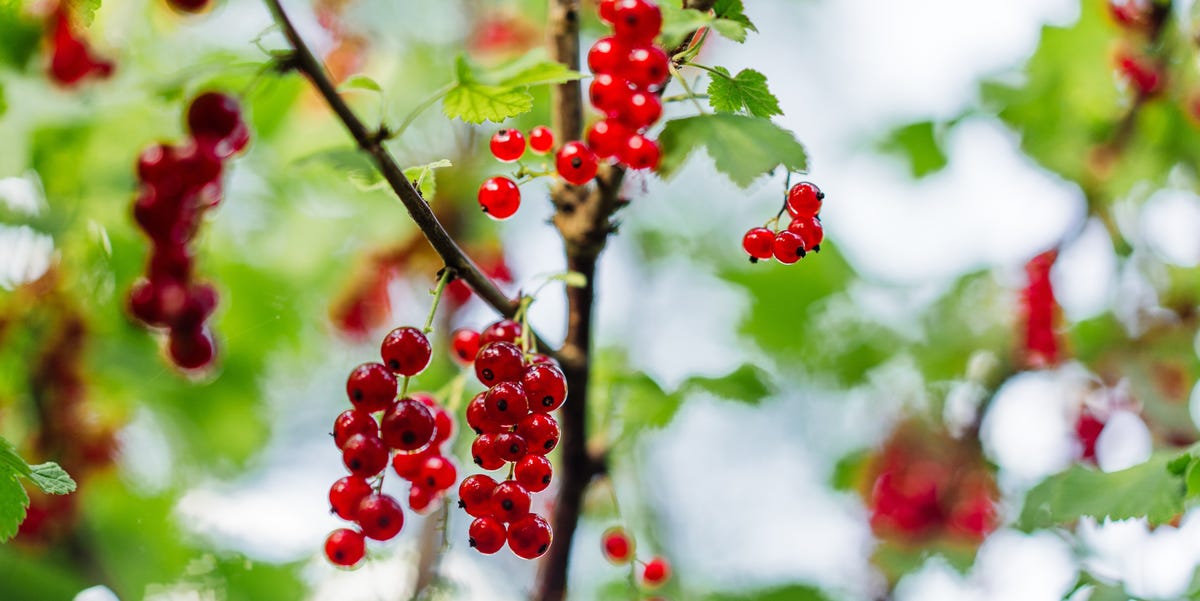
Fruit bushes are a lovely treat in the summer, when the sweet, juicy berries are ready to harvest. But to reap the rewards, raspberries and blackcurrants must be planted by early spring, making this your last chance to get in on the action.
The ideal window for planting bare-root fruit bushes is late winter to early spring as it allows roots to settle while they’re still dormant.
‘In much of the UK, March soils are typically cool and moist, which means new plants settle in with less stress and usually need less watering than anything planted later,’ explains horticulture expert Patrick Martin.
‘That head start matters more each year as spring and early summer dry spells become more common, because well-established roots cope better and need less aftercare.’
Before spring fully sets in, take advantage of this final planting window and fill your garden – or even a balcony container – with productive fruit bushes. Here are nine varieties to plant now.
The best fruit bushes to plant now 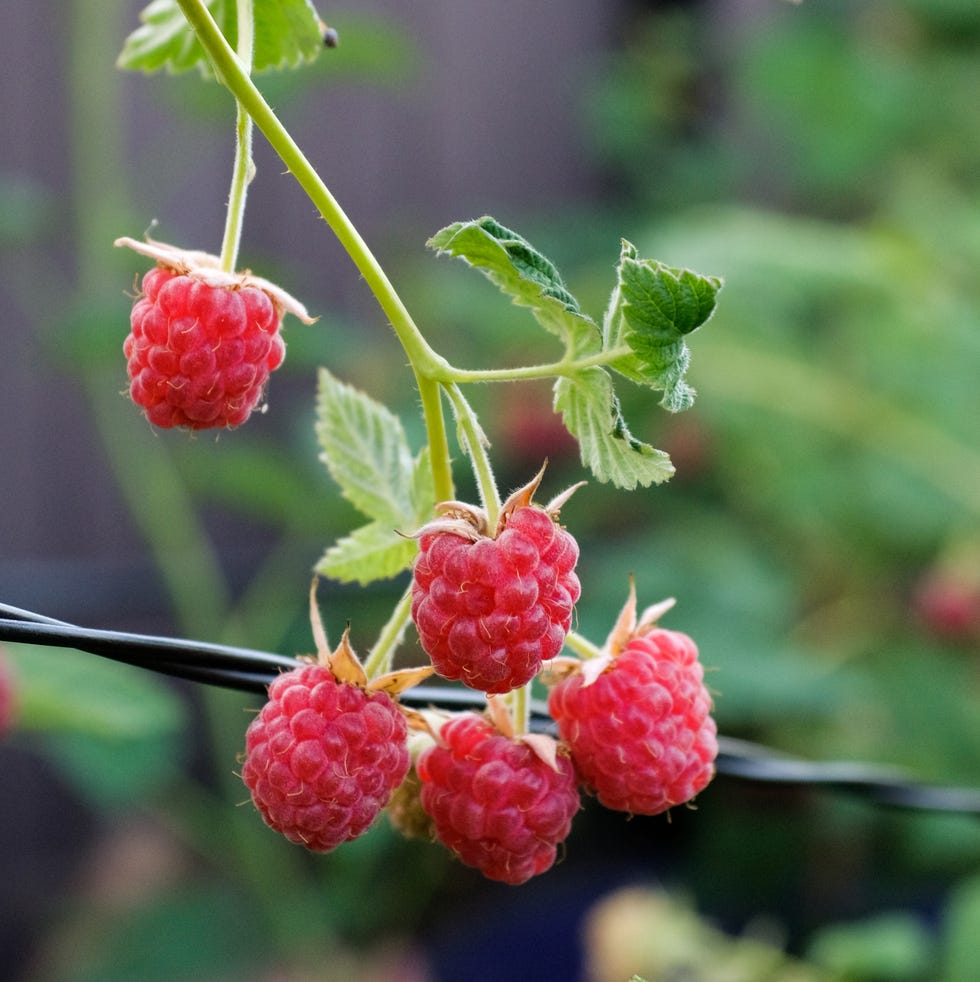

Aleksandr Zubkov//Getty Images
Best beginner-friendly varieties
‘Raspberries are very beginner-friendly when planted as canes now, particularly if there is room for a simple row with wires for support,’ says Patrick. ‘The main goal is to pick the fruit that suits the site first, then the care becomes mostly watering, mulching, and light pruning.’
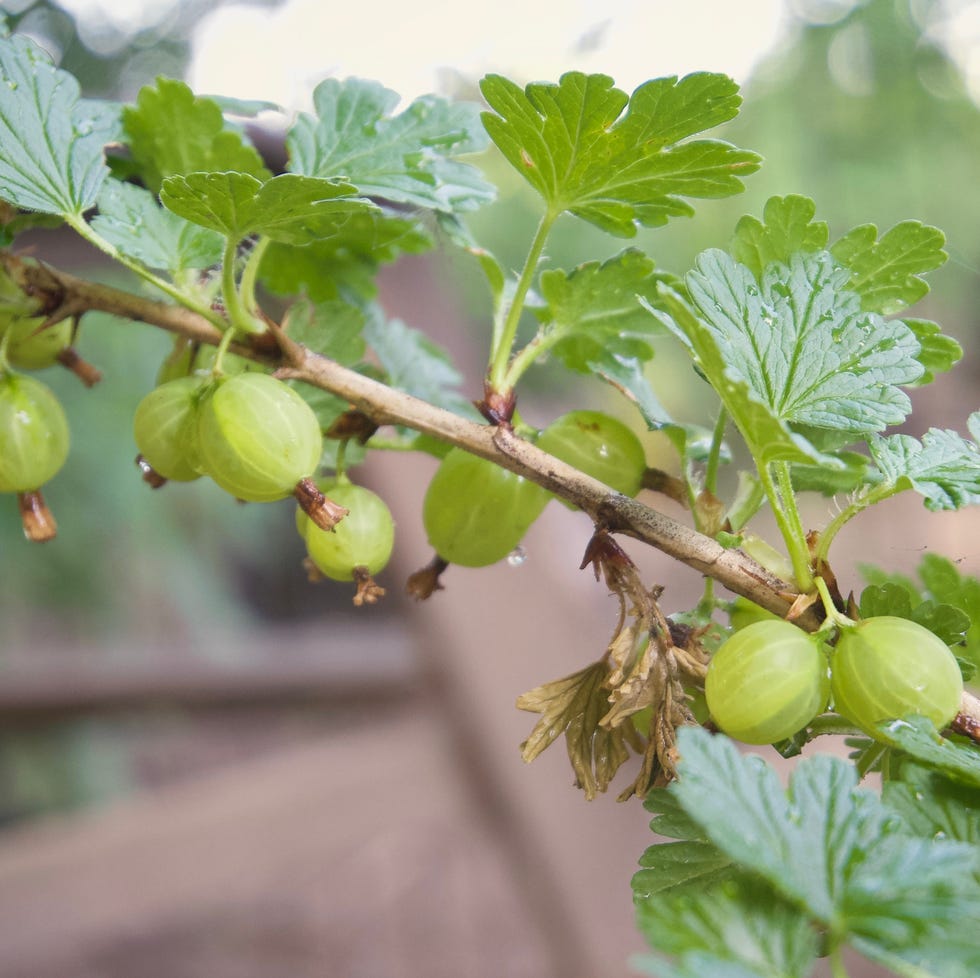
But raspberries aren’t the only straightforward choice. ‘Among the easiest fruit bushes to get planted in the early spring are blackberries, gooseberries and blackcurrants,’ the co-founders of online garden retailer One Click Plants, Chloe and Dylan, reveal.
‘These are hardier, low-maintenance bushes that are suitable for most UK gardens at this time of the year. Raspberries and blackberries are vigorous growers and can produce heavy crops on low effort.’
Faba-Photograhpy//Getty Images
Best hybrid varieties
‘Vigorous hybrids like tayberries and loganberries can also do well where other soft fruit can struggle, as long as they have support,’ says Patrick. Support can come in the shape of a sturdy wire trellis, a fence or even a wall, ideally 2m high.
Best for small gardens or balconies
Don’t have enough space to accommodate a large bush? ‘Currants are much more compact and ideally suited for those with smaller spaces,’ Chloe says.
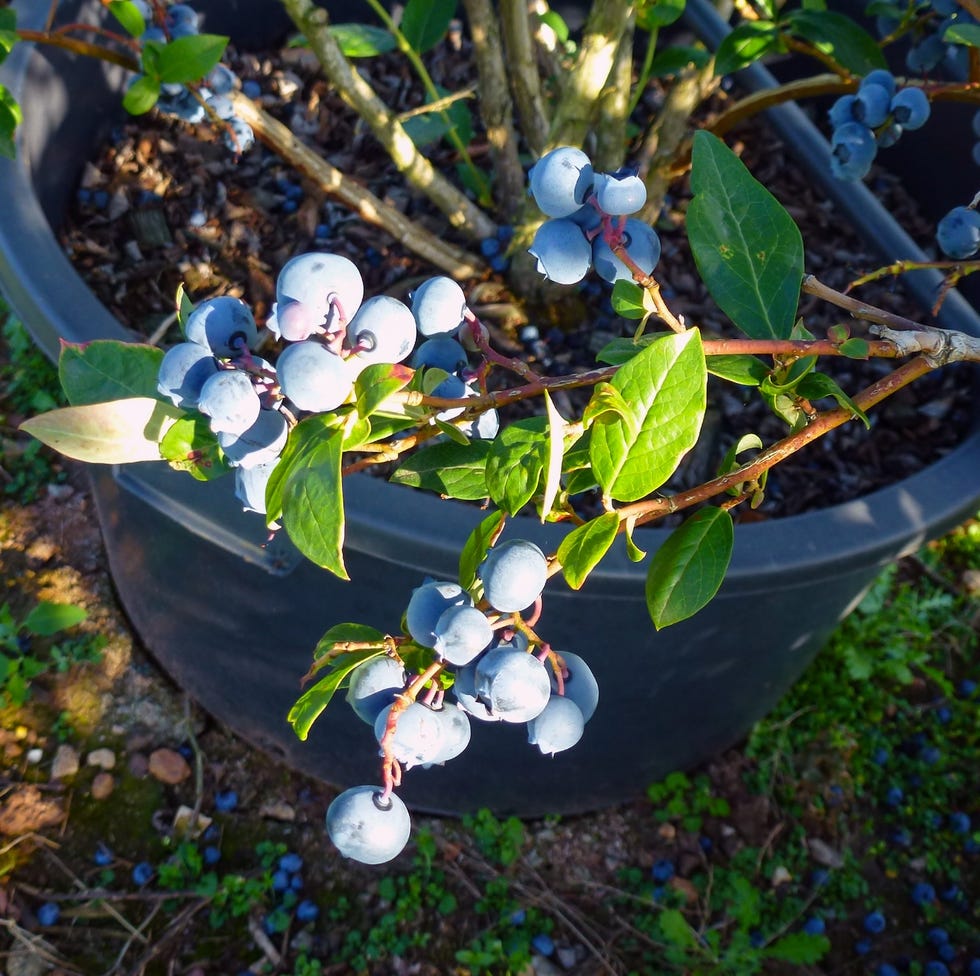
Another great variety to try in compact spaces is blueberries. ‘For patios, balconies, and anywhere with alkaline soil, they are often easiest in pots rather than in the ground, because they need acidic conditions to thrive,’ Patrick shares
Serhii Bezrukyi//Getty Images
Best berries for cooler areas
In slightly cooler parts of the UK, Patrick recommends a close relative to the blackberry. ‘Honeyberries are also a strong choice for colder areas and can cope with a chilly spring,’ he says.
The best way to plant fruit bushesIn borders
When planting directly into the ground, make sure the soil is well-draining. Dig a hole that is wider rather than deeper, so the roots can spread comfortably. Space the plants well to increase airflow and reduce the risk of mildew and other diseases.
‘Set most bushes at the same soil level they were grown at, but blackcurrants are a useful exception because planting slightly deeper encourages new shoots from below ground, which helps build a productive framework,’ advises Patrick.
‘Currants and gooseberries are typically best at around 1.2 to 1.5m apart, while raspberries do well about 40 to 50cm apart in rows, with room to walk and pick.’
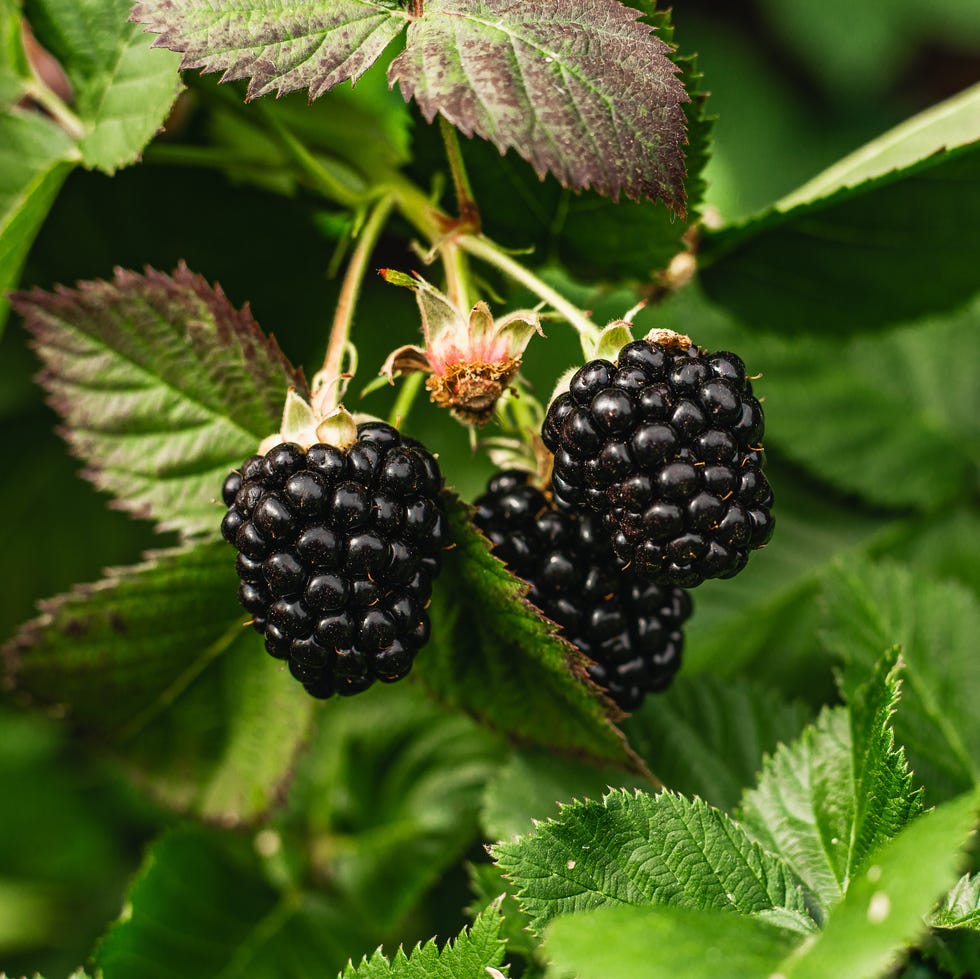
Iuliia Bondar//Getty Images
In containers
To plant in a container, choose a pot that’s at least 30 to 40cm wide and deep, ensuring there are drainage holes.
‘Use a quality compost, and for blueberries specifically use ericaceous compost. Plant so the crown sits at soil level, water until it runs freely from the base, then keep moisture consistent through year one,’ the expert says.
‘In the first season, removing weak or damaged shoots at planting helps the plant concentrate on strong growth, and meaningful harvests usually begin from summer into autumn depending on the fruit and variety.’
Follow House Beautiful on Instagram, TikTok and Pinterest
The Garden Edit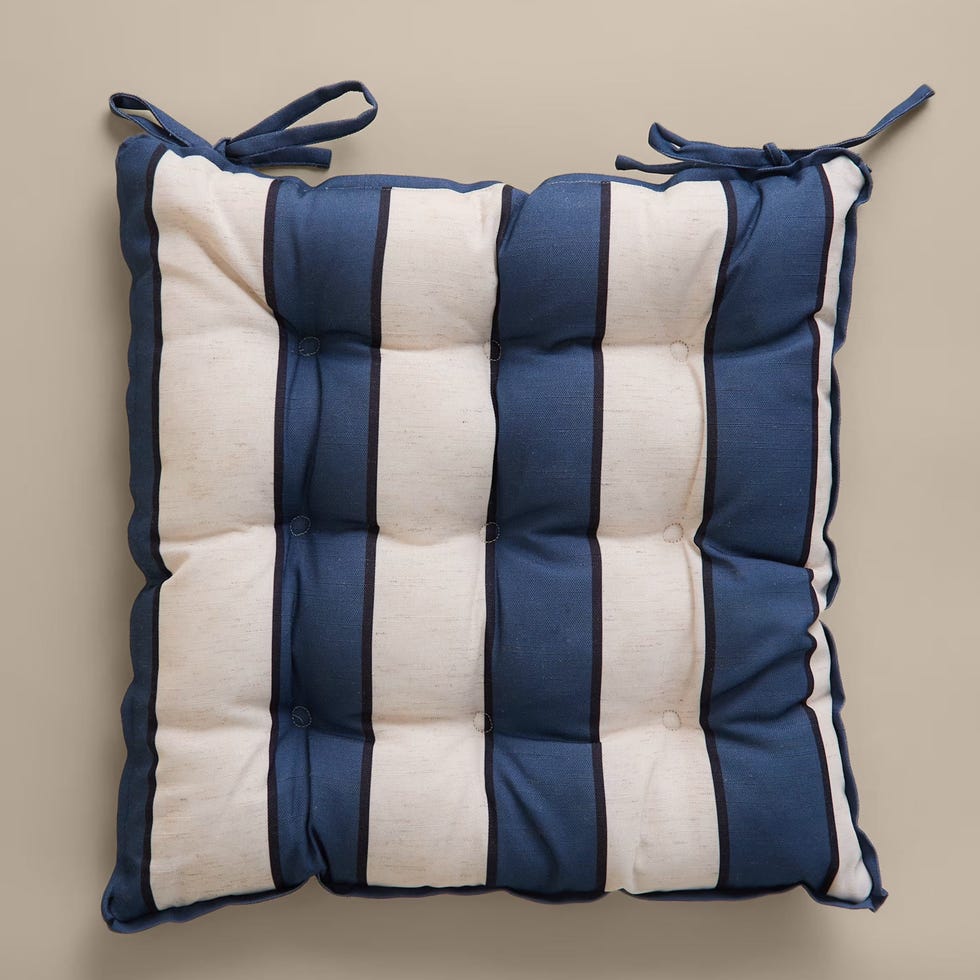 2 Pack Striped Outdoor Seat Pads
 Marcy 2-Seater Sling Garden Sofa, GreigeCredit: John Lewis
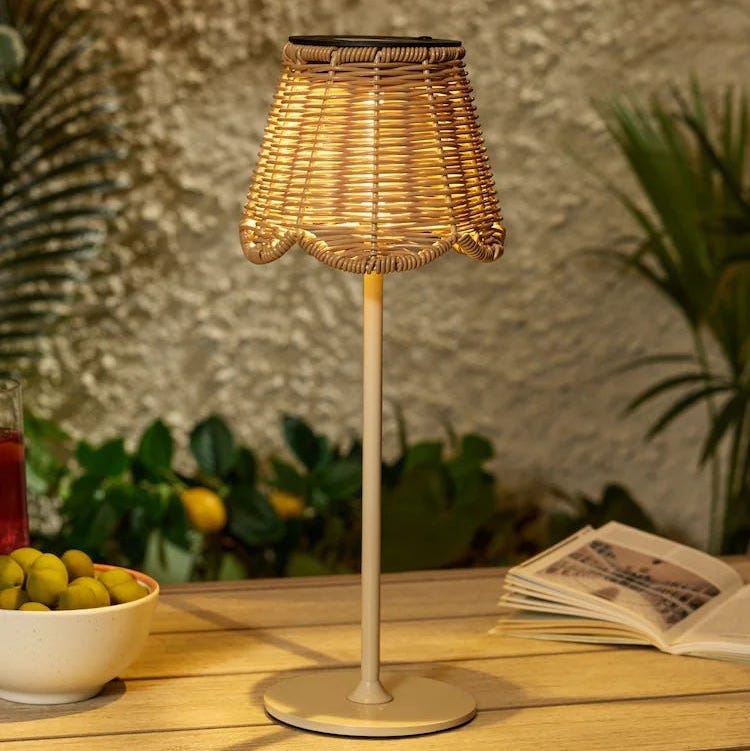 Natural Scalloped Rattan Outdoor Table LampCredit: Next
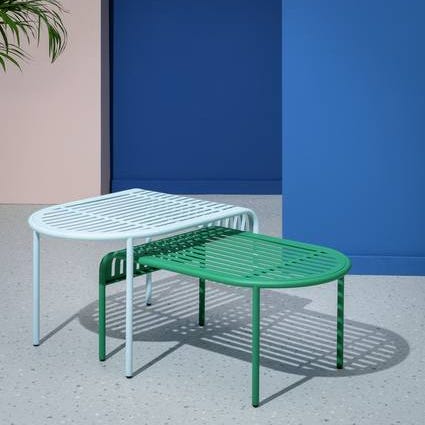 Habitat 60 Lucinda Metal Nesting Garden Tables – Blue & Green
Now 30% Off
Credit: Habitat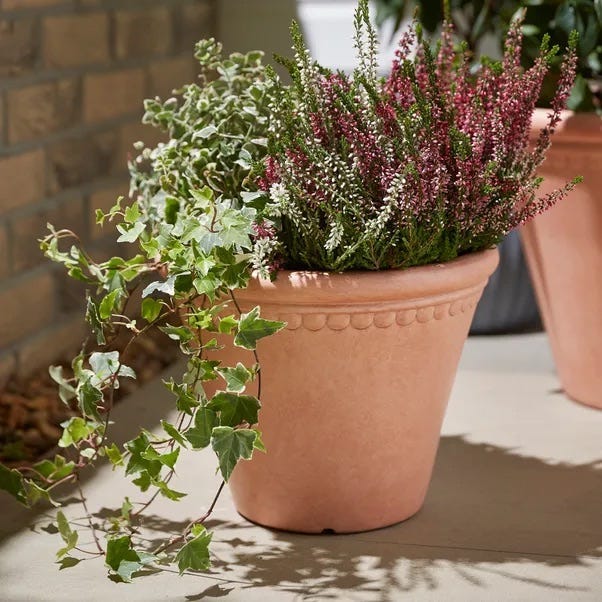 Scalloped Edge Smooth Fibre Clay Plant PotCredit: Dunelm
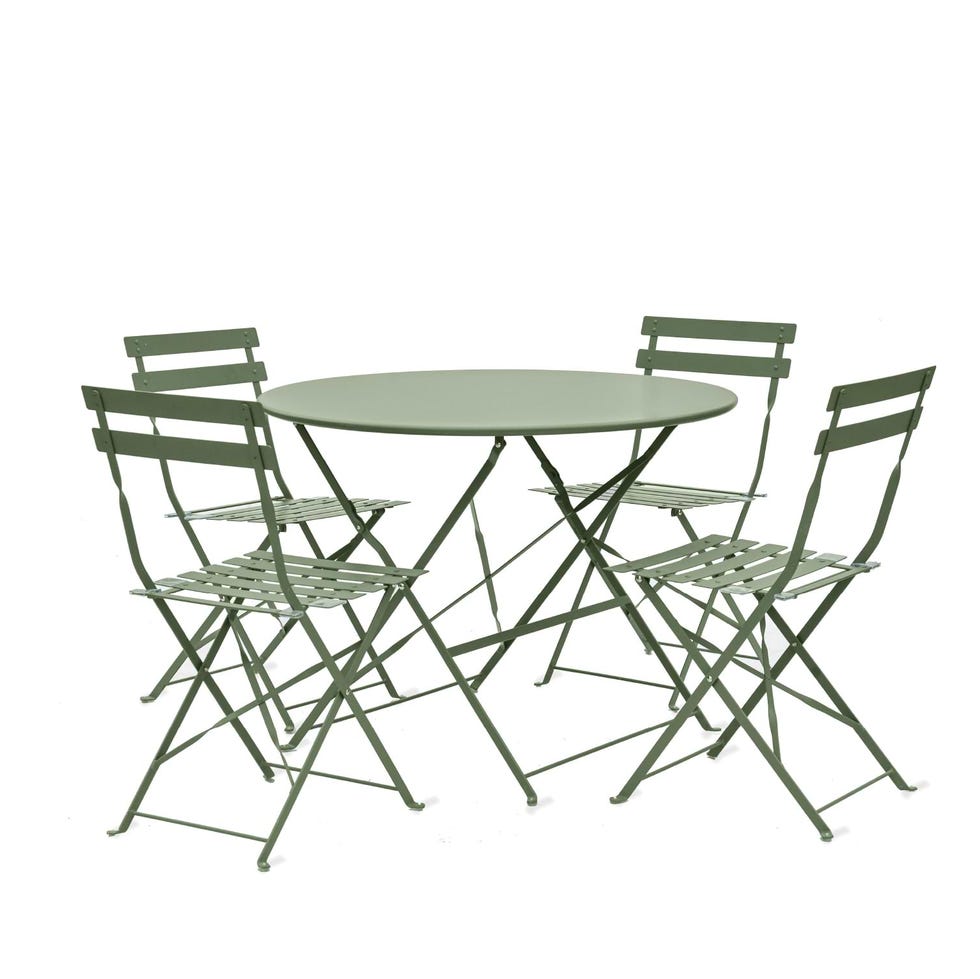 Garden Trading Rive Droite Bistro Set Large Thistle Green
Now 20% Off
Credit: Garden Trading
Comments are closed.