
RICHMOND — The seed catalogs, arriving just after Christmas, piled up in a wicker magazine box. It was too cold to think about gardens. And then it got lots colder; besides, last year’s produce was still a regular at the supper table. One giant potato, a couple of little bags of carrots and two big onions were keeping well. Then the snow came and came and came, with the wind creating drifts like whipped cream on top of the sleeping garden.
A recent 68-degree day inspired digging into the box, recycling the catalogs dealing with expensive clothing from Martha’s Vineyard and forever boots from Maine. Also dumped were mail from several seed outlets who insist on showing their wares, even though I’ve never ordered from them.
When it’s March and the garden has just become visible, it’s the time to order too many things. It’s the time to dream that the carrots won’t come up thicker than spatter in need of thinning, the peppers will bloom, the weeds won’t grow and the lettuce won’t bolt overnight into bleached spires. Right now, it’s easy to assume the garden will behave perfectly, it will rain before the hose is dragged up the hill, the sun will do its average job, the bees will patrol. It won’t be hot or humid or sweaty.
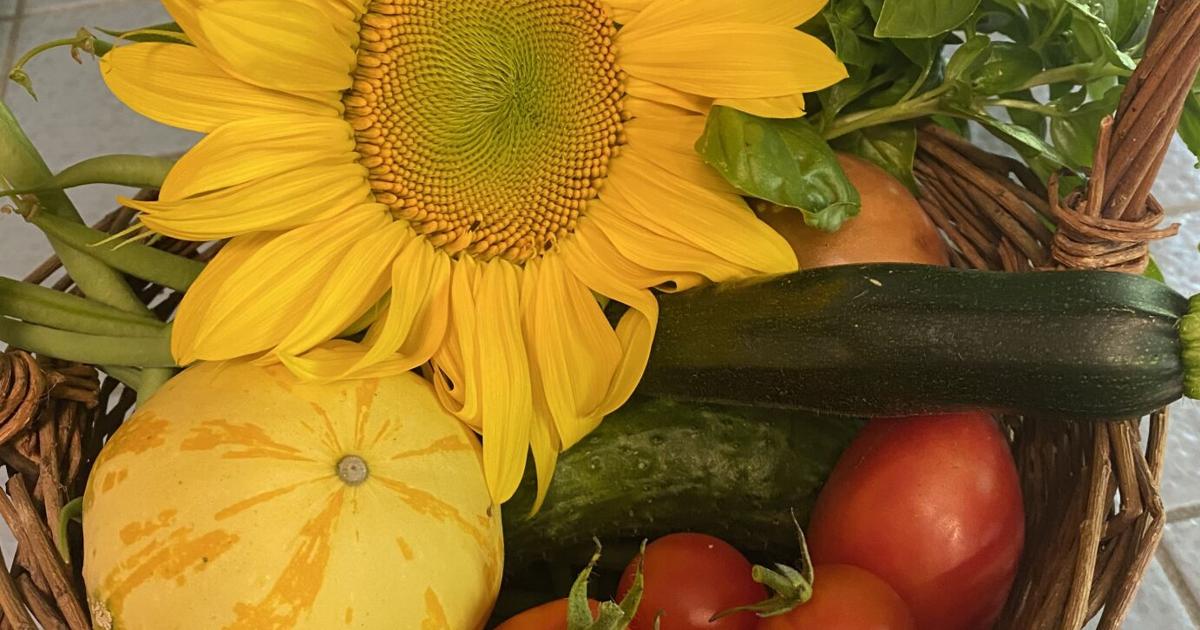
In March, it’s time to flip through pages of perfect vegetables: tomatoes without cracks; potatoes minus freckles; glossy cukes with no mouse bites; green beans looking like identical quadruplets times four; leaf lettuce in rich, dewy green. One year when the clayey soil here was exceptionally dense, the carrots must have spent the summer saying, “Ooof” as they tried to make their way downward. They were so short that when stood on end to dry, they were dubbed “thumbs” by the irreverent offspring.
It takes four catalogs to satisfy this March gardener about which peas, which yellow squash. It’s all positive, despite the fact that much of the gravel driveway is on the lawn, and a bear bent the bird feeder pole a week before I expected the den alarm to go off. (But the thermometer said to take the feeders in, so he was disappointed here.)
By late spring, it might take an out-of-town crew to bail me out when the back refuses to unbend or fingers fumble with tiny seeds, or 10 holes for seed potatoes proves eight too many. But in March, when melting snow gives off drifting fog and the tufted titmouse says it’s spring — over and over — and the red-winged blackbird is ta-ta-tweeing in a nasal tone, the garden looks like a potential paradise, row upon row of neatness. Plant, reap, savor. Pesticide free, fresh, delicious. All true — and a lot of work.
Ruth Bass is an award-winning journalist. Her website is ruthbass.com. The opinions expressed by columnists do not necessarily reflect the views of The Berkshire Eagle.
Comments are closed.