
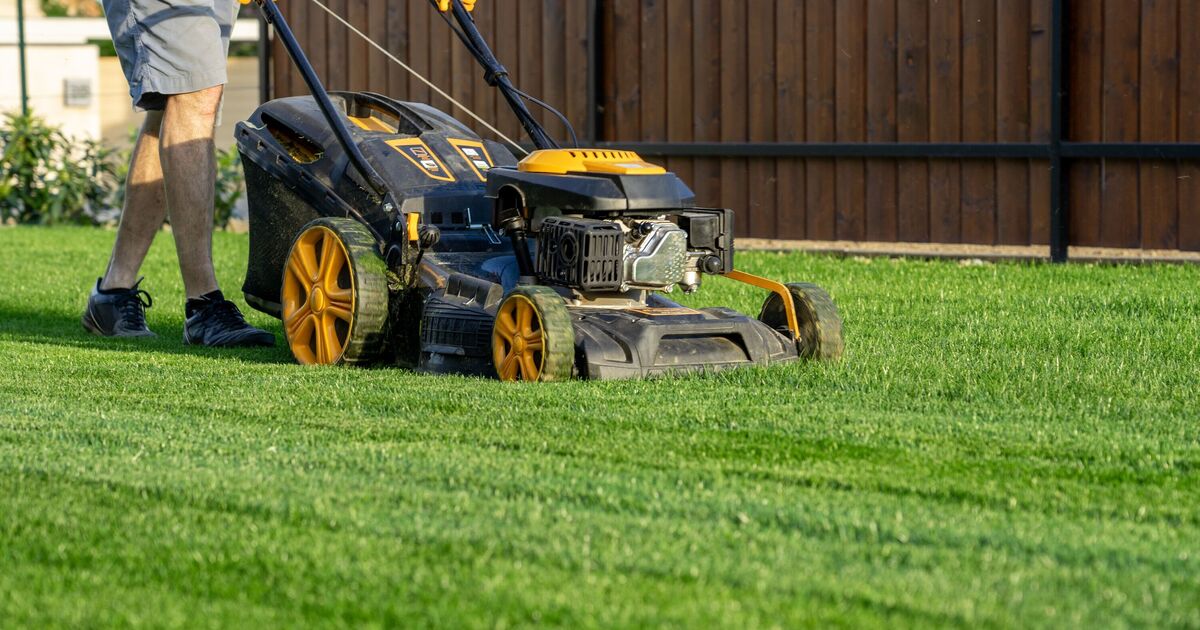
The expert recommends treating your lawn with iron sulphate (Image: Getty)
Keeping a lawn healthy after winter can be challenging, especially as moss begins to appear as the weather warms up. As spring comes into full swing, lawns often struggle with patchy growth and moss buildup. But one simple addition can dramatically improve grass health while also helping to keep moss under control.
Moss thrives in damp, shaded areas and can quickly spread across a lawn, blocking grass from getting the sunlight, air and nutrients it needs to grow properly and maintain a rich green colour. A gardening expert has shared that the key to a strong lawn is improving the growing conditions for grass so it can outcompete unwanted growth.
READ MORE: Lawns will turn ‘extremely green’ and moss-free if you add item to soil
READ MORE: Garden lawns will grow back thicker if one March ‘rule’ is followed
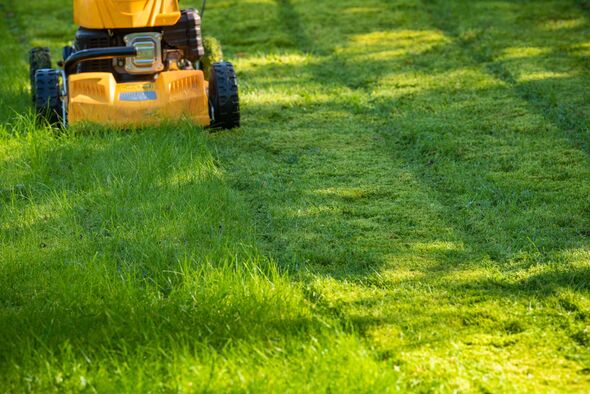
The expert said that moss comes as a result of having a poor lawn (Image: Getty)
Philip Voice, lawn expert and founder of Landscape Juice, previously explained: “Sunlight is essential for photosynthesis to take place, and if your grass has to work too hard, it will weaken and non-desirable grass species, as well as moss, can start to colonise the surface of your lawn.”
For long-term lawn health, aerate and scarify the lawn to reduce soil compaction, maintain proper sunlight exposure, and keep the root zone healthy, making it harder for moss and weeds to compete.
He added: “Moss is often wrongly described as the cause of a poor lawn. Moss is, in fact, a result of having a poor lawn. The rule of thumb is, keep your root zone in good condition, improve overall growing conditions, and your grass will grow strongly, making it impossible for moss and weeds to compete.”
However, if your lawn is healthy but yellowing or patchy, it may simply need a nutrient boost. One of the easiest and most effective solutions is applying iron sulphate.
Mr Voice said: “Good aeration is essential, but sometimes you might need some chemical help to assist – a simple treatment is the application of sulphate of iron, to help suppress the moss.
“The common moss that is present in many lawns is Springy Moss; its properties are made up of over 90% water. Sulphate of iron will quickly expel the water and allow the grass to strengthen.”
For best results, apply iron sulphate the day after it rains, so the moisture helps dissolve it. Avoid windy days to prevent it from drifting onto other plants. Combined with proper lawn care, this simple treatment ensures a thick, healthy, moss-free lawn that stays green all spring and summer.
The expert said: “Even after as little as one hour, moss will start blackening; after two days, the moss content will have reduced and turned dark brown whilst the grass will have turned extremely green.”
Matt Adams, gardener and founder of The Relentless Gardener, has also recommended applying iron sulphate in March. In a blog post shared on March 13, he wrote: “I’ve been out walking the grounds across Cheshire this week, and it’s clear that the relentless rain of early 2026 has left our soils incredibly heavy and leached of nutrients. If your lawn looks more like a pond than a pitch, you aren’t alone. I’ve found that this standing water has triggered an explosion of moss that’s trying to outcompete the grass before the growing season even begins.
“While the ground is still far too squelchy for heavy machinery or scarifying, I’ve seen great results from an early liquid application of iron sulphate. It’s my go-to “emergency brake” for moss in these sodden conditions. By toughening the grass plant and checking moss growth now, you’re setting the stage for a much easier renovation once the soil finally firms up.”
The RHS warns that only HSE-approved iron sulphate mosskillers should be used to control moss safely without harming grass.
Comments are closed.