
Credit: LAUREY W. GLENN; Styling: BUFFY HARGETT MILLER
Key Takeaways
Get ahead of weeds by tilling early, removing perennials by the root, and mulching well before planting to stop summer weeds before they sprout.
Use methods like hand-pulling, hoeing, newspaper or cardboard mulching, and drip irrigation to manage weeds without harming your crops or the soil.
Raised beds and no-dig gardening make for easier upkeep, while cover crops and tarps during winter help block weed growth before spring planting.
I come from a long, long line of farmers, and a vegetable garden meant at least an acre of squash, beans, corn, cucumbers, and tomatoes to care for each summer. Once the planting was done, out came the hoe to cut down the weeds. I often wished that the hoe handle didn’t fit my hands but it was a good botany lesson on how to distinguish between a weed and a vegetable plant.
Weeds in the vegetable garden are more than unsightly. They steal water and deplete nutrients that vegetables need to thrive and produce a bountiful crop. By preparing before the first seed is planted and paying regular attention during the growing season, you can have a nearly weed-free (there’s always going to be one that slips in) vegetable garden.
Credit: LAUREY W. GLENN; Styling: BUFFY HARGETT MILLER
Understanding Weeds in Vegetable Gardens
There are three basic classifications of weeds in the garden: summer annuals, winter annuals, and perennials. Summer annuals, both grasses and broadleaf, are the most prolific in the garden. Common types are crabgrass, goosegrass, giant foxtail, smooth pigweed, common lambs quarters, purslane, galinsoga, common ragweed, and tall morning glory.
Bermudagrass and yellow nutsedge or nut grass are the most common perennials, which come back year after year without intervention. Winter annuals, such as annual bluegrass, henbit, common chickweed, and wild mustard, germinate in the fall and appear in early spring. Tilling the soil kills existing stands, and winter annual weeds are generally not as troublesome as summer annuals.
Garden weeds adapt to local climates, tolerate drought, low soil fertility, and compete with crops for water, nutrients, and light. They also serve as a host for some insects and diseases that can affect the health of your vegetable plants.
General Weed Control Strategies
It’s best to get rid of weeds before you sow the first seed or plant the first seedling. Till the soil to get rid of winter annual weeds, dig out the roots of perennial weeds, and put down inorganic materials or organic mulch to smother summer annuals before they sprout.
The size and design of your vegetable garden will determine which weed control method is best for you. Rotary cultivators do a good job in large gardens with long rows and space between the rows. However, cultivators can’t get rid of weeds close to plants without damaging the vegetables. While cultivating, move as little soil as possible to limit the number of weed seeds brought to the surface to germinate. Once the weeds have been removed, mulch well to control new weed growth.
When removing weeds that are growing close to vegetable plants, it is essential to remove the entire plant, especially perennials that will come back from their roots. This can be done by hand-pulling, hoeing, or digging out a perennial weed with a garden knife. Place the weeds in a plastic bag and leave it in the sun to kill seeds before adding the contents to your compost pile.
Many gardeners find that using rolls of black plastic works will control annual weeds. The disadvantages, however, may outweigh the weed control. Water and oxygen cannot pass through the plastic and it traps heat in the soil which can be harmful to plants in the summer.
Organic Weed Control Techniques
One of the cheapest ways to block weeds is to use uncoated cardboard or newspaper between garden rows. Water can still permeate through the paper for vegetable plant roots, but weeds are denied the light they need to survive. If you don’t like the look of the cardboard, cover it with a layer of organic mulch. Both cardboard and newspaper will break down during the growing season and can be tilled under with mulch before the next planting season.
When using organic mulches, apply a layer two to three inches deep to block weeds. The mulch can be wheat straw, pine straw, aged wood chips, or bark. Be sure to keep the mulch at least two inches away from the stems or stalks of vegetable plants to help prevent rot from too much moisture.
Vegetable plants need plenty of water to produce fruit, but you don’t want to give weeds the same special treatment. Use drip irrigation or soaker hoses under the vegetables to irrigate the,m but leave nearby weeds without water.
Designing a Low-Maintenance Vegetable GardenBuild Raised Beds
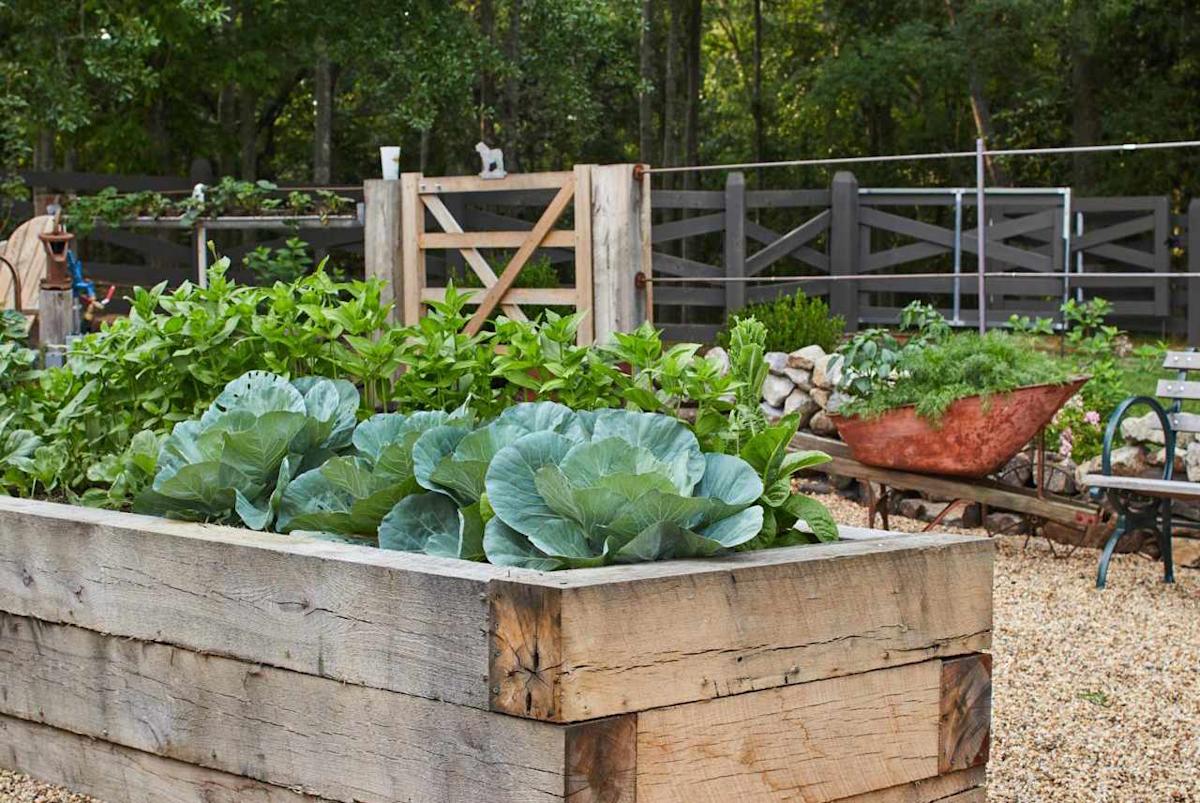
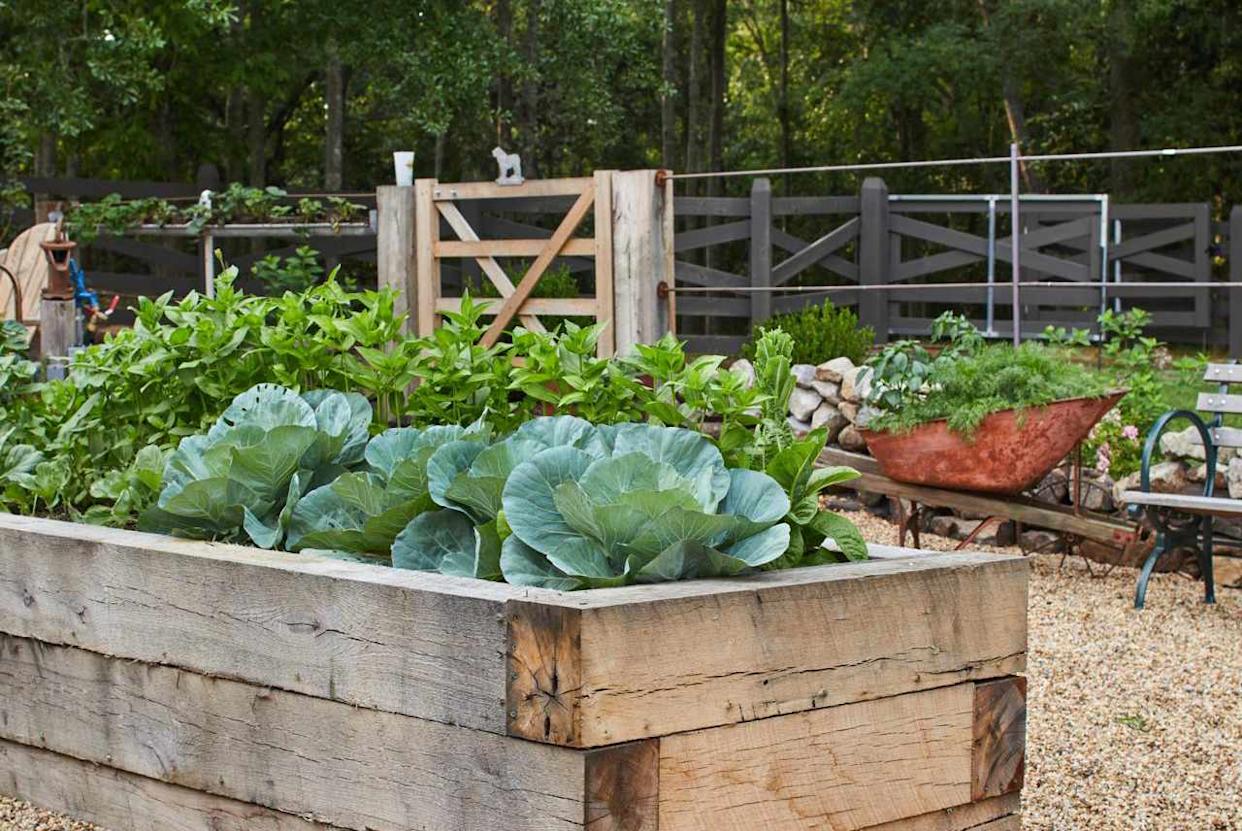
A vegetable garden with raised beds and permanent plants is one of the easiest gardens to maintain and keep weed-free. The beds allow easy access to each plant without back-breaking hoeing or kneeling to pull weeds.
Use No-Till Gardening Methods
No-till or no-dig gardening is a method of layering natural materials on top of winter-hardened soil to create nutrient-rich soil and suppress weeds. To use this method, you must start at least six weeks before planting so the layers of cardboard, green, and dry organic matter can begin breaking down.
Prepare for the Growing Season
Early preparation is the best way to prevent weeds from overtaking the garden. Plant winter cover crops that help prevent weeds. Or, add a thick layer of mulch to prevent weeds from germinating. If you’re not planting winter crops, cover the area with an inexpensive plastic tarp to block the light and water that weeds need to thrive.
3 Common Mistakes and Ineffective Methods
Using DIY weed killers: Salt, vinegar, and boiling water will take out some weeds but they will also harm your vegetable plants. If the weed is mature, only the green matter will die but the roots may regrow later.
Casually hand-pulling weeds: If you don’t get the entire root system of a weed out of the garden, especially for a perennial weed, it will return. To hand-weed more efficiently, always work when the soil is wet; use a hoe if the soil is dry.
Relying on “weed-blocking” landscape fabric: These fabrics allow water and air to pass through to the soil but help control weeds. However, some annual weeds germinate above the fabric and send their roots through the fabric. Crabgrass germinates below the fabric and pushes shoots through the holes.
Read the original article on Southern Living
Comments are closed.