

March is a busy time in the garden, and there are plenty of jobs to keep you occupied
Millie Bull Deputy Editor, Spare Time
01:37, 15 Mar 2026
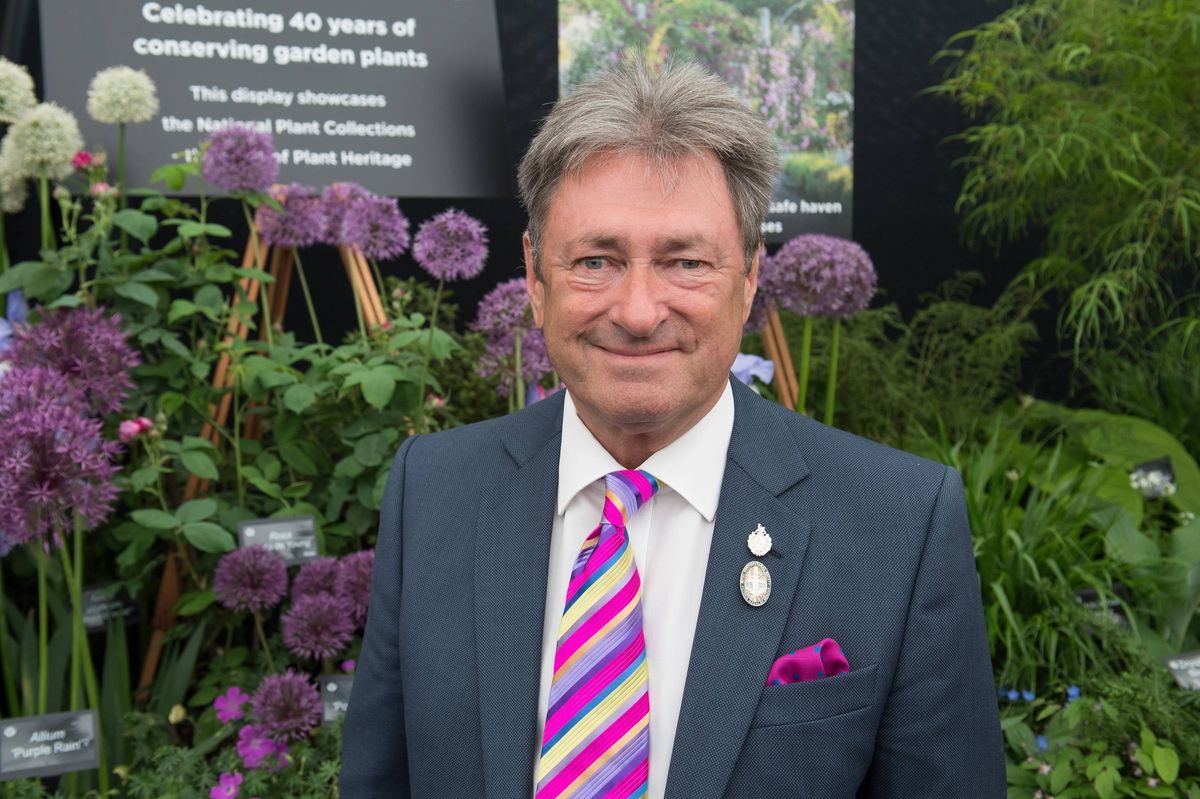
Alan Titchmarsh, 76, has revealed the five “essential” gardening jobs that must be completed in March(Image: Jeff Spicer, Getty Images)
As temperatures rise and daylight hours get longer, many of us are venturing into our gardens to ready our outdoor areas for the brighter days to come. However, knowing where to begin in March can feel overwhelming.
Horticultural specialist, author and television presenter Alan Titchmarsh, 76, has revealed the five “essential” gardening jobs that must be completed in March in a recent video on his YouTube channel, Gardening with Alan Titchmarsh. From incorporating soil conditioner into borders to planting fresh potatoes and sowing seeds, the gardening enthusiast emphasised there’s no shortage of work this month.
1. Mulch your beds and borders
March is a time to think about enhancing your soil quality. This is the month when Alan prefers to apply a substantial layer of mulch to his beds and borders. Mulch is an organic covering placed on the soil surface in beds and borders to establish a reservoir that will nourish plants as spring progresses, ensuring their continued healthy growth, reports the Express.
Various types of mulch are available for use. Your own homemade compost, if available, though it may require a year to decompose adequately.

This month is when Alan likes to add a thick layer of mulch to his beds and borders(Image: SbytovaMN via Getty Images)
Alternatively, different mulch materials are sold in bags. Simply ensure that whatever you purchase is peat-free.
Numerous mulches are marketed as soil improvers. It’s straightforward to work with, and it also provides nutrients, meaning that when worms incorporate it into the soil, they’ll enrich your planting areas and benefit whatever’s growing there.
Alan suggested another alternative is composted bark, which not only enhances the soil but also acts as a “weed-suppressing surface layer”.
He advised: “When you’re laying mulch, before you put it down, I always recommend adding blood, fish, and bone organic fertiliser. It contains nitrogen, phosphates, and potash, crucial ingredients for plant growth.
“I add a couple of handfuls around each plant, and then, using a fork, I add the mulch, trying to keep it off the crown of the plant so it doesn’t scorch them. Aim for a thickness of 2 to 3 inches. Then you leave it to do its thing. And believe me, your plants will thank you for it.”
2. Plant summer-flowering bulbs
Next on Alan’s March agenda is planting summer-flowering bulbs. March is the perfect time for this task as it allows the bulbs several months to develop strong roots and prepare for the forthcoming summer.
There’s a wide variety of summer-flowering bulbs to choose from, such as gladioli and lilies. Alan prefers to plant his in large terracotta pots.
Before planting the bulbs, ensure they are firm and show no signs of rot or fungal disease. Verify that the pots have drainage holes at the bottom, and include some broken pot pieces to stop the holes from becoming blocked.
Alan then fills the pot with peat-free multi-purpose compost, preferably containing added John Innes, which offers additional weight and stability for the growing plants. He suggests leaving approximately 15cm between the compost surface and the pot rim to provide adequate space and stability for bulbs to grow.
Position the bulbs in the pot with the pointed end upwards, ensuring they’re spaced sufficiently apart so each receives adequate nourishment. Cover the bulbs with additional compost and gently firm it down.
Remember to leave a small gap between the top of the compost and the rim of the pot to facilitate watering.
Alan added: “All you need to do then is stay on top of the watering and you’ll have glorious blooms right the way through the summer.”
3. Plant flowers from seed
Cultivating plants from seed is one of the most cost-effective methods to fill a garden with flowers. By sowing seeds in March, gardeners give them several months to mature before outdoor planting, enabling them to develop robust roots and healthy growth.

Growing plants from seed is one of the most cost-effective ways to fill a garden with flowers(Image: jchizhe via Getty Images)
To start, collect the seeds, pots, and peat-free multi-purpose compost designed for seed sowing. This particular compost contains fewer nutrients than standard potting compost, preventing damage to fragile new seedlings. Arrange all the materials on the potting bench for easy access.
Follow the instructions on each seed packet to sow at the appropriate depth – certain seeds require covering, while others should remain exposed.
For seeds needing coverage, Alan recommends this straightforward method: tip the seeds into your clean palm and gently shake them from your hand into the container for uniform dispersal. Employ a sieve to lightly dust the seeds with a thin layer of compost, ensuring they are barely covered rather than buried excessively.
Mark each container, then water by immersing the pot until the compost surface becomes moist. When complete, position the pots in a greenhouse or on a bright windowsill. Ensure the compost stays damp.
4. Plant early potatoes
Alan explained: “If you love new potatoes smothered in butter, this is the perfect time to plant your earlies. Planting early potatoes now will give you new potatoes from mid-June through July.”

By summer, Alan said, you’ll be amazed at how many delicious new potatoes you’ll harvest(Image: alicjane via Getty Images)
Seed potatoes can be purchased in packets from your local garden centre. Prior to planting, Alan recommends chitting the seed potatoes.
This involves positioning them in a bright, warm location so the shoots can begin developing, a process that encourages them to produce earlier in the growing season. For outdoor planting, dig a trench in your vegetable plot.
Incorporate some soil improver into the base, then position the tubers approximately a foot apart. Return the soil to cover them.
If space is limited, potatoes can alternatively be grown in special potato sacks. Ensure the bags have drainage holes at the bottom and fold the sides halfway down before filling with peat-free multi-purpose compost.
Position the seed potatoes on top of the compost, then cover them. As the shoots develop, progressively add more compost to cover them.
By summer, Alan said, you’ll be amazed at how many delicious new potatoes you’ll harvest.
5. Create a spring planter
“My final task in March is to get a bit of instant colour. Planting up a spring planter,” Alan said.
Softwood planters are easy to order and construct, particularly if you have a drill. As the month progresses, garden centres begin stocking early spring plants such as erysimum, campanula, and tiarella.
For added visual appeal, try pairing these with trailing ivy at the front. You could also incorporate carex and alpine plants like saxifraga to produce an eye-catching early spring arrangement.
A spring planter offers a straightforward method to add instant colour and enjoyment to your garden.
Comments are closed.