
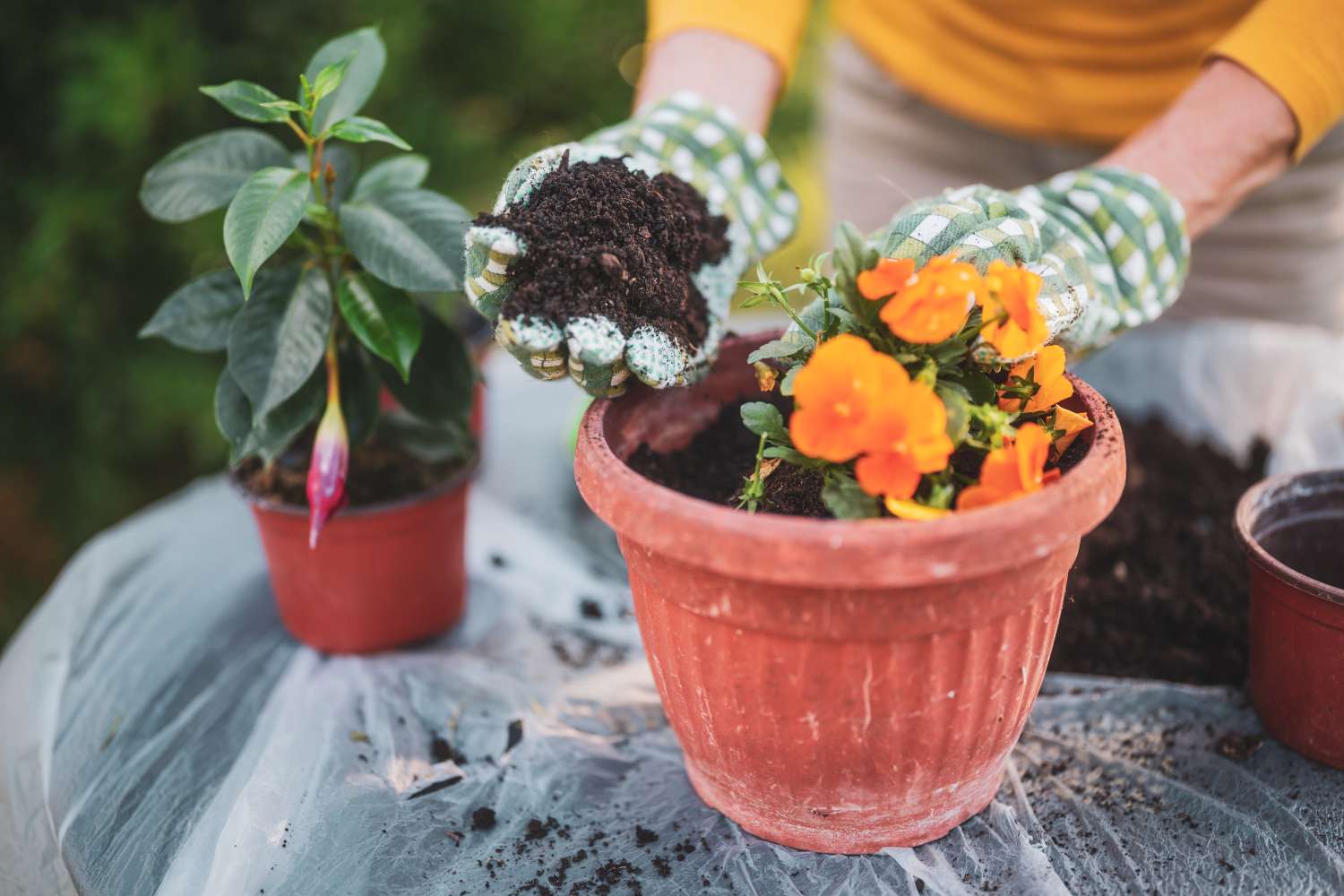
Potting soil may seem like it lasts forever, but it has a shelf life. Over time, the organic materials in most potting mixes, such as peat moss, bark, compost, or coconut coir, break down. As they decompose, the soil loses structure, which affects drainage, aeration, and nutrient levels.
Unopened potting soil usually stays usable for one to two years when stored in a cool, dry place, ideally below 70℉ and with humidity below 50%. Once opened, its quality often declines within six to twelve months, especially if exposed to air or moisture.
This does not mean the soil becomes unusable overnight. As the ingredients degrade, the mix may no longer provide the structure and nutrients container plants need to thrive.
Why Potting Soil Breaks Down Over Time
Potting soil isn’t actually soil at all; it’s a carefully designed growing medium. Most mixes contain lightweight organic ingredients that hold water while still allowing air to reach plant roots.
The downside is that those ingredients decompose over time. As they do, the mix becomes denser and more compact, reducing airflow around roots and making it harder for plants to absorb water and nutrients. When this happens, plants in the pot may show signs of stress, such as yellowing leaves, stunted growth, or leaf drop.
You might also notice that overcompacted soil retains too much moisture around the roots, which can lead to root rot and wilted or unhealthy-looking plants. Watching for these signs can help you connect what’s happening beneath the surface to how your plants are performing.
Many potting mixes also contain fertilizers or beneficial microbes that degrade over time. When these nutrients break down or dissipate, plants may struggle to get the nourishment they need to grow. Moisture can speed up this process. If a bag of potting soil sits in a humid garage or shed, it may develop mold, bacteria, or pests that further compromise the soil’s quality.
Signs Your Potting Soil Has Gone Bad
Before filling your planters with old potting mix, take a closer look. There are a few common signs the soil may be past its prime. A foul or sour smell is an obvious clue. Fresh potting soil should have an earthy scent. If it smells like sulfur, rot, or mildew, it may contain bacteria or fungal growth. You may also notice visible mold or pests, such as fungus gnats or larvae. These can develop when soil is stored in damp conditions.
Texture is another giveaway. If the mix feels heavy, compacted, or clumpy instead of light and fluffy, the organic components have likely broken down. Poor drainage or water pooling on the surface can also indicate the structure has deteriorated.
Can You Reuse Old Potting Soil?
The good news is that slightly aged potting soil does not always need to be thrown out. If the mix is free from mold, pests, and strong odors, it can often be refreshed.
Start by removing old roots or plant debris. Then mix in fresh compost, slow-release fertilizer, or new potting soil to replenish nutrients. Adding perlite or vermiculite can also help restore the soil’s structure.
Soil that shows signs of disease or heavy pest activity is best removed from use in containers. Instead of sending it to the landfill, consider cold-composting as an eco-friendly disposal method. Spread the old soil in a thin layer at the edge of your compost pile or on an unused part of your yard. Let it rest undisturbed for a year, allowing weather and time to naturally break down pests or pathogens.
After this period, the soil can be safely worked back into garden beds or used to enrich new compost. This simple approach connects your gardening routine with sustainable choices and reduces waste.
How to Make Potting Soil Last Longer
Proper storage can extend the life of potting soil. Keep bags tightly sealed and store them in a cool, dry location away from moisture. If possible, place open bags in sealed containers to prevent mold and pests.
It helps to buy only as much potting soil as you will use in a season. Fresh soil provides better drainage, nutrients, and structure, which help container plants thrive.
While potting soil does not technically expire like food, it gradually loses the qualities that make it effective. Paying attention to storage, texture, and smell can help you decide if it is still ready for your next planting project.
Comments are closed.