
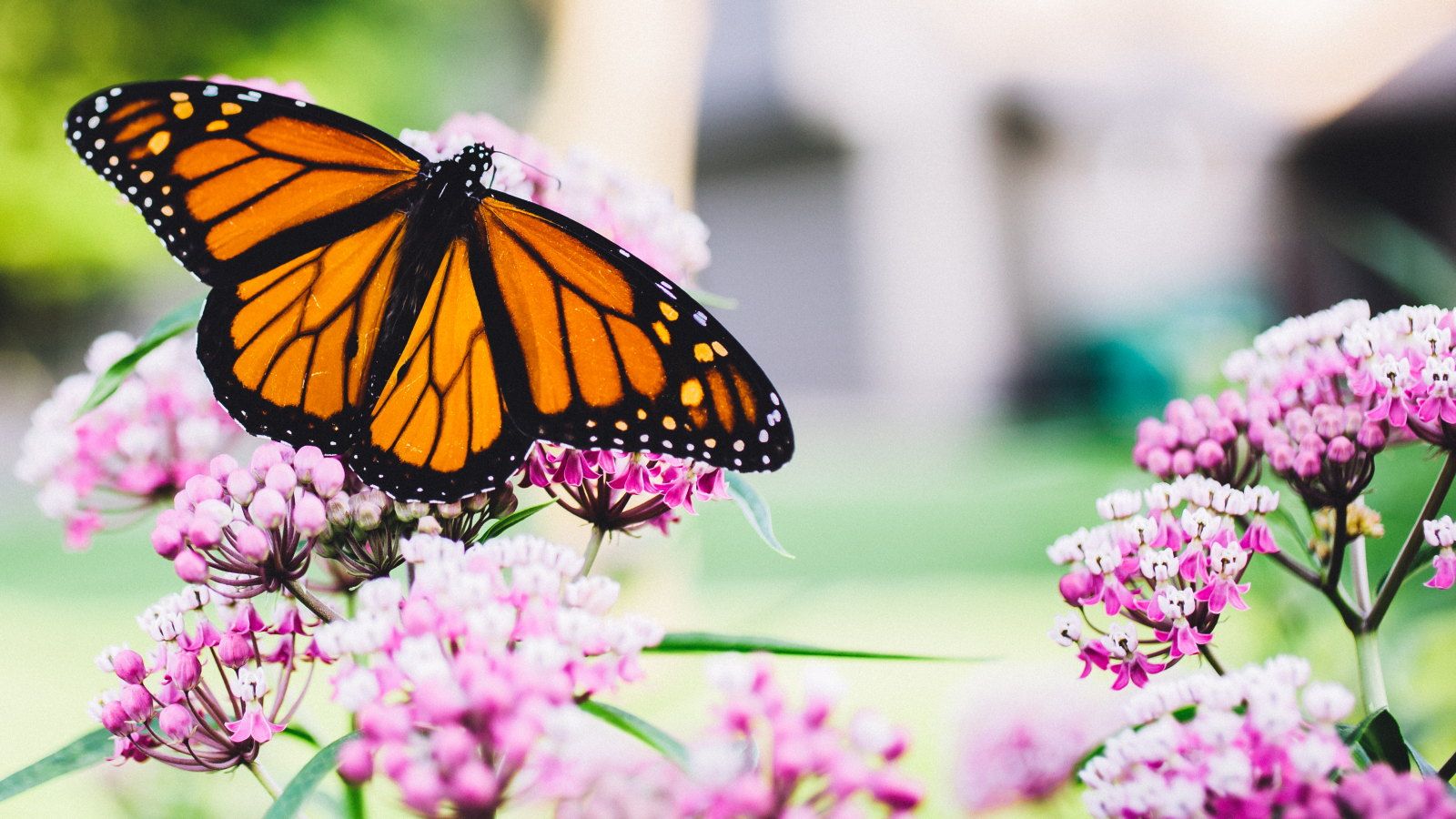
14 March marks National Learn About Butterflies Day in the US, and to celebrate I’ve been researching how to prepare your yard for returning monarch butterflies. These gorgeous winged creatures migrate south for winter and start to return in spring to lay eggs. Before their arrival, there’s much to be done to ensure our gardens are resource-rich sanctuaries for them and their soon-emerging caterpillars.
In the monarch butterfly migration, these beauties travel up to 3,000 miles from North America to Mexico before returning north when temperatures warm up again in early spring. But, the sad news is they’re an endangered species with the number of overwintering monarchs significantly decreasing over the last decade. That’s why it’s never been more important to provide them with a slice of paradise in our backyards – from offering water sources and nectar-rich blooms, to protecting caterpillars to ensure survival of the next generation.
Article continues below
You may like
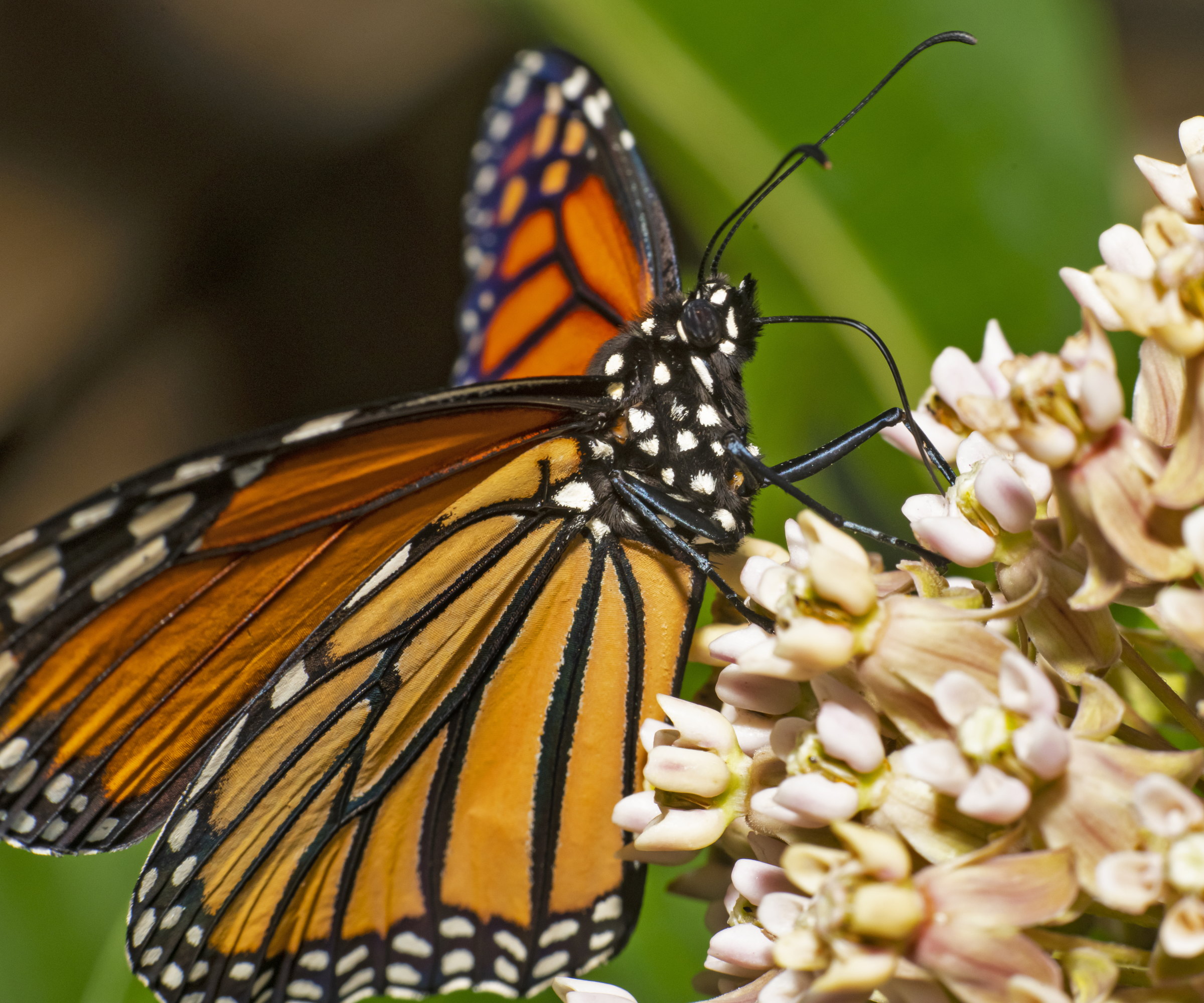
Monarchs are also known as milkweed butterflies because they lay their eggs on this flowering plant
How to Prepare Your Yard for Returning Monarch Butterflies
There’s so much more you can do to help monarchs than simply grow plants for a butterfly garden – though these nectar-rich blooms are an invaluable resource to them.
The actions below may seem simple but they make a huge difference to this threatened population.
1. Plant Milkweed
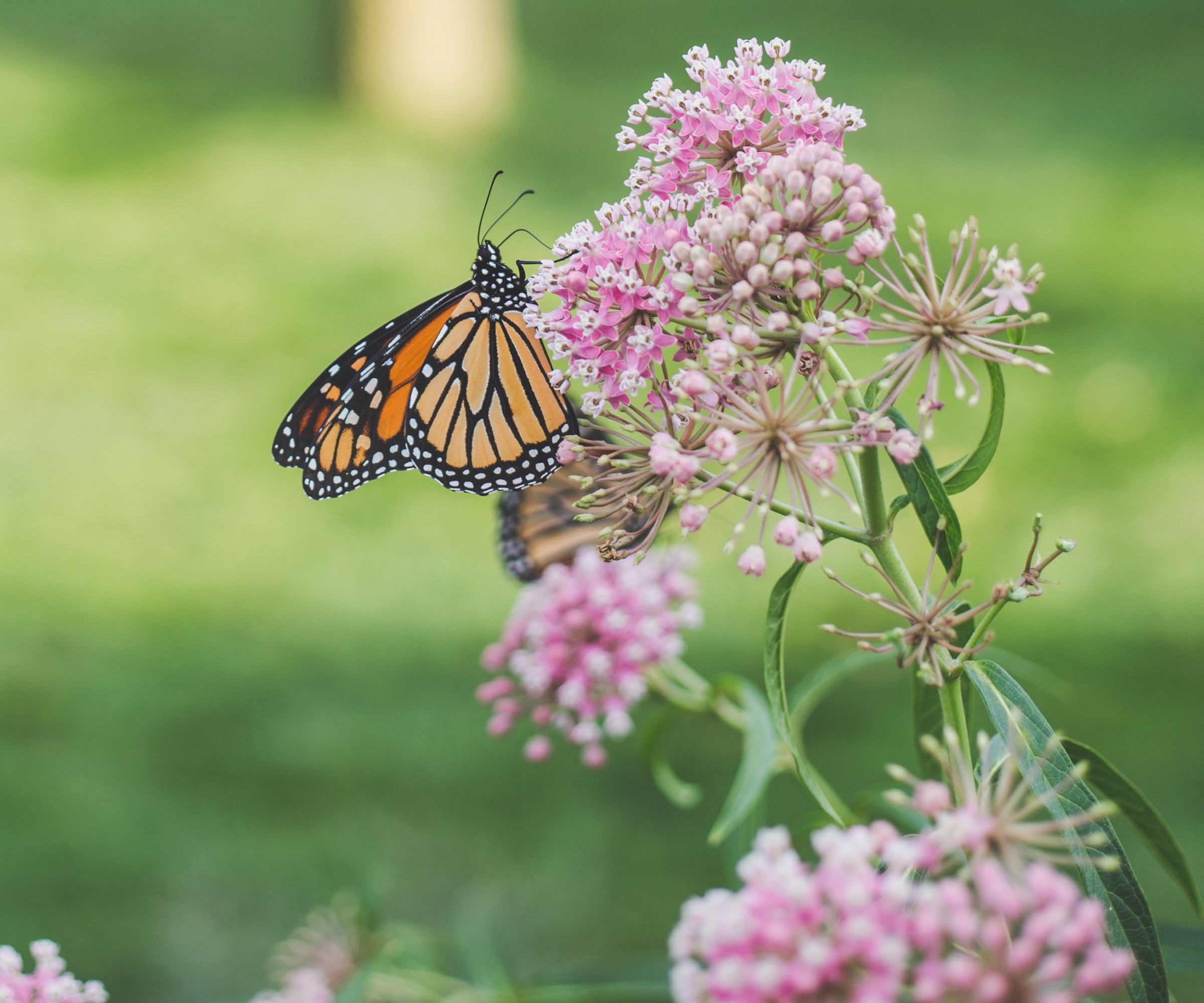
Monarch caterpillars eat milkweed leaves, flowers, and seedpods
(Image credit: Getty Images/Annie Otzen)
It’s no secret that monarchs rely on milkweed, which is why it’s the best plant to get in the ground now for their return.
‘Milkweed is the only plant that the caterpillars of monarch butterflies can eat. As the butterflies move north during their migration, females are on a non-stop mission to find milkweed plants to lay eggs on,’ Tad explains.
For this reason, this pretty flowering plant is a lifesaver for this species.
‘Plant species of milkweed native to your region, and avoid non-native species such as tropical milkweed (also known as bloodflower).
‘Studies have shown that offering multiple species of native milkweed in your garden will lead to more eggs being laid than if all of your milkweed plants were the same species,’ Tad adds.
What to read next
You can find common milkweed at Nature Hills and swamp milkweed at Nature Hills. Or, grow milkweed from these seeds at Burpee, though they need to be started in fall for spring flowering.
 Tad Yankoski
Social Links Navigation
Entomologist
Tad Yankoski is the senior entomologist at the Sophia M. Sachs Butterfly House, a division of the Missouri Botanical Garden, where he oversees invertebrate care and collection management. He specializes in public education on pollinators, insect conservation, butterfly migration trends, and the sustainability of entomophagy.
2. Grow Summer and Fall Wildflowers
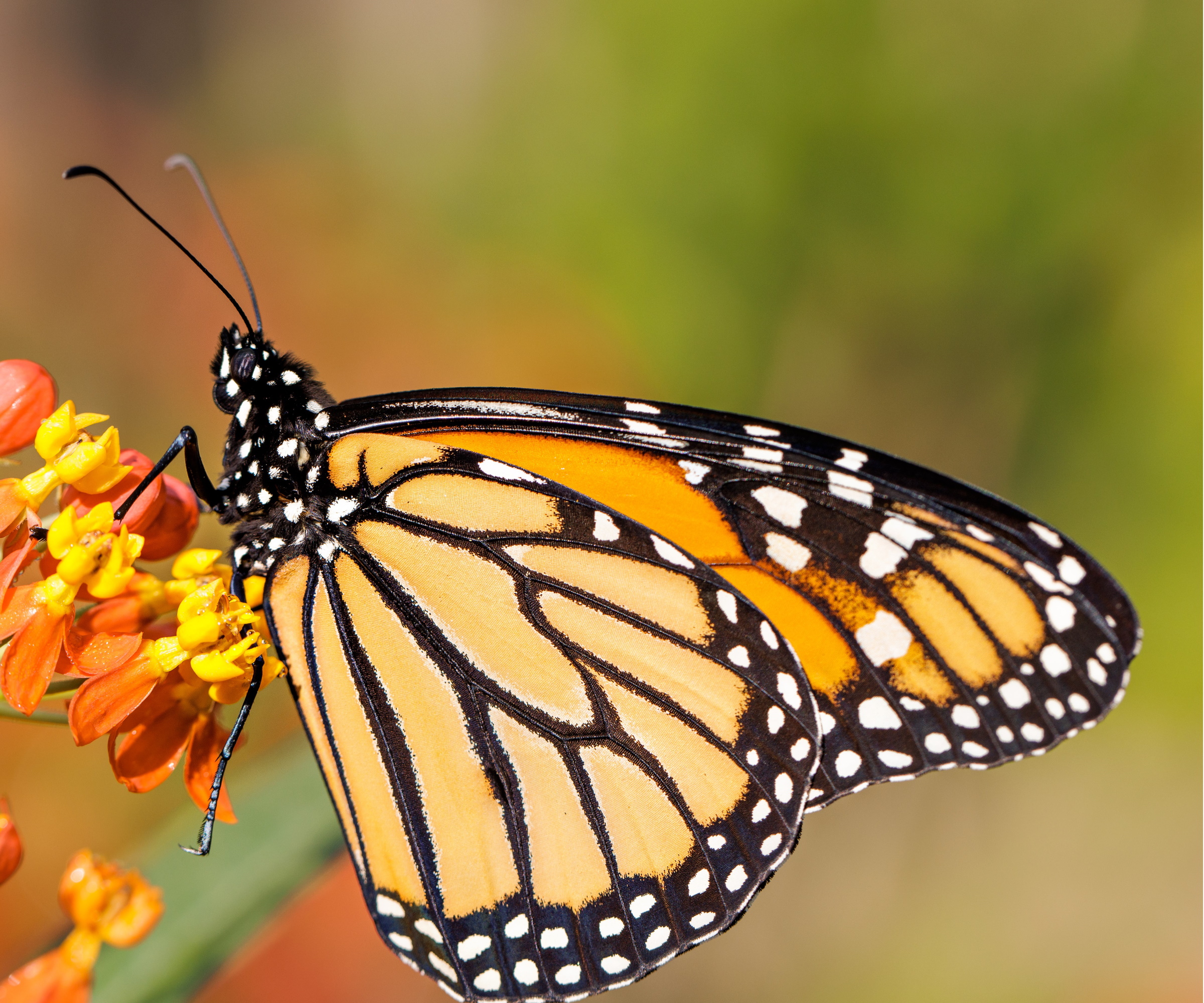
While known for loving milkweed, adult monarchs feed on nectar from a wide range of blooms
(Image credit: Getty Images/Sue Zellers)
While it can be easy to think of spring-flowering plants for pollinators, Tad urges not to neglect the fact returning monarch butterflies will stick around right through to fall.
‘Monarchs need nectar early in the spring, throughout the summer, and into the fall. As you plan your garden, choosing plants that bloom at different times of year will have the biggest impact on these butterflies,’ he explains.
‘Monarch butterflies will sometimes fly hundreds of miles in the spring as they expand northward in their search for milkweed. This is incredibly energy-intensive, so they need to fuel their journey with as much nectar as possible,’ Tad adds.
Luckily, there are plenty of wildflowers to choose from. Alongside milkweed for spring, you can grow coneflowers (you can find seeds at Burpee) for summer, and Joe Pye weed (you can find seeds on Amazon) for blooming into fall. This butterfly wildflower mix from Amazon has 16 varieties to grow.
‘One monarch butterfly may fly over 2,000 miles during its fall migration. They need nectar all along their route to successfully complete their journey,’ Tad notes. ‘As you think about your garden, consider including plants such as asters that bloom in the fall,’ he suggests.
When making your selection, consider native planting in your local area. This is the best way to support beneficial insects of all kinds.
3. Keep Monarch Caterpillars Safe
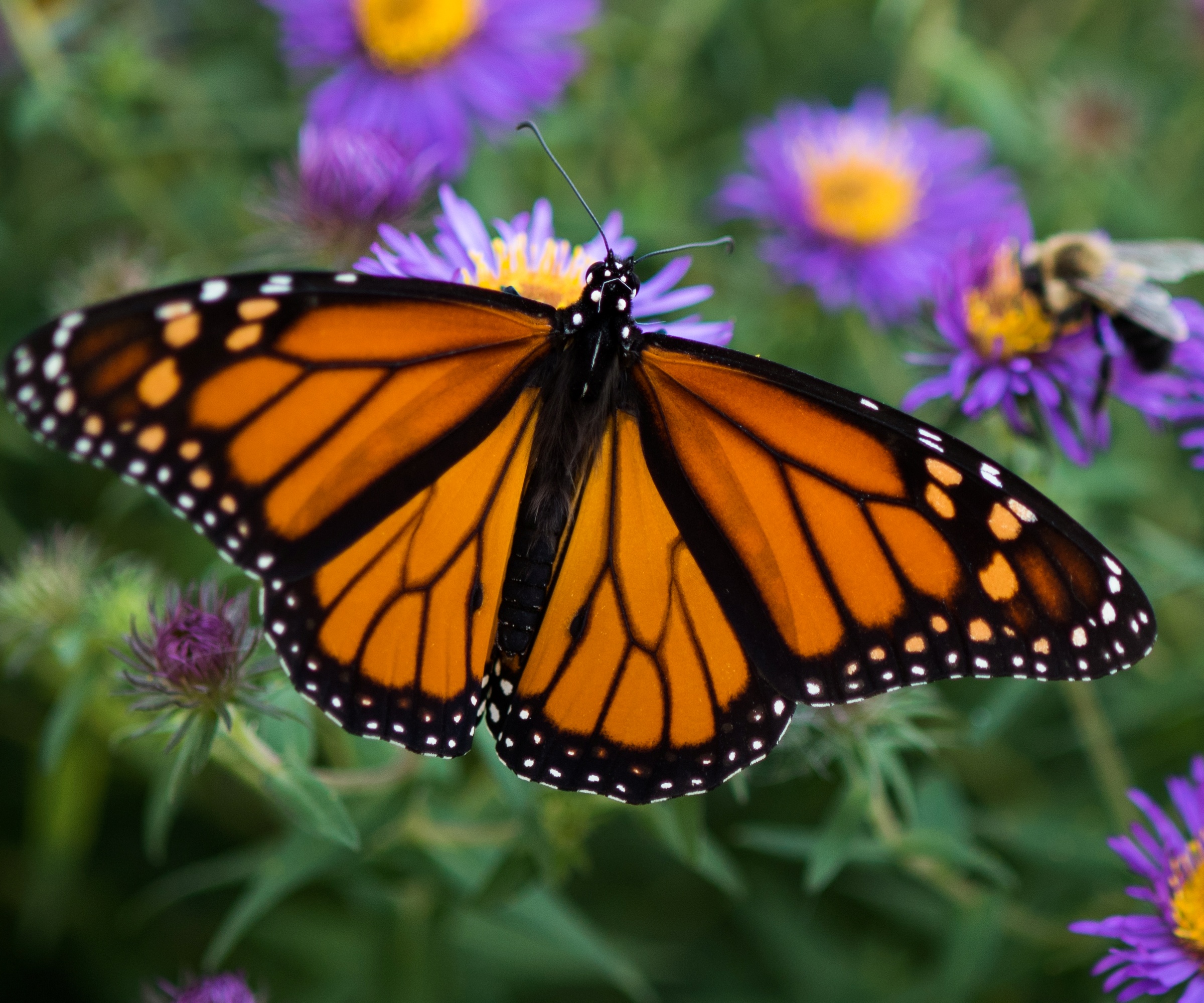
Monarch caterpillars eat milkweed as a natural defence, as they become toxic to predators by storing the plant’s toxins in their bodies
(Image credit: Getty Images/Teddy Yaegar Photography)
Monarch migration lines up with the time in which females lay their eggs. The emerging caterpillars need crucial protection in your yard to ensure they survive.
‘As monarchs spread northward each spring, they lay eggs on milkweed along the way. There are ways you can make your garden a safer and more welcoming place for developing monarch caterpillars,’ Tad says.
‘Many pesticides on the market are incredibly toxic to insects, with some chemicals taking as little as billionths of a gram to kill a caterpillar. Additionally, many pesticides may remain lethal for days, weeks, or even months after application.
‘Reducing or eliminating pesticide use can make your garden a safer habitat for all native insects, including monarch butterflies and their caterpillars,’ he explains.
If you are experiencing spring garden pests, turn to natural pest control methods instead. This includes planting pest-repellent plants and using ladybugs (which you can purchase from Amazon) to take care of aphids for you.
‘You should also reduce light pollution at night for monarch caterpillars. Studies have shown that even small amounts of man-made light, such as from a porch light or street lamp, can dramatically increase the amount of nocturnal predation that happens to caterpillars,’ Tad says.
FAQsDo Monarch Butterflies Need Shelter?
Yes, monarch butterflies seek shelter for protection from predators at night, especially important to protect their delicate wings. You can provide this in your yard with plenty of dense shrubs, trees, and ornamental grasses.
While commercial wooden butterfly houses are a charming idea, the reality is not many butterflies use them, as they can actually attract predators like wasps and spiders.
If you’re keen to support butterflies more widely, consider planting a butterfly border in your yard full of their favorite blooms.
Love inspiring garden ideas, outdoor advice, and the latest news? Sign up for our newsletter and get the latest features delivered straight to your inbox.
Shop Pollinator Gardening Essentials
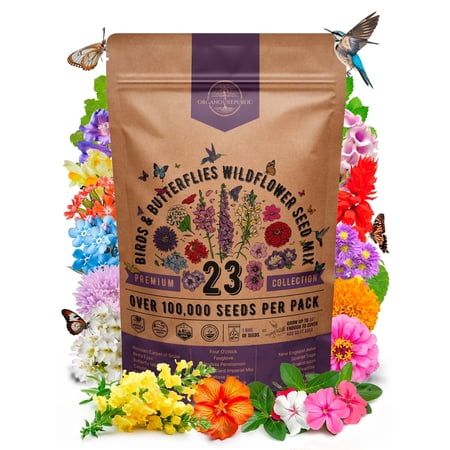
Wildflower Seeds for Pollinators
This pack of wildflower seeds for pollinators has 23 different varieties, with a mix of annuals and perennials.
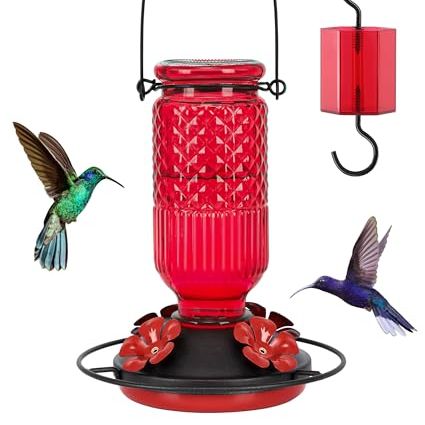
This feeder is specially designed for hummingbirds seeking nectar. Its red to attract their attention and has multiple feeding ports.
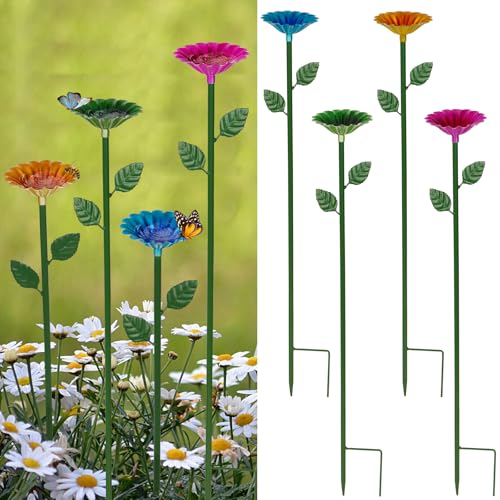
Pollinator Watering Stations
These pollinator watering stations can be inserted into garden borders to provide bees, butterflies, and more with water.
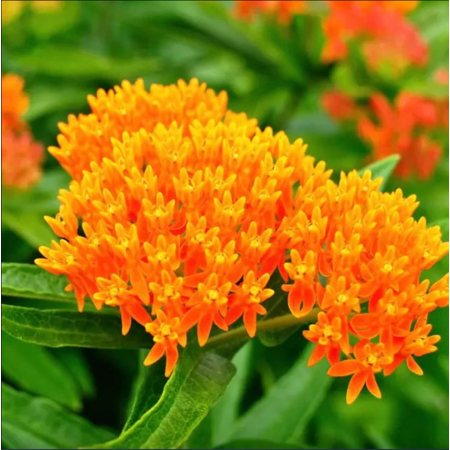
Orange Milkweed Starter Plants
This orange milkweed is an excellent resource for monarch butterflies, who seek it to lay their eggs and support caterpillars.
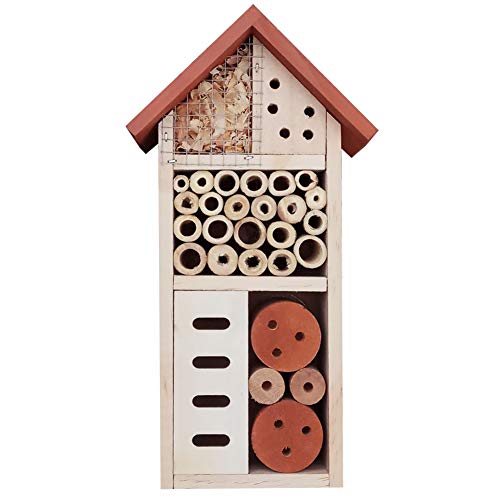
This wooden insect house has lots of cervices for beneficial insects to find shelter in. It’s weatherproof for many years of use.
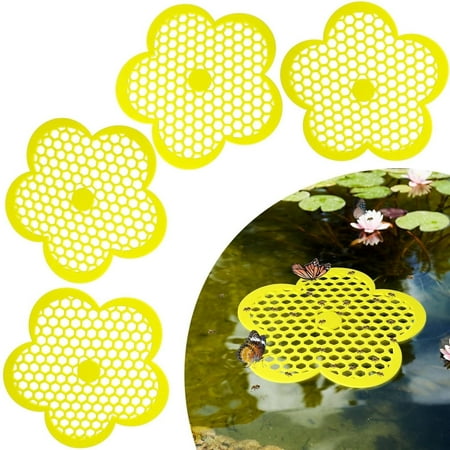
Place these floating bee islands in a bird bath or pond for pollinators to sit on for drinking.
Comments are closed.