

There’s something almost magical about that first burst of daffodils. Those cheerful faces breaking through after lingering cold and grey periods, reminding us that warmer days really are coming.
Which makes it all the more heartbreaking when March arrives and you’re left staring at bare stems.
What you’re experiencing is called daffodil blindness.
According to the RHS, daffodil blindness describes a situation where bulbs produce healthy leaves but fail to flower. Newly planted daffodil bulbs typically flower well in their first spring, but flowering can decline in later years even when foliage still appears healthy. In most cases, the bulbs aren’t dead – they’ve simply exhausted their stored energy.
The good news is, according to gardening experts, the fix is surprisingly simple.
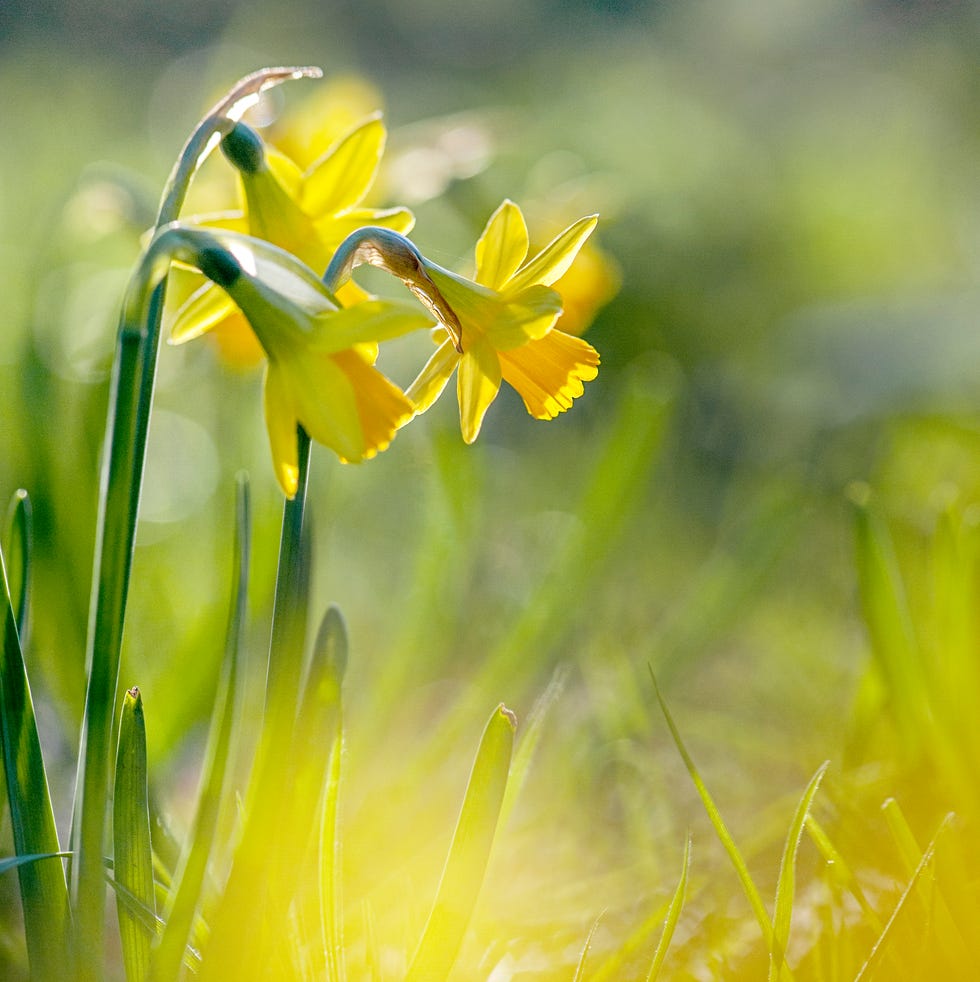

Jacky Parker Photography//Getty Images
The 6-week rule to recover
According to Elise Harlock, floral expert at Prestige Flowers, the biggest cause of daffodil blindness is something most home gardeners do without realising the damage.
“The biggest cause of daffodil blindness is cutting back the foliage too soon,” Harlock explains. “Those fading green leaves may look messy, but they’re the plant’s only way of storing energy for next spring’s flowers. When they’re removed early, the bulb is left depleted and can’t produce flowers the following year.”
So what’s the fix? Leave the foliage in place for at least six weeks after flowering, and feed with fertiliser and water when needed. “Most gardeners who give their bulbs this recovery window see blind daffodils return to full flowering,” Harlock says.
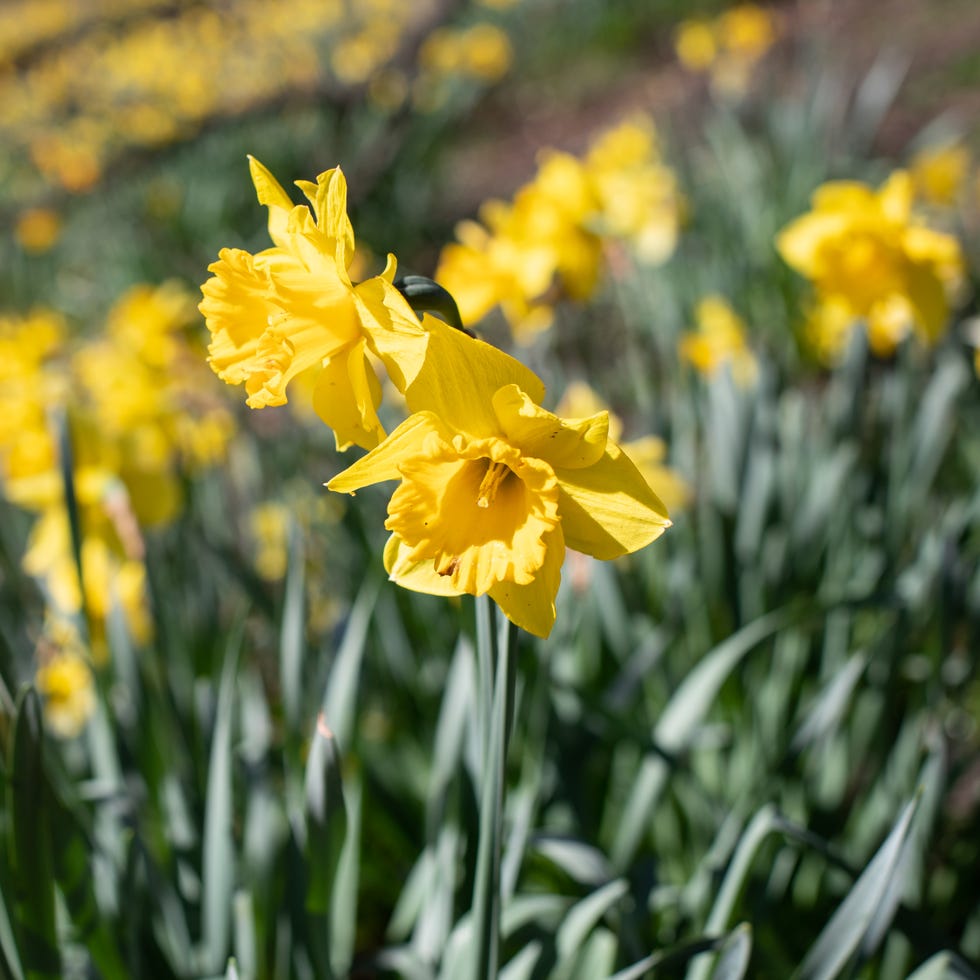
Geraint Rowland Photography//Getty Images
If your daffodils are already declining
If you’re already seeing signs of weakness in your daffodils, Harlock’s immediate advice is simple: “If daffodils are looking weak or sparse, the most important thing you can do is feed them immediately with fertiliser and leave every leaf exactly where it is. Even flopped or fading foliage is still sending energy back to the bulb, and removing it now will only make next spring’s display worse.”
Once the foliage has died back naturally, check if the clump looks overcrowded or shaded. If it does, mark the spot and plan to lift and divide it once the leaves are completely gone.
Can you revive blind daffodils?
The short answer: yes. “Blind daffodils look defeated, but they’re surprisingly easy to revive,” Harlock notes. “In most cases, the bulb is just hungry, crowded or overshadowed rather than dead.”
Once the foliage has died back naturally, lift the bulbs gently, separate any congested clusters, and replant them in a brighter spot with a little added nourishment. “Even long-neglected clumps often bounce back within a season or two,” Harlock says. You almost never need to start from scratch – daffodils are resilient plants that reward a bit of extra care.
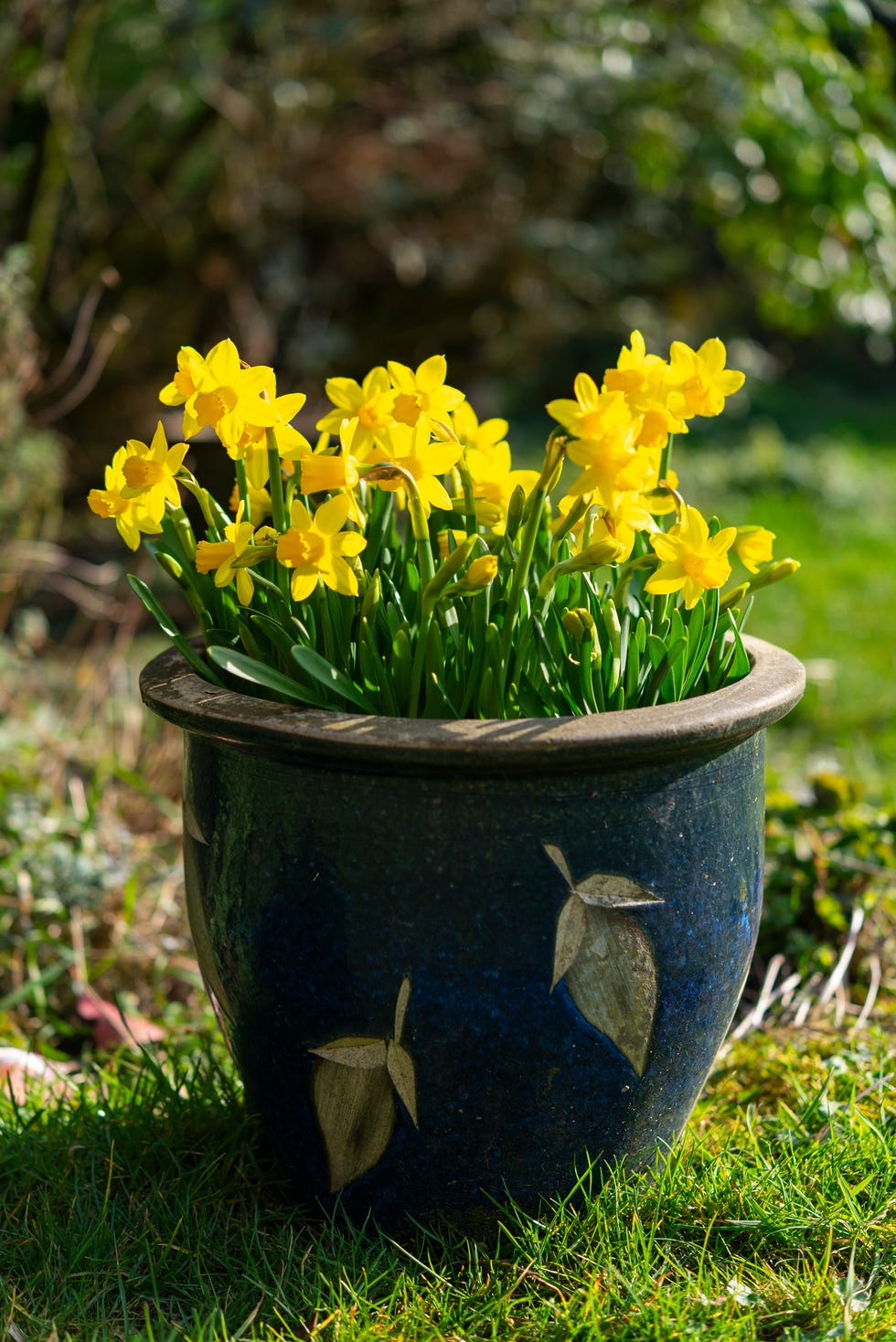
Photos by R A Kearton//Getty Images
The best daffodil varieties for reliable flowers
Not all daffodils behave the same. Some highly bred varieties, especially large double or frilly blooms, can be more temperamental and prone to blindness.
If you want reliable results year after year, Harlock recommends classic, hardy varieties such as:
CarltonTête-à-TêteFebruary GoldIce Follies
These varieties are known for their strong growth, resilience and dependable flowering.
Daffodil blindness isn’t a reason to give up on your bulbs. With a little patience and the six-week foliage rule, you’ll have reliable flowers blooming year after year.
The artisan garden edit Acqua Garden Rose Plant ‘Special Anniversary’ Full Plants in 5 Litre Pots
 Recycled Leather Personalised Garden DiaryCredit: Country Living Marketplace
 Cherry Plum Garden Gift BoxCredit: Country Living Marketplace
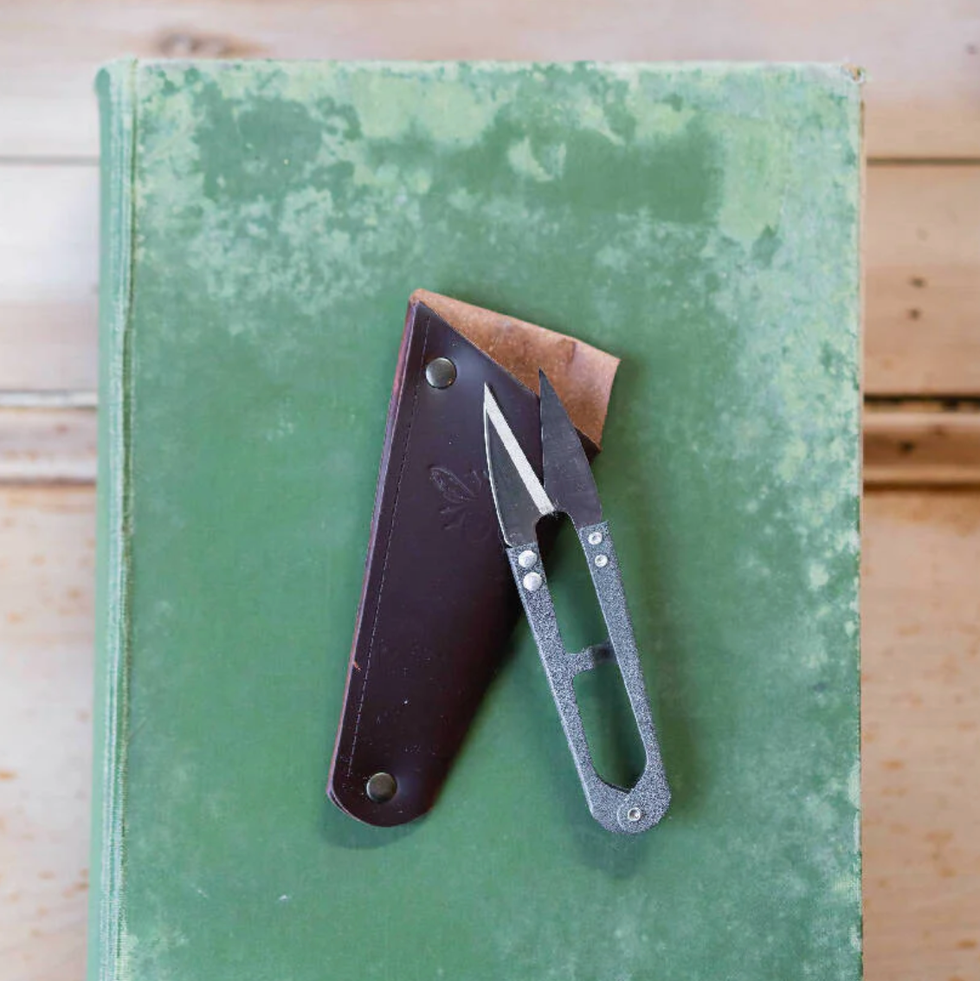 Garden Snips in Leather PouchCredit: Country Living Marketplace
 Country Cut Flowers Small 15cm Rope Spring Wreath
 Filberts of Dorset Gardeners Hand Salve
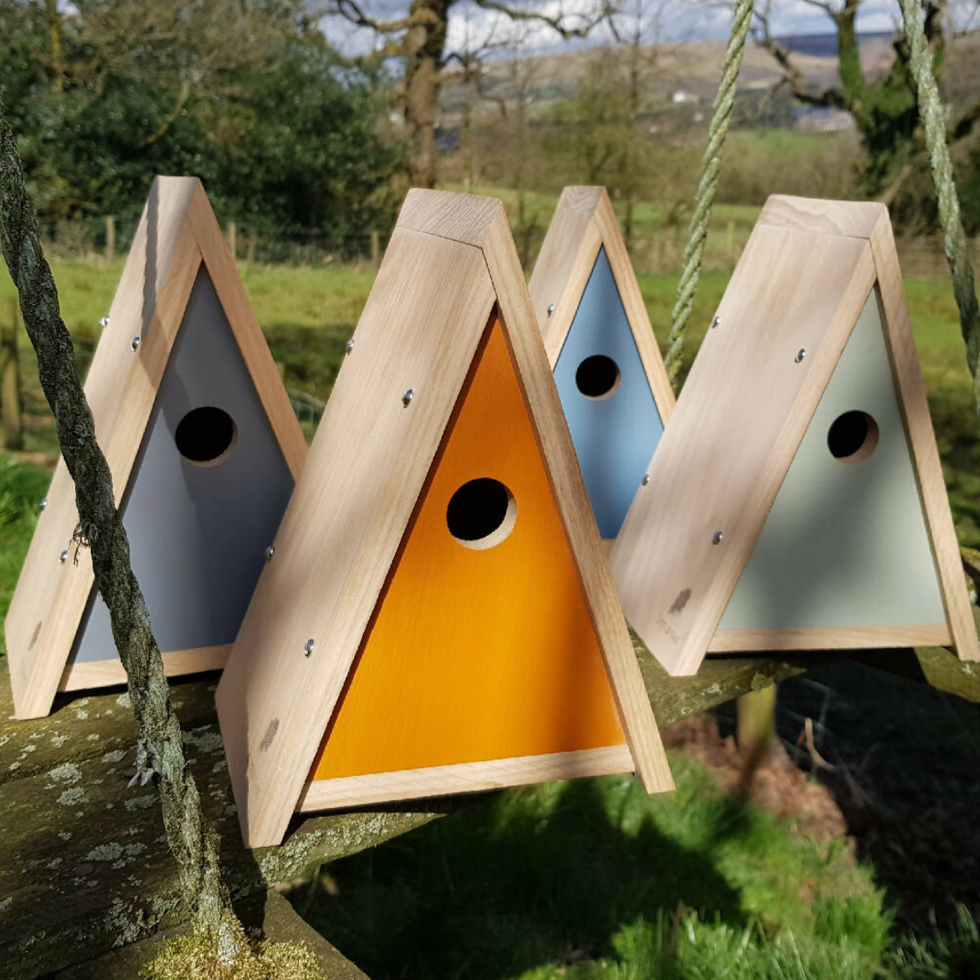 Painted Oak Bird BoxCredit: Country Living Marketplace
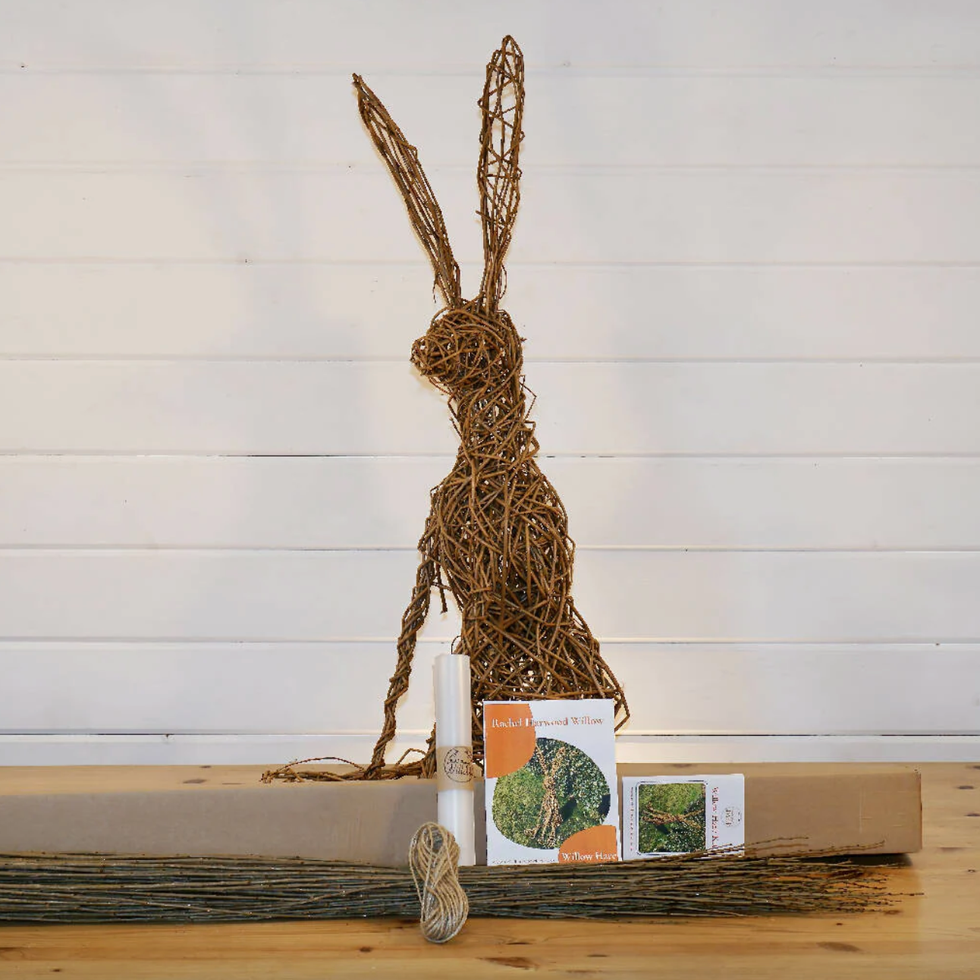 Willow Hare KitCredit: Country Living Marketplace
 Ceramic Poppy Seed Head in Six Colour OptionsCredit: Country Living Marketplace
Comments are closed.