
Key Points
Oversized planters or the wrong soil can cause root rot and weak growth.Repot in the proper season and handle roots gently to avoid shocking the plant.Keep soil loose and airy so roots can breathe and drain well.
Repotting a plant may seem like an easy task, but you actually could be making mistakes that could dramatically impact your plant’s overall well-being.
From choosing the wrong pot size to the incorrect type of soil, you might inadvertently be contributing to your plant’s poor health.
So, we chatted with experts to find out what common repotting mistakes you should avoid and how to fix them.
Meet the Expert
Brenna Estrada is a flower farmer at Three Brother Blooms and an author.
Valeria Nyman is a chief product officer at Taim.io, a platform that helps people grow their own food.
Nicole Young is a gardener and social media manager at Greenspace Plants.
The Planter Is Too Big
When repotting to a larger pot, it is possible to go too large.
According to flower farmer Brenna Estrada you could unknowingly be putting the roots at risk for root rot due to excess waterlogged soil, making it hard for your plant to absorb enough nutrients.
In fact, plants like a little snugness. If you move them from a tiny plastic cup to a cavernous pot, their roots get lost.
“The plants focus on filling space instead of growing strong,” Nyman says. “Think of it like getting a slightly bigger pair of shoes, not moving into an empty warehouse.”
Instead, you want to size up gradually, getting a planter that is one to two inches bigger at a time.
The Soil and Plant Are Incompatible
Credit:
Westend61 / Getty Images
When repotting, always make sure you have the right potting soil. Some plants require good drainage, others require moisture retention, Estrada says.
So, some plants may want sandy soil, or they may need more organic matter. This is especially true if repotting vegetables.
“For most plants, a general potting mix is best, but for growing veggies, you may want to choose a more nutrient-rich potting mix to ensure your veggies get all the nutrients they need to thrive,” gardening pro Nicole Young says.
If repotting vegetables, avoid dry, sandy mixes meant for cacti and succulents. These will not provide enough of the nutrition and moisture that veggies need to thrive.
It’s the Wrong Time to Repot
Believe it or not, certain plants can go into shock if their root system is disturbed during their growth period. Estrada recommends taking your time when repotting dormant plants, usually in the winter.
Besides looking for the signs that your plant needs repotting, you’ll need to think about your plant’s growth period. Determining the best time to repot a plant will depend on its growth season, which can vary, so always check with your local plant nursery to decide what is best for your plant.
If your plant isn’t dormant at the time of repotting, take extra care with the roots, says Estrada, gently loosening any bound root balls when necessary.
The Roots Are Disturbed
Credit:
Andrey Zhuravlev / Getty Images
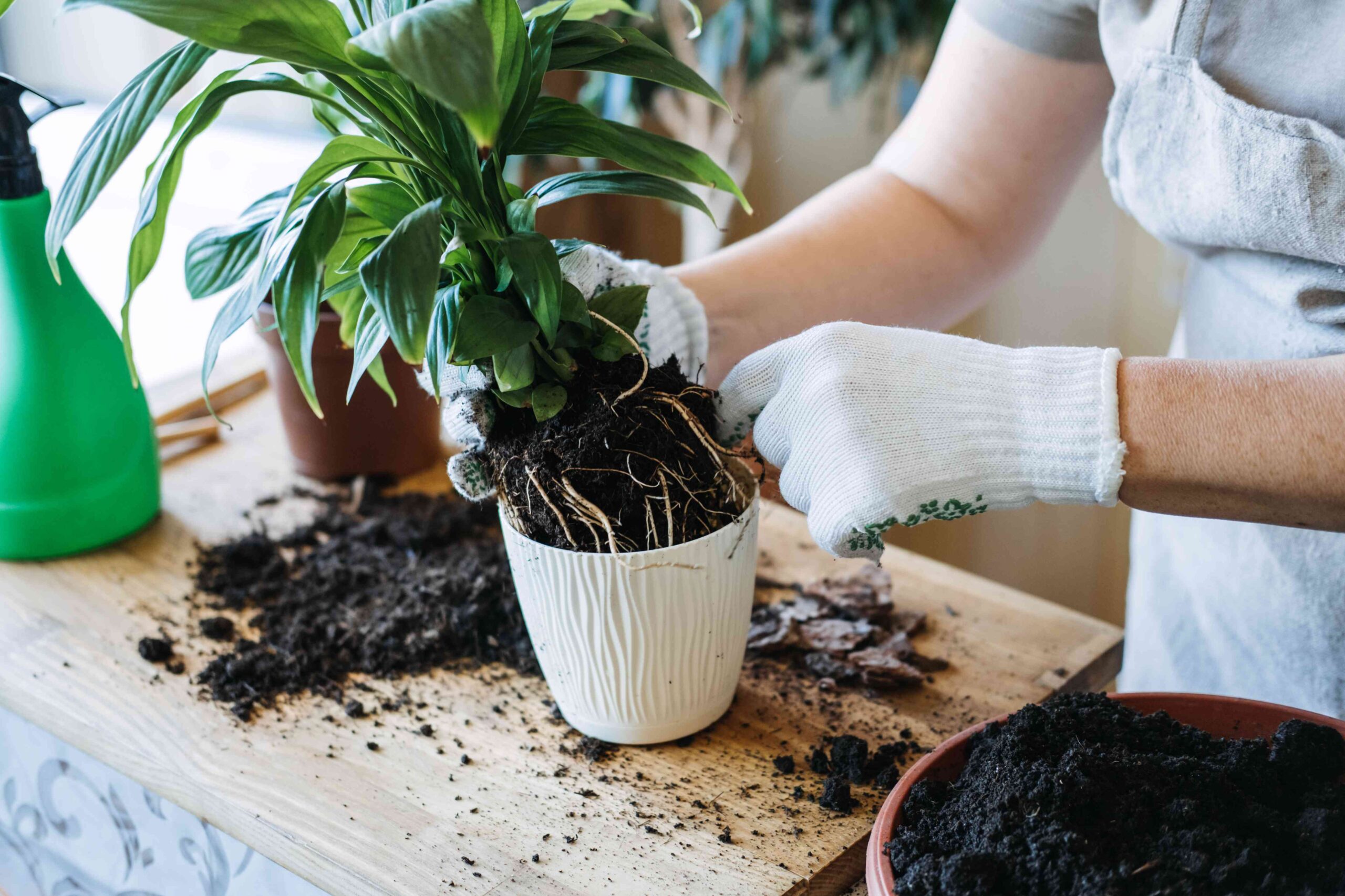
Even when repotting during the right period, it is possible to disturb the plant’s roots too much.
“I see people yanking plants out, shaking off all the old dirt, even trimming roots like they’re giving a haircut,” Nyman says. “Unless it’s root-bound, this is sheer trauma for the plant.”
Instead, gently tease out roots if they’re tangled but keep that familiar soil around them. Plants like to keep some of the old, familiar soil around them when being repotted to make the experience less jarring.
The Soil Is Compacted
When repotting your plant, avoid overpacking the soil. Compacted soil suffocates roots, Nyman says.
“People pat the dirt down hard, thinking they’re giving the plant a firm foundation, but really, they’re cutting off the oxygen supply,” she says.
Instead, let the soil remain loose and airy. This way, when you water your newly repotted plant, the water can settle inside the pot naturally. This will help you avoid both root rot and waterlogged soil.
Comments are closed.