
1Daffodils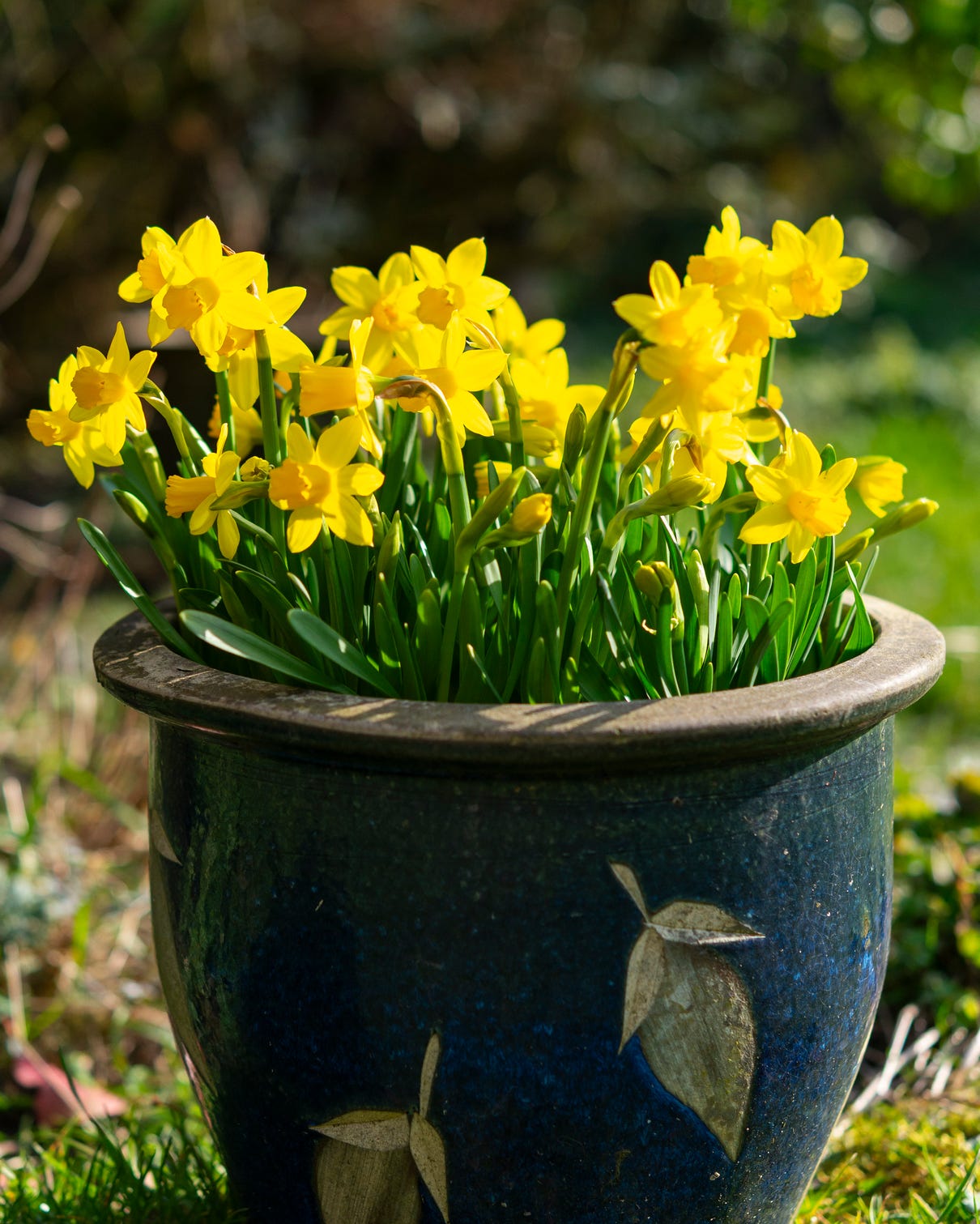 Photos by R A Kearton//Getty Images
Few flowers are more closely linked with Easter than daffodils. Their cheerful yellow trumpets appear across gardens, parks and hedgerows in early spring, instantly brightening borders and containers after winter.
Hardy and easy to grow, they return year after year with very little effort.
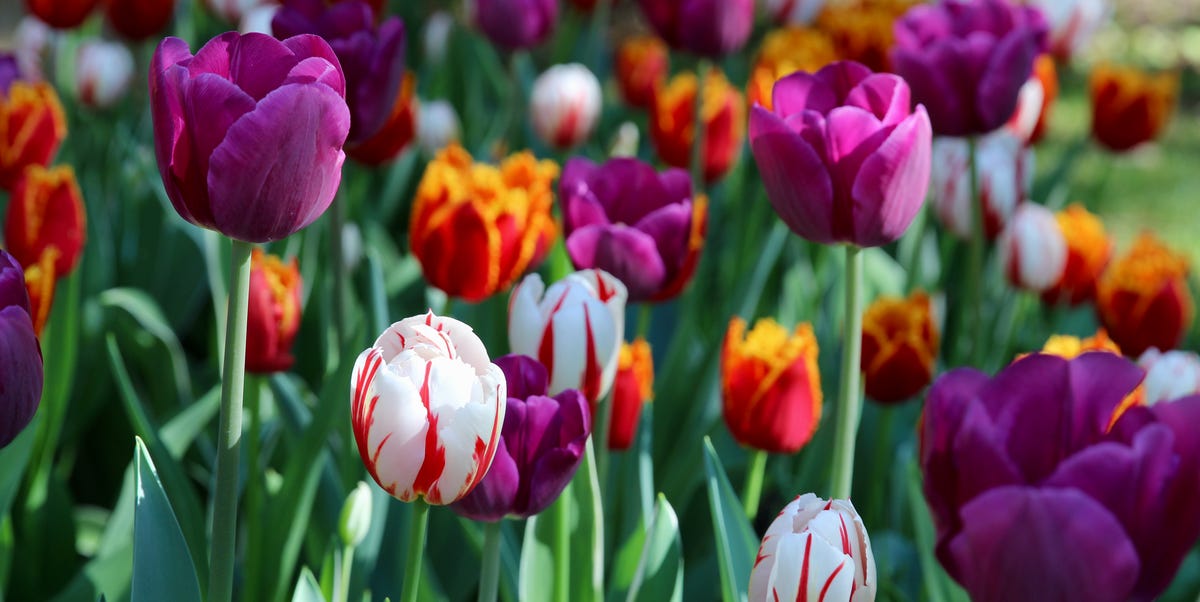
2Tulips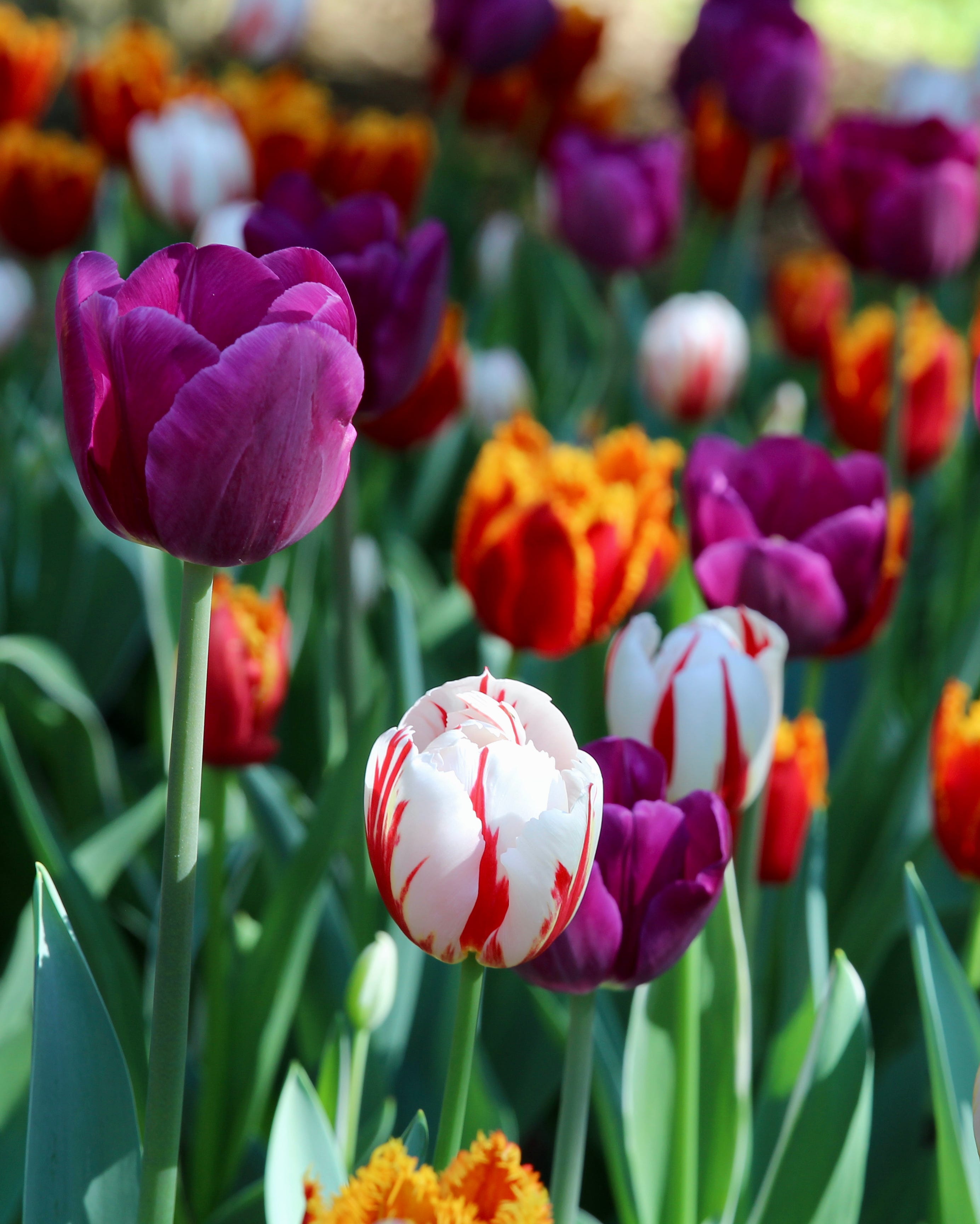 Cyndi Monaghan
Tulips begin to appear typically just as Easter approaches, bringing their bold, distinctive colours to beds and pots.
From soft pastels to vibrant reds and purples, they’re perfect for creating eye-catching spring displays in cottage gardens and patio containers – and look beautiful loosely bundled together in a jug on the table, too.
Advertisement – Continue Reading Below
3Primroses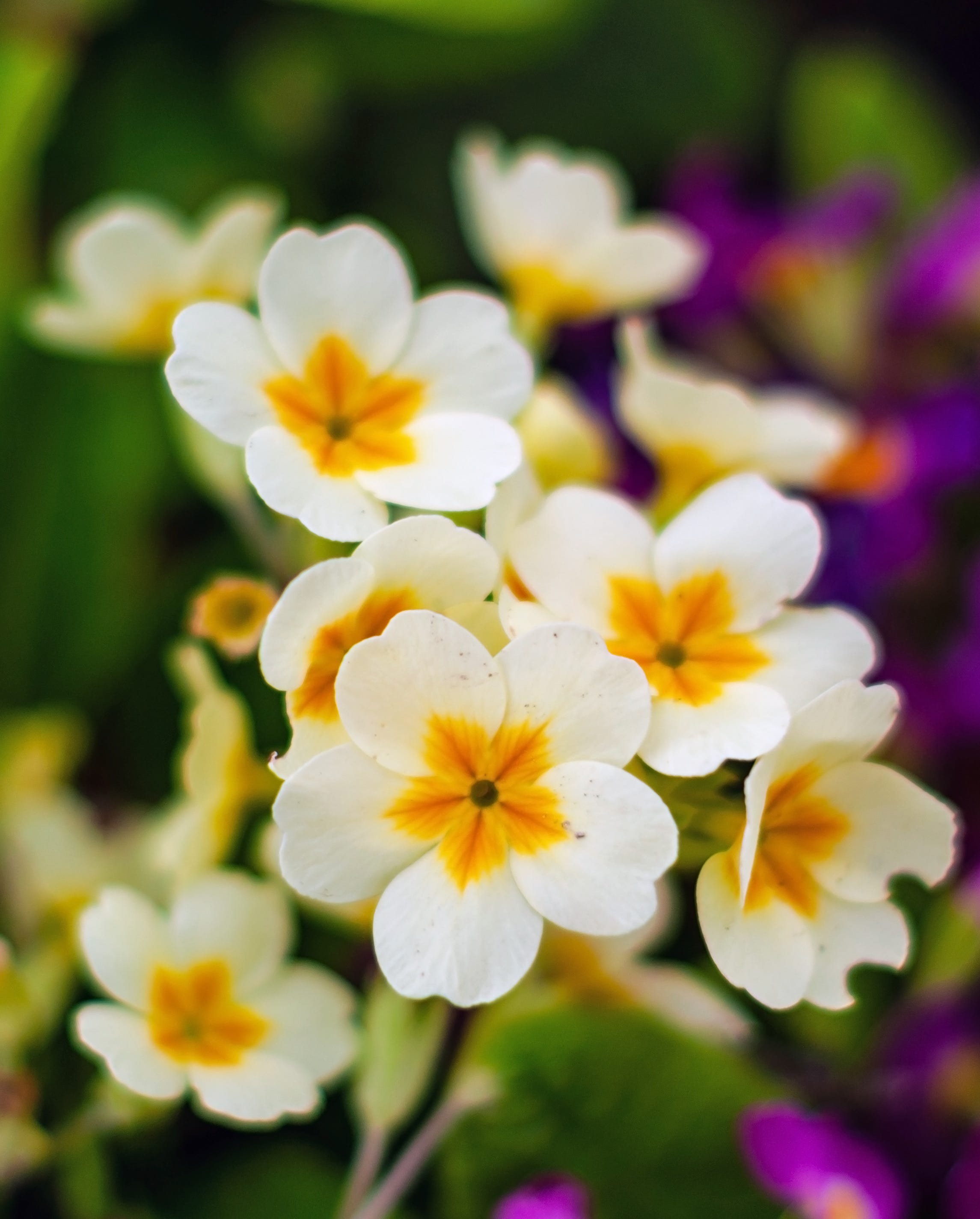 LeliaSpb//Getty Images
A true hallmark of spring, primroses are among the earliest flowers to bloom.
Their delicate, pale yellow petals and bright centres brighten shady borders, woodland gardens and lawns, and they’re particularly loved for their natural, countryside charm.
4Hyacinths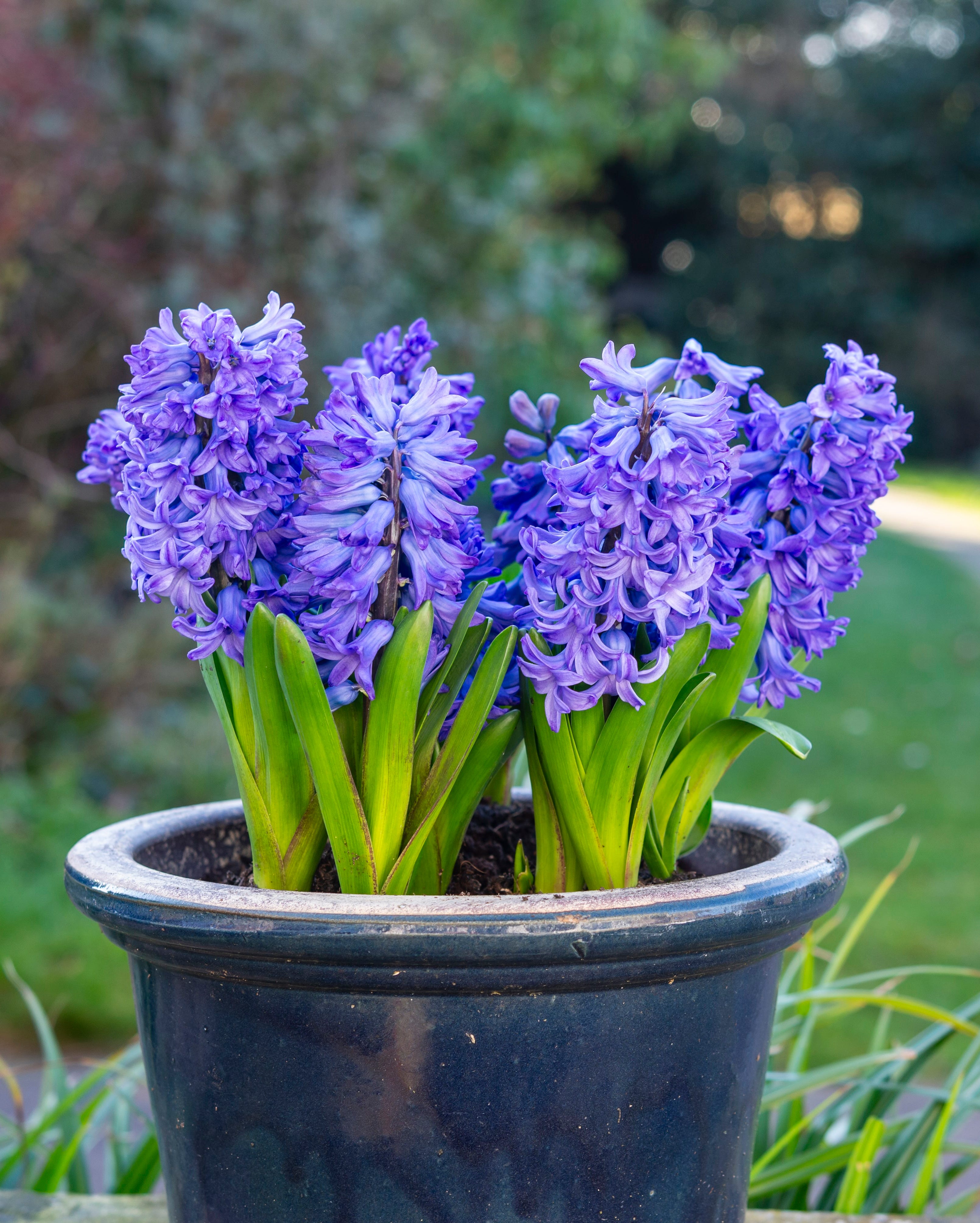 R A Kearton // Getty Images
Pictured here in their gorgeous ‘Blue Delft’ variation, and renowned for their rich fragrance, hyacinths produce dense clusters of star-shaped flowers in shades of blue, pink, purple and white. They’re a favourite for Easter displays, thriving both in garden beds and decorative pots near the front door.
Advertisement – Continue Reading Below
5Hellebores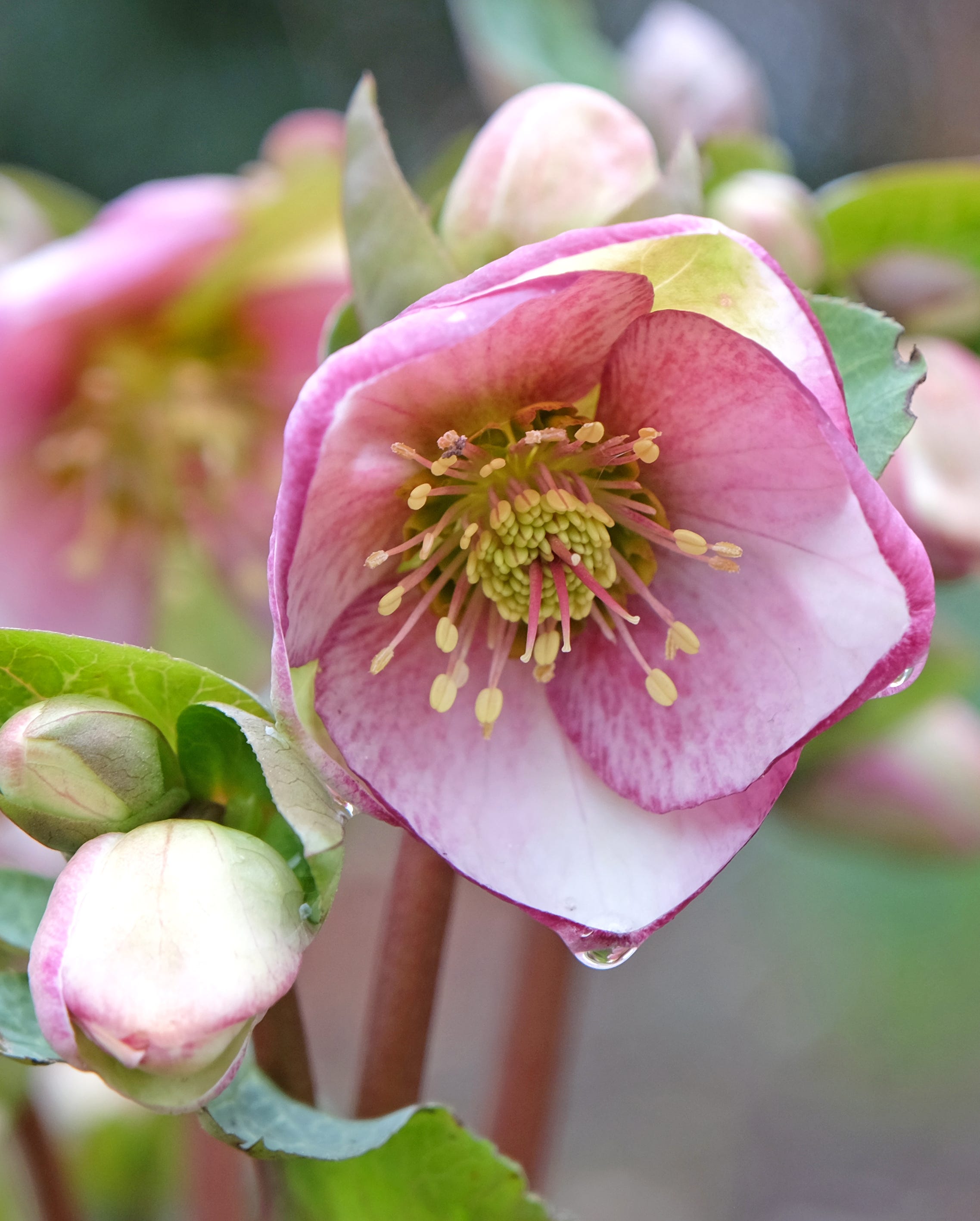 Alex Manders // Getty Images
Also known as the snow rose, hellebores often flower from late winter through early spring, meaning they’re still in bloom around Easter. Their nodding, cup-shaped flowers come in soft shades of cream, pink, green and plum, making them a beautiful addition to a spring garden coming to life.
6Grape hyacinths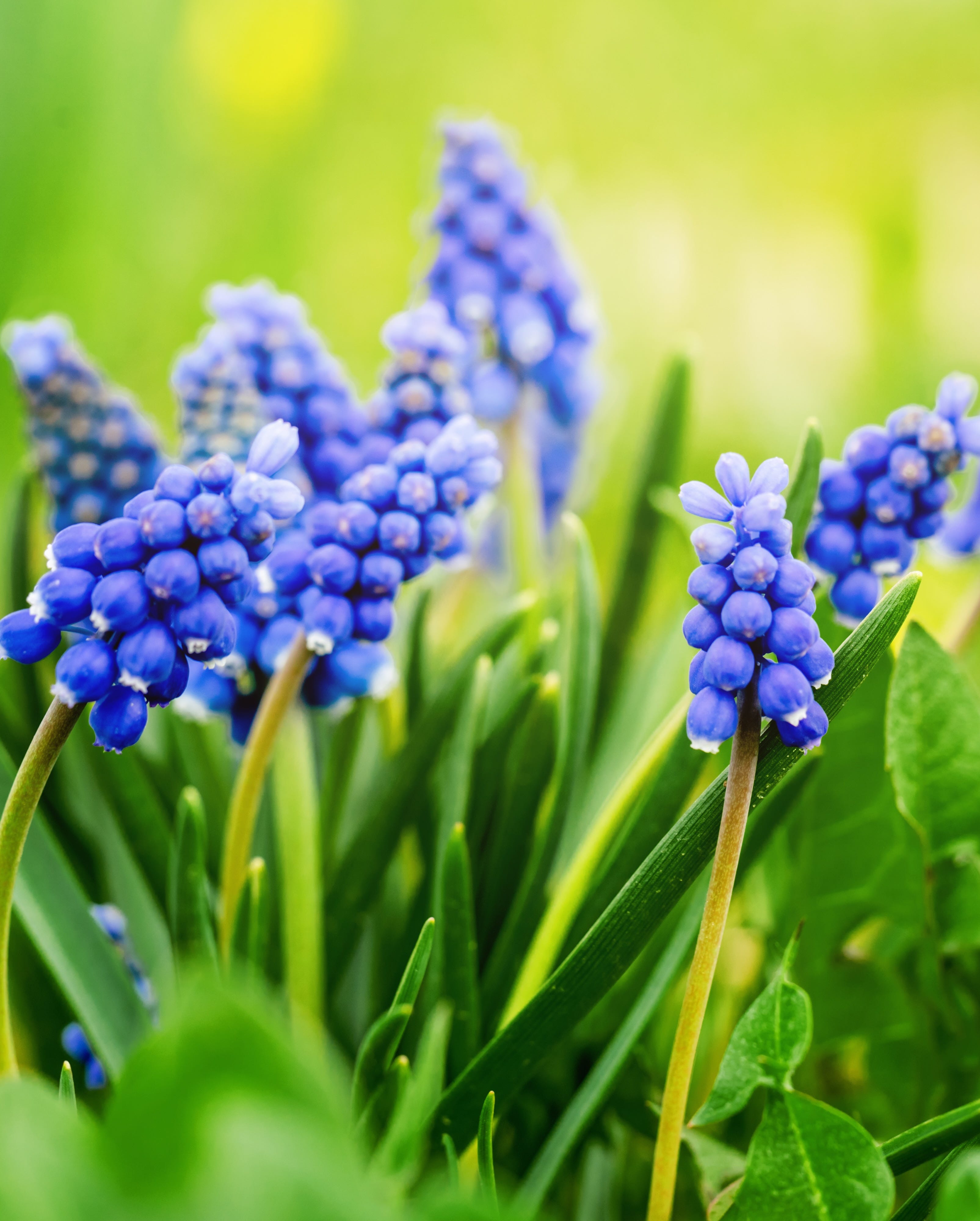 Tatiana Sviridova
Almost resembling a bluebell hyacinth hybrid, these dainty little flowers form clusters of tiny blue, grape-like bells that give them their name.
They’re perfect for edging borders, naturalising in lawns or planting beneath trees, where they create a carpet of colour in early spring.
Advertisement – Continue Reading Below
7Anemones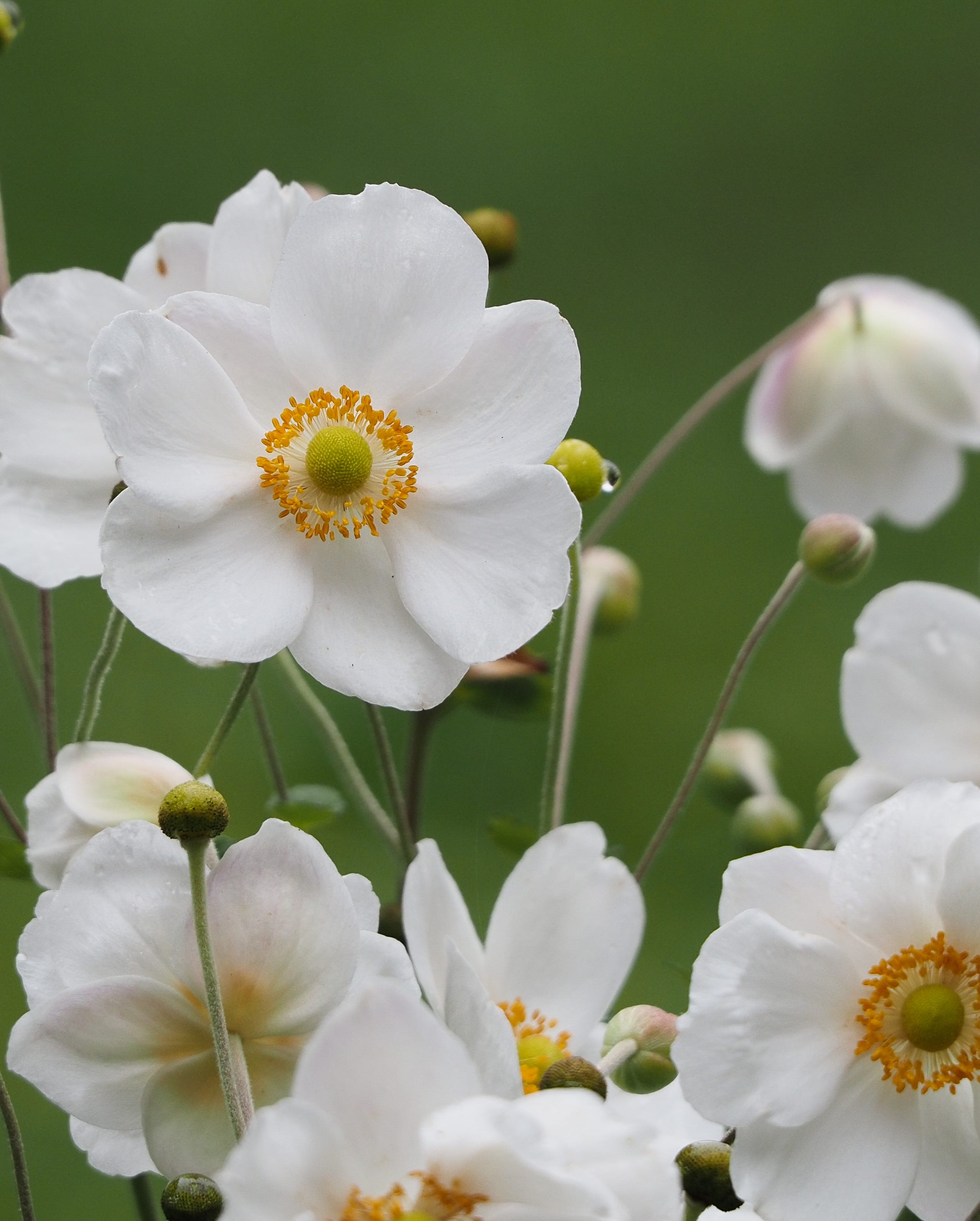
Often called windflowers, these milky blooms appear in early spring in soft, pastel shades of blue, pink and white. They’re well-suited to woodland gardens and look especially lovely when planted in large drifts beneath trees or shrubs.
8Forget-Me-Nots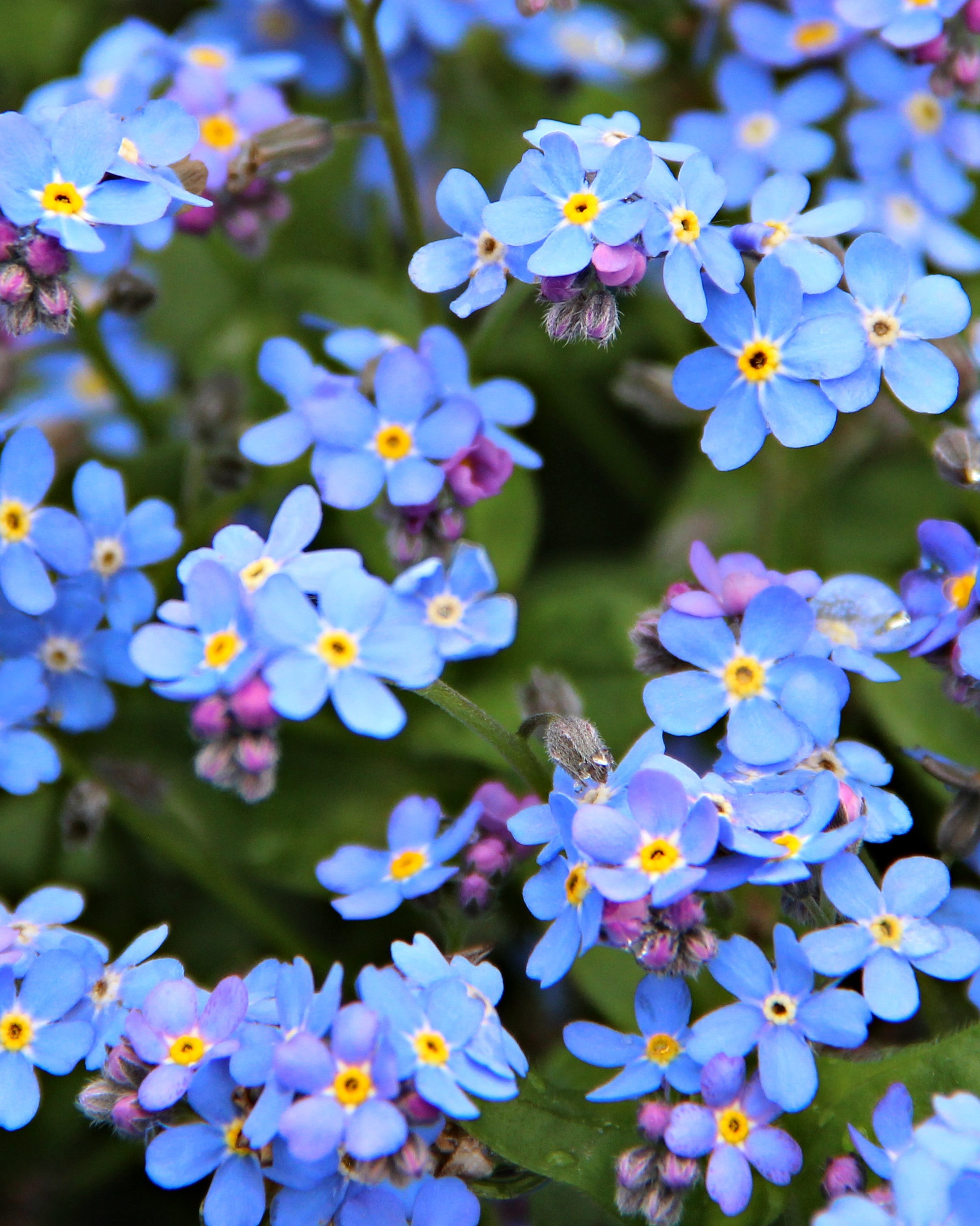 Jasenka Arbanas//Getty Images
With their tiny sky-blue flowers and yellow centres, forget-me-nots create a delicate haze of colour in spring gardens. They pair beautifully with tulips and daffodils, weaving through borders and softening larger plantings with a ditsy floral feel.
Advertisement – Continue Reading Below
9Wallflowers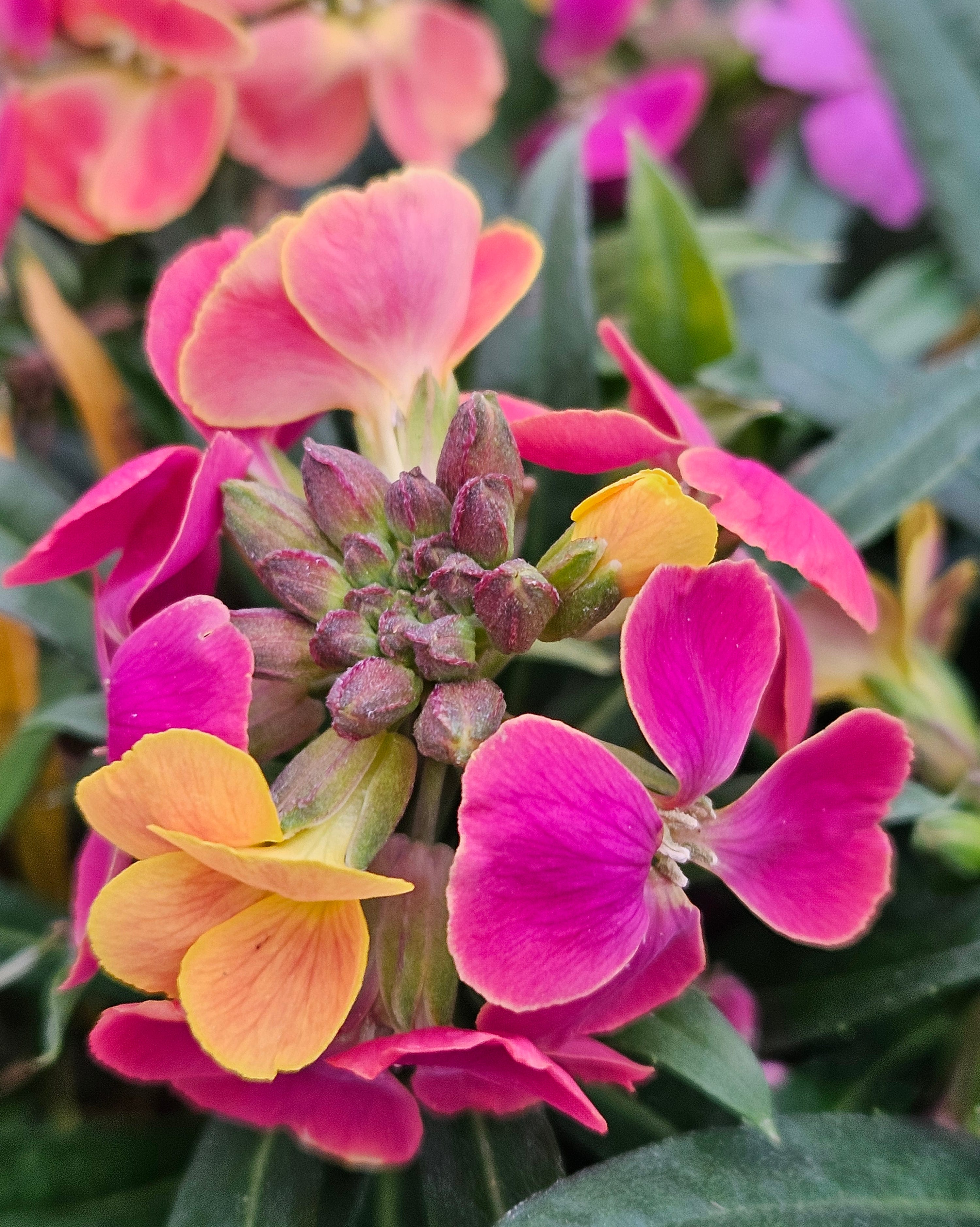 Dexter
Wallflowers are a staple of traditional British spring bedding displays. Their warm tones – from golden yellow to deep burgundy – are rich and distinctive, while their sweet fragrance attracts early pollinators.
10Bluebells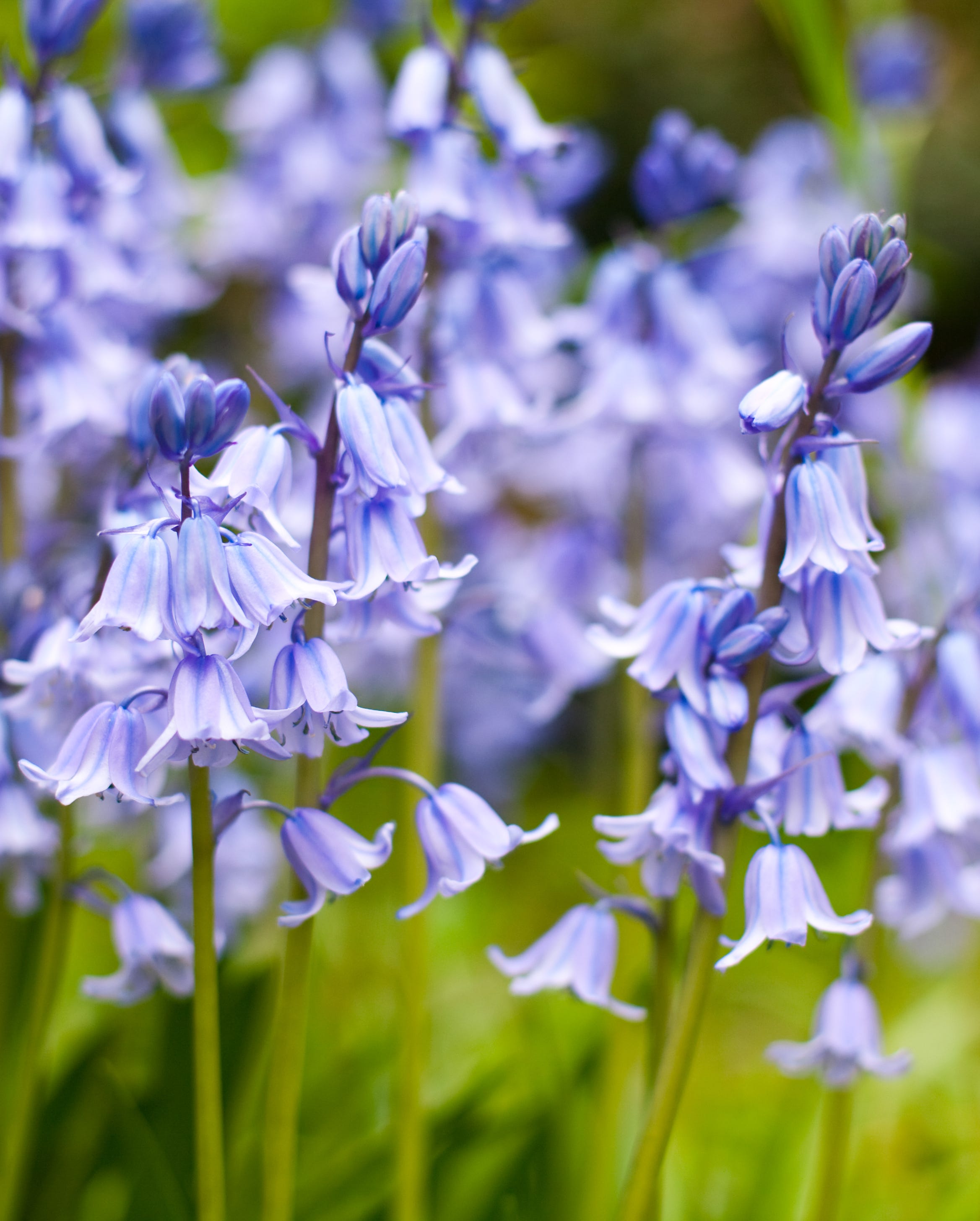 TylaArabas//Getty Images
Usually after Easter (though occasionally sooner if they’re early), bluebells begin to appear in woodland gardens. Their graceful periwinkle bells create one of the most magical and romantic spring displays in the British countryside.

Homes Writer, House Beautiful and Country Living
Maddy is the Homes Writer at House Beautiful UK and Country Living UK, where she can be found writing about the latest interiors news and collating inspiring trend edits. She has previously worked for Good Housekeeping, Prima and Red, and has an MA in Classics and Ancient History from the University of Manchester and a BA in English Literature and Creative Writing from the University of East Anglia, where she was the editor-in-chief of the student newspaper.
Advertisement – Continue Reading Below
Advertisement – Continue Reading Below
Advertisement – Continue Reading Below
Comments are closed.