
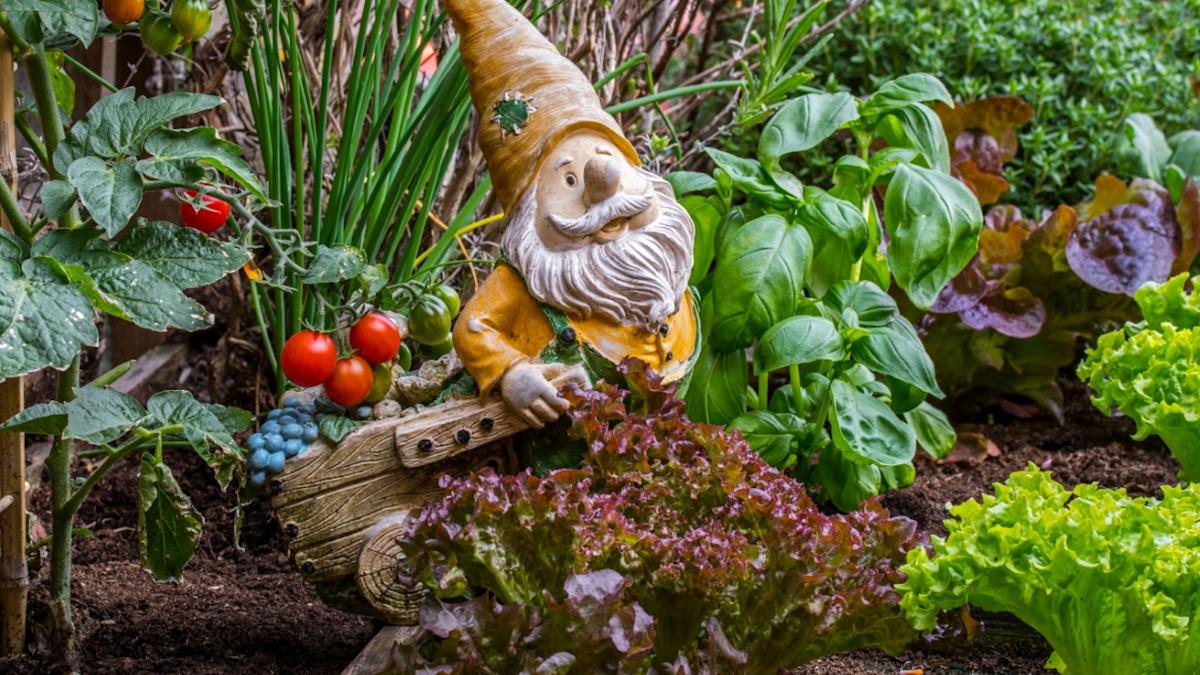
The garden ornament that was once banned from England’s most prestigious flower show for over a century is suddenly showing up on every 2026 garden trend list.
Garden gnomes are back, and they brought personality with them. Whether you’ve quietly loved them for decades or spent years pretending otherwise, the data makes a compelling case that the gnome’s moment has officially arrived.
Why the “Tacky” Label Never Made Much Sense
Garden gnomes have been dismissed as kitsch almost since the moment they became popular, which is a bit ironic, considering their pedigree.
According to the Smithsonian Gardens, Sir Charles Isham introduced the first gnomes to England in the 1840s as whimsical companions in his rock garden, and Victorian society embraced them enthusiastically. It wasn’t until they became affordable and widely available to working- and middle-class households that the gardening elite decided gnomes were a problem.
According to the Celtic Farm, the Royal Horticultural Society banned gnomes from the Chelsea Flower Show in 1912, and the ban lasted over a hundred years. That’s not a taste judgment; that’s class politics dressed up as aesthetics. When the RHS finally lifted the ban in 2013 for Chelsea’s centenary celebration, even Elton John painted a gnome for charity.
The Numbers Behind the Garden Gnome Comeback
This isn’t just nostalgia talking. The trend data points in a very specific direction.
According to Atlas Ceramics in Gardening, Etc., the #gardengnome hashtag had accumulated over 17 million views on TikTok in 2022, and gnomes ranked in the top five garden trends alongside raised garden beds, bird baths, and pergolas. Meanwhile, Wayfair reported that on-site searches for garden gnomes surged more than 200% in a single month. Etsy’s trend expert Dayna Isom Johnson noted that gnomes tap directly into the rise of nostalgic and vintage styles while giving shoppers a way to express personal style outdoors.
That last point matters more than it might seem. Gardeners today are increasingly treating their outdoor spaces the way they treat their interiors: with intention, humor, and a point of view. With maximalism back in style in a big way for 2026, garden gnomes are the perfect accessory to accompany the on-trend aesthetic.
What 2026 Gnomes Actually Look Like
Here’s where the story gets genuinely interesting. The garden gnomes showing up in 2026 trend reports barely resemble the stiff, fishing-rod-holding figurines of suburban lawns past. Today’s versions strike yoga poses, hold tiny coffee cups, ride motorcycles, and yes, take selfies.
George Home at Asda alone offered 40 different gnome designs in a single season, including a King Gnome inspired by the Coronation in 2023. Zen and meditating gnomes have become a category unto themselves, complete with solar lighting. The design range now spans from cheeky-maximalist to quietly folkloric, meaning there is, almost certainly, a gnome that matches your aesthetic, whether you lean cottagecore, contemporary, or somewhere playfully in between.
Wayfair’s resident style advisor, Dee Fontenot, has noted that gnomes have evolved well beyond novelty, becoming a way for gardeners to express genuine personality in their outdoor spaces.
The Deeper Reason Gnomes Keep Coming Back
Garden gnomes have been declared dead and then revived so many times it almost seems deliberate. The Smithsonian Gardens notes that gnomes surged again in the late 1970s following the publication of The Secret Book of Gnomes in the U.S. They bounced back after both World Wars, outlasted the RHS ban, and have survived being associated with lawn mullets and garden kitsch.
The reason is less mysterious than it sounds. According to the history at The Celtic Farm, gnomes originally served as symbols of protection and good luck, rooted in German folklore about earth elementals who guarded crops and buried treasure. That mythology didn’t disappear; it just went underground (appropriately enough) while taste-makers argued about sophistication. When people feel uncertain or want to reconnect with something grounding, they reach for symbols that have meaning.
Post-pandemic gardening brought a surge of people back outdoors, and many of them weren’t interested in minimalist, magazine-ready gardens. They wanted spaces that felt personal, a little playful, and genuinely theirs. Gnomes, it turns out, are very good at that.
The Permission Slip You Didn’t Know You Needed
If you’ve been eyeing a gnome at a garden center and talking yourself out of it, consider this: a single surviving gnome from Sir Charles Isham’s original 1840s collection, a weathered terracotta figure named Lampy, is currently insured for over one million pounds. The oldest, most serious garden gnome enthusiast on record would have no patience for the idea that gnomes are beneath anyone.
Furthermore, there are an estimated 25 million garden gnomes in Germany today, according to Authentic Provence, a country where gnomes have never once gone out of style. The rest of the world has simply been catching up, decade by decade, trend cycle by trend cycle.
The gardeners who resisted gnomes in recent decades were often following a trend toward “sophisticated” decor that, by most accounts, made a lot of gardens look identical and joyless. The 2026 shift toward maximalism, personality-driven planting, and expressive outdoor decor is a direct correction to that.
A Small Figure With a Very Long Story
In 2026, catching up looks like this: gnomes on terrace balconies in Brooklyn, gnomes tucked into pollinator gardens in the Midwest, gnomes holding tiny solar lanterns in cottage gardens across England. They are showing up in places that have never taken themselves too seriously and in places that are only just learning to loosen up.
Either way, the cheeky little figures with the pointed hats are winning. And honestly? They deserve it.
Read more
How to save snow-damaged trees and shrubs after winter storm Hernando
Don’t let your plants die while you’re on vacation: 7 genius hacks
Comments are closed.