
Monty don’s advice is surprisingly effective.
Sophie Law Deputy Editor Spare Time
09:12, 12 Mar 2026Updated 09:12, 12 Mar 2026
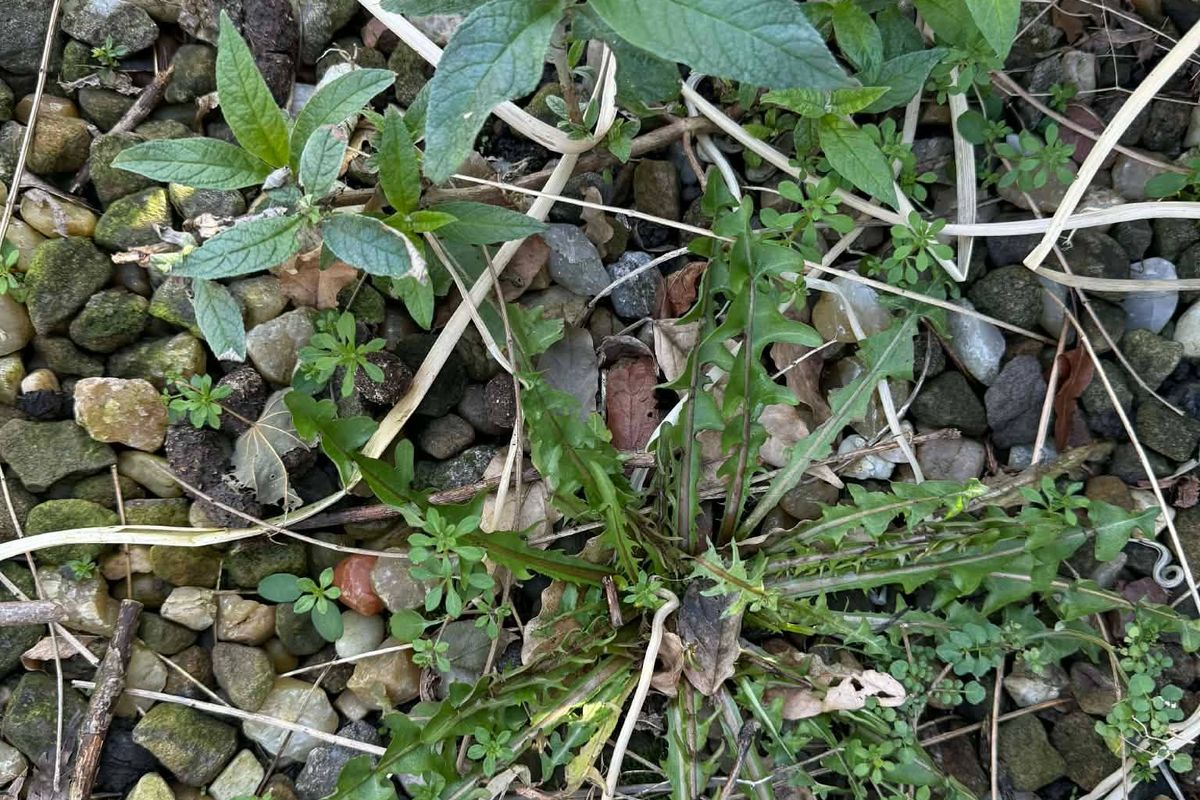
My garden is full of weeds by early spring(Image: Sophie Law)
As spring arrives and temperatures climb, gardeners may find their outdoor spaces increasingly invaded by unwanted plants. A pristine lawn and well-maintained flower beds can swiftly become overrun with dandelions, chickweed and bindweed during the warmer months.
Like countless gardeners, I’ve spent years combating weeds in my patch using various natural remedies, from white vinegar to boiling water. However, last week I adopted a fresh strategy after discovering guidance from horticultural expert Monty Don – and the outcome proved remarkably successful.
For those, like myself, who prefer to avoid harsh chemicals in their gardens, the Gardeners’ World host’s recommendation is straightforward: tackle everything manually and in small increments.
He recommends gardeners resist the temptation to address too large an area in one go, stating in a Gardeners’ World episode: “Do one metre properly.”
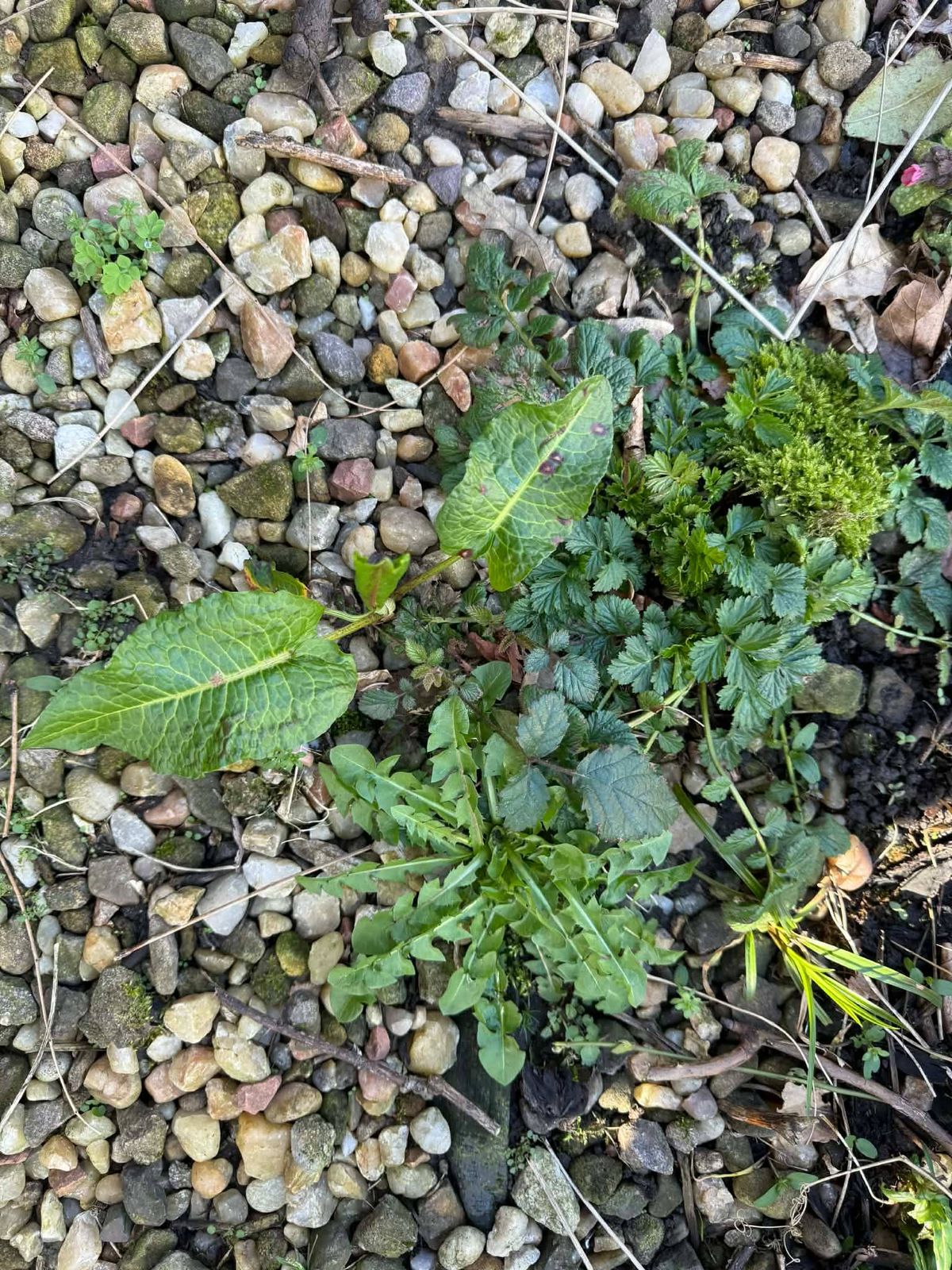
I tackled weeds by following Monty Don’s advice(Image: Sophie Law)
Therefore, by selecting a compact area, you can manage weeds in achievable sections. He continued: “That’s far better than doing 10 metres half-heartedly.”
The gardening authority explained that removing weeds manually, whether with bare hands or implements, is superior as it enables you to get “right up close and personal”, since ultimately, “a weed is simply a plant in the wrong place.”
He noted: “What matters is getting in there. And it’s a very good way of getting to know your soil, getting to know your plants. It’s a very intimate process, weeding.”
He continued: “But it’s very important to do it now so they don’t seed and they don’t take over. And the other thing about weeding is do it a little bit at a time.”

(Image: BBC)
I put this technique to the test in my own garden to see whether it delivered results. Rather than racing through a large patch and leaving roots in the ground, the approach involves concentrating on a small area and extracting every weed completely, reports the Express.
Following that guidance, I selected a section of one border that typically becomes overgrown by early spring. Instead of trying to clear the entire bed in a single session, I focused on approximately a metre of soil and worked methodically through it.
I loosened the earth with a small hand fork – though Monty said any implement or your hands will suffice – and removed each weed one by one, ensuring the entire root came out with it.
Plants such as dandelions, nettles and dock can rapidly regrow if even a tiny fragment of root stays beneath the surface, so the crucial element was extracting them entirely rather than merely pulling off the visible foliage.
The outcome was a bed that stayed noticeably clearer – without requiring another lengthy afternoon of weeding. By eliminating new growth early, the seedlings never had the opportunity to develop the deeper roots that make weeds more difficult to extract.
It was also far more successful than approaches like white vinegar, which can be unreliable and doesn’t really tackle the roots of larger, established weeds.
Comments are closed.