
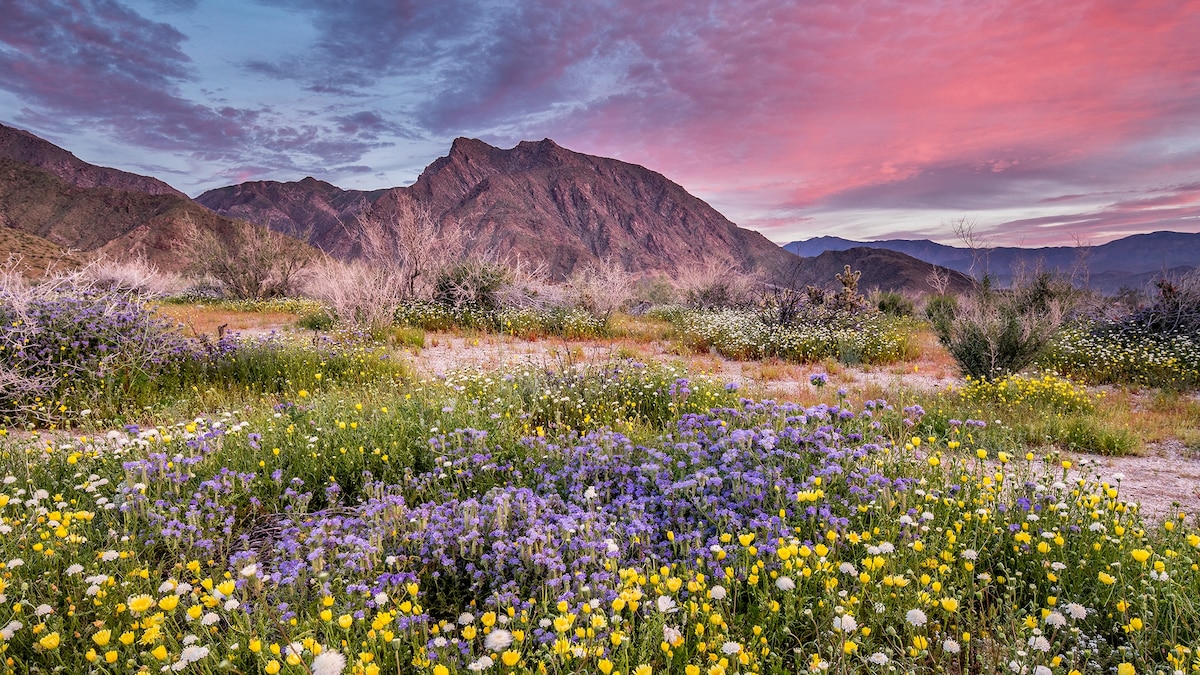
In general, spring—as measured by first leaf dates between 1991 and 2020—has been arriving earlier across much of the continental United States, driven by climate change. However, first bloom dates over the same period, compared to the 20th-century average, are more mixed, with earlier-than-average flowering centered in the West, parts of the Midwest, and the Northeast.
Regardless of when spring begins, there are a few reasons why certain flowers are the first to usher in the season. Many early-flowering plants take advantage of the fact that deciduous trees have not yet grown out their leaves, allowing light and warmth to reach them as the days lengthen. Many bulb and corm varieties that are planted in the fall, such as daffodils and snowdrops, benefit from the dormancy of winter. They grow their roots and convert water to energy during the cold months, in the process bypassing competition from trees and surrounding plants for nutrients.
Why early spring flowers are important
Botanist Gregory Moore notes that many plants have coevolved with the creatures that pollinate them, beckoning emerging insects and returning migratory birds. Spring flowers support pollinators such as bees, hummingbirds, and butterflies, which derive nutrition from the nectar and pollen in flowers. Migrating hummingbirds begin appearing across the southern portion of the continental United States by early March, so they depend on nourishment from flowers such as coral honeysuckle in Texas, along with insects and spiders.
(The best wildflower hiking trails in the U.S.)
All pollinators, in turn, are important to our food supply, since many of the foods we eat—almonds, apples, and tomatoes, to name a few—come from flowering plants that depend on them for reproduction.
Comments are closed.