
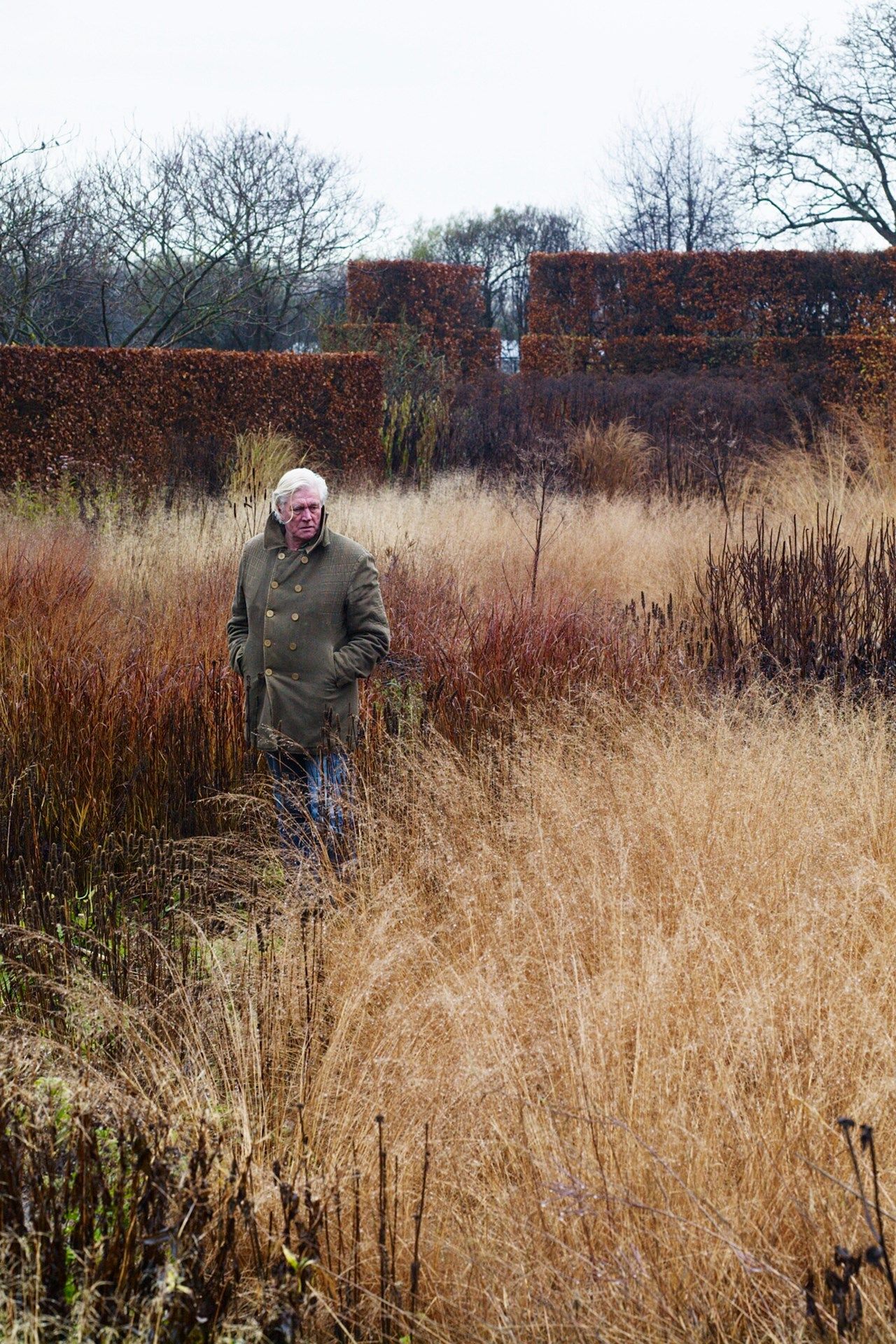
Piet Oudolf in his garden at his home at Hummelo, the Netherlands
Andrew Montgomery
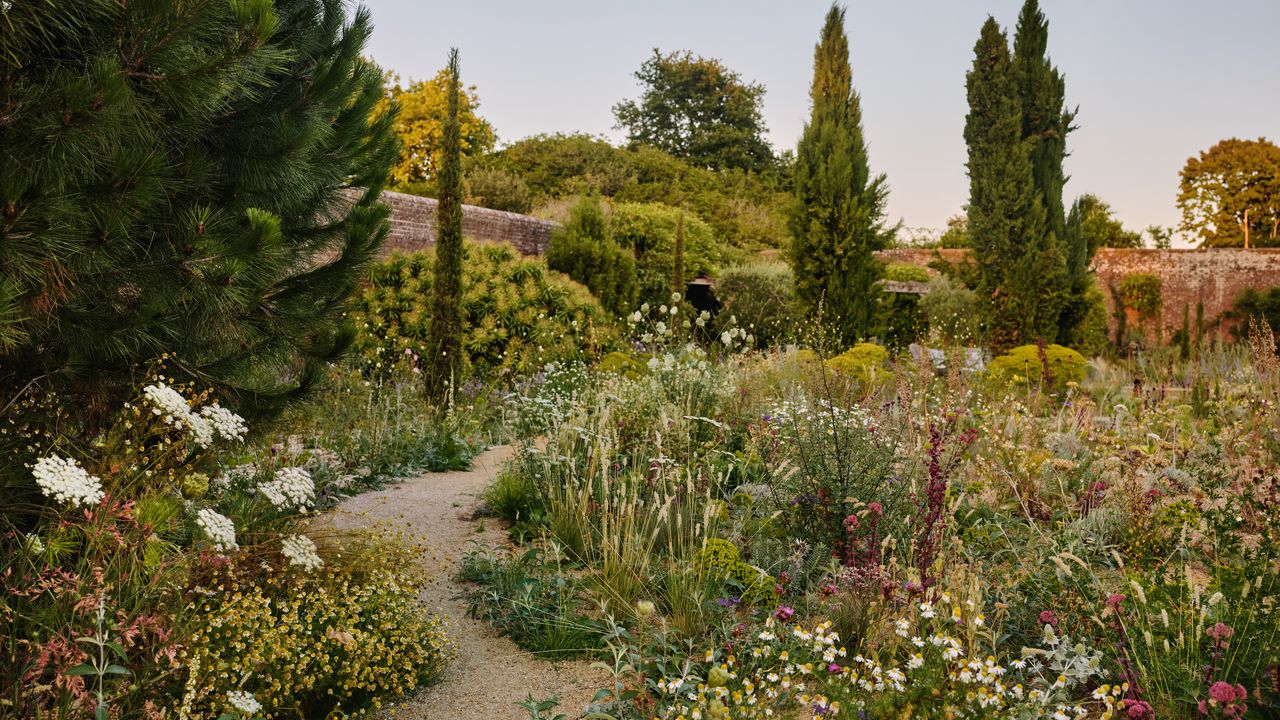
More experimental still are the sand, gravel and rubble gardens pioneered by many garden designers. The idea is that a huge diversity of resilient, drought-tolerant plants can thrive in the poor soil conditions without competition from nutrient-hungry weeds. At Knepp, Tom Stuart-Smith and James Hitchmough designed a free-flowing, ever-evolving planting matrix that includes both native and non-native species. The result is astonishing, and with species that provide both food plants for caterpillars and nectar for pollinators, the increase in wildlife has been exponential. Formerly a croquet lawn, the walled garden is now an undulating sea of plants, its rough paths peppered with self seeders. To many, this garden will seem chaotic and messy – but for others it has a wild beauty that presents a tangible connection to nature.
Other well known garden designers are following suit, often experimenting in their own gardens. Dan Pearson has added a sand garden to his own plot at Hillside near Bath in Somerset, planting Mediterranean zone plants such as santolinas and salvias that need next to no watering, while Sarah Price has transformed her former vegetable and flower garden into an intricate mass of plants that thrive in sand, gravel and crushed rubble.
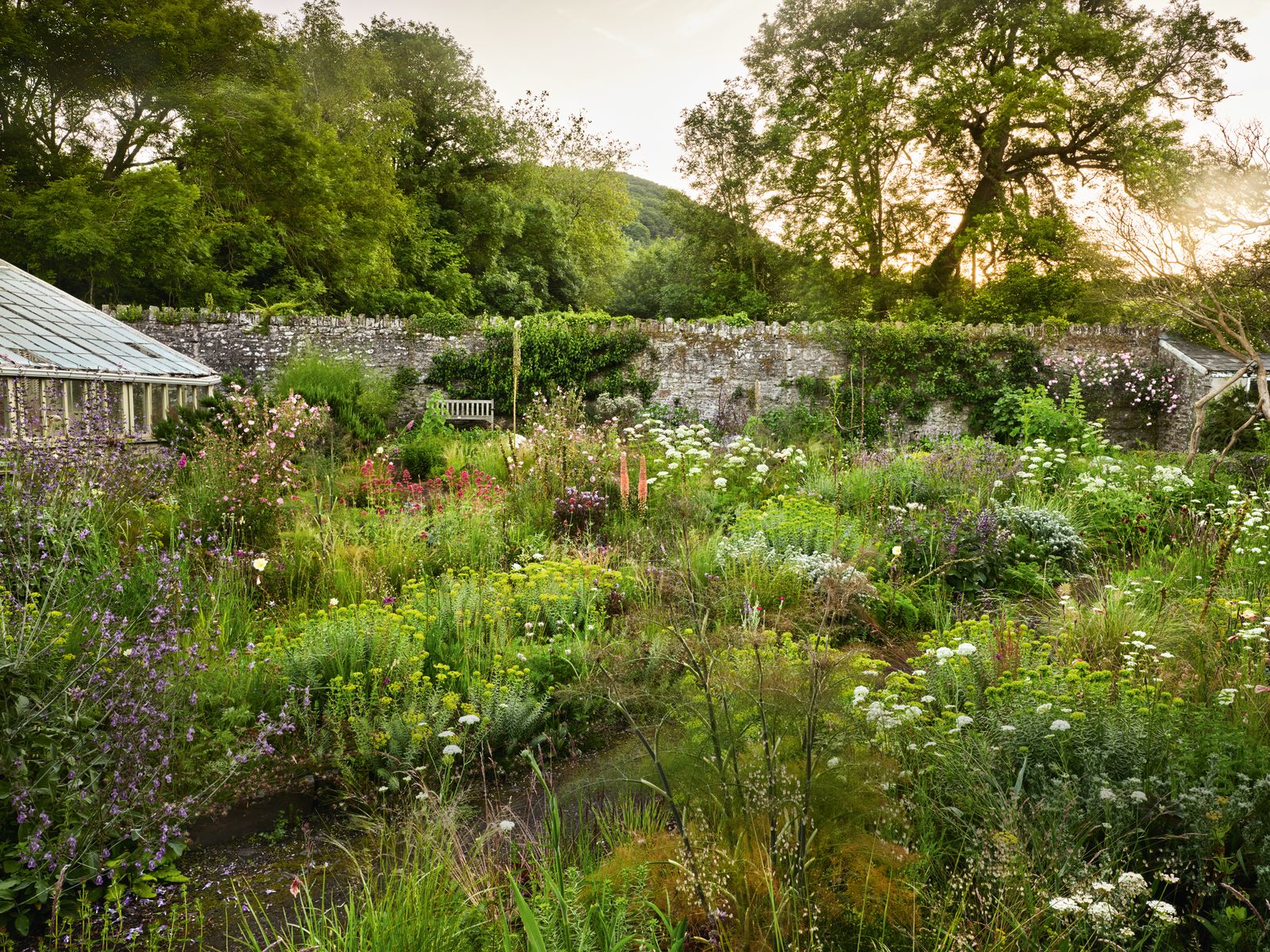
If this type of gardening is a step too far, it is perfectly possible to boost the biodiversity in your garden in smaller ways. Allow a small patch of lawn to grow long for wildflowers; make a pond; mix vegetables with annual flowers; create areas of different planting around the garden. You can still have a knock-out ornamental border and a patch of lawn, but maybe create a gravel garden somewhere else where you can grow a completely different range of plants. If you go the whole hog and turn your lawn into a meadow, mow a margin around the edge or have paths running through so there is still an element of formality to show that it is a tended space.
Comments are closed.