
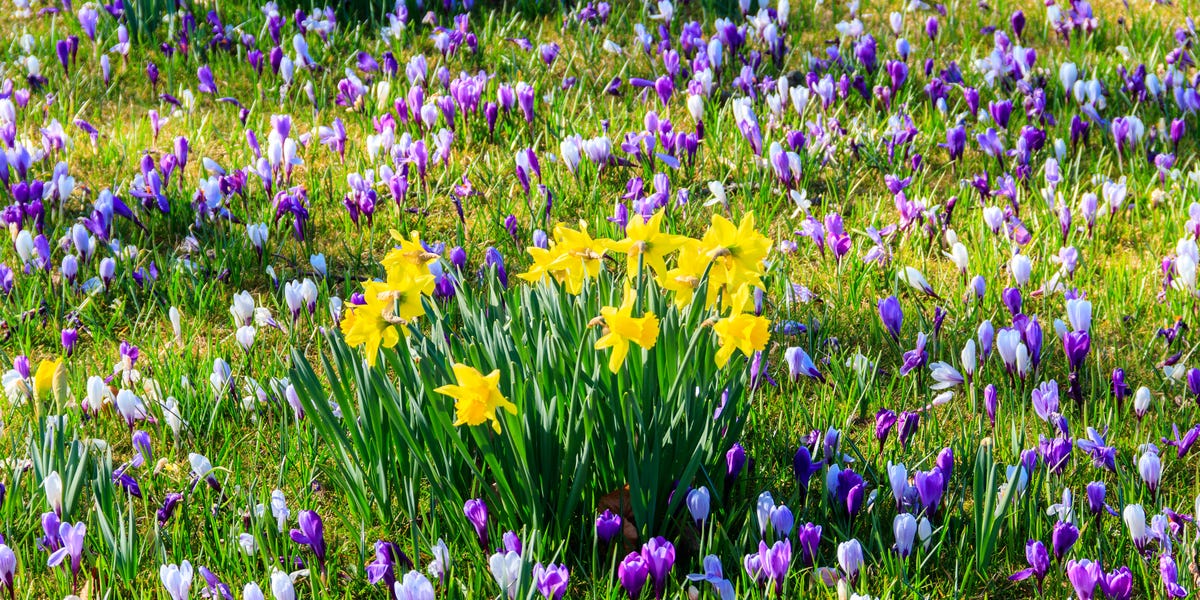
At this time of year, the flurries of daffodils and crocuses that are scattered across lawns, front gardens, and containers are a joyful sight – signalling warmer, sunnier days are on the way.
But, with many gardeners having these spring bulbs planted in their grass, it can be tricky to know how to give the lawn its first mow of the season when they’re standing tall amongst the blades.
Rather than risk beheading your glorious spring blooms in their prime, experts say there’s a clever rule to follow if you have these cheerful flowers growing in your lawn.
The 6-week rule
“If you have daffodils and crocuses in the lawn, the honest answer is you can leave the mowing later than you think,” Julian Palphramand, head of plants at British Garden Centres, tells Country Living.
He explains that once the flowers fade, give the bulbs at least six to eight weeks before you cut, and don’t be too quick to tidy away the foliage.
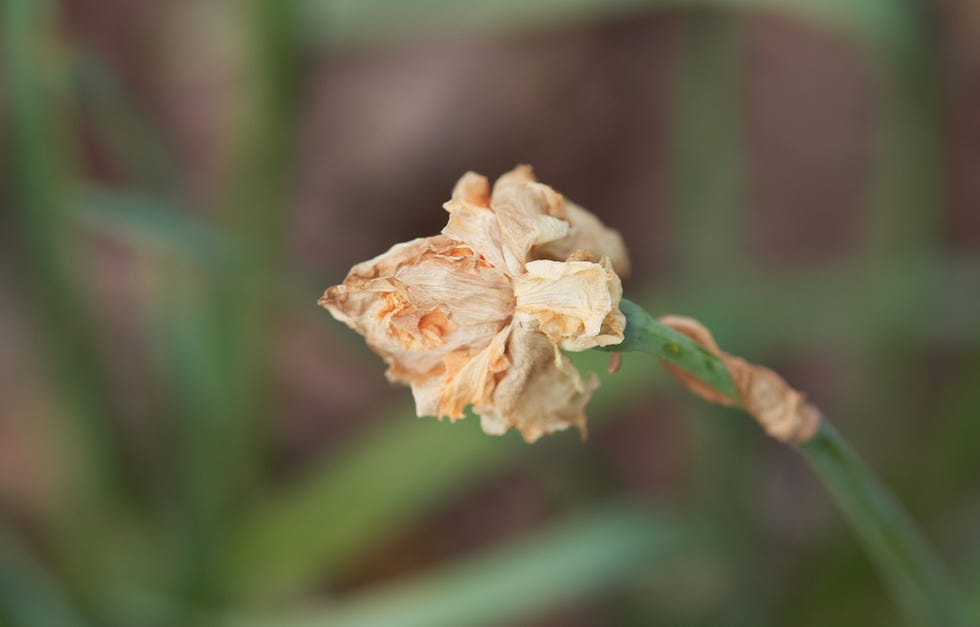
“Those slightly scruffy leaves are busy topping up the bulbs’ energy reserves for next spring, so if you mow them off too early, you’ll almost certainly see fewer flowers next year,” he adds.
“When the leaves have turned yellow and started to fall over, that’s your cue that the bulbs have done their job, and you can mow without harming next year’s display.”

annick vanderschelden photography
Michael Holden, a cutting expert from Flymo, agrees with this time frame, stressing it’s best to hold off, if possible.
He says: “As a general rule, it’s best to wait until the foliage has turned yellow and started to collapse naturally, which is typically around six weeks after flowering.”
He also adds that it’s perfectly fine to mow around the bulbs, stating: “If the surrounding grass becomes long before then, just ensure you raise the cutting height on your mower to avoid damaging them. Once the foliage has died back, you can return to your normal mowing routine.”
Tips for first grass cut with bulbs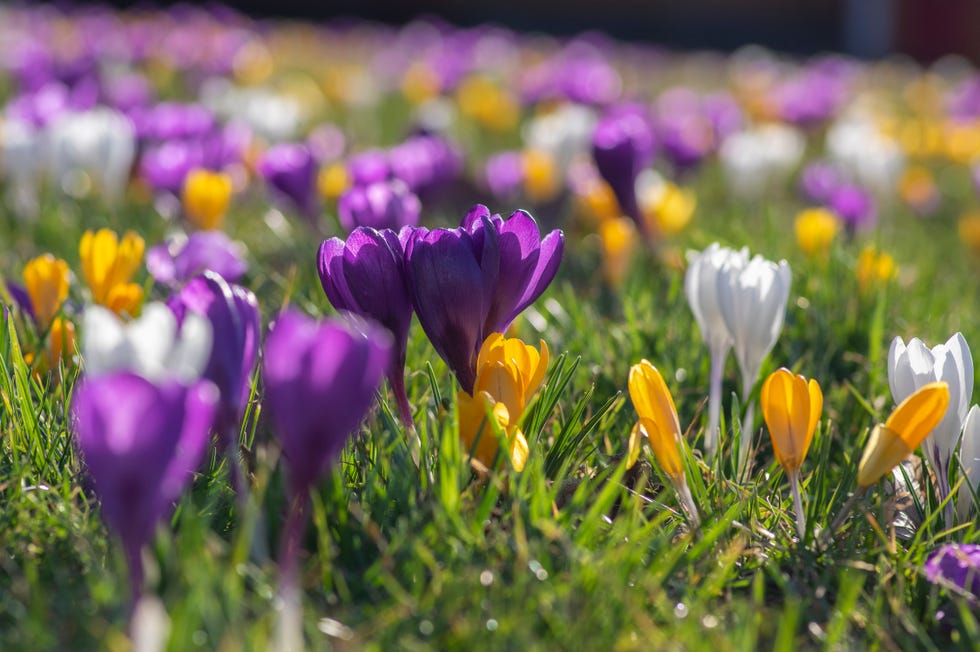
Iva Vagnerova//Getty Images
For the first cut, Julian recommends setting the blades high so you’re just neatening the grass, not cutting everything right down. He explains: “It keeps the lawn looking softer and more natural, and it’s kinder to the bulbs sitting just below the surface.
“As a bonus, letting the lawn stay a little longer into late spring creates a more wildlife-friendly patch, giving early pollinators and other beneficial insects a valuable pit stop.”
Also pay attention to your equipment. Michael says: “For the first cut of the season overall, we also recommend setting your mower blades higher than usual. This gently tidies the lawn without putting unnecessary stress on the grass while it’s still recovering from winter.”
Lawnmower edit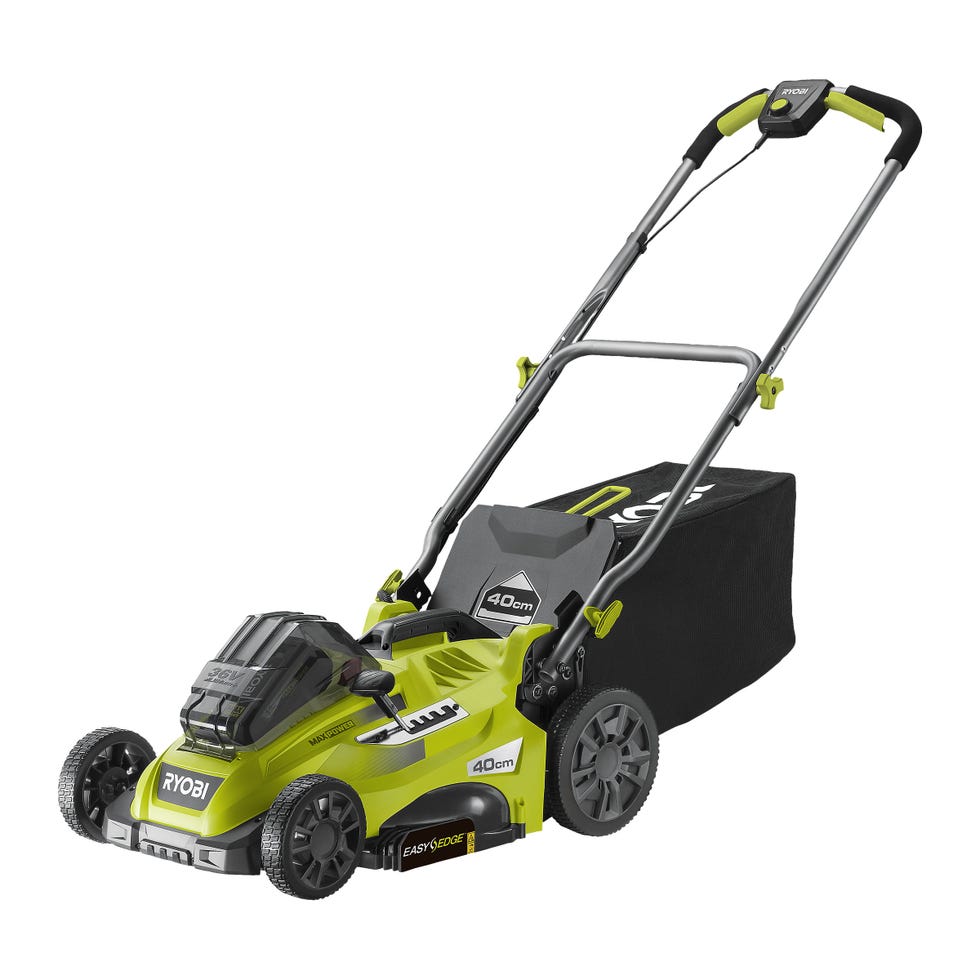 Ryobi Ryobi MAX POWER 36V Cordless Rotary Lawnmower (1 x 5Ah) – RLM36X41H50G
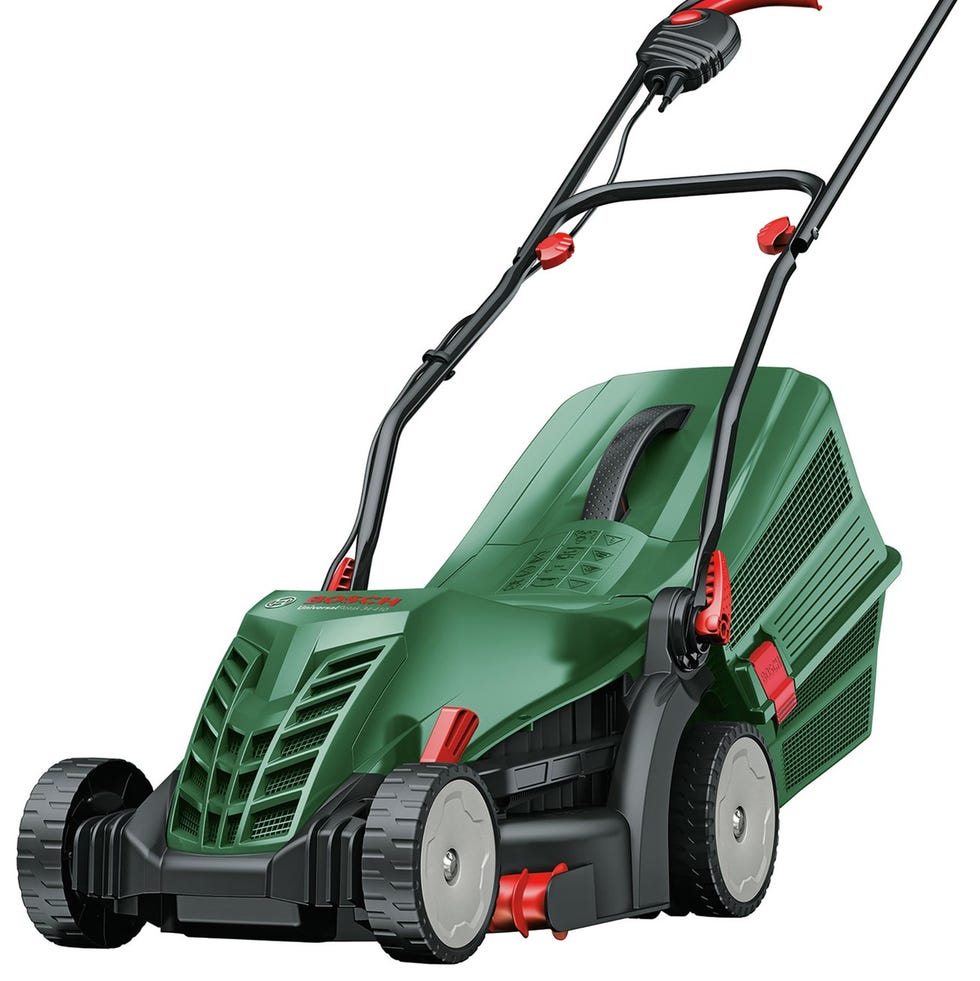 Bosch UniversalRotak 34 cm Lawnmower
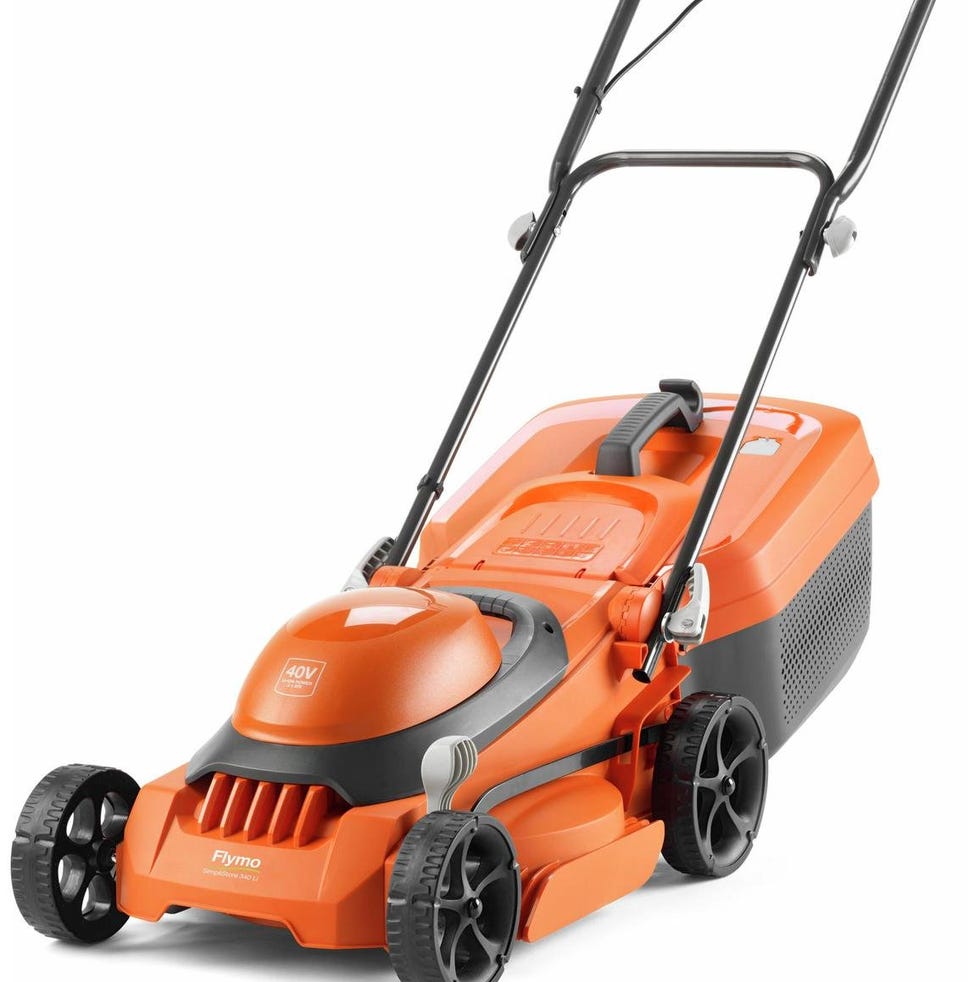 Flymo SimpliStore 340 Li 34cm Cordless Rotary Lawnmower- 40V

Lizzie is the Daily Editor at Country Living, where you’ll find her writing about unique property market finds and dreamy UK staycation spots. Her specialisms include interiors, property, wildlife, travel, slow living and more. Previously, she’s written for Metro, Evening Standard, Ideal Home, Woman & Home and various other home and lifestyle titles. Lizzie studied English Literature at University of Liverpool, where she also was a writer and editor for her uni paper.
Comments are closed.